Your Honda key fob stopped working, and now you’re staring at a locked car wondering what to do next. Good news — depending on your model year, you might fix this yourself in under 10 minutes. This guide covers every method, from simple DIY sequences to professional tools, so you leave with a working fob.
What Actually Happens During Honda Key Fob Programming
Honda key fob programming isn’t just pressing buttons randomly. You’re telling the car’s Body Control Module (BCM) to memorize your fob’s unique ID. The BCM manages your locks, alarm, and trunk release — so syncing your fob means speaking directly to that computer.
Modern Hondas also involve the Engine Control Module (ECM) and a dedicated Immobilizer Control Unit, which adds an extra security layer beyond just unlocking doors.
Here’s a quick look at how Honda’s security tech has evolved:
| Era | Technology | Security Level |
|---|---|---|
| Pre-1990 | Mechanical key only | Low |
| 1998–2010 | Transponder chip (fixed ID) | Moderate |
| 2003–2015 | Remote folding key | High |
| 2013–Present | Smart key (proximity fob) | Very High |
| 2022–Future | Digital/NFC key via app | Networked |
Knowing your era matters because it determines whether you can DIY program or need a professional diagnostic tool.
Can You Program a Honda Key Fob Yourself?
Short answer: yes, but only for certain model years.
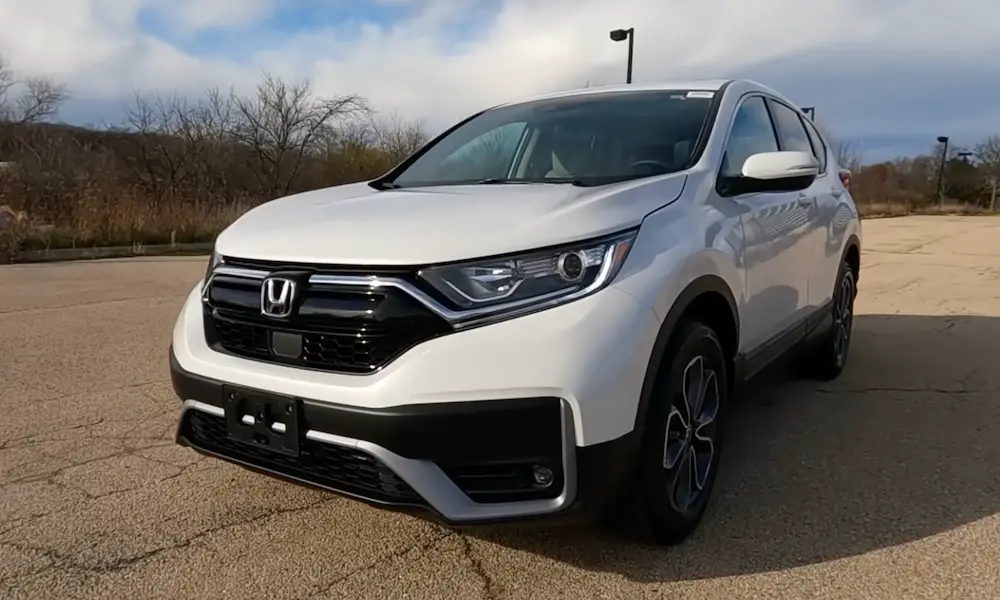
Hondas built roughly between 2001 and 2013 often support onboard DIY programming. You don’t need any special tools — just your key and a steady hand with timing. Models like the Accord (2001–2006), Civic (2001–2005), and CR-V (2002–2006) all support this method.
Vehicles built after 2013, especially those with push-button start, almost always require an OBD-II diagnostic tool. Smart key proximity systems use encrypted rolling codes that change with every single use — you can’t crack that with ignition cycling alone.
The DIY Four-Cycle Programming Method (2001–2013 Models)
This is the most common DIY Honda key fob programming sequence for North American models. Follow every step precisely — timing is everything here.
Before you start:
- Sit in the driver’s seat
- Close all doors (keep them unlocked)
- Have every fob you want programmed ready to go
The sequence:
- Insert your key and turn the ignition to ON (position II)
- Within 5 seconds, press and hold the LOCK button on your fob for 1 second
- Turn the ignition back to OFF
- Repeat steps 1–3 two more times (three total cycles)
- On the fourth cycle, turn ignition to ON and press LOCK once more
If you did it right, the door locks will cycle with an audible “clunk” — that’s your signal the BCM entered programming mode. The doors don’t actually lock; the BCM is just confirming it’s ready.
Critical timing rules:
| Step | Time Limit | What Happens If You Miss It |
|---|---|---|
| Ignition ON to button press | Under 5 seconds | BCM resets, start over |
| Button hold duration | 1 second | No response, try again |
| Programming all fobs | Under 10 seconds | Session closes, unregistered fobs stop working |
| Exit mode | Turn ignition OFF | Hazard lights may flash |
Here’s the part people miss: the BCM wipes all stored fob IDs the moment it enters programming mode. You must press LOCK on every fob — old ones included — within that 10-second window. Skip one, and that fob becomes a useless plastic button.
The Two-Key Rule for Adding a Spare Key
Want to add a third key without going to a dealer? Honda’s immobilizer has a built-in rule for that.
The system requires two already-programmed keys to teach a new one. Here’s why: someone with brief access to a single key (like a valet) can’t easily clone it. The process works like this:
- Cycle the first valid key in the ignition
- Switch to the second valid key within 15 seconds
- A 60-second window opens — insert the new blank key
If you only have one working key, the vehicle enters a secure lockout state. At that point, you need the Honda Diagnostic System and a PCM unlock code from the manufacturer. That’s a dealer job.
JDM Hondas Program Differently — Here’s What Changes
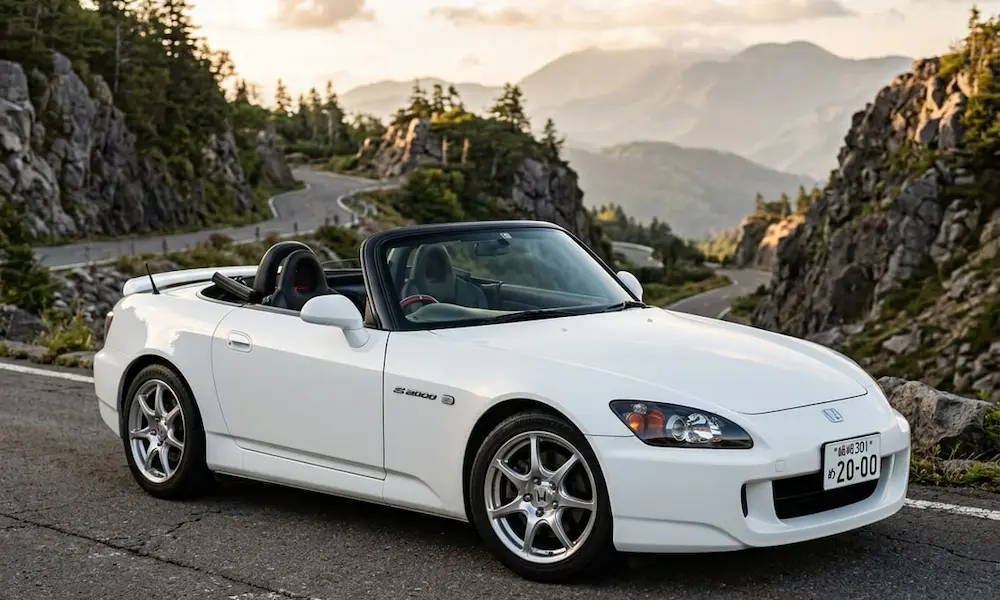
If you drive an imported JDM model like a Fit (Jazz), Vezel, or S660, the standard North American sequence won’t work the same way.
JDM Hondas don’t use hazard lights or chirps as feedback. Instead, the doors automatically unlock when you insert the key for the sixth time within a 10-second window. You also need to use the manual lock switch on the driver’s door handle — not the electronic button panel.
There’s also a frequency difference. North American Hondas use 315 MHz for their remote keyless entry systems. European models run on 433.92 MHz. These aren’t interchangeable — a European fob physically can’t talk to a North American BCM because the receiver is tuned to a completely different wavelength. Buying a cheap fob from an overseas seller and expecting it to work? That’s a common (expensive) mistake.
Honda’s Immobilizer System: What It Is and Why It Matters
The key fob handles your locks. The immobilizer handles whether your engine actually starts. These are two separate systems.
Honda’s immobilizer system has gone through six distinct generations, each more secure than the last:
| Type | Key Feature | Programming Method |
|---|---|---|
| Type 1 | Red Master Key / Fixed ID | Onboard with red key |
| Type 2 | Master & valet keys | HDS / professional tool |
| Type 3 | Sidewinder / T5 chips | HDS / PCM code |
| Type 4 | Rolling code / encrypted | i-HDS / OBD-II port |
| Type 5 | Integrated RKE + immobilizer | i-HDS / Smart Entry setup |
| Type 6 | Proximity / Smart Key | Bi-directional NFC/RF |
Type 1 systems (late-90s Accord, Prelude) used a physical red master key. Lose that red key, and you’d often need a full immobilizer unit replacement — the system locked to that master ID.
Type 4 onwards uses rolling-code encryption that generates a new code every single ignition cycle. Replay attacks — where a thief captures your signal and reuses it — become technically impossible.
Smart Keys and Push-Button Start (2013–Present)
Modern Honda smart keys don’t just send a signal — they have a conversation with your car.
When you touch the door handle, the vehicle sends out a Low-Frequency (LF) signal at 125 kHz through door antennas. That signal wakes up your fob, which responds with a High-Frequency (HF) encrypted packet. The BCM validates that packet, and the door unlocks. The same handshake happens inside the cabin when you push start.
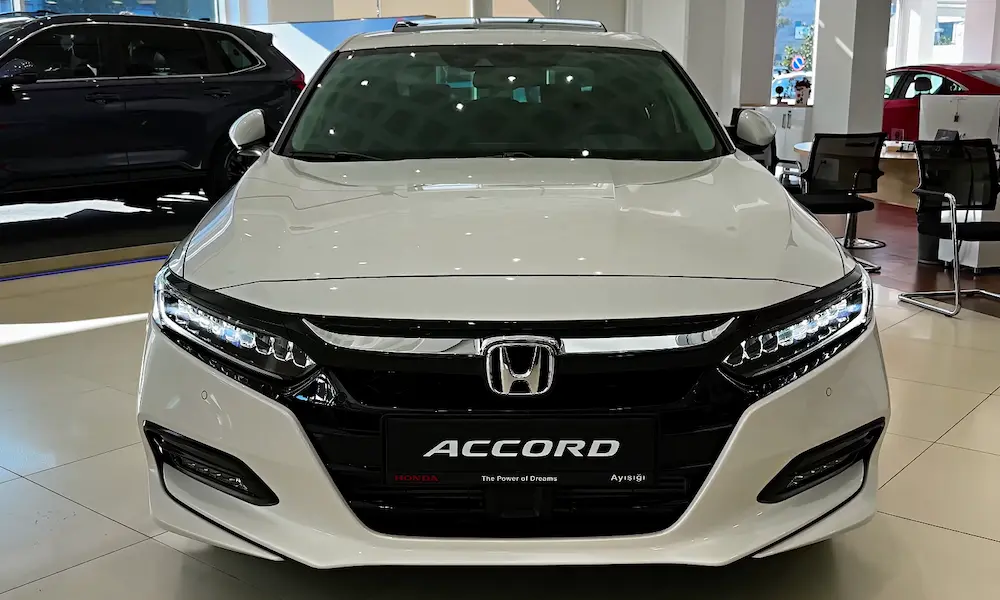
2022–2025 Accord and Civic models use the 4A transponder chip and broadcast on 433 MHz — a shift from the older 315 MHz standard. These smart key systems can only be programmed via OBD-II with professional tools.
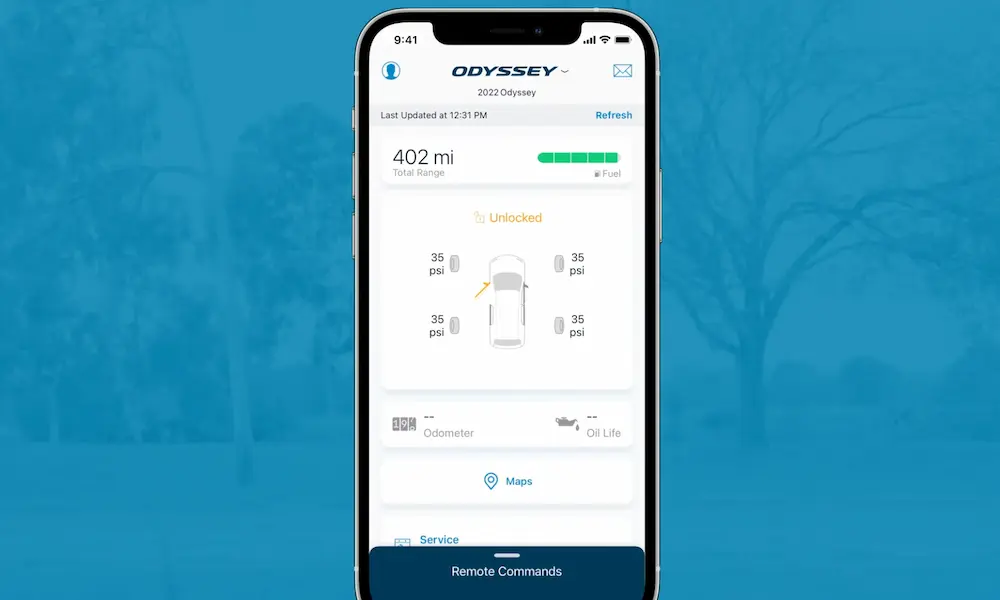
Some models like the Odyssey and Pilot (2018–2025) also support Driver 1 and Driver 2 memory linking. Each fob gets assigned to a specific BCM memory slot. When the car detects “Driver 1,” it automatically adjusts the seat, mirrors, and infotainment settings. Most vehicles support up to 6–8 total fobs, but only two can link to active memory profiles.
Dead fob battery in a push-button Honda? Hold the fob directly against the Start button. The car’s LF antenna charges the transponder chip through induction, giving you just enough power to start the engine.
Professional Programming Tools: What the Pros Use
For 2013+ Hondas or any “all keys lost” situation, you need proper tools.
Honda i-HDS is the dealership software. It gives full access to every module — ECM, BCM, Smart Entry Control Unit. It requires a subscription to Honda’s ServiceExpress portal and a J2534-compliant interface. Every key programming operation logs a digital audit trail on Honda’s central network.
Autel KM100 is the locksmith’s go-to for spare key generation. It reads chip types, transponder IDs, and lock status, and supports cloning for older transponder types across 700+ vehicle models.
Autel IM608 Pro II handles the tough stuff — all keys lost scenarios. It bypasses the need for an existing key by generating a universal smart key in the exact data format the immobilizer expects.
| Tool | Best For | User |
|---|---|---|
| Honda i-HDS | Full system access, ECU updates | Dealership technicians |
| Autel KM100 | Spare key generation, cloning | Professional locksmiths |
| Autel IM608 Pro II | All keys lost, IMMO coding | Advanced technicians |
| Generic OBD-II | Fault code reading only | DIY enthusiasts |
Why Cheap Aftermarket Fobs Are a Gamble
That $12 fob on a marketplace site might look identical to your OEM part. The internal chip almost certainly isn’t.
Generic fobs often use encryption chips that don’t perfectly replicate Honda’s rolling-code algorithm. Dealership technicians have reported cases where aftermarket fobs triggered BCM communication errors — sometimes requiring a full module reset to fix. Many reputable locksmiths now refuse to program customer-supplied fobs from online marketplaces because the failure rate is too high.
For smart key systems especially, stick with genuine OEM parts. The rolling-code architecture is too tightly integrated to risk a generic chip messing with it.
Fob Stopped Working? Check These First
Before assuming a programming issue, run through these quick checks:
Battery: The CR2032 coin cell is the standard across nearly all Honda remotes. When voltage drops, range shrinks — but here’s the trick: a low battery can still power the LED while failing to sustain the current for a full RF transmission. Replace it annually, especially in hot climates where heat degrades battery chemistry faster.
Moisture damage: If your fob got wet, disassemble it, pull the battery, and clean the circuit board with isopropyl alcohol and a cotton swab. Moisture oxidizes PCB contacts and creates parasitic resistance that drains batteries and sends phantom signals.
RF interference: Smartphones, Wi-Fi routers, and power lines can all drown out a fob’s low-power signal. If your fob only works when pressed directly against the window, you’re dealing with either a weak battery or serious external interference.
Resync after battery swap: Replacing the battery sometimes breaks the rolling-code sync. Running through the DIY programming sequence again usually fixes it.
Honda’s Move Toward Digital Keys
Honda’s trajectory points toward ditching the fob entirely. The HondaLink app already supports digital key access using Bluetooth Low Energy (BLE) and NFC, with the cryptographic key stored in your phone’s Secure Element.
This removes ignition cycling and button pressing from the equation entirely. Digital enrollment uses multi-factor authentication and cloud-based verification instead. The tradeoff? Security shifts from your physical key to your digital device — and technicians will need to understand mobile OS permissions and cybersecurity alongside RF electronics to work with these systems.
Quick Reference: Which Method Do You Need?
- 2001–2013 Honda (standard remote): Try the four-cycle DIY method first
- Adding a third key: You need two working keys — otherwise it’s a dealer visit
- 2013+ with push-button start: OBD-II professional tool required
- All keys lost: Autel IM608 Pro II or Honda i-HDS at a dealership
- JDM import: Different sequence — sixth key insertion triggers programming mode
- Fob not working after battery swap: Run the DIY sync sequence again
- Dead smart key battery: Hold fob against Start button to use induction start
Honda key fob programming gets more complex every model year — but for older models, the DIY path is genuinely straightforward if you respect the timing windows and program all your fobs in one session.