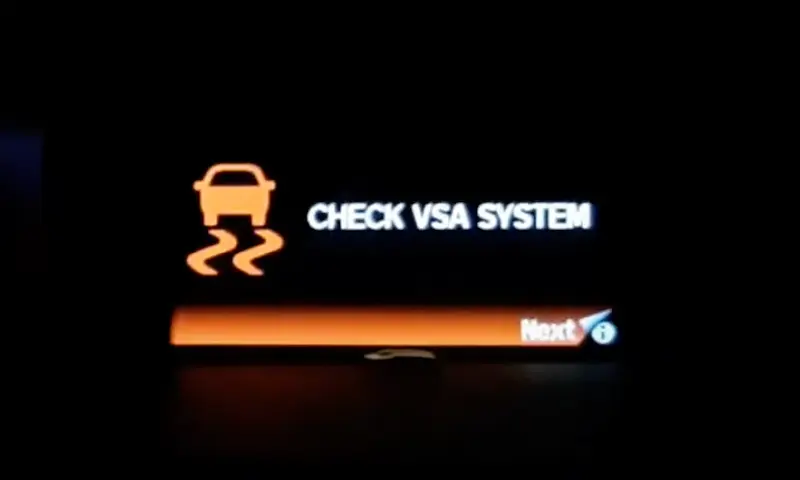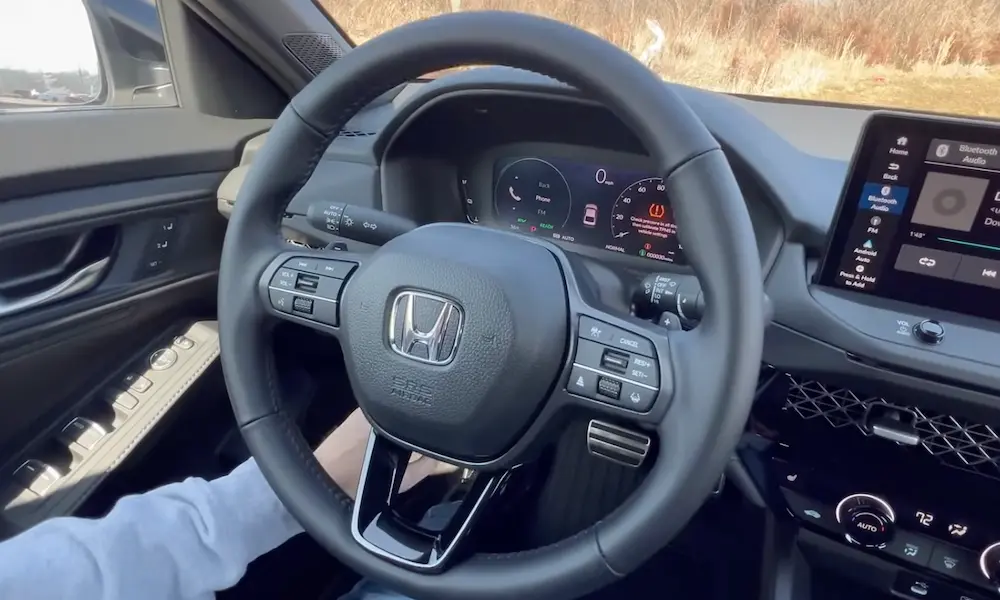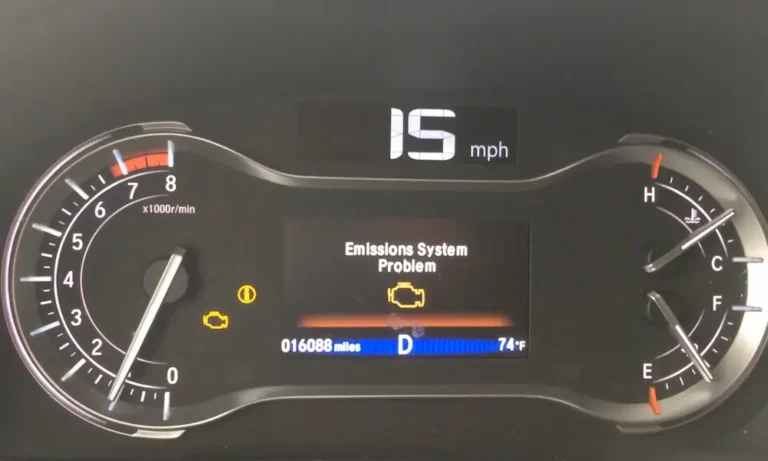
That “Emissions System Problem” warning on your Honda Pilot’s dashboard is enough to ruin anyone’s morning commute. Before you panic or hand your mechanic a blank check, here’s everything you need to know — from the real causes to the recalls Honda doesn’t always advertise loudly.
What Does “Emissions System Problem” Actually Mean on a Honda Pilot?
It means your Pilot’s Powertrain Control Module (PCM) caught something it doesn’t like. The PCM monitors hundreds of sensor readings to keep your engine burning fuel cleanly. When something falls outside its acceptable range, it triggers the warning and stores a diagnostic trouble code (DTC).
Here’s the thing: this warning rarely points to one broken part. On 2016–2022 Pilots specifically, it almost always signals a chain reaction across multiple systems. One failing component quietly damages another, and by the time the light shows up, you’re dealing with the consequences of something that started weeks or months earlier.
The Most Common Causes in 2016–2022 Honda Pilots
The third-generation Pilot switched to a direct injection V6 engine. That upgrade brought better fuel economy but also introduced some very specific failure patterns. Here’s what’s actually behind most Honda Pilot emissions system problems:
Failing Fuel Injectors (The Most Common Culprit)
Direct injection systems spray fuel at pressures above 2,000 psi directly into the combustion chamber. That requires incredibly tight tolerances. According to Honda’s own Technical Service Bulletin TSB 20-100, microscopic metal shavings from the manufacturing process can stay inside the fuel system and gradually wear down or clog the injector nozzles.
A clogged injector doesn’t spray fuel evenly. That creates “localized” rich spots the PCM can’t fix using its normal fuel adjustments — and it triggers trouble codes.
Honda acknowledged this was widespread enough to extend the warranty on fuel injectors for 2016–2019 Pilots to 10 years or 150,000 miles.
The Fuel Pump Recall You Should Know About
In 2023, Honda issued NHTSA Recall 23V858, covering approximately 2.5 million vehicles including 2016–2021 Pilots. The in-tank fuel pump’s impeller absorbed fuel over time, swelled, and struck the pump housing. Before it seized completely, it would cause low fuel pressure — triggering your emissions warning along with stumbling under load and hard starts.
Many owners chased phantom sensor and converter problems for months before anyone checked the fuel pump. If your Pilot falls in this range, check your VIN at the NHTSA recall database immediately.
The Catalytic Converter Problem (And Why It’s Often Misdiagnosed)
The two most common DTCs associated with Honda Pilot emissions system problems are:
- P0420 — Catalyst efficiency below threshold, Bank 1
- P0430 — Catalyst efficiency below threshold, Bank 2
These codes show up constantly in Pilot forums and dealer service bays. But here’s what most technicians miss: the PCM software on these vehicles was calibrated too narrowly. It sometimes flags a perfectly functional catalyst as defective just because of minor injector imbalances upstream.
Honda TSB 19-072 specifically addresses this with a PCM software update that adjusts how the system evaluates catalyst performance. Dozens of owners have avoided unnecessary converter replacements after getting this update.
Translation: Before anyone replaces your $1,500–$3,000 catalytic converter, ask if the PCM software has been updated first.
How VCM Is Quietly Destroying Your Engine’s Emissions System
Variable Cylinder Management (VCM) deactivates half the engine’s cylinders during highway cruising to save fuel. That sounds clever until you see what it does long-term.
When cylinders deactivate, the pistons keep moving without combustion. This creates a vacuum that pulls engine oil past the piston rings. When those cylinders reactivate, they burn that oil. The result:
- Carbon-fouled spark plugs → misfires → unburned fuel hits the hot catalytic converter
- Oil additives coating the converter’s honeycomb → catalyst loses its ability to process exhaust → P0420/P0430 codes
The VCM solenoid in 2016–2018 Pilots also has a known oil leak pattern. The rear solenoid sits directly above the alternator. Oil drips down, saturates the alternator’s internal components, and causes voltage drops. Low voltage makes your oxygen sensors give erratic readings — which the PCM interprets as an emissions fault.
The Trouble Codes Explained Simply
| DTC Code | What It Means | Most Likely Cause in Pilots |
|---|---|---|
| P0420 / P0430 | Catalyst efficiency low | Bad injector balance OR genuinely worn converter |
| P219A / P219B | Air-fuel variation between cylinders | Clogged/worn direct injector |
| P0300–P0306 | Misfire detected | Fouled spark plugs from VCM oil consumption |
| P0087 | Low fuel pressure | Failing in-tank fuel pump (check recall 23V858) |
| P0441 / P0446 | EVAP system fault | Stuck purge valve solenoid |
| P0135 / P0141 | Oxygen sensor heater fault | Weak 12V battery or alternator voltage issues |
The EVAP System: Small Parts, Big Headaches
Your Pilot’s evaporative emission system catches fuel vapors before they escape into the air. Two parts cause most of the EVAP-related emissions warnings:
Purge Valve Solenoid: This valve controls vapor flow from the charcoal canister into the engine. In Pilots, it’s prone to sticking.
- Stuck open → rough idle, hard starts after refueling (very common Pilot complaint)
- Stuck closed → P0441 or P0446 codes, guaranteed emissions test failure
The Gas Cap Area: Newer Pilots use a capless fueling system. The mechanical flap that seals the tank can collect debris and fail to seal properly. Before replacing an expensive charcoal canister, try cleaning the flap with a damp cloth or compressed air. It’s fixed a lot of these warnings for free.
Honda’s TSBs and Recalls: What’s Actually Covered
| Document | Issue | What Honda Does |
|---|---|---|
| TSB 20-100 | Machining debris in injectors | Software update + injector replacement |
| TSB 21-010 | Injector wear/cylinder imbalance | Injector replacement |
| TSB 19-072 | PCM too sensitive, false P0430 | PCM software update |
| TSB 23-008 | Idle-Stop system logic | PCM update for aging batteries |
| Recall 23V858 | Fuel pump impeller swelling | Full pump module replacement |
Always search your VIN at NHTSA’s database before paying for any emissions repair on your Pilot. Open recalls mean Honda pays, not you.
What Repairs Actually Cost (Without Warranty Coverage)
If you’re outside any coverage window, here’s what to expect:
- Fuel injector replacement: $775–$1,146 on average, including roughly 2.6 labor hours and the Honda injector kit with new seals
- Catalytic converter replacement: $1,500–$3,000 per unit at a dealership — and you have two banks, so do that math carefully
- Charcoal canister: $450–$800 including labor
- Purge valve solenoid: A much cheaper fix, typically $150–$250 parts and labor
Know Your Warranty Rights
Don’t assume you’re stuck paying out of pocket. The Clean Air Act’s Federal Emissions Warranty requires Honda to cover major emissions components for 8 years or 80,000 miles regardless of any TSBs. That covers your catalytic converters and PCM.
If you’re in California or another Section 177 state, your coverage extends even further — sometimes up to 15 years or 150,000 miles on specific parts. Pilots registered in these states may have fuel injector coverage under state-specific provisions even after the national 10/150 extension expires.
The Weird Stuff: Batteries, Rodents, and Carbon Buildup
Your battery matters more than you’d think. The PCM’s idle-stop system is highly voltage-sensitive. A tired 12V battery causes the PCM to reset its emissions monitors and generate ghost codes for oxygen sensor heaters and catalyst efficiency. TSB 23-008 addresses this directly. If your battery is over three years old, replacing it proactively can clear recurring emission warnings that have nothing to do with your exhaust.
Rodents love Honda’s wiring. Honda used soy-based insulation on its wire harnesses. Rodents find it genuinely appetizing. A chewed oxygen sensor wire produces the exact same fault codes as a failed sensor — but it’s classified as environmental damage, so it’s not covered under any emissions warranty. If you park outdoors and start seeing unusual sensor codes, check the wiring before replacing parts.
Direct injection and carbon buildup. Unlike older port-injected engines, direct injection doesn’t spray fuel past the intake valves. Nothing washes the carbon off. Over time, buildup on intake ports causes turbulent airflow and misfires. Using Top Tier detergent gasoline consistently slows this process significantly — it’s not just marketing.
How a Good Technician Should Diagnose This
A competent shop won’t just read the code and order parts. Here’s the proper process for P0420/P0430 on a Pilot:
- Check for open recalls — specifically 23V858 and TSB applicability first
- Run the Cylinder A/F Test using Honda’s diagnostic software (i-HDS) — this identifies injector imbalances that mimic a failing converter
- Review live fuel trim data — long-term fuel trim consistently above +10% on both banks usually means a global fuel pressure problem, not individual sensors
- Check downstream oxygen sensor behavior — at steady cruising speed, it should read as a nearly flat line. If it’s oscillating in sync with the upstream sensor, the converter is genuinely exhausted
- Update PCM software before recommending any hardware replacement
If a shop skips straight to “you need a new catalytic converter” without running the cylinder test or checking for software updates, get a second opinion. Many converters get replaced on Pilots when a $0 software update would have solved the problem.
What You Can Do Right Now to Protect Your Pilot
- Check your VIN for open recalls at NHTSA’s website — the fuel pump recall alone covers millions of Pilots
- Use Top Tier gasoline consistently — it’s a mechanical necessity for direct injection engines, not a preference
- Consider a VCM disabler — these devices prevent cylinder deactivation and significantly reduce the oil consumption and spark plug fouling that eventually destroys catalytic converters
- Replace your AGM battery every 3–4 years — proactive replacement prevents ghost emissions codes from a PCM re-initialization during low-voltage restarts
- Don’t ignore the purge valve — if you notice rough idle right after refueling, that’s often the first sign before a full emissions warning appears
The Honda Pilot emissions system problem is rarely one thing going wrong at once. It’s a cascade — and the sooner you identify which domino fell first, the cheaper the fix.