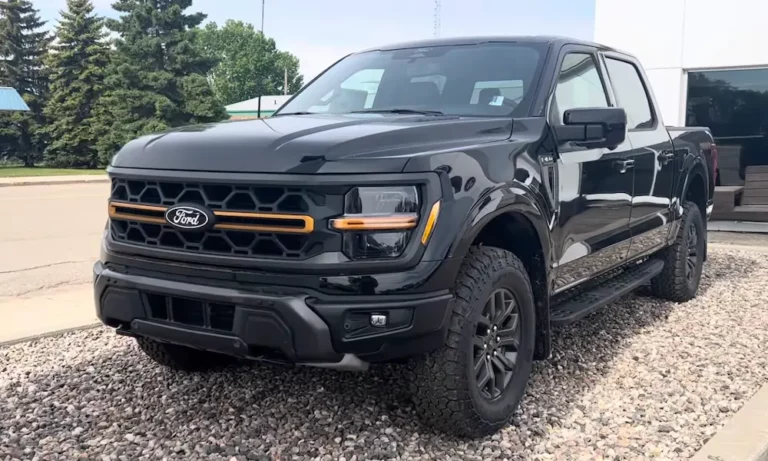
Your F-150 is already a beast — but you know it can do more. Whether you’re chasing more horsepower, better off-road capability, or a meaner exhaust note, the right Ford F-150 performance upgrades can transform your truck from capable to seriously impressive. This guide breaks down every major upgrade path, so you can build smarter, not just faster.
Know Your Engine Before You Spend a Dime
Every great build starts with understanding what’s under the hood. The F-150 (2015–2024) comes with four main engine options, and your upgrade path depends entirely on which one you’ve got.
| Engine | Power | Torque | Best Upgrade Path |
|---|---|---|---|
| 5.0L Coyote V8 | 395–400 HP | 400–410 lb-ft | Supercharger, E85 tune |
| 3.5L EcoBoost V6 | 375–400 HP | 470–500 lb-ft | ECU tune, turbo upgrade |
| 2.7L EcoBoost V6 | 325 HP | 400 lb-ft | Stage tune, intake |
| 3.5L PowerBoost Hybrid | 430 HP | 570 lb-ft | Tune, intercooler cooling |
The 3.5L EcoBoost’s twin-turbo architecture gives it a flat torque curve that peaks low in the RPM range — great for towing and quick acceleration. The 5.0L Coyote is a high-revving naturally aspirated engine that loves top-end power and responds incredibly well to forced induction.
ECU Tuning: The Cheapest Horsepower You’ll Ever Buy
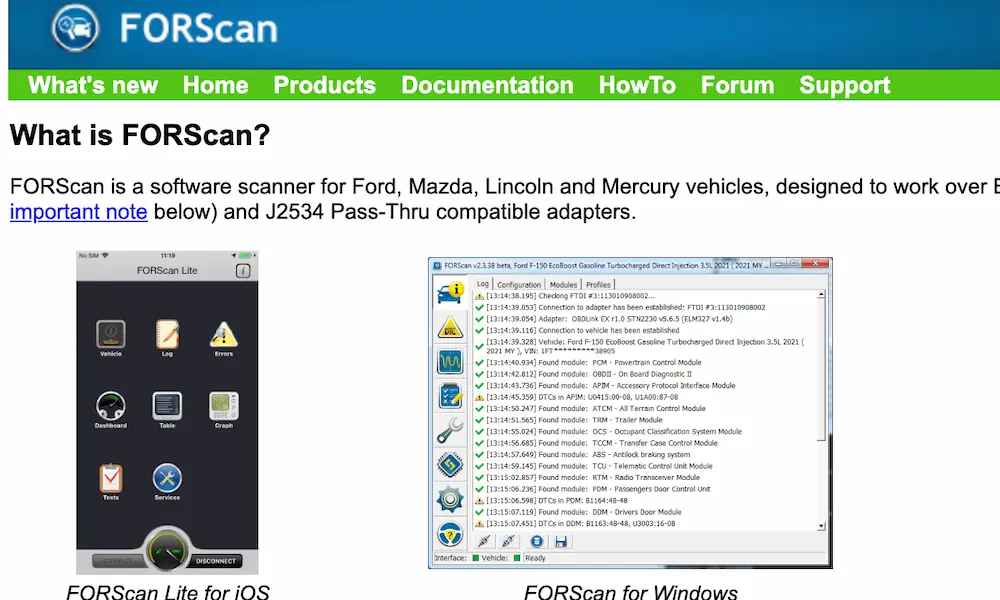
If you want the best return on investment for Ford F-150 performance upgrades, start with an ECU tune. Factory calibrations are deliberately conservative — they’re built to handle bad fuel, extreme weather, and tight emissions rules. A custom tune unlocks what’s already there.
EcoBoost Tuning Gains
For the 2.7L and 3.5L EcoBoost engines, tuning manipulates wastegate duty cycles to increase boost pressure and smooth out turbo transitions. The gains are real and immediate.
| Tune | Engine | HP Gain | Torque Gain |
|---|---|---|---|
| Pulsar XT (2024+) | 3.5L EcoBoost | +65 HP | +90 lb-ft |
| Pulsar XT (2024+) | 2.7L EcoBoost | +30 HP | +51 lb-ft |
| Ford Performance ProCal | 3.5L EcoBoost | +55 HP | +100 lb-ft |
| SCT X4 w/ 5-Star | 5.0L Coyote | +25 HP | +30 lb-ft |
| Cobb Accessport | 3.5L EcoBoost | +20–40 HP | +100 lb-ft |
Coyote Tuning and E85
The 5.0L can’t take boost in stock form, but it’s highly sensitive to ignition timing. High-performance tunes like the Oz Tuning Omega X use adaptive mapping to run any fuel grade from 87 octane to E85. E85 allows more aggressive timing and cooler combustion temperatures — a meaningful mid-range torque boost for a V8 that can feel sluggish at lower RPMs.
Cold Air Intakes and Exhaust: Let the Engine Breathe
More power needs more airflow. That’s what induction and exhaust upgrades deliver.
Cold Air Intakes
The factory airbox trades performance for noise suppression and packaging constraints. Performance cold air intakes from brands like aFe Power and S&B fix that by increasing filter surface area and using carbon fiber or XLPE tubes to keep intake air temperatures (IATs) low.
Closed vs. Open Airbox — Which One Should You Choose?
- Closed airbox: Pulls cooler outside air, keeps IATs down, protects against detonation. Best for performance and daily driving.
- Open airbox: Louder turbo “whistle” and induction sound. Best if you want that aggressive intake growl.
Lower IATs matter because a hot intake charge triggers the ECU to pull timing to protect the engine — which kills power. Keep it cool, keep the power.
Exhaust Upgrades
Exhaust modifications serve two goals: reduce backpressure and improve the truck’s sound. Here’s the breakdown:
| Exhaust Component | Acoustic Level | Performance Benefit |
|---|---|---|
| Cat-Back Touring (Borla) | Moderate | Drone-free highway cruising |
| Cat-Back Sport (Corsa) | Aggressive | Max flow, high-note tone |
| Resonator Delete | Moderate | Budget-friendly, more volume |
| Long-Tube Headers (Kooks) | Extreme | Max scavenging, high HP |
| MBRP Pre-Axle Duals | Loud | Aggressive tone, side exit |
Pro tip: If budget is tight, a resonator delete gives you a noticeably louder truck without the cost of a full cat-back system. It won’t move the power needle much, but your neighbors will know you’re home.
Superchargers and Turbo Upgrades: The Big Power Moves
This is where Ford F-150 performance upgrades get serious.
Supercharging the 5.0L Coyote V8
The Whipple Gen 6 3.0L twin-screw supercharger is the benchmark for the Coyote platform at over 800 horsepower. Twin-screw designs build boost from idle — critical for moving a 5,000-pound truck quickly. No waiting for RPMs to climb.
If you want power without voiding your warranty, the Ford Performance FP700S kit delivers 700 HP and 590 lb-ft, it’s 50-state street legal, and it comes with a 3-year/36,000-mile powertrain warranty when dealer-installed. The Roush Phase 1 kit hits 705 HP and focuses on a seamless OEM-style driving experience.
Turbo Upgrades for EcoBoost Engines
The factory BorgWarner turbos cap the 3.5L EcoBoost’s power ceiling. Upgraded turbos from Garrett (PowerMax) and CRP Engineering use larger billet compressor wheels and modified turbine housings to push far more air.
Dyno data from the CRP Stage 3 twin-turbo set shows over 520 RWHP on 93 octane — and up to 540 RWHP on E85. These builds need supporting mods: high-mount intercoolers from COBB or Mishimoto are non-negotiable to prevent heat soak during hard pulls.
Transmission and Drivetrain: Don’t Let the Weak Links Break
Adding 200–400 extra horsepower stresses your drivetrain — especially the 10R80 10-speed automatic. This transmission has documented weak points under extreme torque: premature clutch wear, valve body issues, and torque converter failures.
Here’s how to handle it:
- Stage 1 Build: High-capacity clutches and recalibrated valve bodies for builds up to 650–700 HP. Increased line pressure means firmer clutch engagement and less heat buildup.
- Stage 2 Build: Billet input and output shafts for builds over 800 HP. Eliminates mechanical failure points entirely.
- Intermediate Option: A deep transmission pan from PPE improves fluid cooling and shift consistency without a full rebuild.
Re-Gearing for Bigger Tires
Running 35-inch tires without re-gearing is like driving with one hand tied behind your back. Oversized tires lower your effective final drive ratio, pushing the engine outside its ideal powerband.
Moving from a 3.31 or 3.55 ratio to a 4.10 or 4.56 ratio restores mechanical advantage, improves acceleration, and reduces unnecessary transmission stress. Pair that with a Detroit TrueTrac limited-slip differential from Eaton and you’ve got traction and power working together.
Suspension Upgrades: From Street to Desert Runner
The right suspension setup depends entirely on what you’re doing with your truck.
| Suspension Type | Lift Range | Wheel Travel | Best For |
|---|---|---|---|
| Leveling Kit | 1.5–2.5″ | Stock | Daily driving, light trails |
| Mid-Travel | 2.0–3.0″ | +1–2″ over stock | Overlanding, moderate off-road |
| Lift Kit (4–6″) | 4.0–6.0″ | Stock | Ground clearance, mud/snow |
| Long-Travel | 4.0″+ | 10–16″ | Desert racing, pre-running |
Leveling kits raise the front 1.5 to 2.5 inches to match the rear. They’re affordable and fit 33-inch tires, but they reduce suspension droop and increase CV axle angle.
Long-travel systems replace both upper and lower control arms with wider components — often increasing track width by several inches. You get 10 to 16 inches of wheel travel for high-speed desert running. The catch? You’ll need fiberglass fenders to cover the wider stance.
Brakes: Because All That Power Has to Stop Somewhere
More power plus bigger tires equals a braking system that’s working much harder. A 35-inch tire acts like a longer lever against the rotor — demanding significantly more clamping force.
For towing duty, the PowerStop Z36 “Truck and Tow” kit uses carbon-fiber ceramic pads that hold friction even under heat, plus drilled and slotted rotors that vent heat fast to prevent brake fade.
For high-performance street use, a Big Brake Kit from Alcon, Brembo, or Wilwood gives you 6 or 8-piston calipers with oversized rotors. Alcon’s iron-alloy calipers handle heat better than aluminum alternatives — consistent pedal feel even during hard track sessions.
Performance Upgrades and Your Warranty: What the Law Actually Says
Here’s the good news: the Magnuson-Moss Warranty Act of 1975 protects you. A manufacturer can’t void your warranty just because you’ve installed an aftermarket part. They have to prove the aftermarket part specifically caused the failure.
That said, ECU tuning is the gray area. If your engine fails and shows a modified calibration, a dealer can argue the engine ran outside its designed limits. To sidestep this risk, stick with Ford Performance-backed calibrations or dealer-installed supercharger kits that carry their own warranty coverage.
The Trade-Off: Fuel Economy After Modifications
Every performance gain comes with a fuel economy conversation. Here’s what to expect:
- 6-inch lift + 35-inch mud tires: Expect to lose 3–5 MPG on the highway due to increased frontal area and rolling resistance.
- ECU tunes: Can actually improve MPG slightly by optimizing shift points and reducing open-loop fuel enrichment during normal driving.
- Tonneau cover: Improves airflow over the bed for a minor highway MPG gain. Roof racks and bug shields do the opposite — they create drag.
- Aerodynamic mods: Fender flares and external accessories add turbulence at speed, which hurts efficiency more than most people realize.
Build Smart: Balance the Whole Truck
The biggest mistake F-150 builders make is chasing horsepower without strengthening the supporting systems. A 700 HP tune on a stock 10R80 is a warranty claim waiting to happen. A 6-inch lift with 35s and no re-gear is slow, uncomfortable, and hard on the drivetrain.
The best Ford F-150 performance upgrades respect the whole system. Tune the ECU, feed it cool air, let it breathe through a quality exhaust, support it with a built transmission, match the gearing to your tires, and give it the brakes to match the power. That’s how you build an F-150 that’s fast, reliable, and actually fun to drive — every single day.