Got a letter from Ford about a “Customer Satisfaction Program” and wondering what it actually means? Or maybe you paid for a repair that Ford is now fixing for free. Either way, you’re in the right place. This guide breaks down exactly how the Ford customer satisfaction program works, what you’re entitled to, and how to make sure you don’t miss out. Read to the end — there’s money on the table.
What Is a Ford Customer Satisfaction Program?
A Ford customer satisfaction program is a voluntary fix that Ford offers when something isn’t quite right with your vehicle — but it’s not serious enough to trigger a mandatory safety recall.
Think of it this way: a safety recall addresses something that could genuinely hurt you. A customer satisfaction program addresses something that annoys you, degrades your vehicle’s performance, or affects its long-term reliability.
These programs are Ford’s way of saying, “We know this isn’t perfect, and we’ll fix it for free.”
Unlike safety recalls, customer satisfaction programs have expiration dates. Miss the window, and the repair cost falls on you.
How Ford Classifies Its Fix Programs
Ford groups all post-sale vehicle fixes under the umbrella of “Field Service Actions.” Each type gets a letter prefix that tells you everything about its urgency and cost.
| Program Prefix | Type | Key Details |
|---|---|---|
| S | Safety Recall | No expiration. Free. Mandatory. |
| C | Compliance Recall | No expiration. Free. Federally required. |
| E | Emissions Recall | No expiration. Environmental compliance. |
| B | Customer Satisfaction | Has an expiration date. Usually free. |
| N | Extended Warranty | Multi-year or high-mileage coverage window. |
| P | Product Improvement | Minor fix, often done during other service visits. |
If your letter starts with B, you’re looking at a customer satisfaction program. If it starts with S, it’s a full safety recall with no deadline.
The biggest mistake owners make? Treating a B-program like a recall. They assume it’ll wait forever. It won’t.
Why Customer Satisfaction Programs Expire (And Why That Matters)
Safety recalls stay on your VIN forever. A customer satisfaction program does not.
Ford sets time and mileage limits based on how severe the issue is and how long the affected parts typically last. A software bug in your infotainment system might have a 12-month window. An engine-related concern might cover you for a decade or 150,000 miles.
Once the program expires, Ford won’t cover the repair cost. You pay out of pocket.
Here’s what to do right now:
- Check your VIN on the Ford Recall Page to see if any active programs are tied to your vehicle
- Read every letter Ford mails you — they include program codes, expiration terms, and sometimes a reimbursement PIN
- Check the FordPass app — there’s a Customer Satisfaction Program tile that shows active alerts for your specific vehicle
Real Examples of Current Ford Customer Satisfaction Programs
These aren’t hypothetical. Here are live programs that show the range of issues these initiatives cover.
Program 24B50 — SYNC Infotainment Issues
This software-based program targets black screens, incorrect language settings, and rearview camera failures in the SYNC system. Ford can push the fix over-the-air when your vehicle is parked and connected to Wi-Fi. The whole installation takes up to four hours, but you can schedule it overnight through the FordPass app.
Program 23B50 — Stuck Charge Cord (EV Models)
This program reprograms the Battery Charge Control Module on select electric vehicles to prevent charge cords from getting physically stuck in the port. It covered the 2021–2023 Mustang Mach-E, 2022–2023 E-Transit, and 2023 F-150 Lightning. A software fix handled thousands of vehicles without a single dealership visit.
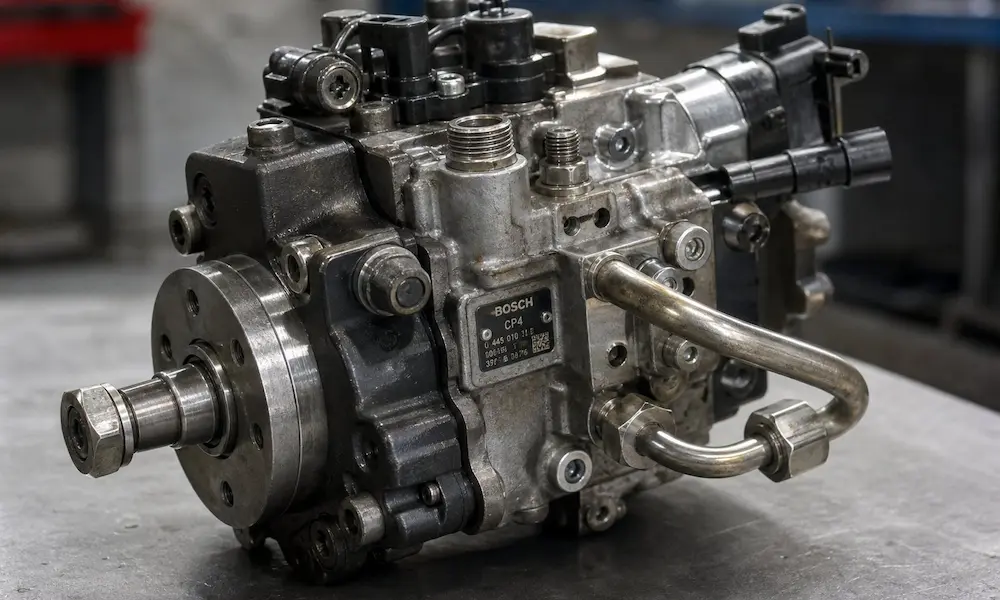
Program 24N12 — Engine Long Block Replacement
This is one of Ford’s most generous extended warranty programs. It covers a one-time, no-cost engine long block replacement if an engine valve breaks and drops into a cylinder.
| Coverage Detail | Program 24N12 Terms |
|---|---|
| Duration | 10 years from warranty start date |
| Mileage limit | 150,000 miles |
| Transition window | Over-limit vehicles covered through June 30, 2026 |
| Prerequisite | Must complete the 24S55 engine valve inspection first |
| Transferability | Moves automatically to new owners |
Affected vehicles include the 2021–2022 Ford Bronco, F-150, Explorer, and Lincoln Aviator and Nautilus.
Program 24B57 — F-150 Marketing Correction
This one’s unusual. Program 24B57 wasn’t triggered by a broken part. Ford’s marketing materials incorrectly described the towing capacity and rear bumper configuration on certain 2024 F-150s. The “upgraded rear bumper” was listed as standard in Tow/Haul packages, but it only came on trucks with the Max Trailer Tow Axle.
Ford’s fix? Cash credits. Gas-only F-150 owners (5.0L and 3.5L) got a $100 Ford Accessories credit. Owners of the 3.5L Hybrid received a $785 credit — redeemable on Ford Accessories including shipping and installation.
Program 24P28 — A/C Compressor Inspection
This program targeted over 137,000 Super Duty and Transit vehicles in the U.S. Technicians run a detailed diagnostic test with the engine at specific RPM levels to verify whether the A/C compressor performs properly under thermal load.
| Inspection Stage | Engine Speed | Purpose |
|---|---|---|
| Initial Stabilization | Idle | Baseline reading |
| Incremental Load 1 | 1,000 RPM | Monitor evaporator temp |
| Incremental Load 2 | 1,500 RPM | Monitor evaporator temp |
| High Load Verification | 2,000 RPM | Monitor evaporator temp |
| Thermal Recovery | Idle (5 min) | Check cooling efficiency |
| Cyclic Stress Test | 2,000 RPM / Idle × 3 | Total test ~50 minutes |
A compressor fails the test only if its evaporator temperature stays above the target threshold — which means Ford isn’t replacing working parts, just the ones that actually need it.
Did You Already Pay for a Repair Ford Is Now Covering?
You might be owed a refund.
If you paid for a repair before Ford officially announced the customer satisfaction program, and the repair matches what the program covers, Ford will reimburse you. Here’s how the process works:
| Step | What You Do |
|---|---|
| Verify eligibility | Enter your VIN on the Ford Recall Page |
| Get your PIN | Check your mailed letter for an 8-digit Personal Identification Number |
| Submit your claim | Use the Ford Ownership Care Reimbursement website |
| Upload your receipts | Provide original paid invoices showing the specific repair |
| Lost your letter? | Enter your VIN on the reimbursement site to request a replacement PIN |
One important caveat: Ford only reimburses the specific repair covered by the program. If your receipt includes an oil change and a tire rotation alongside the covered repair, only the covered portion gets refunded. Keep itemized invoices.
Repairs done by non-authorized shops after the announcement date may also be excluded — unless you had an emergency situation that made a dealership visit impossible.
How Ford Delivers the Repairs
Ford has made it easier than ever to get these programs completed without blowing up your schedule.
Over-the-Air Software Updates
For software-based programs like 24B50, Ford can deliver the fix directly to your vehicle through a cellular modem or home Wi-Fi. You don’t need to visit anyone. Just park the car, leave it overnight, and it updates itself. You can schedule the install through the FordPass app or the vehicle’s own interface.
Mobile Service
For modules and minor inspections, Ford Mobile Service sends a trained technician to your home or workplace. They connect a diagnostic computer to your vehicle and handle the whole thing in your driveway.
Pickup and Delivery
For longer repairs, many dealerships will collect your vehicle, do the work, and return it to you. No waiting room required.
Rental Vehicles
For multi-day repairs — like the engine long block replacement under 24N12 — dealers are pre-approved to provide rental vehicles for the days your truck is actually in the shop.
| Service Option | What It Covers |
|---|---|
| Over-the-air update | Software and module fixes |
| Ford Mobile Service | Diagnostics and light reprogramming at your location |
| Pickup & delivery | Dealer collects and returns your vehicle |
| Rental pre-approval | Covers specific multi-day mechanical repairs |
What Happens When You Sell the Vehicle
Customer satisfaction programs travel with the VIN, not the owner.
If you sell your Ford or Lincoln, the new owner inherits any open programs — and they’re entitled to the same free repair, as long as the program hasn’t expired. This is actually a selling point. A vehicle with documented, completed service actions from the manufacturer shows the buyer that the car received proper care.
Checking for open recalls and programs is something both buyers and sellers should do before any used car transaction. NHTSA maintains a public database you can search by VIN at no cost.
Even vehicles with branded or salvage titles remain eligible for most satisfaction programs. The exception is the engine long block program 24N12, where vehicles with canceled warranties or specific title branding may not qualify — worth confirming directly with your dealer.
How to Stay on Top of Your Programs
Missing a customer satisfaction program deadline is an easy and expensive mistake. Here’s a simple routine to prevent it:
- Check your VIN twice a year — use both the Ford Recall Page and NHTSA’s recall database
- Keep FordPass connected — the app’s Customer Satisfaction Program tile surfaces new alerts automatically
- Open every letter from Ford — even if it looks like junk mail, it might contain a reimbursement PIN or an expiration deadline
- Save all your repair receipts — itemized invoices from past service visits protect you if a new program matches something you already fixed
- Use authorized dealerships only — repairs done elsewhere may not be recorded correctly against your VIN or eligible for reimbursement
The Ford customer satisfaction program system is actually built to help you. But it only works if you show up before the clock runs out.