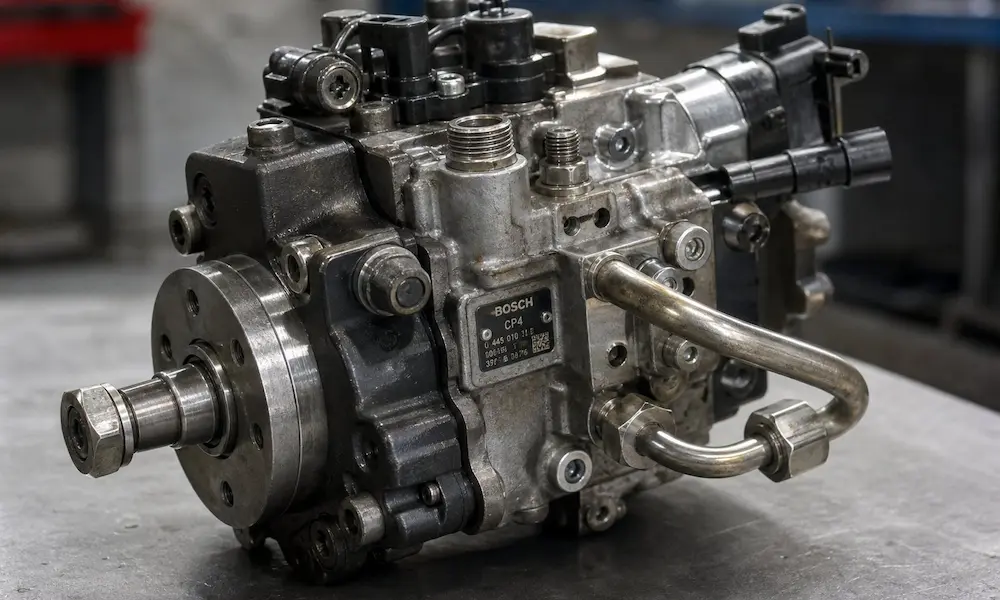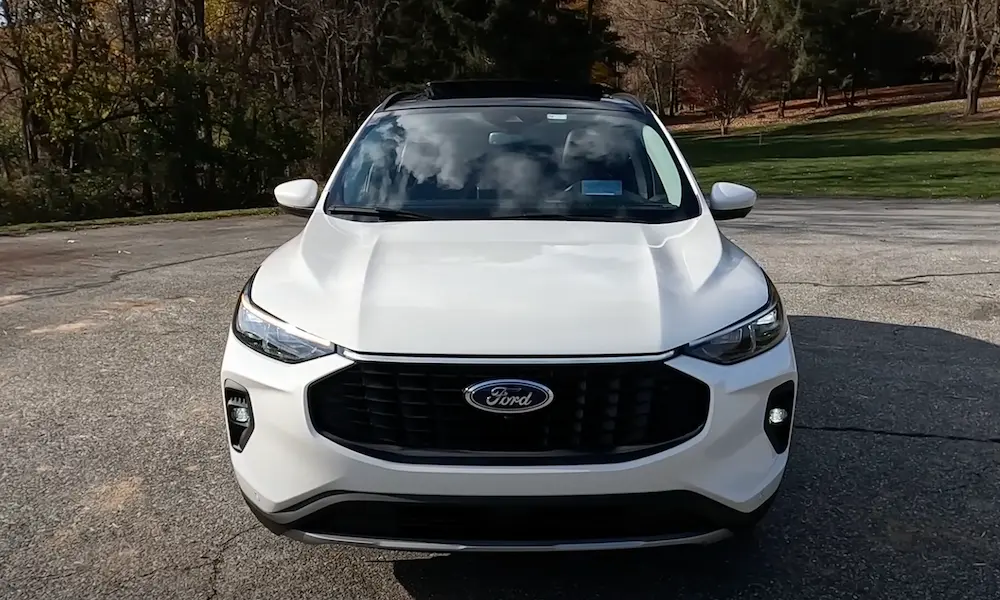
Got a Ford that keeps breaking down despite multiple repair visits? The Ford repurchase program might get your money back. This guide covers exactly how the program works, what you qualify for, and how to avoid leaving cash on the table. Read to the end — there’s a money calculation section most owners completely miss.
What Is the Ford Repurchase Program?
The Ford repurchase program — also called a lemon law buyback — is Ford’s legally required process for rebuying vehicles with serious, unfixable defects. It’s not a favor. It’s a right.
When your Ford has a defect that significantly affects its safety, use, or value, and Ford’s dealerships can’t fix it after multiple attempts, the Ford repurchase program kicks in. Ford buys back your vehicle and refunds most of what you paid.
Two laws back this up:
- State lemon laws — Each state sets its own rules for what counts as a “lemon” and what Ford must pay you.
- The federal Magnuson-Moss Warranty Act — This federal law holds manufacturers to their written warranties and can force Ford to cover your legal fees if you win.
| Legal Pillar | Jurisdiction | What It Does |
|---|---|---|
| State Lemon Laws | State level | Defines repair attempt thresholds and mandates buybacks |
| Magnuson-Moss Act | Federal | Enforces written warranties; shifts attorney fees to Ford |
| BBB Auto Line | National | Neutral third-party arbitration for warranty disputes |
Does Your Ford Actually Qualify?
Not every rattle or squeaky seat qualifies. Your defect must be a substantial impairment — meaning it seriously affects your vehicle’s safety, function, or resale value.
Defects That Usually Qualify
These systems are the most common triggers for a successful Ford repurchase claim:
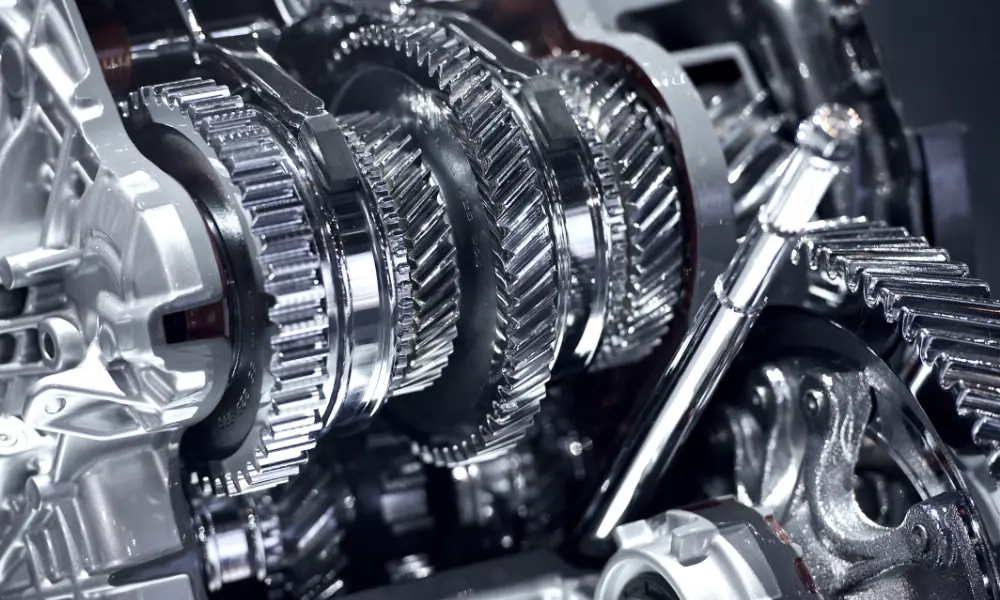
- Transmission problems — Violent jerking, failure to shift, or inability to engage gears
- Engine defects — Stalling, overheating, or excessive oil consumption
- Electrical/software failures — Non-functional safety systems, dead screens, or stranded drivers (especially relevant on the Mustang Mach-E)
- Braking or steering failures — Anything that creates an immediate safety risk
Safety Defects Move Faster
There’s an important split here. A broken air conditioner is a functional impairment. A brake failure is a safety hazard. Safety defects often qualify after just one or two failed repair attempts. Functional defects usually need four or more.
This isn’t random — the law prioritizes getting dangerous vehicles off the road quickly.
How Many Repair Attempts Do You Need?
The Ford repurchase program doesn’t activate because your car has a problem. It activates because Ford can’t fix the problem.
The Four-Times Test
Most states use this standard. If you’ve taken your Ford to an authorized dealership four times for the exact same issue and it still isn’t fixed, you likely qualify. Some states require fewer attempts — as low as two or three — for serious mechanical failures.
The 30-Day Test
Didn’t hit four visits yet? You may still qualify. If your Ford spent 30 or more cumulative days in the shop during the first year or within the warranty period, that also triggers repurchase eligibility — regardless of how many separate visits it took.
Repairs Must Be at Authorized Dealerships
This part catches people off guard. Every repair attempt you count toward your claim must happen at an authorized Ford dealership. The federal Magnuson-Moss Act lets you use independent shops for routine maintenance without voiding your warranty — but for a lemon law claim, the manufacturer needs the chance to apply its own diagnostic tools and fix the issue first.
The Step-by-Step Repurchase Process
Ford lays out a clear three-step internal process. Follow it in order. Skipping steps can weaken your claim.
Step 1: Talk to the Dealership Staff
Start with your Sales Representative or Service Advisor. Document every conversation. The goal here is letting the dealership attempt a fix with standard repair protocols.
Step 2: Escalate to Dealership Management
If the problem isn’t resolved, go to the Service Manager or Customer Relations Manager. They have more authority — and can coordinate with Ford’s regional technical experts for tougher issues.
Step 3: Contact the Ford Customer Relationship Center
This moves your complaint into Ford’s corporate system. A regional representative reviews your vehicle’s repair history and decides whether to offer a voluntary buyback, a replacement, or other assistance.
Formal Written Notice
If those three steps fail, send Ford a certified letter with return receipt requested. This is your official demand for a repurchase. In many states, this triggers one final mandatory repair attempt before you can proceed to arbitration or court.
| Step | Action | Who You Contact |
|---|---|---|
| 1 | Initial repair attempt | Service Advisor |
| 2 | Escalate unresolved issue | Service/Sales Manager |
| 3 | Corporate review | Ford Customer Relationship Center |
| 4 | Written demand for buyback | Ford Corporate via certified mail |
| 5 | Third-party resolution | BBB Auto Line or court |
What Money Do You Actually Get Back?
This is where most owners lose out. The Ford repurchase program aims to restore you to your pre-purchase financial state — but the exact amount depends on what you claim and what gets deducted.
What’s Included in Your Refund
A complete settlement typically covers:
- Your down payment
- All monthly loan or lease payments made
- The full outstanding loan balance
- Interest paid on your loan
- Sales tax, title, and registration fees
- Manufacturer-backed service contracts
- Incidental costs — towing, rental cars, rideshares during breakdowns
The Mileage Offset (This Is the Deduction You Need to Know)
Ford won’t refund 100% of your purchase price. They’ll subtract a usage fee based on how much you drove the car before you first reported the defect.
Here’s the formula most states use:
(Miles at first repair attempt ÷ 120,000) × Purchase Price = Deduction
For example: You bought a Ford for $40,000. You first reported the transmission problem at 6,000 miles.
- 6,000 ÷ 120,000 = 5%
- 5% × $40,000 = $2,000 deduction
- You’d receive $38,000
The key detail: the mileage offset uses the odometer reading at your first repair visit — not the miles you accumulated while the car sat in the shop, and not the miles driven after you reported the issue.
What About Trade-Ins?
- Positive equity on your trade-in → Treated like a cash down payment. You get it back.
- Negative equity on your trade-in → Ford doesn’t cover it. That debt was yours before you bought this vehicle, and it stays yours.
BBB Auto Line: Your Arbitration Option
If Ford’s internal process fails you, BBB Auto Line offers neutral arbitration — faster and less expensive than court.
A BBB dispute resolution specialist first tries mediation. If that doesn’t work, an independent arbitrator reviews your repair records and testimony. They can award repairs, reimbursements, a replacement vehicle, or a full repurchase.
Filing Deadlines by Brand
Miss these windows and you lose your arbitration rights (though court claims may still be possible under your state’s statute of limitations).
| Brand | Mileage Limit | Time Limit |
|---|---|---|
| Ford | 36,000 miles | 3 years |
| Mercury | 36,000 miles | 3 years |
| Lincoln | 50,000 miles | 4 years |
How State Laws Change the Rules
State lemon laws vary significantly. Here’s a quick breakdown of key states:
California — The most consumer-friendly state. The Song-Beverly Consumer Warranty Act presumes a lemon after 4 repair attempts or 30 days out of service within the first 18 months or 18,000 miles. Ford typically pays your attorney fees too.
Texas — Uses three tests: the four-times test, the 30-day test, and a serious safety hazard test. The safety hazard test can trigger a buyback after just two failed repair attempts within the first 24 months or 24,000 miles.
Florida — Covers the first 24 months after delivery. Florida requires you to send written notice after three failed attempts, giving Ford one final repair shot before a buyback is mandatory.
Tennessee — Uses the same 120,000-mile formula for the mileage deduction. Leased vehicles are explicitly covered, and lease payments are included in your refund calculation.
How to Get the Best Outcome
Having a defective car isn’t enough. You also need a well-documented case.
Write Detailed Repair Orders
Your repair order is your most important document. Don’t let a service advisor write vague notes. Push for specific language like “transmission jerks violently when accelerating from a stop” — not “customer reports rough ride.” When you pick up your car, check the technician’s notes carefully. If it says “could not duplicate” and your problem clearly still exists, push back in writing immediately.
Consider Hiring a Lemon Law Attorney
Most lemon law attorneys work on a no-win, no-fee basis because state laws require Ford to pay legal fees when you win. They’re also skilled at catching tricks like Ford calculating the mileage offset from the buyback date instead of the first repair date — a move that inflates your deduction and reduces your refund.
Returning the Vehicle the Right Way
When you surrender the car, treat it like a business transaction:
- Remove all personal belongings
- Bring all keys and accessories
- Keep the car clean to avoid deductions for excessive wear
- Do a walk-around with a dealership rep
- Get a signed copy of the odometer statement and vehicle condition report
What Happens to Your Ford After the Buyback?
Your repurchased Ford doesn’t just disappear. Ford’s Reacquired Vehicle program processes these vehicles for resale — after certified technicians repair the original defect using OEM parts.
Vehicles that can’t be brought up to standard get recycled. The ones that pass get resold, usually at a significant discount compared to standard used vehicles.
Branded titles: Many states require the title to be marked as a lemon law buyback. This alerts future buyers, lowers resale value — and creates a real opportunity for budget buyers who want a repaired Ford at a lower price.
Warranty coverage: Reacquired vehicles come with either the remaining original factory warranty or a dedicated 12-month/12,000-mile limited warranty — whichever is longer. Ford stands behind the repair.