Wonder why your Honda sometimes feels different when cruising on the highway? That slight change in engine feel isn’t your imagination—it’s Honda’s cylinder deactivation technology at work. This innovative yet controversial system affects thousands of Honda V6 vehicles, promising better fuel economy but sometimes creating unexpected issues for owners. Let’s dive into what you need to know about this technology.
What Is Honda Cylinder Deactivation?
Honda cylinder deactivation, officially called Variable Cylinder Management (VCM), is a fuel-saving technology that temporarily shuts down some engine cylinders when full power isn’t needed. Instead of all six cylinders firing constantly, your engine might run on just three cylinders during highway cruising or light acceleration.
The system works by cleverly disengaging the valve operation in specific cylinders. When deactivated, the valves remain closed, creating an air spring as the pistons continue to move up and down without burning fuel. This reduces fuel consumption while maintaining enough power for steady driving conditions.
Honda first introduced VCM in the 2005 Accord Hybrid and later expanded it to popular models like the Odyssey minivan, Pilot SUV, and other V6-powered vehicles.
How Does Honda’s VCM System Operate?
The VCM system uses Honda’s i-VTEC (intelligent Variable Valve Timing and Lift Electronic Control) technology to control which cylinders fire. Here’s how it works:
- Cylinder Selection: The engine control unit determines when conditions are right for deactivation
- Valve Control: Solenoids redirect oil pressure to special rocker arms
- Deactivation Process: Pins in these rocker arms disengage, preventing the valves from opening
- Transition Management: The system smoothly shifts between full power and reduced cylinder operation
To counteract the vibrations that naturally occur when running on fewer cylinders, Honda equipped VCM vehicles with specialized hardware:
- Active Control Engine Mounts (ACM): These electronically controlled mounts adjust their stiffness to cancel out engine vibrations
- Active Noise Cancellation (ANC): The audio system detects and neutralizes unwanted engine sounds
- Throttle Adjustments: The computer fine-tunes throttle response during cylinder transitions
The system typically activates when you’re maintaining steady speeds between 35-65 mph or during gentle acceleration—conditions where full engine power isn’t necessary.
Benefits of Honda’s Cylinder Deactivation
Improved Fuel Economy
The primary advantage of VCM is better fuel efficiency. By temporarily running on fewer cylinders, your Honda can save significant fuel during highway driving. Honda claims this technology improves fuel economy by approximately 5-12% compared to similar engines without cylinder deactivation.
This table shows how VCM affects fuel economy in popular Honda models:
| Honda Model | Without VCM (Est. MPG) | With VCM (MPG) | Improvement |
|---|---|---|---|
| Accord V6 | 19/28 | 21/32 | ~10% |
| Odyssey | 18/25 | 19/28 | ~7% |
| Pilot | 17/23 | 18/25 | ~6% |
Reduced Emissions
Beyond saving fuel, VCM helps reduce carbon emissions. When running on fewer cylinders, the engine produces less carbon dioxide and other pollutants. This helps Honda meet increasingly strict environmental regulations while still offering V6 power when needed.
Power When You Need It
Unlike smaller four-cylinder engines that might struggle when quick acceleration is needed, VCM gives you the best of both worlds. You get V6 power for merging onto highways or climbing hills, but four-cylinder efficiency during relaxed driving.
Common Problems with Honda’s VCM System
Despite its benefits, Honda’s cylinder deactivation has become notorious for several reliability issues that have frustrated many owners.
Oil Consumption Issues
One of the most common complaints about VCM-equipped Hondas is excessive oil consumption. When cylinders deactivate, the pistons continue moving without combustion, which can cause:
- Oil passing by piston rings into combustion chambers
- Increased oil burn rate (sometimes exceeding 1 quart per 1,000 miles)
- Need for frequent oil top-offs between changes
This oil consumption issue stems from the temperature changes that occur when cylinders repeatedly switch on and off.
Vibration and Noise Problems
Many owners report unwanted vibrations when the VCM system activates. While Honda installed special engine mounts and noise cancellation systems to counteract these effects, these components often fail over time:
- Engine mounts wear out prematurely (sometimes before 100,000 miles)
- Vibrations become more noticeable as parts age
- Drivers experience a distinct shudder when the system transitions between modes
Reddit discussions reveal that motor mount replacements have become a “rite of passage” for many Odyssey and Pilot owners.
Premature Component Failures
The constant switching between operation modes puts additional stress on engine components:
- Spark plug fouling: Oil consumption leads to fouled plugs
- Piston ring wear: Uneven temperatures cause accelerated ring wear
- Rocker arm issues: VCM rocker arms can stick or fail
- VCM solenoid problems: Oil leaks into electrical connectors
These issues have prompted Honda to issue multiple Technical Service Bulletins (TSBs) addressing various VCM-related problems.
How to Identify if Your Honda Has VCM
Not sure if your Honda has cylinder deactivation? Here’s how to tell:
- Check your model: V6-powered Hondas made after 2005 likely have VCM
- Look for the “ECO” light: An ECO indicator on the dashboard that illuminates during efficient driving typically indicates VCM
- Listen for changes: A slight change in engine sound when maintaining steady highway speeds
- Check your owner’s manual: It will specify if your vehicle has Variable Cylinder Management
- VIN lookup: A Honda dealer can confirm if your specific vehicle has VCM based on your VIN
Which Honda Models Use Cylinder Deactivation?
VCM has been implemented across Honda’s V6 lineup over several generations:
First-Generation VCM (2005-2007)
- Honda Accord Hybrid (3.0L V6)
Second-Generation VCM-2 (2008-2015)
- Honda Accord V6
- Honda Odyssey
- Honda Pilot
- Honda Ridgeline
Third-Generation VCM-3 (2016-Present)
- Honda Accord V6 (until 2018)
- Honda Odyssey
- Honda Pilot
- Honda Passport
- Honda Ridgeline
The system has evolved over time, with the latest versions attempting to address some of the earlier problems.
Solutions for VCM-Related Issues
If you’re experiencing problems with your Honda’s cylinder deactivation system, several options exist:
Dealer Service and TSBs
Honda has released multiple Technical Service Bulletins addressing VCM issues:
- Software updates: Newer ECU programming can reduce the frequency of cylinder deactivation
- Improved parts: Updated piston rings and engine mounts with better durability
- Extended warranties: Some model years received extended coverage for VCM-related failures
Contact your Honda dealer to check if any TSBs apply to your vehicle.
Aftermarket VCM Disablers
Many owners opt to prevent the system from activating entirely. Two main types of VCM inhibitors exist:
- Resistor-based modules: Simple devices like the “VCMuzzler” that manipulate sensor readings to prevent deactivation
- Active controllers: More sophisticated devices like the S-VCM Controller that dynamically adjust based on conditions
These devices typically connect to the Engine Coolant Temperature (ECT) sensor, tricking the computer into thinking the engine isn’t warm enough for cylinder deactivation.
Maintenance Practices to Reduce VCM Issues
If keeping your VCM system active, these maintenance tips can help minimize problems:
- Use high-quality synthetic oil and change it more frequently (every 5,000 miles)
- Replace spark plugs at shorter intervals than recommended
- Check oil levels regularly between changes
- Replace engine mounts at the first sign of excessive vibration
- Keep the ECU updated with the latest Honda software
The Future of Honda Cylinder Deactivation
Honda continues to refine its cylinder deactivation technology. Recent developments include:
- Simplified operation: Newer VCM-3 systems eliminate the 4-cylinder mode, reducing complex transitions
- Improved components: Better piston rings and oil control systems reduce consumption
- More selective activation: Updated software activates VCM less frequently in problematic conditions
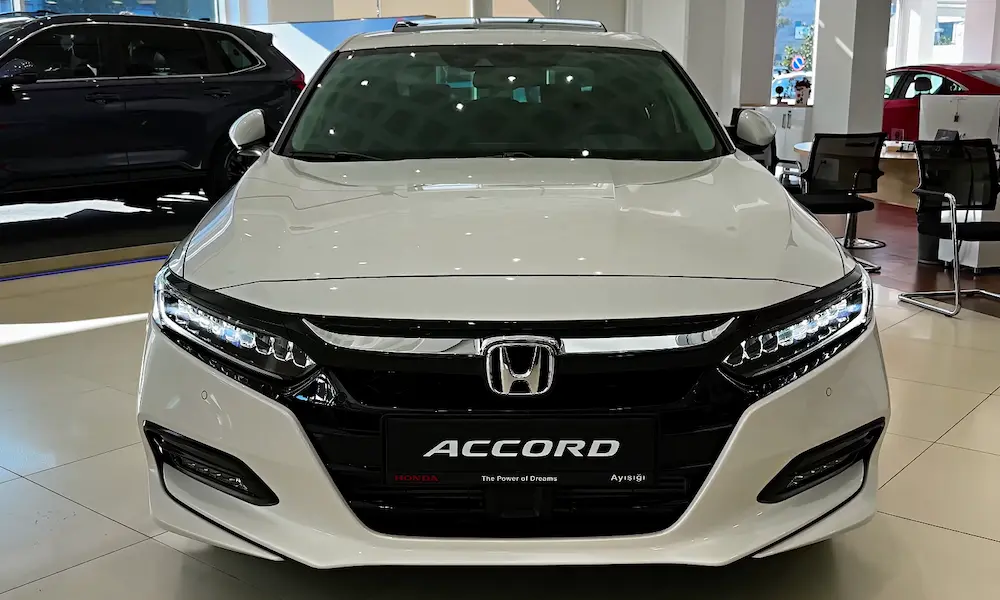
However, Honda has also begun moving away from V6 engines in some models. The latest Accord, for example, replaced its VCM-equipped V6 with turbocharged four-cylinder engines that don’t use cylinder deactivation.
Is Honda Cylinder Deactivation Worth It?
The value of VCM depends on your priorities and driving habits:
Consider Keeping VCM Active If:
- Fuel economy is your top priority
- You mainly drive highway miles at steady speeds
- Your vehicle hasn’t shown any VCM-related issues
- Your Honda is still under warranty
Consider Disabling VCM If:
- You’re experiencing excessive oil consumption
- Your vehicle vibrates noticeably during cruising
- You’ve had multiple VCM-related repairs
- You plan to keep your Honda beyond 100,000 miles
- Engine reliability is more important than fuel savings
Comparing Honda’s System to Other Manufacturers
Honda isn’t the only automaker using cylinder deactivation. Here’s how their system compares:
| Manufacturer | System Name | Implementation | Common Issues |
|---|---|---|---|
| Honda | VCM/i-VTEC | Deactivates entire bank of cylinders | Oil consumption, vibration |
| GM | Active Fuel Management | Solenoid-controlled lifters | Lifter failures, oil consumption |
| Chrysler | MDS | Solenoid-controlled lifters | Lifter wear, valve train noise |
| Mercedes | Cylinder on Demand | Camshaft movement | Generally more reliable |
Honda’s implementation differs from competitors mainly in how it controls valve operation, using its i-VTEC system rather than lifter-based methods.
Making an Informed Decision About Your Honda
If you own or are considering purchasing a Honda with VCM, remember:
- Understand the trade-offs: Better fuel economy comes with potential long-term reliability concerns
- Consider your driving habits: Highway cruisers benefit most from VCM’s fuel savings
- Research your specific model year: Some years have more reported issues than others
- Budget for possible repairs: Engine mounts and oil consumption may require attention as mileage increases
- Weigh the options: VCM disablers offer a middle ground between trading in your vehicle and accepting potential issues
While Honda’s cylinder deactivation technology represents impressive engineering, its mixed reputation among owners highlights the challenges of balancing efficiency with long-term durability.
The best approach is staying informed about how your specific vehicle is performing and addressing any symptoms quickly before they lead to more significant problems.