Choosing between AGM batteries vs lithium isn’t just about price tags—it’s about understanding what you’re really getting for your cash. Whether you’re powering an RV, boat, or solar setup, picking the wrong battery means wasted money and constant headaches. Let’s break down what actually matters so you can make a smart call.
What Makes These Batteries Different?
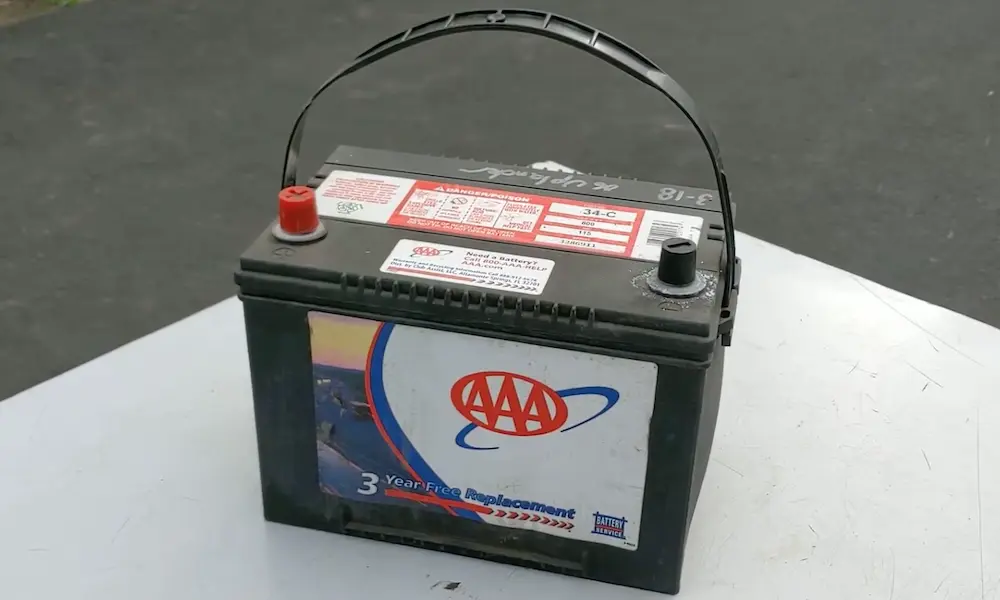
AGM (Absorbent Glass Mat) batteries are basically souped-up lead-acid batteries. The electrolyte—sulfuric acid—soaks into fiberglass mats, making them spill-proof and maintenance-free. This lead-acid chemistry has been around for over a century.
Lithium batteries, especially LiFePO4 (lithium iron phosphate), work completely differently. Lithium ions shuttle between electrodes through an electrolyte when charging and discharging. It’s modern tech designed for high-performance energy storage.
These different chemistries create wildly different performance profiles. Think of it like comparing a diesel truck to an electric vehicle—they both get you there, but the experience isn’t remotely the same.
How Long Will They Actually Last?
Here’s where things get interesting. AGM batteries typically last 3-5 years in normal conditions. Premium models might stretch to 7-10 years if you baby them. They handle 300-750 charging cycles before they’re toast.
Lithium batteries? They laugh at those numbers. You’re looking at 10-15 years or longer, with some premium options going even further. The real kicker is cycle life: lithium batteries can handle 4,000-15,000 charging cycles depending on the specific model.
Let’s talk real-world costs. Say you need a 48V system for 10 years. You’ll replace AGM batteries roughly three times, costing about $12,000 total. One lithium battery investment of $4,500 covers the entire decade. The math isn’t even close.
You Can’t Use All the Power You Paid For (With AGM)
This trips up a lot of people. AGM batteries max out at 50% depth of discharge. Go deeper, and you’re killing the battery’s lifespan. That means you only get to use half of what you paid for.
Lithium batteries don’t play that game. You can safely discharge 80-95% or even 100% depending on the model.
Here’s what that means in practice: To match one 100Ah lithium battery’s usable capacity, you need two 100Ah AGM batteries. Suddenly that $700 lithium battery doesn’t look so expensive compared to two $300 AGM batteries ($600 total). And you’re getting more usable power from day one.
Weight: Lithium Wins By a Landslide
If you’re hauling batteries in an RV, boat, or portable system, weight matters—a lot.
A 12V 100Ah AGM battery weighs 63-70 pounds. The equivalent lithium battery? Just 21 pounds. That’s roughly a 3.3:1 weight advantage.
Install multiple batteries and that weight difference becomes huge. Less weight means better fuel efficiency in your RV or boat. It means easier installation. It means you’re not killing your back every time you need to move batteries around.
Charging Speed: Fast vs Really Fast
AGM batteries need 5-8 hours for a full charge. Not terrible, but not great either.
Lithium batteries charge in 30 minutes to 2 hours depending on your charger. That’s game-changing if you’re running solar panels or need quick turnaround between uses.
The efficiency gap is equally impressive. AGM batteries operate at roughly 80% efficiency—meaning 20% of your energy vanishes as heat. Lithium batteries hit 92% efficiency or higher. For solar setups, that difference means more usable power from the same panels.
The Real Cost Breakdown
Let’s cut through the marketing hype and look at actual numbers.
Upfront Costs:
- 12V 100Ah AGM battery: $170-$300
- 12V 100Ah lithium battery: $190-$700
Looks expensive, right? But remember—you need two AGM batteries to match one lithium battery’s usable capacity. The upfront difference shrinks immediately.
Over 10 years, lithium batteries crush AGM in total cost of ownership. You’re not replacing batteries every few years. You’re not losing 20% of your energy to inefficiency. You’re not paying someone to install replacement batteries multiple times.
Here’s a comparison table that tells the real story:
| Factor | AGM (10 Years) | Lithium (10 Years) |
|---|---|---|
| Initial Purchase | $600 (2 batteries) | $700 (1 battery) |
| Replacements Needed | 2-3 times | 0 times |
| Total Battery Cost | ~$1,800-$2,400 | $700 |
| Energy Lost to Inefficiency | 20% | 8% |
| Installation Labor | 3-4 times | 1 time |
The numbers don’t lie. Lithium’s higher upfront cost pays for itself, usually within a few years.
Temperature Performance: Both Have Limits
AGM batteries work best around 77°F (25°C). Stray too far from that sweet spot and performance drops.
Hot weather kills AGM batteries fast. For every 15 degrees above 77°F, battery life gets cut in half. So that Arizona summer or Florida heat? It’s murdering your AGM battery.
Lithium batteries handle a broader range: -20°C to 60°C (-4°F to 140°F). But they don’t like charging in extreme cold. Some advanced lithium batteries include self-heating functions to handle freezing conditions, matching AGM’s cold-weather performance.
If you’re constantly operating in sub-zero temps without heated storage, AGM might edge ahead—unless you invest in lithium batteries with integrated heating.
Safety: Separating Facts From Fears
AGM batteries are inherently safe. They can’t catch fire or explode under normal use. Even if you overcharge them or damage them physically, the worst you’ll get is some hydrogen gas (which is why proper ventilation matters).
LiFePO4 lithium batteries get a bad rap they don’t deserve. The chemistry itself is incredibly stable. The thermal runaway temperature for LiFePO4 is around 518°F (270°C), compared to just 410°F (210°C) for other lithium chemistries.
Every lithium battery includes a Battery Management System (BMS) that monitors voltage, current, and temperature. This BMS prevents overcharging, over-discharging, and short circuits. It’s like having a smart guard watching your battery 24/7.
Modern LiFePO4 batteries manufactured to proper standards are extremely safe. The horror stories you’ve heard? They’re usually about cheap batteries without proper BMS or different lithium chemistries altogether.
Maintenance: What You’re Really Signing Up For
AGM batteries get marketed as “maintenance-free.” That’s technically true—you don’t need to add water like old-school lead-acid batteries. But “maintenance-free” doesn’t mean “no maintenance.”
You still need to:
- Check voltage periodically
- Ensure proper charging practices
- Monitor temperature conditions
- Avoid deep discharges
Lithium batteries? They’re actually maintenance-free once installed. No voltage checks required. No special storage procedures. Just install them with the right charging equipment and forget about them.
The BMS handles everything automatically. You can check it if you want to optimize performance, but you don’t have to.
Best Applications for Each Battery Type
When AGM Makes Sense
AGM batteries still win in specific situations:
Engine starting: AGM batteries deliver high currents on demand, making them excellent for cranking engines. Many modern stop-start vehicles use AGM batteries as standard equipment.
Tight budgets: If upfront cost is your only concern and you don’t mind replacing batteries every few years, AGM is cheaper initially.
Extreme cold without extras: In sub-zero environments where you can’t use heated storage or self-heating batteries, AGM provides reliable charging performance.
Backup power systems: For UPS systems that sit idle most of the time and only need occasional use, AGM’s lower upfront cost makes sense.
When Lithium Is the Smart Pick
Lithium batteries dominate in these applications:
RV and marine use: The weight savings alone justify the cost. Less weight means better fuel efficiency and easier handling. The ability to use 80-95% of capacity means you can run more equipment longer.
Solar energy storage: The higher efficiency means you’re capturing more power from your panels. The deeper discharge capability means you need fewer batteries for the same usable capacity. The longer lifespan means fewer replacements over your solar system’s life.
Frequent cycling: If you’re charging and discharging daily—like in a trolling motor application or off-grid cabin—lithium’s cycle life advantage is massive.
Space-constrained installations: When you don’t have room for multiple batteries, lithium’s higher usable capacity per unit is invaluable.
Long-term installations: Anything you plan to use for 5+ years benefits from lithium’s longevity and efficiency.
Environmental Impact: The Bigger Picture
AGM batteries boast impressive 99% recycling rates in North America according to the U.S. EPA. The infrastructure for recycling lead-acid batteries is mature and efficient. Lead, plastic, and sulfuric acid all get recovered and reused.
But there’s a catch: lead toxicity. Manufacturing and disposal create environmental risks if not handled properly. And you’re cycling through 3-4 batteries over the same period one lithium battery lasts.
Lithium batteries have a smaller overall environmental footprint because they last so much longer. Fewer batteries manufactured means less environmental impact overall. LiFePO4 chemistry specifically avoids cobalt and rare materials, using abundant iron and phosphate instead.
The downside? Lithium battery recycling infrastructure is still developing in many areas, though it’s expanding rapidly as adoption increases.
Performance Comparison Table
Here’s a quick reference comparing key specs:
| Feature | AGM Batteries | Lithium Batteries |
|---|---|---|
| Lifespan | 3-5 years (up to 10 with care) | 10-15+ years |
| Cycle Life | 300-750 cycles | 4,000-15,000 cycles |
| Usable Capacity | 50% (max discharge) | 80-95% |
| Weight (100Ah) | 63-70 lbs | 21 lbs |
| Charge Time | 5-8 hours | 30 min – 2 hours |
| Efficiency | ~80% | ~92%+ |
| Operating Temp | Narrow range (best at 77°F) | Wide range (-4°F to 140°F) |
| Upfront Cost | $170-$300 | $190-$700 |
| Maintenance | Low (but not none) | Truly minimal |
Making Your Decision
The choice between AGM batteries vs lithium comes down to your specific needs and timeline.
Go with AGM if you’re on a strict budget right now, need traditional engine-starting power, or operate in consistently freezing conditions without heated storage. AGM batteries are proven, reliable, and cheaper upfront.
Choose lithium if you’re thinking long-term value, need lightweight portable power, want minimal maintenance, or run solar/renewable energy systems. Yes, you’ll pay more initially. But you’ll pay less over time while getting better performance throughout.
The 10-year total cost analysis consistently favors lithium once you factor in replacements, efficiency losses, and installation labor. As lithium prices continue dropping, that advantage only grows.
Don’t just compare sticker prices. Calculate what you’ll actually pay over the system’s lifetime. Account for replacement cycles, the efficiency differences, and how much usable capacity you’re really getting. That’s how you make a smart battery decision instead of just a cheap one.