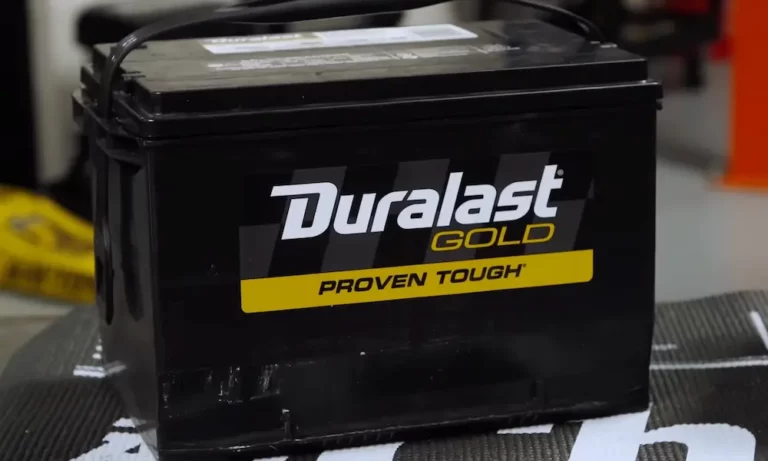
Shopping for a new car battery? You’ve probably spotted Duralast batteries at AutoZone and wondered about the company behind them. Here’s the thing: Duralast doesn’t actually make batteries. This post breaks down who’s really manufacturing these batteries, whether they’re worth your money, and what you need to know before buying.
The Short Answer: Duralast Is Just a Label
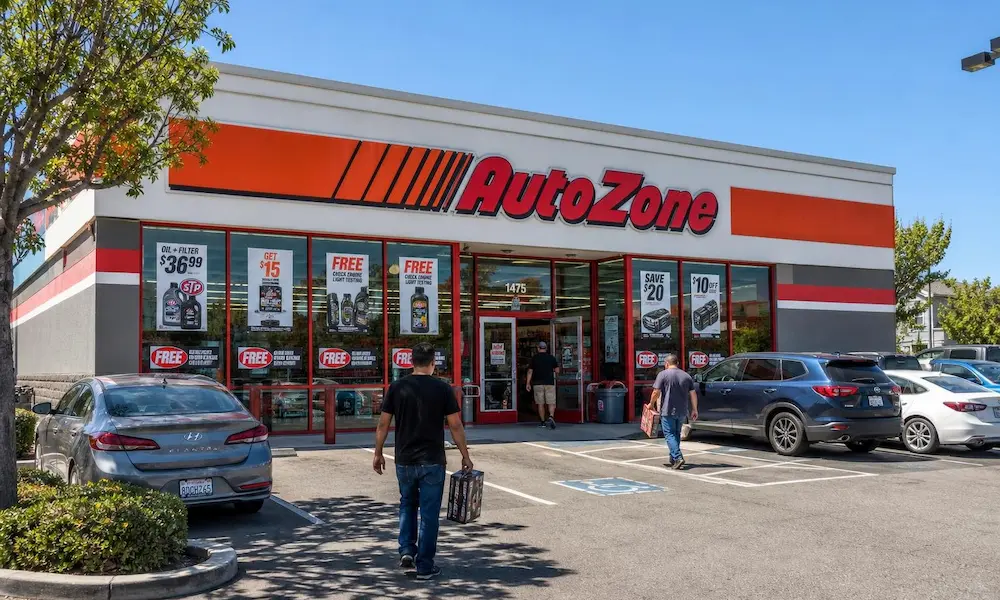
Let’s cut straight to it. Duralast is AutoZone’s exclusive private label brand, not a battery manufacturer. AutoZone owns the name and sells the batteries, but someone else makes them.
This is the same business model Walmart uses for Great Value or Target uses for Up & Up. AutoZone contracts with major battery manufacturers to produce batteries under the Duralast name.
Who Really Makes Duralast Batteries
Here’s where it gets interesting. You’re not buying from one manufacturer when you pick up a Duralast battery.
Clarios: The Main Supplier
The vast majority of Duralast batteries come from Clarios, a Milwaukee-based company formerly known as Johnson Controls Power Solutions. Clarios manufactures:
- Standard Duralast (flooded lead-acid)
- Duralast Gold (flooded lead-acid)
- Duralast Platinum (AGM technology)
- Duralast Platinum Elite (premium AGM)
- All marine, RV, and deep cycle Duralast batteries
If you know anything about batteries, Johnson Controls is a legendary name. They’ve been making batteries in North America for decades and supply multiple major brands.
Exide Technologies: The EFB Exception
Not all Duralast batteries come from the same factory. Every single Duralast Enhanced Flooded Battery (EFB) is manufactured by Exide Technologies, a separate European-based manufacturer.
This creates an odd situation. Two Duralast batteries sitting side-by-side on the shelf might come from completely different manufacturers with different engineering philosophies.
Why AutoZone Uses Multiple Manufacturers
AutoZone likely sources EFB batteries from Exide due to manufacturing specialization. EFB technology targets modern vehicles with start-stop systems that don’t need expensive AGM batteries but require more than standard flooded batteries.
Meanwhile, Clarios handles the high-volume traditional batteries and premium AGM products where AutoZone has an established relationship.
For you as a buyer? A review of one Duralast battery doesn’t tell you much about another. Someone’s experience with a Clarios-made Platinum AGM has zero relevance to how an Exide-made EFB will perform.
Breaking Down the Duralast Product Line
AutoZone organizes Duralast into a classic “good, better, best” ladder. The main difference? Warranty length and battery technology.
The Warranty Tiers
- Duralast (Standard): 2-year free replacement
- Duralast Gold: 3-year free replacement
- Duralast Platinum (AGM): 4-year free replacement
- Duralast Platinum Elite (AGM): 5-year free replacement
Notice the pattern? Price climbs with warranty length.
The Technology Behind Each Tier
Flooded Lead-Acid (FLA): The standard Duralast and Gold use traditional “wet” battery technology. Duralast Gold adds more lead plates for better vibration resistance and claims superior performance in extreme temperatures.
Absorbent Glass Mat (AGM): The Platinum and Platinum Elite lines use advanced AGM technology. These batteries are spill-proof, recharge faster, and provide up to 2 times the cycle life. They’re specifically designed for vehicles with start-stop systems and high electrical demands.
Enhanced Flooded Battery (EFB): The Exide-made middle ground for start-stop vehicles that don’t require full AGM capability.
| Product Tier | Technology | Manufacturer | Warranty | Best For |
|---|---|---|---|---|
| Duralast | Flooded Lead-Acid | Clarios | 2 Years | Basic vehicles, budget buyers |
| Duralast Gold | Flooded Lead-Acid | Clarios | 3 Years | Extreme climates, conventional vehicles |
| Duralast Platinum | AGM | Clarios | 4 Years | Start-stop systems, high accessories |
| Duralast Platinum Elite | AGM | Clarios | 5 Years | Premium vehicles, heavy electrical loads |
| Duralast EFB | Enhanced Flooded | Exide Technologies | Varies | Start-stop vehicles (budget option) |
What Independent Testing Shows
Lab tests tell a different story than the “store brand” label suggests.
Consumer Reports Findings
Consumer Reports named the Duralast Platinum AGM 47 H-5AGM the winner in its size class during 2024 testing. This size fits many Buick, Chevrolet, and Volkswagen vehicles.
The Group 35 Duralast Platinum AGM earned recognition as a high-scoring alternative to the premium Odyssey Extreme Series, delivering comparable performance at $190 versus $367.
But here’s the catch: the category-winning Group 47 AGM lost points specifically for cold-weather performance. That’s ironic since AutoZone markets its cheaper Gold line as superior in extreme temperatures.
The Project Farm Reality Check
Independent YouTube testing by Project Farm compared Duralast against its Clarios-made siblings (Walmart’s Everstart and Advance Auto’s DieHard). The conclusion was brutal: you could “pay less and get more” by buying the cheaper alternatives made by the same manufacturer.
The data showed these batteries are essentially identical products with different stickers and prices.
Real-World Owner Experiences: The Quality Control Lottery
Here’s what actual owners report, and it’s wild. There’s no middle ground with Duralast batteries.
The Eight-Year Success Stories
Many users report exceptional longevity:
- “My Duralast Gold lasted 8 which is pretty good”
- A Lexus ES350 owner got “7 years and change” from a 2017 Gold
- Arizona users report “5 years is good for az” where heat kills batteries fast
The Premature Failure Pattern
An equally loud group reports immediate failures:
- “Had 2 Duralast Platinums fail in less than 3 months”
- “Gone through three in three years two replaced under warranty”
- One battery died “2 weeks to reach a 3-month mark” and tested “DEAD DEAD”
This isn’t a design problem. It’s a quality control issue. A certain percentage of bad batteries leave the factory while the good ones last nearly a decade. You’re literally rolling the dice.
The Duralast Warranty: What You’re Really Buying
AutoZone’s warranty isn’t just a guarantee. It’s the actual product.
How the Warranty Works
AutoZone offers genuine free replacement (not prorated) for 2-5 years depending on the tier. The critical detail? The warranty ties to your phone number or account, so you don’t need the original receipt.
This frictionless replacement process is deliberate. AutoZone designed it to be painless.
The “Battery as a Service” Model
Here’s what’s really happening:
AutoZone knows about the quality control lottery. They’ve priced Duralast batteries to absorb the cost of replacements. You’re not paying for a better battery than Walmart’s Everstart—they’re made by the same company. You’re paying roughly $70 more for a multi-year subscription to a functioning battery.
When you get a bad battery (not if, but when), you swap it at any of AutoZone’s 6,000+ locations in 15 minutes. The premium price is your subscription fee for this service.
Duralast vs. The Competition: The Sticker Swap
The automotive battery market is basically an illusion.
The Same Battery, Different Stores
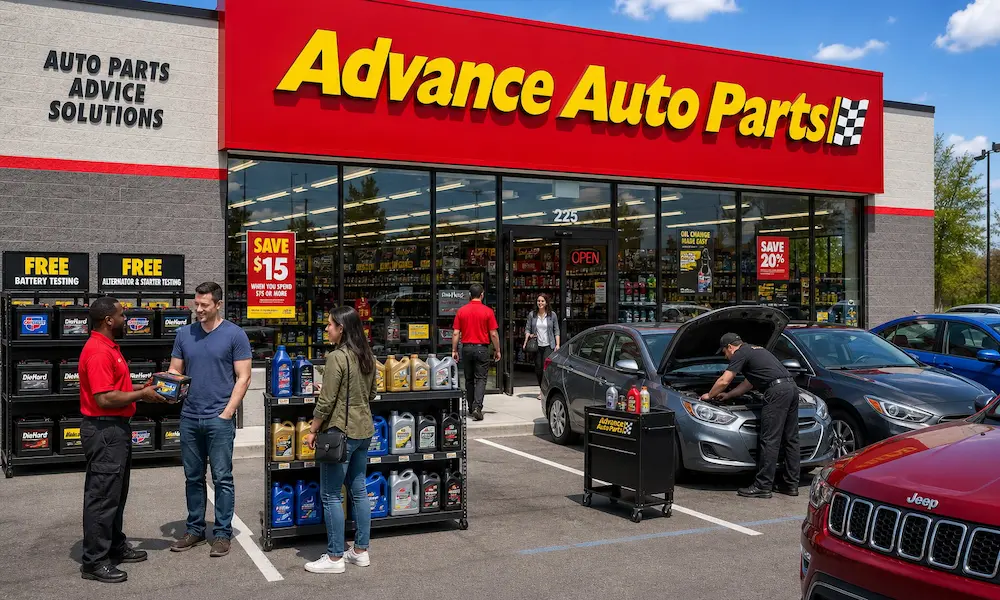
Duralast (AutoZone), Everstart (Walmart), and DieHard (Advance Auto) are all primarily manufactured by Clarios. Users frequently report the batteries look identical down to the case molding.
One direct comparison for comparable 4-year warranty batteries:
| Store | Brand | Manufacturer | Price | Price Difference |
|---|---|---|---|---|
| Walmart | Everstart | Clarios | $179 | Baseline |
| AutoZone | Duralast | Clarios | $249 | +$70 |
| Advance Auto | DieHard | Clarios | $259 | +$80 |
Data from real user comparison
You’re comparing warranty services and store locations, not actual battery quality.
The East Penn Alternative
Savvy buyers experiencing the Clarios quality lottery learn that switching stores is pointless. The real move is switching manufacturers.
East Penn Manufacturing is the third major U.S. battery maker. Frustrated Duralast owners report switching to East Penn-made batteries like Duracell, Deka, and many NAPA batteries with better results.
The true market choice isn’t Duralast versus DieHard. It’s Clarios versus Exide versus East Penn.
Should You Buy Duralast? It Depends on You
The answer depends entirely on what you value.
Buy Duralast If You Want Convenience
You’re a daily commuter who values peace of mind. You don’t want to think about batteries. The $70 premium over Walmart is worth having 6,000+ locations for easy warranty swaps. You’re buying a service subscription, not just a battery.
Duralast makes perfect sense for this buyer.
Skip Duralast If You Want Value
You’re a DIYer who understands the game. You know Walmart’s Everstart is the identical Clarios battery for $70 less. You’re self-insuring the warranty and betting on getting a good battery from the quality lottery.
Independent testing confirms you don’t pay more to get more—you can pay less and get more.
Avoid Duralast for High-Stakes Applications
You’re an overlander, fleet manager, or need absolute reliability. The documented high failure rate makes Duralast an unacceptable risk. A free warranty is useless when you’re 100 miles from pavement.
Buy proven low-failure batteries like Odyssey, Northstar, or East Penn-made products.
Change Manufacturers If You’re Frustrated
You’ve replaced your Duralast battery twice under warranty already. Stop the cycle. Switching to DieHard or another store is pointless—it’s likely the same Clarios battery.
Switch to an East Penn manufacturer like Duracell or Deka instead.
The Bottom Line on Who Makes Duralast Batteries
Duralast batteries are manufactured primarily by Clarios (the former Johnson Controls battery division) with EFB models made by Exide Technologies. They’re well-designed batteries according to lab testing but plagued by inconsistent quality control in real-world use.
AutoZone has built a successful business model around this flaw. The premium price funds a frictionless, multi-year warranty that functions as a “battery subscription service.” You’re not buying a superior battery—you’re buying guaranteed access to a working battery for 3-5 years.
Whether that’s worth the premium depends entirely on what you value: convenience or cost savings.