If your car won’t start and you’re shopping for a replacement battery, you’ve probably seen the DieHard name. But here’s the question that matters: who makes DieHard batteries today, and are they still worth buying? The answer might surprise you—and it’s more complicated than you’d think.
The DieHard Brand: Who Owns It Now?
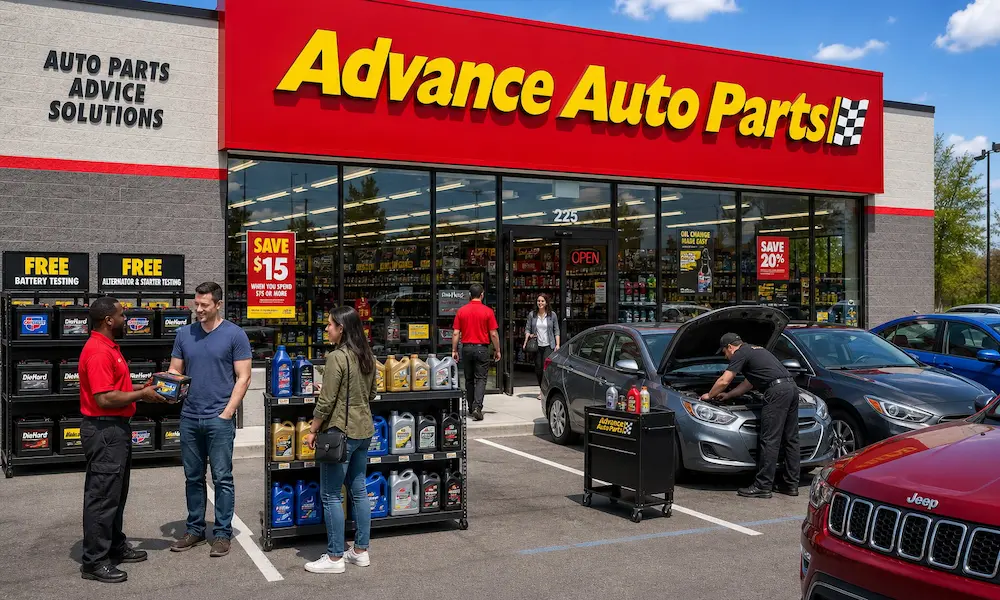
Let’s clear this up fast. Advance Auto Parts owns the DieHard brand. They bought it for $200 million in December 2019 from Sears’ parent company, Transformco. This wasn’t a small move—it was a strategic play to grab one of the most recognized names in automotive history.
But here’s where it gets interesting. Advance Auto Parts didn’t buy any factories or new technology. They bought a name. The decades of trust and brand loyalty that came with it? That’s what the $200 million paid for.
The deal had a twist, though. Transformco kept the rights to sell DieHard batteries through its remaining Sears and Kmart stores. Even stranger, Transformco got a permanent, royalty-free license to slap the DieHard name on non-automotive products. So if you see DieHard work boots or power tools, that’s a completely different supply chain with different quality control.
Who Actually Manufactures DieHard Batteries?
Here’s the real answer to who makes DieHard batteries: Clarios, LLC manufactures the DieHard AGM, Platinum, and Gold batteries you’ll find at Advance Auto Parts and Carquest stores.
Never heard of Clarios? You’re not alone. But you’ve definitely heard of their previous identity: Johnson Controls. Clarios is the same company that made DieHard batteries for Sears for decades—the ones your dad swore by.
Here’s the timeline:
- 1967: Globe-Union Battery creates the original DieHard for Sears
- 1970s-2019: Johnson Controls takes over and becomes the long-term manufacturer
- 2019-Present: Johnson Controls spins off its battery division into Clarios, which continues making DieHard batteries
So the manufacturer hasn’t really changed. The same company making your “new” DieHard is the same one that made the legendary Sears-era batteries.
The Uncomfortable Truth About Battery Brands
Here’s something most people don’t know: the U.S. car battery market is dominated by just a few massive manufacturers. Clarios is one of them, and they make batteries for nearly everyone.
Clarios manufactures:
- DieHard (Advance Auto Parts)
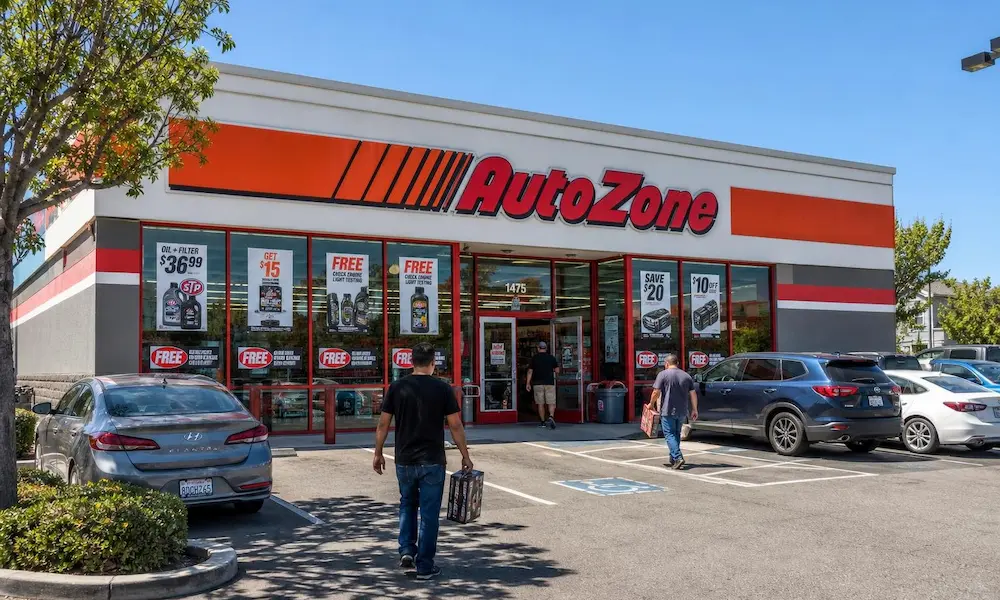
- Duralast (AutoZone)
- EverStart (Walmart)
- ACDelco
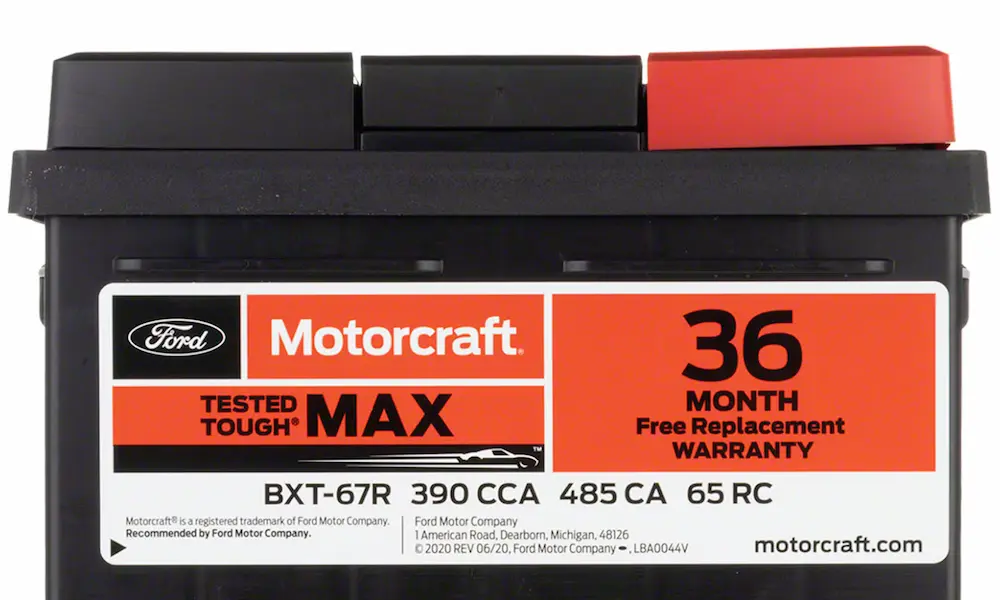
- Motorcraft
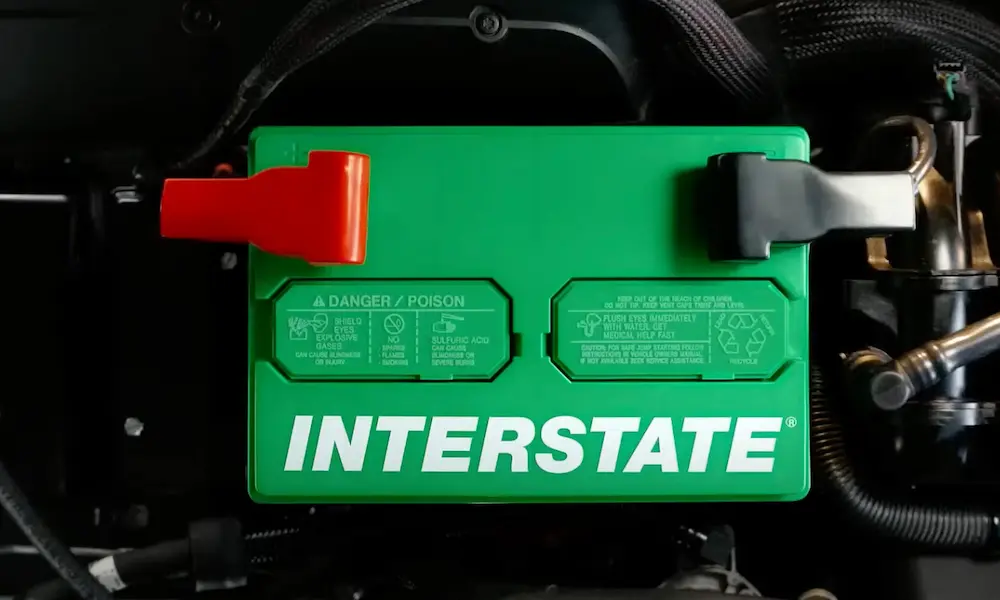
- Interstate
Your DieHard battery and your neighbor’s Duralast? They’re rolling off the same production line. The main difference is the specifications that each retailer contracts for—things like plate thickness, quality control checkpoints, and materials.
This is called “private label” manufacturing, and it’s everywhere in the auto parts industry. The DieHard isn’t a unique, proprietary product. It’s a Clarios battery built to Advance Auto Parts’ specifications.
A Dark Chapter: The 2001 Exide Scandal
Before you think the DieHard supply chain has always been squeaky clean, there’s a piece of history you should know.
In March 2001, a manufacturer named Exide pleaded guilty to federal fraud conspiracy charges related to DieHard batteries. The scheme? Exide, working with Sears, sold used batteries as new to unsuspecting customers. Company officials paid bribes to cover it up.
The fallout was massive: a $27.5 million fine and prison sentences for two executives. Production went back to Johnson Controls (now Clarios) after that.
This happened over 20 years ago, but it’s a reminder that the brand’s stewards have, in the past, betrayed customer trust.
The DieHard Battery Lineup: What’s Available in 2025
DieHard batteries come in six tiers, and understanding the difference matters for your wallet.
Here’s the quick breakdown:
| Battery Tier | Technology | Warranty | Best For |
|---|---|---|---|
| DieHard Red | Flooded Lead-Acid | 1 Year | Budget-friendly basic starting |
| DieHard Silver | Flooded Lead-Acid | 2 Years | Reliable everyday use |
| DieHard Gold | Flooded w/ Stamped Grid | 3 Years | Maximum starting power |
| DieHard Platinum | Flooded Lead-Acid | 4 Years | Standard vehicles, medium electrical demands |
| DieHard Platinum AGM | Absorbed Glass Mat | 4 Years | High-tech vehicles, start-stop systems |
| DieHard EV | Absorbed Glass Mat | 4 Years | Electric vehicles |
AGM vs. Flooded: What’s the Difference?
Flooded Lead-Acid (FLA) batteries are the old-school, conventional type. They’re cheaper but don’t last as long and can’t handle deep discharges well.
Absorbed Glass Mat (AGM) batteries are the modern premium option. If your car has heated seats, navigation, advanced safety tech, or start-stop technology, you need an AGM battery. They cost 40-100% more but handle electrical demands better and last longer.
Critical rule: You can upgrade from FLA to AGM, but never downgrade from AGM to FLA if your car was designed for AGM.
What the Experts Say About DieHard Batteries
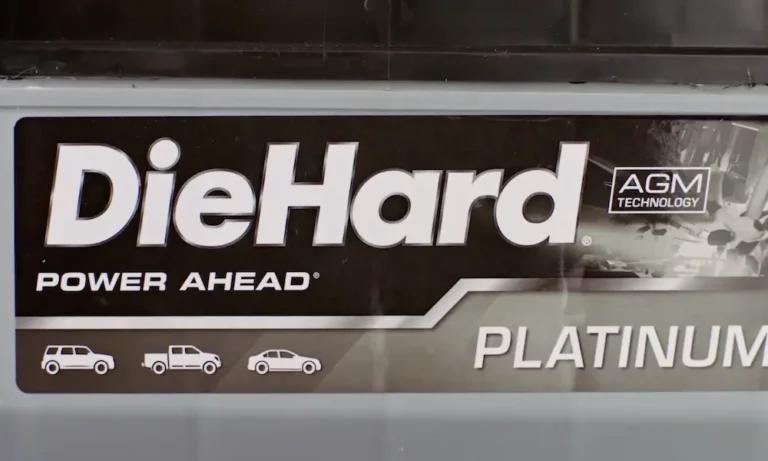
Here’s where things get weird. Professional reviewers and automotive experts love the DieHard Platinum AGM.
Multiple automotive publications rank the DieHard Platinum AGM as a “Top 10” battery for 2024-2025. They praise:
- High cold cranking amps (800+ CCA)
- Advanced AGM technology
- Superior vibration resistance
- Spill-proof design
The YouTube channel Project Farm—known for brutal, unbiased testing—even compared the DieHard Platinum head-to-head with Odyssey, a premium brand with a cult following. The fact that DieHard is positioned as a legitimate competitor to Odyssey says a lot about its design quality.
DieHard also earned bragging rights as the first automotive battery to receive UL validation for its “circular economy” manufacturing. This means used batteries are properly recycled, with the lead and plastic going back into new DieHard batteries.
What Real Customers Are Saying (And It’s Not Good)
Now here’s the other side of the story, and it’s ugly.
While experts praise the design, real-world customers in 2024-2025 are reporting catastrophic failures. Consumer reviews are filled with horror stories:
- A DieHard Red battery died in 3 weeks. The replacement died in a month.
- A Platinum DieHard (with a 4-year warranty) lasted 5 months. The replacement lasted 6 months.
- “Bought DieHard from Advance Auto in May… It died in July. Dead again shortly after replacement.”
- “My diehard battery is having issues barely over 9 months after buying it.”
The most damning feedback? Direct comparisons to the old Sears-era batteries:
- “As a baby boomer, I grew up with a father who was a Die Hard die-hard, but they are not what they used to be.”
- “DieHard were reliable batteries back in the day.”
- “I bought Diehard for many years when I was younger & never had a problem. Now they just aren’t any good.”
Here’s the kicker: One customer posted a glowing review of an 11-year-old DieHard battery sold by Sears. That old battery was also made by Johnson Controls (now Clarios).
This proves Clarios can make great batteries. So why are the new ones failing so fast? It points to a problem with the specific product being supplied to Advance Auto Parts—possibly lower-cost specifications, bad production batches, or poor inventory management leading to old, sulfated batteries sitting on shelves.
The DieHard Warranty: A Nightmare When You Need It Most
A battery failing is bad. A warranty process that makes it nearly impossible to get a replacement? That’s worse.
The Paper Receipt Trap
DieHard’s warranty requires your original paper receipt. No receipt? No warranty.
One customer’s battery had a clear manufacturer date stamp proving it was within the 4-year warranty. Advance Auto Parts refused to honor it without the physical receipt.
Another customer noted that competitors like Walmart and AutoZone only need the battery itself—their systems track purchases by serial number or phone number. Advance Auto Parts’ computer system failed to find purchase history, leaving the lost receipt as the only proof.
This isn’t just inconvenient. It feels like a deliberate tactic to deny valid warranty claims.
The “Computer Says No” Problem
Even if you have your receipt, you’re not out of the woods. Advance Auto Parts policy states they’ll only replace batteries that fail their in-store test.
Multiple customers report proving their battery is dead through real-world testing—swapping it between identical vehicles, for example—only to have the store’s tester say it’s fine.
The in-store testers apparently can’t detect all failure modes, like internal shorts or batteries that can’t hold a charge under real-world loads. The policy trusts the flawed tester over your real-world evidence.
The Warranty Doesn’t Renew
Here’s the final gotcha: when you get a warranty replacement, it’s only covered for the remainder of your original warranty period. On your third battery in a year? That last one might only have a few months of coverage left.
The warranty is also non-transferable. Buy a used car with a “new” DieHard? The warranty is void.
Should You Buy a DieHard Battery?
Let’s be blunt: buying a DieHard battery right now is a gamble.
The design is solid—experts confirm that. The execution is where things fall apart. You’re rolling the dice on whether you’ll get a good battery or one that dies in six months. And if it does fail, you’re betting you can navigate a warranty process that requires a paper receipt and passing a test that might not detect your battery’s actual problem.
If You’re Set on Buying DieHard
If brand loyalty or convenience dictates a DieHard purchase, protect yourself:
- Buy only the Platinum AGM. It’s the design experts actually praise.
- Treat your receipt like cash. Tape it in a plastic bag to the battery or file it in your glove box immediately.
Better Alternatives
A smarter move? Consider these options:
Buy from the same manufacturer, different brand: Duralast (AutoZone) or EverStart Platinum AGM (Walmart) are made by Clarios too, but don’t have the same failure-rate complaints. More importantly, their warranty processes are reportedly less dependent on paper receipts.
Try the other major manufacturer: East Penn Manufacturing makes Duracell automotive batteries and has a solid reputation.
Shop at warehouse clubs: Costco (Kirkland) and Sam’s Club (Duracell) offer quality batteries with hassle-free return policies that don’t require you to keep a receipt for four years.
Go premium for real: If you were budgeting $250 for a DieHard Platinum AGM anyway, spend that money on Odyssey or Optima—the brands DieHard is trying to compete with.
The Bottom Line on Who Makes DieHard Batteries
To answer the original question: Clarios manufactures DieHard batteries for Advance Auto Parts. They’re the same company (formerly Johnson Controls) that made the legendary Sears-era DieHards your parents trusted.
The brand itself? It’s owned by Advance Auto Parts, which paid $200 million for the name recognition.
The real question isn’t who makes DieHard batteries. It’s whether the 2025 version lives up to the legacy that $200 million name carries. Based on expert reviews, the design is there. Based on consumer reports, the quality control isn’t.
You’re not buying the DieHard your dad bought in 1987. You’re buying a private-label battery that happens to wear an iconic name—backed by a warranty process that seems designed to frustrate you when things go wrong.