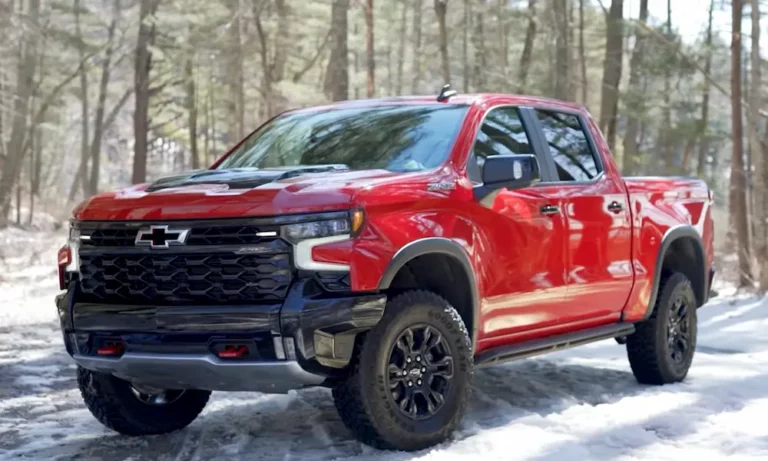
Are you driving a Chevy Silverado with transmission issues? You’re facing a problem affecting hundreds of thousands of trucks across multiple model years. From sudden wheel lockups to harsh shifting and extended repair delays, these transmission problems have created serious safety concerns for Silverado owners nationwide. Let’s break down exactly what’s happening, which models are affected, and what you can do about it right now.
The Major Chevrolet Silverado Transmission Recalls Explained
The 2024 10-Speed Transmission Recall: A Serious Safety Issue
General Motors announced a massive recall in November 2024 affecting 461,839 vehicles, including Chevrolet Silverado 1500, 2500, and 3500 models from 2020-2022. The heart of the problem? A transmission control valve that wears out prematurely, potentially causing your rear wheels to lock up while driving – a frightening scenario that significantly increases your crash risk.
This wasn’t a small issue. Before announcing the recall, GM received 1,888 field reports of alleged lockups between January 2020 and August 2024, including eleven incidents where vehicles veered off roadways and three resulting in minor injuries. The problem first came to light through GM’s internal “Speak Up for Safety” program when an engineer reported a customer complaint about a 2021 Sierra 2500 HD that locked up while towing a trailer.
According to official NHTSA documentation, the recall primarily affects diesel-powered models equipped with the 10-speed transmission.
The 2014 Transmission Oil Cooler Line Recall
Back in 2014, GM recalled 490,200 vehicles, including all 2014 Chevrolet Silverado and GMC Sierra pickups with 6-speed automatic transmissions. The issue involved transmission oil cooler lines that could leak, potentially causing vehicle fires if the fluid contacted hot engine parts.
The 8-Speed Transmission Class Action Lawsuits (2015-2019)
While not an official recall, a major class action lawsuit covers approximately 800,000 GM vehicles from 2015-2019 equipped with 8L45 and 8L90 8-speed transmissions. Owners reported serious drivability issues including:
- Sudden lurching
- Shuddering
- Gear hesitation
- Delayed acceleration
What’s particularly frustrating for owners is that GM reportedly developed a fix called “Mod1a” in 2018 but chose not to implement a full recall, instead limiting repairs to warranty complaints in certain markets.
Technical Analysis: What’s Actually Breaking?
10-Speed Transmission Valve Body Failures
The 2024 recall centers on excessive wear within the transmission control valve body, specifically affecting the “feed limit low valve” that controls hydraulic pressure. When this valve wears out, it can cause hydraulic cross-leaks that make multiple clutch packs engage simultaneously, creating a transmission bind that locks the drivetrain.
If you’re experiencing these symptoms, your valve body may be failing:
- Harsh shifting, particularly during downshifts
- Sudden rear wheel lockup (typically during downshift from 8th gear)
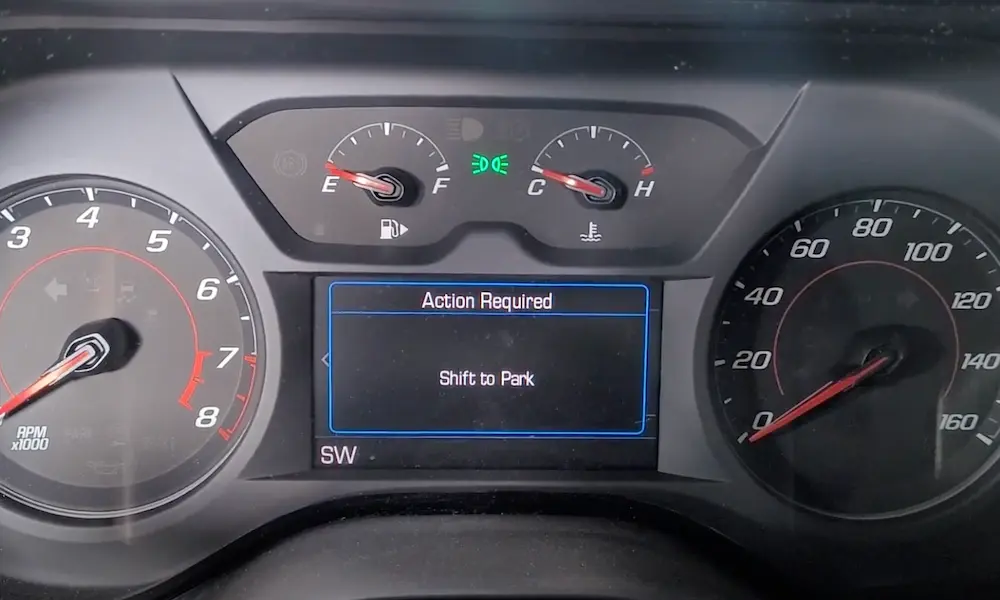
- “Reduced propulsion” warning messages
- Complete loss of vehicle movement in severe cases
The Failure Progression
According to transmission engineering specialists, the problem typically follows this pattern:
- Valve body wear causes gradual pressure loss
- Harsh shifting begins as an early warning sign
- In rare cases, multiple clutch packs engage simultaneously
- Drivetrain locks, causing rear wheels to momentarily seize
What’s particularly interesting is that Ford uses a similar 10-speed transmission design but doesn’t experience these failures, suggesting the problem lies in GM-specific components.
Current Status and Repair Delays
The Nationwide Parts Shortage Crisis
If you’re affected by this recall, be prepared to wait. GM is facing a critical parts shortage affecting transmission valve body repairs. Many owners are reporting extreme delays:
- Some owners have waited seven months before GM approved a complete transmission replacement
- Multiple reports of 2-6 month wait times are common
- Some dealerships have been told parts could take up to a year to arrive
According to reports from GM Authority, the backlog is so severe that dealerships across the country are struggling to give owners any realistic timeline for repairs.
GM’s Response to the Crisis
GM has acknowledged the supply chain issues, stating: “We’ve experienced some supply chain bottlenecks procuring parts, and the team is working hard to rectify the situation. Parts availability is greatly improving.” However, the company hasn’t provided specific timelines for when all affected vehicles will be repaired.
Extended Warranty Coverage
There is some good news. GM issued Special Coverage N242454441 in November 2024, extending transmission control valve body repairs to 15 years or 150,000 miles (whichever comes first) for affected vehicles. This coverage applies to both recalled vehicles and additional models experiencing similar issues.
Available Solutions and Owner Options
GM’s Official Fix
The recall remedy involves installing new transmission control module software that monitors valve performance and detects excessive wear approximately 10,000 miles before a lockup could occur. When detected, the transmission is limited to fifth gear until the next key cycle, accompanied by a service engine light and reduced propulsion message.
While this software update helps prevent catastrophic failures, it doesn’t address the underlying mechanical issue causing the valve wear.
Independent Engineering Solutions
Some owners aren’t waiting for GM. Specialized transmission engineering companies like NextGen Drivetrain claim to have developed permanent mechanical fixes for the underlying problem. Their solutions include:
- Upgraded valve body kits that address the root hydraulic pressure issues
- Fully rebuilt valve bodies for severely damaged units
- Complete transmission upgrades for trucks with extensive internal damage
According to diesel performance specialists, these aftermarket solutions have shown a high success rate, though they would likely void GM warranties.
Which Silverado Models Are Affected?
2020-2022 Diesel Models (Official Recall)
These vehicles are covered under the official NHTSA recall 24V-797. Owners should receive notification letters and can have repairs completed at no cost once parts become available.
| Model Year | Affected Models |
|---|---|
| 2020-2022 | Silverado 1500, 2500, 3500 with diesel engines |
| 2020-2022 | GMC Sierra 1500, 2500, 3500 with diesel engines |
| 2020-2022 | Tahoe, Suburban, Yukon with diesel engines |
2023-2025 Models (Not Officially Recalled)
Despite the recall only covering 2020-2022 models, numerous reports indicate that 2023, 2024, and some 2025 models are experiencing identical symptoms. These newer vehicles may not be covered under the recall, potentially leaving owners responsible for repair costs.
2015-2019 8-Speed Models
These vehicles are subject to ongoing class action litigation but not official recalls. GM initially won an appeal that decertified the class action lawsuit in 2025, though individual cases may still proceed.
| Transmission Type | Model Years | Main Issues |
|---|---|---|
| 10-Speed (Diesel) | 2020-2022 | Valve body wear, rear wheel lockup |
| 8-Speed | 2015-2019 | Shuddering, harsh shifting, hesitation |
| 6-Speed | 2014 | Oil cooler line leaks |
What Silverado Owners Should Do Now
For Recalled Vehicles (2020-2022 Diesel)
- Check your recall status using your VIN at GM’s recall center
- Contact authorized GM dealers for software updates even if parts aren’t available
- Monitor for symptoms including harsh shifting or warning messages
- Document all issues and keep detailed records of all communications with dealerships
- Be prepared for delays in parts availability
For Non-Recalled Models With Similar Symptoms
- File NHTSA complaints if experiencing similar symptoms – this helps expand recall coverage
- Document all transmission issues for potential future coverage
- Consider extended warranty coverage if still available
- Monitor fluid condition – dark or burnt fluid indicates internal damage
Warning Signs Every Silverado Owner Should Watch For
Stay alert to these symptoms that might indicate transmission problems:
- Harsh shifting between gears, especially when cold
- Shuddering or vibration during acceleration
- Delayed engagement into drive or reverse
- Burnt transmission fluid smell
- Warning lights or “reduced propulsion” messages
Financial and Practical Impact on Owners
The transmission issues represent significant costs and inconvenience:
- Estimated repair costs of $305 per vehicle for transmission flush repairs
- Potential $592 million total cost for complete 8-speed transmission fixes
- Extended warranty coverage costs for 15 years/150,000 miles
- Lost vehicle use during extended repair waits
- Potential safety risks while driving affected vehicles
Many owners report having trucks sitting at dealerships for 90+ days waiting for parts, creating significant disruption to work and daily life.
Recommendations for Current and Prospective Buyers
For Current Owners
- Get the recall repair done as soon as possible, even with delays
- Keep detailed records of all transmission issues and dealer visits
- Consider aftermarket solutions if out of warranty and facing long delays
- File NHTSA complaints about any transmission problems (NHTSA complaint form)
For Prospective Buyers
- Avoid diesel models from 2020-2022 until recall repairs are completed
- Research transmission type before purchasing (8-speed vs 10-speed)
- Consider extended warranties that specifically cover transmission issues
- Verify recall completion on used vehicles before purchase
- Check service records for evidence of transmission repairs or issues
Extended Timeline and Resolution Expectations
Based on GM’s statements and industry reports, parts availability should improve throughout 2025, though specific timelines remain unclear. The company’s acknowledgment of supply chain issues suggests a systemic problem that may take months to fully resolve.
Some transmission experts are projecting full resolution could take 12-18 months due to the combination of parts manufacturing constraints and the sheer number of affected vehicles.
The Chevrolet Silverado transmission recalls represent one of the most significant safety and reliability challenges facing GM truck owners today. While solutions exist, the combination of complex technical problems, parts shortages, and potential safety risks creates ongoing concerns for hundreds of thousands of vehicle owners. Staying informed and taking proactive steps can help minimize risks while waiting for a permanent fix.