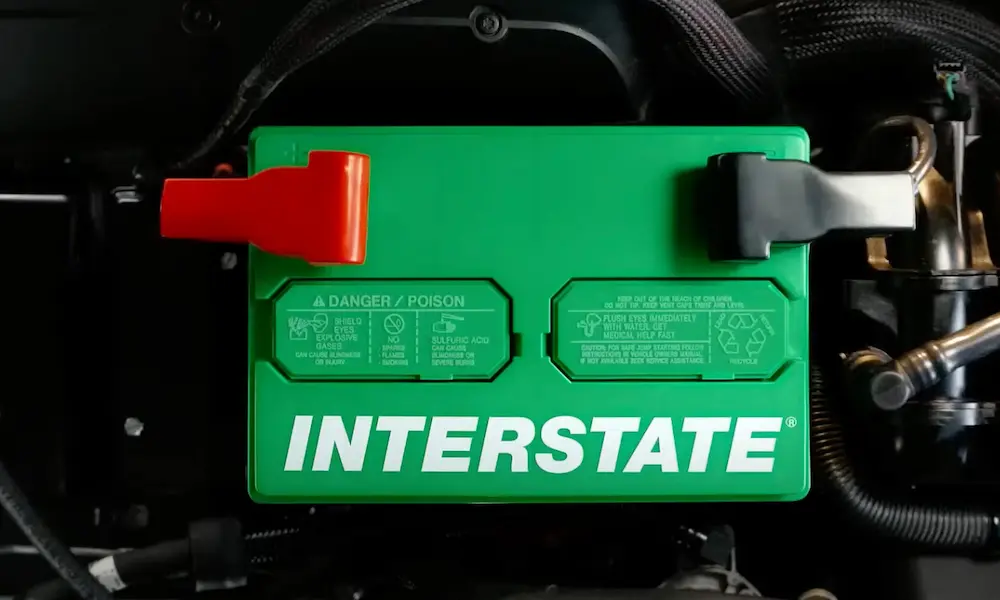
When your car won’t start on a freezing morning or your boat battery dies mid-trip, you need reliability, not promises. Interstate Batteries has been a household name for over 70 years, but does their reputation match reality in 2024? I’ve dug deep into performance data, consumer experiences, and professional testing to give you the complete picture.
Interstate Batteries: A Quick Overview of the Brand
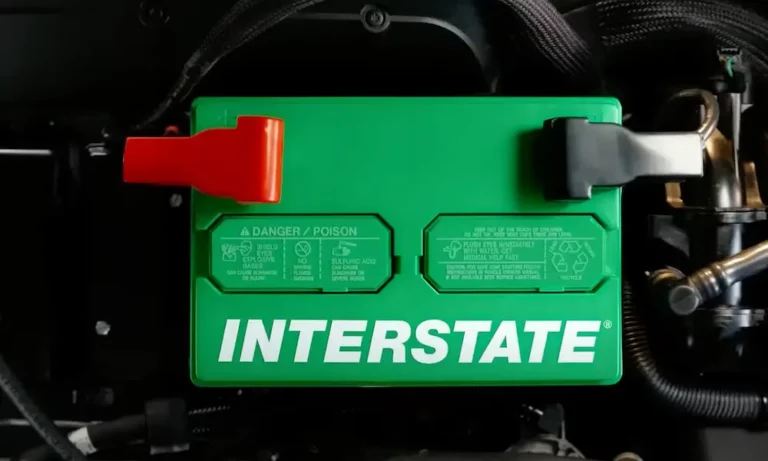
Interstate Batteries isn’t just another battery company. As one of America’s largest battery distributors, they’ve built an empire with over 300 wholesale warehouses serving more than 150,000 repair businesses and parts stores nationwide. They also operate 200+ Interstate All Battery Center franchise locations, making them incredibly accessible.
Their product lineup spans from basic car batteries to premium AGM models designed for high-performance vehicles. But widespread availability doesn’t automatically mean superior quality – so let’s look deeper.
Interstate Battery Product Lines: What’s Available?
Interstate organizes their automotive batteries into five distinct product lines, each targeting specific needs and price points:
MTZ AGM Batteries
These premium batteries use Absorbed Glass Mat technology for vehicles with high accessory loads. They deliver more power than traditional batteries and use what Interstate calls “Pure Matrix power technology” – ideal for luxury vehicles and cars with advanced electronics.
MTX Batteries
The MTX line includes both AGM and Enhanced Flooded Battery (EFB) options, specifically designed for vehicles with start-stop systems. These offer a balance between advanced technology and affordability compared to the top-tier MTZ models.
MTP Batteries
Targeted at cold-to-moderate climates, MTP batteries focus on high-cranking performance for trucks and larger engines in challenging weather. They’re built for reliable starting power when temperatures drop.
MT Batteries
The MT line represents Interstate’s core traditional battery technology for hot-to-moderate climates. These conventional batteries provide dependable performance for standard applications without advanced start-stop requirements.
M-Line Batteries
As Interstate’s entry-level option, M-Line batteries offer basic starting power for budget-conscious customers who need standard functionality without premium features.
Performance: How Do Interstate Batteries Stack Up?
When it comes to performance, Interstate batteries show mixed results in professional testing. Consumer Reports includes multiple Interstate models in their testing program, evaluating factors like cold weather performance, battery life, and reserve capacity under rigorous conditions.
Cold Weather Performance
Interstate batteries generally meet their rated cold cranking amp specifications, though performance varies by model. The MTZ and MTX lines typically perform better in extreme cold, while the lower-tier options may struggle when temperatures plummet.
In independent testing by Project Farm, Interstate batteries showed competitive but not exceptional performance against brands like Optima, DieHard, and EverStart. Interestingly, the less expensive Walmart EverStart battery actually outperformed some pricier Interstate models in cold cranking amp delivery.
Battery Lifespan
Under normal conditions, you can expect an Interstate battery to last 3-5 years, though this varies dramatically based on:
- Climate (hot weather significantly reduces battery life)
- Driving habits (short trips prevent full charging)
- Vehicle electrical demands (aftermarket accessories drain power)
- Maintenance (corrosion and loose connections accelerate failure)
Interstate’s batteries perform optimally at around 80°F, with permanent damage accumulating during exposure to extreme summer heat. If you live in Arizona or similar hot climates, expect a shorter lifespan compared to more moderate regions.
Price Point: Are Interstate Batteries Worth the Cost?
Interstate batteries typically fall in the mid-to-upper market segment. Based on Consumer Reports data, Interstate models are generally priced higher than basic alternatives like EverStart but lower than premium brands like Odyssey.
For example:
- Interstate MT7-65: Around $280
- AC Delco alternatives: Around $125
- Premium Odyssey models: $300+
The value proposition gets complicated when you factor in warranty coverage, which varies significantly by retailer. A key insight: in 2024, Costco quietly changed Interstate battery warranties from 36 months full replacement to 36 months prorated coverage. This means customers whose batteries fail at 2.5 years now receive only a fraction of the original purchase price rather than a free replacement.
This warranty change dramatically reduces the value proposition at Costco compared to alternatives like Walmart’s EverStart batteries, which still offer full replacement warranties.
Quality Control Issues: The Manufacturing Reality
Here’s where things get interesting. Interstate has shifted much of their manufacturing in recent years, with many batteries now produced by Johnson Controls rather than in their own facilities. This transition coincides with customer reports of declining quality compared to earlier Interstate batteries.
The battery industry faces significant manufacturing challenges. Modern battery production requires extremely tight tolerances measured in microns while maintaining high throughput rates. These manufacturing complexities lead to inevitable quality variations, which might explain why some customers report excellent experiences while others face premature failures.
A particularly concerning practice: batteries sold at major retailers like Costco, BJs, and Tractor Supply are often “already a year or two old, sometimes three” when purchased, according to an Interstate battery employee. This significantly reduces the effective lifespan customers receive.
Customer Satisfaction: What Real Users Say
Interstate Batteries presents a complex landscape of customer experiences. On PissedConsumer, the company maintains only a 1.9-star rating based on 96 reviews, with consumers described as “mostly dissatisfied.”
The primary complaints center around:
- Warranty fulfillment difficulties
- Premature battery failures
- Customer service issues
Many customers report batteries failing within the warranty period, only to encounter resistance when attempting to claim replacements. One notable complaint describes a battery that exploded on a garden tractor, with Interstate refusing to acknowledge the defect or provide adequate compensation.
A class action lawsuit against Interstate Battery revealed problematic warranty calculation practices. The company was calculating pro-rated warranty replacements based on an inflated “List Price” approximately 20% higher than their suggested retail price. The settlement required Interstate to reform these practices.
Pros and Cons of Interstate Batteries
| Pros | Cons |
|---|---|
| Nationwide warranty network (300+ distributors) | Quality control inconsistencies in recent years |
| 70+ years of established reputation | Many batteries now manufactured by Johnson Controls |
| Wide variety of battery types for different needs | Costco’s switch to prorated warranty (2024) |
| Available at major retailers nationwide | Some customers report early failures (2-3 years) |
| Professional-grade options for commercial use | Warranty claims process can be difficult |
| Competitive pricing for mid-tier batteries | Older stock issues at some retailers (1-3 years old) |
| American company with some domestic manufacturing | Higher prices compared to some competitors |
| Strong cold cranking amp ratings in premium models | Performance varies by manufacturing location |
Making the Right Choice: What to Consider Before Buying
If you’re considering an Interstate battery, here are crucial factors to weigh before purchase:
1. Check the Manufacturing Date
Batteries begin deteriorating from the moment they’re manufactured. Look for the date code (usually a letter/number combination stamped on the case) and choose the freshest battery possible. Ideally, buy batteries less than 6 months old.
2. Understand the Warranty Terms
Different retailers offer vastly different warranty terms for Interstate batteries. Full replacement warranties offer substantially better value than prorated coverage. Ask specifically about:
- Length of warranty
- Full replacement period vs. prorated period
- Documentation required for warranty claims
3. Consider Your Climate and Driving Habits
If you live in an extremely hot or cold climate, or frequently make short trips, you might need a higher-tier battery with better durability. The MTZ AGM line performs better in these challenging conditions but costs significantly more.
4. Compare Total Cost of Ownership
When evaluating battery options, look beyond the initial price tag. A less expensive battery with a better warranty might provide superior value compared to a pricier Interstate model with prorated coverage.
5. Verify Battery Specifications Match Your Vehicle
Interstate offers many models, but not all are suitable for every vehicle. Confirm the battery matches your car’s requirements for group size, terminal position, and cold cranking amps.
Alternatives to Interstate Batteries
If you’re looking for alternatives, consider these options that consistently perform well in testing:
-
AC Delco Professional Gold: Often rated higher than Interstate in Consumer Reports testing at significantly lower prices.
-
Walmart’s EverStart: Demonstrates competitive performance with superior warranty coverage (full replacement).
-
Optima Batteries: Premium option with excellent cold-weather performance and longevity, though at a higher price point.
-
Odyssey: Consistently outperforms Interstate models in professional testing but commands significantly higher prices.
The Bottom Line: Are Interstate Batteries Good?
Interstate Batteries remains a viable option for consumers who prioritize nationwide warranty service and established brand recognition. Their extensive distribution network makes them convenient for travelers who might need warranty service away from home.
However, quality control inconsistencies and warranty policy changes have reduced their competitive advantage in recent years. Their batteries aren’t necessarily bad, but they’re no longer the obvious premium choice they once were.
For most consumers, the best approach is to:
- Shop by actual performance specifications rather than brand name
- Verify the manufacturing date before purchase
- Choose retailers offering full replacement warranties
- Consider alternatives that might offer better value
When you follow these guidelines, you’ll get the most value and reliability from your battery purchase, whether you choose Interstate or a competitor.