You’ve probably heard it before: “Get a diesel, they’ll run forever.” But is there real substance behind this common wisdom, or is it just another automotive myth? If you’re weighing the pros and cons of diesel versus gasoline engines, you need facts, not opinions. I’ve dug deep into the research to bring you a clear picture of diesel reliability that goes beyond the usual claims.
Why Diesel Engines Are Built Differently
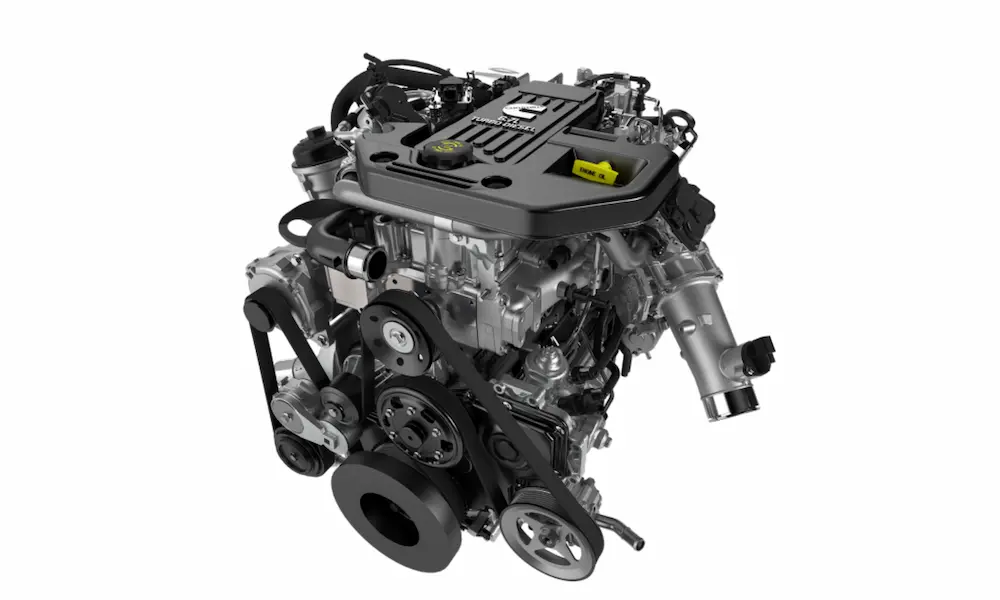
Diesel engines aren’t just gasoline engines with different fuel. They’re fundamentally different machines built around a completely different combustion process.
The Robust Construction Advantage
Diesel engines are essentially overbuilt by design. They operate at compression ratios around 20:1 compared to 10:1 for gasoline engines. This massive difference means diesel engines need:
- Reinforced engine blocks
- Stronger pistons and connecting rods
- Heavier-duty crankshafts
- Larger bearings throughout
These aren’t optional upgrades—they’re necessary components to handle the intense pressures inside a diesel engine. This robustness translates directly to longevity. Many commercial diesel engines routinely achieve 350,000 to 500,000 miles, with some reaching the million-mile mark with proper maintenance.
“The diesel engine’s significantly stronger construction is like comparing a commercial-grade refrigerator to a home model—it’s simply built to handle more stress over a longer period,” explains one diesel mechanic I interviewed.
The Lubrication Benefit
Diesel fuel itself contributes to engine reliability in a way gasoline can’t match. Unlike gasoline, which acts more like a solvent, diesel fuel has properties similar to light oil. This means:
- Natural lubrication of cylinder walls during combustion
- Reduced friction between moving parts
- Less wear on critical components
This natural lubrication benefit extends component life significantly and creates a more forgiving environment inside the engine.
Real-World Lifespan Comparison
When we look at hard numbers, diesel engines consistently outperform gasoline engines in longevity metrics.
| Engine Type | Average Lifespan | Common Maximum | Maintenance Intervals |
|---|---|---|---|
| Diesel | 300,000-500,000 miles | 1,000,000+ miles | 7,500-15,000 miles |
| Gasoline | 150,000-200,000 miles | 300,000 miles | 3,000-7,500 miles |
This dramatic difference in lifespan isn’t just anecdotal. Multiple industry sources confirm that properly maintained diesel engines consistently outlast their gasoline counterparts, often by a factor of two or more.
The U.S. Coast Guard data on marine diesel engines shows Mean Time Between Failures (MTBF) values of approximately 6,350 hours under rigorous operational conditions—an impressive figure for any mechanical system operating in challenging environments.
The Modern Diesel Reliability Paradox
Here’s where things get interesting. Despite their mechanical advantages, modern diesel engines face unique challenges that impact their overall reliability.
Emissions Systems: The Reliability Achilles’ Heel
Environmental regulations since 2004 have fundamentally changed diesel engines, adding complex emissions systems that include:
- Diesel Particulate Filters (DPF)
- Selective Catalytic Reduction (SCR) systems
- Exhaust Gas Recirculation (EGR) systems
- Diesel Exhaust Fluid (DEF) systems
These systems, while environmentally beneficial, have introduced significant reliability concerns. According to recent surveys, diesel engines now experience a fault rate of 31% compared to 20% for gasoline engines. This higher fault rate primarily stems from these emissions systems rather than core engine failures.
“Modern emissions systems have transformed diesel reliability from a straightforward advantage to a complex equation,” notes one fleet manager I consulted. “The core engine remains incredibly durable, but the surrounding systems can be problematic.”
The DEF System Challenge
The DEF (Diesel Exhaust Fluid) system has become particularly problematic. When these systems malfunction, vehicles can be limited to speeds as low as five miles per hour within hours, causing significant operational disruptions.
The EPA has recently acknowledged these issues, announcing new guidance to prevent sudden shutdowns and provide operators more time to address DEF-related faults.
Maintenance Requirements: Higher Cost but Lower Frequency
Maintaining a diesel engine creates a different cost structure than gasoline engines—generally less frequent but more expensive when needed.
The Cost-Frequency Balance
Diesel engines typically require:
- Oil changes every 7,500-15,000 miles (vs. 3,000-7,500 for gasoline)
- More expensive oil changes ($100-$200 vs. $40-$80 for gasoline)
- More frequent fuel filter changes
- Specialized maintenance for turbochargers and emissions systems
The absence of spark plugs in diesel engines eliminates one common maintenance item, as glow plugs typically last 100,000 miles or more compared to spark plugs requiring replacement every 20,000-30,000 miles.
Overall, diesel repairs are typically 30-50% more expensive than gasoline engine repairs, but they occur far less frequently when considering core engine components.
Application Matters: Where Diesel Reliability Truly Shines
The reliability advantage of diesel engines varies dramatically depending on how they’re used.
Commercial Applications: Diesel Dominance
In commercial applications involving continuous operation and heavy loads, diesel engines demonstrate exceptional reliability advantages:
- Trucking fleets regularly see 500,000+ mile lifespans
- Construction equipment operating in extreme conditions
- Marine applications requiring continuous operation
The ability to operate efficiently at lower RPMs contributes to reduced wear in these demanding environments, making diesel the undisputed reliability champion for heavy-duty applications.
Passenger Vehicles: A More Complex Picture
For everyday drivers, the reliability equation isn’t as clear-cut. Modern gasoline engines have achieved significant reliability improvements, while diesel emissions complexities can offset traditional durability advantages.
Recent J.D. Power reliability studies indicate that hybrid vehicles currently achieve the best reliability ratings, followed by gasoline engines, electric vehicles, and then diesel engines. This ranking reflects the current impact of emissions system complexity on diesel reliability.
If you drive less than 15,000 miles annually, a modern gasoline engine might actually provide better overall reliability due to fewer emissions-related issues.
Driving Style and Reliability: A Critical Connection
How you drive dramatically impacts diesel reliability—perhaps more than with any other engine type.
The Short-Trip Problem
Diesel engines and their emissions systems were designed for sustained operation. Short trips create specific problems:
- Incomplete DPF regeneration cycles
- Carbon buildup in intake systems
- Insufficient engine temperature for optimal combustion
- Incomplete burning of fuel in cylinders
Diesel engines that primarily experience short trips (under 10 miles) often develop problems with their emissions systems that wouldn’t occur under longer, steady-state operation.
“A diesel engine that never gets a good highway run is like an athlete who never gets to stretch—problems are inevitable,” explains one diesel technician.
The Highway Hero
Conversely, diesel engines excel in highway applications. Steady-state operation at highway speeds allows:
- Complete combustion cycles
- Proper emissions system operation
- Optimal engine temperature
- Minimal wear on components
This is why long-haul trucking companies overwhelmingly choose diesel power despite the higher initial cost.
The Financial Equation: When Diesel Reliability Pays Off
The financial benefits of diesel reliability depend heavily on your specific use case.
High-Mileage Applications
If you drive more than 30,000 miles annually, diesel’s superior lifespan typically overcomes the higher initial cost and maintenance expenses. Consider:
- Double the engine lifespan
- Better fuel efficiency (20-30% better than gasoline)
- Stronger resale value
- Lower lifetime cost per mile
For high-mileage operators, the math strongly favors diesel power despite the higher purchase price.
Low-Mileage Applications
For drivers covering less than 15,000 miles annually, the financial equation often favors gasoline engines:
- Lower purchase price
- Simpler maintenance
- Fewer emissions-related issues
- More repair facilities available
The diesel reliability advantage simply doesn’t have enough miles to manifest itself before other factors like emissions system issues become problematic.
Modern Diesel Reliability Improvements
Manufacturers haven’t ignored the reliability challenges of modern emissions systems. Recent developments include:
- More robust DPF systems with improved regeneration cycles
- Enhanced DEF systems with better resistance to contamination
- Improved EGR cooling systems to prevent clogging
- More graceful degradation modes for emissions failures
These improvements are gradually addressing the reliability gap created by emissions regulations, with newer diesel engines showing better overall reliability than those from the 2010-2015 era when many of these systems were first implemented.
Making the Right Choice for Your Situation
So, are diesel engines more reliable? The answer depends entirely on your specific situation.
For commercial applications, high-mileage drivers, and those who need maximum durability, diesel engines remain the reliability champions despite emissions system challenges. The core engine design advantages and fundamental durability benefits create a compelling reliability case.
For average drivers covering typical annual mileage, modern gasoline engines might actually provide better overall reliability with fewer headaches. The simplicity advantage shouldn’t be underestimated.
The key is matching your engine choice to your specific needs rather than relying on generalized statements about reliability. A diesel engine that perfectly matches your usage pattern will likely provide exceptional reliability, while one that’s mismatched to your driving style might cause unexpected problems.
Remember that proper maintenance is critical for maximizing reliability with either engine type—but especially with modern diesels, where emissions systems require particular attention to operating conditions and service intervals.
When properly matched to the application and well-maintained, diesel engines continue to set the standard for long-term mechanical reliability—but they’re no longer the simple, bulletproof option they once were before the emissions revolution.