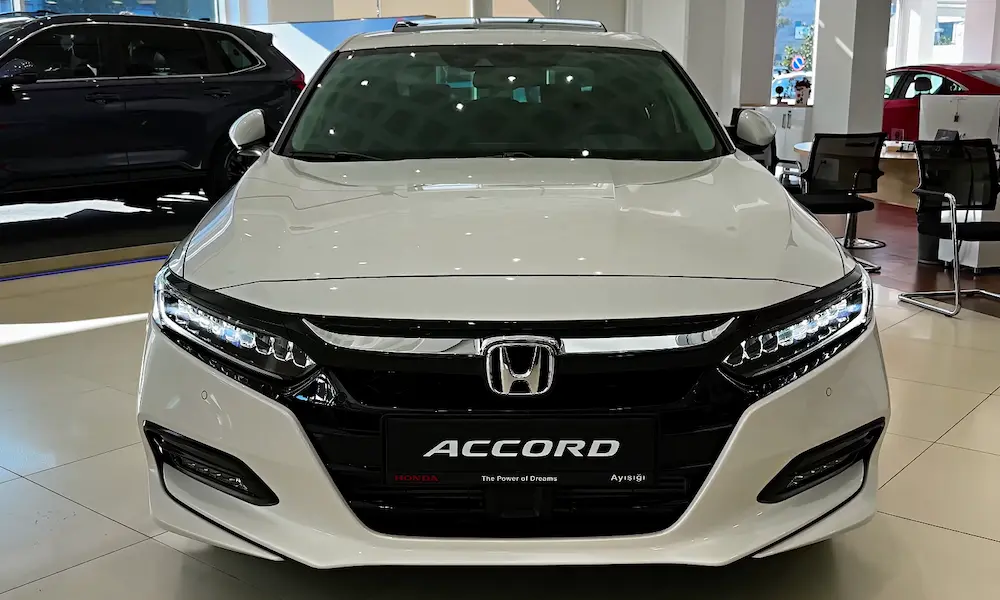
Thinking about buying a Honda Accord but wondering if it’ll stick around for the long haul? You’re making a smart move by doing your homework first. The short answer: with proper care, your Accord can easily hit 200,000 to 300,000 miles and keep running strong for 15-20 years or more. Let’s dig into what makes these sedans tick and how you can squeeze every last mile out of yours.
What’s the Typical Lifespan of a Honda Accord?
Honda Accords aren’t just good cars—they’re workhorses that’ll stick with you through thick and thin. Properly maintained examples routinely cruise past 200,000 miles without breaking a sweat.
The magic number most owners see is somewhere between 200,000 and 300,000 miles. That’s not some theoretical maximum either. Real people drive these distances every day.
Here’s the thing: Honda built its reputation on conservative engineering. They don’t chase flashy features that break after the warranty expires. Instead, they focus on proven components that just work.
According to data from RepairPal and industry experts, Accords consistently beat the industry average for midsize sedans. That’s why you see so many high-mileage examples still rolling around.
Real-World Examples That’ll Blow Your Mind
Let’s talk about some Accords that refused to quit.
Joe LoCicero, a mechanic from Maine, drove his 1990 Honda Accord past the million-mile mark. That’s not a typo. He racked up over 1,000,000 miles using the car for work-related travel.
His secret? Nothing fancy. Just consistent maintenance and OEM parts. Over the vehicle’s lifetime, he performed 185 oil changes, replaced the timing belt 9 times, swapped brake pads 13 times, and went through 72 sets of tires. That’s dedication paying off.
Then there’s the 1991 Accord EX that hit 1.16 million miles while staying in the same family for two generations. Think about that—a car outlasting multiple family members’ driving careers.
Even modern Accords prove their worth. A 2017 Accord Hybrid accumulated 582,000 miles by 2021. That demolishes the myth that hybrid systems can’t handle serious mileage.
Which Accord Generations Last the Longest?
Not all Accord years are created equal. Some generations will serve you faithfully for decades, while others present headaches you don’t need.
The Rock-Solid Years You Want
2006-2007 models represent peak seventh-generation reliability. Honda ironed out earlier transmission gremlins while keeping the robust build quality that made them famous. Mechanics love these years, and for good reason.
2011-2012 eighth-generation models deliver excellent reliability with minimal complaints. These years hit the sweet spot between modern features and proven engineering.
2015-2017 ninth-generation models marked a comeback after some rough early years. Honda addressed electrical issues and refined the engineering, creating dependable daily drivers.
The 2018-present tenth and eleventh-generation models continue Honda’s reliability streak. While their long-term durability is still being proven, early signs look promising.
The Years You Should Skip
1998-2005 models suffer from well-documented automatic transmission failures. These sixth and early seventh-generation vehicles typically give up around 70,000-100,000 miles. They also deal with body integrity issues and frequent airbag recalls from NHTSA.
2008-2010 models represent the most problematic era. The 2008 model year alone racked up over 2,495 complaints according to NHTSA data. Owners deal with premature brake wear, excessive oil consumption, and various quality control problems.
2013-2014 models bring electrical headaches, particularly with starting systems and battery drain that typically show up after the warranty expires.
| Generation | Best Years | Years to Avoid | Common Issues |
|---|---|---|---|
| 6th Gen (1998-2002) | None | 1998-2002 | Transmission failures, body issues |
| 7th Gen (2003-2007) | 2006-2007 | 2003-2005 | Early years: transmission problems |
| 8th Gen (2008-2012) | 2011-2012 | 2008-2010 | Brake wear, oil consumption |
| 9th Gen (2013-2017) | 2015-2017 | 2013-2014 | Electrical problems, starting issues |
| 10th Gen (2018-2022) | 2018-2022 | None yet | Still proving long-term reliability |
What Makes Accord Engines So Reliable?
Honda’s engine philosophy is simple: durability beats peak performance. That’s why their powerplants keep running when competitors give up.
The Bulletproof K24 Four-Cylinder
The K24 series is Honda’s reliability champion. These four-cylinder engines power millions of Accords with exceptional dependability.
What makes them special? Forged internals, moderate compression ratios, and cast-iron cylinder sleeves. Honda didn’t cut corners where it matters.
With proper maintenance, K24 engines routinely exceed 200,000 miles without major issues. The most common problems are minor: front crankshaft seal replacement around 100,000-150,000 miles and timing chain tensioner attention in high-mileage examples.
Neither issue causes catastrophic failure when you catch it early. That’s the K24’s strength—it gives you warning signs instead of sudden death.
The J35 V6’s Strong Performance
The J35 V6 family delivers solid reliability when you treat it right. It’s got more power than the four-cylinder but needs a bit more attention.
Early J35 engines with Variable Cylinder Management (VCM) systems experienced piston ring wear and oil consumption issues. Honda extended warranties and pushed software updates to address the problem.
Later versions fixed these gremlins while keeping the engine’s inherent toughness. Just stay on top of timing belt replacement every 105,000 miles and regular valve adjustments.
Maintenance: The Make-or-Break Factor
Here’s the truth: even the best-built car will fail without proper maintenance. Your Accord’s longevity depends on what you do (or don’t do) in your garage or at the shop.
What You’ll Actually Spend
Honda recommends service every 7,500 miles under normal driving conditions. But what’s “normal”? If you’re doing stop-and-go city driving, extreme temperatures, or frequent short trips, you’ll need more frequent service.
Annual maintenance costs average $400-$428 according to RepairPal, which is significantly below the industry average for midsize sedans. That’s money staying in your pocket.
Major services hit at 30,000, 60,000, and 90,000 miles. These run $945-$1,134 for comprehensive services. Sounds like a lot, but it’s cheaper than a new transmission.
Critical maintenance items include:
- Oil changes every 5,000-7,500 miles
- Transmission fluid changes every 30,000-45,000 miles
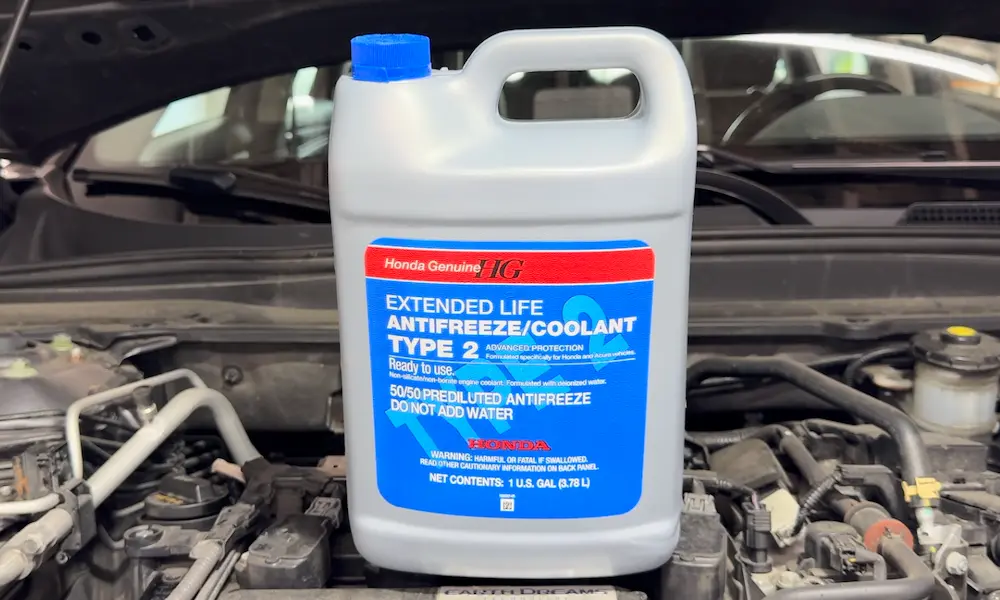
- Coolant system flushes every 100,000 miles
Going Beyond the Basics
Want to join the 300,000-mile club? You’ll need to go beyond Honda’s recommendations.
Successful high-mileage owners swear by 5,000-mile oil change intervals using high-quality synthetic oil. Don’t wait for the maintenance minder to tell you—just do it.
Transmission fluid deserves special attention. Change it every 30,000-40,000 miles instead of Honda’s conservative 60,000-mile recommendation. Your transmission will thank you by not failing.
Additional preventive measures include:
- Brake fluid replacement every 2-3 years
- Coolant system flushes every 100,000 miles
- Timing belt replacement at specified intervals
- Regular inspection of suspension components and engine mounts
Regular inspection catches small problems before they become expensive disasters. A worn engine mount costs a fraction of what you’ll pay if it breaks and damages other components.
How Your Driving Habits Affect Longevity
The way you drive directly impacts how long your Accord lasts. It’s not just about miles—it’s about how you accumulate them.
Drive Like You Care
Gentle driving significantly extends your Accord’s lifespan. Smooth acceleration, gradual braking, and moderate speeds reduce stress on components.
High-mileage examples consistently show conservative driving patterns. Their owners avoid aggressive acceleration and excessive speeds that accelerate wear.
Highway driving generally proves less stressful than city conditions. Steady-state operation reduces transmission cycling and brake wear. But don’t use your Accord exclusively for one type of driving—varied operation prevents issues.
Where You Live Matters
Climate and driving conditions significantly impact how long your Accord lasts. Moderate climates and well-maintained roads provide optimal conditions for maximum lifespan.
Salt exposure, extreme temperatures, and rough roads accelerate component wear. If you live in the Snow Belt, you’ll need more frequent maintenance and rust protection.
Regular washing isn’t just cosmetic—it removes corrosive materials before they eat your car. Underbody protection becomes essential in areas using road salt.
Covered parking and protection from direct sunlight help preserve interior and paint quality over extended ownership periods.
Common Problems You Need to Know About
Even reliable cars have weak spots. Knowing your Accord’s vulnerabilities helps you prevent expensive failures.
Transmission: The Achilles’ Heel
Automatic transmission longevity varies wildly by generation. Early 2000s models experienced well-documented failures, while later generations demonstrate improved durability.
Regular fluid changes using Honda-specified ATF significantly extend transmission life. Don’t cheap out here—generic fluid doesn’t cut it.
CVT transmissions in newer models need particular attention. Service them every 30,000-40,000 miles despite Honda’s longer official recommendations. Proper CVT service requires specific procedures and OEM fluid.
Brake System Basics
Brake system longevity depends on driving conditions and maintenance practices. Average brake pad life ranges from 25,000-65,000 miles depending on usage.
Some generations, particularly 2008-2010 models, experience premature brake wear requiring more frequent attention. Budget accordingly if you’re buying these years.
Regular brake fluid replacement every 2-3 years prevents internal corrosion and maintains optimal performance. Quality brake pads and rotors make a huge difference—OEM or equivalent parts provide superior durability compared to budget alternatives.
Electrical System Quirks
Modern Accords feature increasingly complex electrical systems. Battery health, alternator condition, and wiring integrity all need attention.
Replace your battery every 4-5 years to prevent starting issues and electrical system stress. A dead battery strands you and stresses other components.
Certain model years experience specific electrical issues, including ignition switch failures in older generations and starting problems in 2013-2014 models. Early diagnosis and repair prevent these issues from causing additional damage.
What You’ll Actually Pay to Own an Accord
Honda Accord ownership economics favor keeping your car long-term. Low maintenance costs, strong resale values, and proven durability make extended ownership financially attractive.
The Real Numbers
Five-year maintenance costs typically range from $3,344-$3,756. Repair costs add approximately $601-$712 over the same period. These figures place Accord ownership well below luxury competitors while providing comparable reliability.
Insurance costs average $2,215 annually, benefiting from the Accord’s excellent safety ratings and low theft rates. That’s reasonable for a midsize sedan with this much capability.
Fuel efficiency across all generations helps control operating costs. Modern variants achieve 30+ mpg in mixed driving, which adds up to serious savings over years of ownership.
Resale Value Reality
Honda Accords maintain strong resale values because of their reliability reputation. High-mileage examples retain significant value when properly maintained—200,000+ mile vehicles still command meaningful prices.
This strong resale value reflects buyer confidence in Honda reliability. It makes the initial purchase price more palatable when you consider long-term ownership costs.
The combination of low maintenance costs, strong reliability, and good resale values creates favorable total ownership economics. You’ll spend less keeping an Accord running than almost any competitor.
| Ownership Aspect | 5-Year Cost | Notes |
|---|---|---|
| Maintenance | $3,344-$3,756 | Below industry average |
| Repairs | $601-$712 | Assumes proper maintenance |
| Insurance | $11,075 (avg) | Based on $2,215/year |
| Fuel | Varies | 30+ mpg helps control costs |
Your Accord Can Last Decades With the Right Care
Honda Accords deliver exceptional longevity when you treat them right. The 200,000-300,000 mile lifespan isn’t just possible—it’s common with proper maintenance and conservative driving.
Focus on 2006-2007, 2011-2012, and 2015+ model years for maximum reliability. Avoid the problematic 1998-2005, 2008-2010, and 2013-2014 generations unless you’re getting a screaming deal and know what you’re getting into.
Success comes down to commitment. Stay on top of regular maintenance, use quality parts and fluids, and pay attention to early warning signs. Your Accord will reward you with decades of reliable service.
With proper care, these vehicles can easily serve you for two decades or more. That’s exceptional value in today’s automotive marketplace, where planned obsolescence seems like the norm.
The million-mile Accords prove what’s possible. While you might not chase that kind of mileage, hitting 250,000 miles is absolutely achievable. That’s a lot of daily commutes, road trips, and errands without car payments.