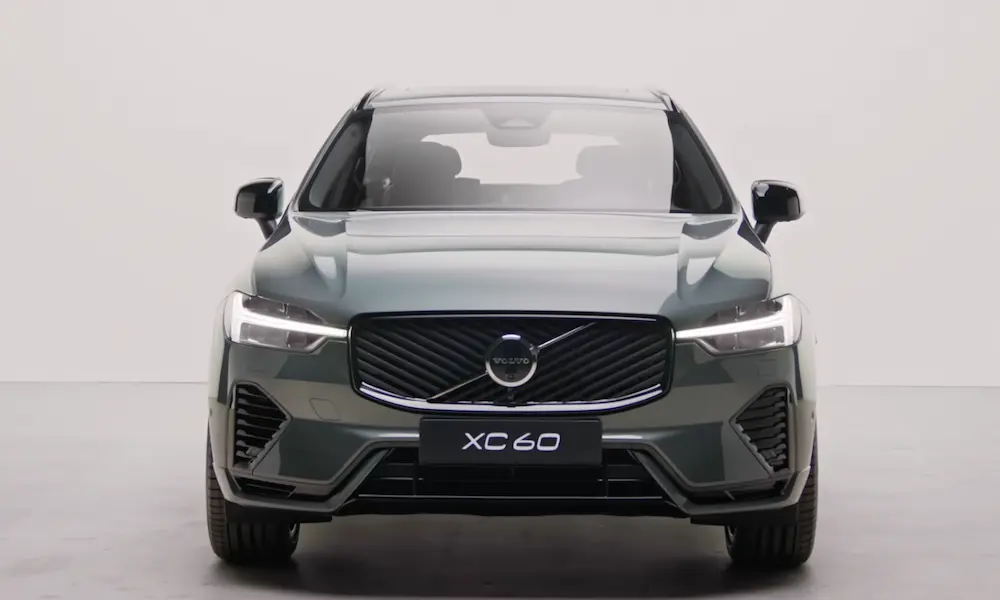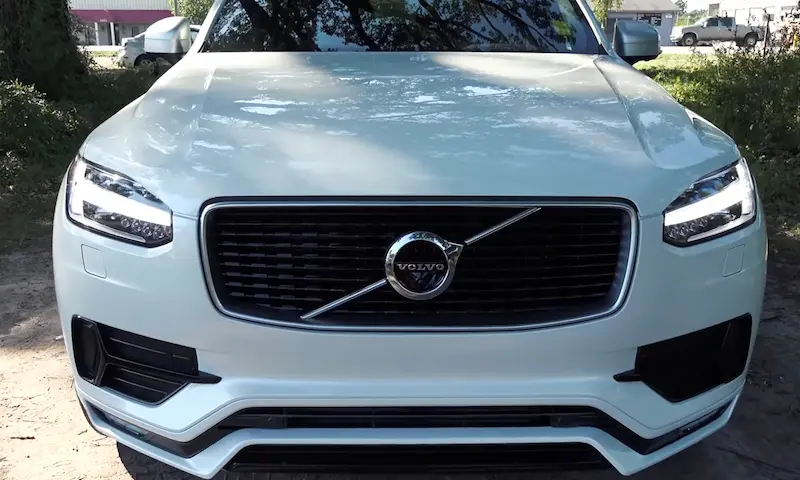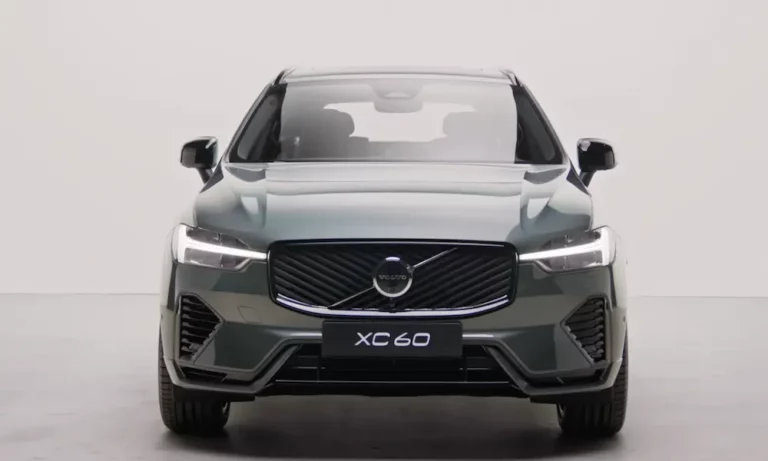
Shopping for a luxury SUV and wondering if the Volvo XC60 delivers on reliability? You’re asking the right questions. The XC60 sits in a competitive segment where buyers expect both premium features and dependable performance. Let’s dig into the real-world data and see if this Swedish SUV earns its keep.
What Makes the XC60 Stand Out for Reliability
Are Volvo XC60 reliable? The short answer is yes, but with important caveats. The XC60 ranks 4th out of 11 luxury compact SUVs with a solid 4.0 out of 5.0 reliability rating from RepairPal. That’s above-average performance in a demanding segment.
Here’s what the numbers tell us: XC60 owners face only a 7% probability of severe repairs. Compare that to the luxury SUV average of 10% and the industry-wide average of 12%. Your XC60 is statistically less likely to leave you stranded or hit you with surprise repair bills.
J.D. Power gives the 2024 XC60 a reliability score of 74 out of 100. That’s in the “Average” range, which might sound underwhelming. Remember though, luxury vehicles pack complex technology that can challenge even the best manufacturers.
The Money Side: What You’ll Actually Pay
Annual maintenance and repair costs average $746 per year for the XC60. That’s $113 less than the luxury SUV segment average of $859. You’ll visit repair shops about 0.5 times per year for unscheduled repairs, compared to 0.6 times for other luxury SUVs.
Over 10 years, expect to spend around $12,978 on maintenance and repairs. That’s $484 more than the industry average for luxury SUVs, but it remains competitive within its segment.
Here’s a breakdown of routine maintenance costs:
| Service Type | Cost Range | Frequency |
|---|---|---|
| Oil and filter changes | $187-$263 | Every 10,000 miles |
| Air filter replacement | $80-$120 | Every 20,000 miles |
| Brake fluid service | $150-$200 | Every 37,500 miles |
| Spark plug replacement | $300-$450 | Every 75,000 miles |
The first five years typically cost around $4,090 in maintenance. That’s actually $1,443 less than the luxury SUV average.
Model Years That Shine (And Others to Skip)
Best Choices: 2016-2017, 2020-2021, 2023-2024
The 2016 and 2017 models represent the peak of first-generation reliability. These years received extensive refinements, with the 2016 model earning IIHS Top Safety Pick+ awards. The proven T5 and T6 engines in these years have solid track records.
For second-generation models, focus on 2020-2021 and 2023-2024. After working through early issues, these years demonstrate excellent reliability. The 2023 and 2024 models benefit from Google-based infotainment systems that solved earlier software headaches.
Years to Avoid: 2010, 2013, 2015, 2018-2019, 2022
The 2010 model suffers from fuel pump failures, electrical problems, and water intrusion issues. The 2015 model is particularly troublesome, with reports of coolant leaking into the transmission and various interior defects.
Early second-generation models (2018-2019) experienced growing pains including electrical problems, tailgate malfunctions, and brake system recalls. The 2019 model had especially concerning reports of wheels detaching. The 2022 model received poor ratings due to infotainment glitches and reliability concerns.
Common Problems You Should Know About
Electrical Gremlins
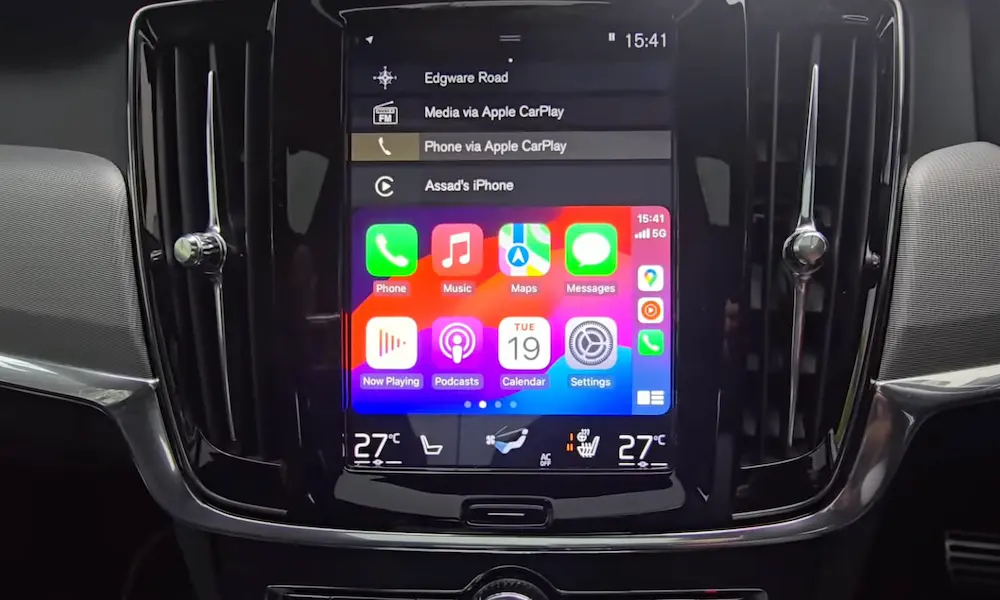
Modern XC60s can develop electrical issues affecting various systems. The older Sensus infotainment system frequently freezes, loses Bluetooth connectivity, or randomly reboots. Recent models with Google-based systems have largely fixed these problems.
Power Steering Troubles
Multiple model years experience power steering problems including whining noises, difficult turning, and sudden loss of power assist. These issues typically stem from problems between the steering rack and high-pressure lines.
Engine Performance Issues
Diesel XC60s can suffer from DPF (diesel particulate filter) blockages. This causes reduced power, poor fuel economy, and emission warning lights. It’s especially problematic if you mainly drive short city trips.
Tailgate Problems
Models built between 2017-2019 frequently experience tailgate lifting arm failures. The rear hatch becomes stiff or stops working entirely. This issue affected over 45,000 vehicles and required recall attention.
Recent Safety Concerns
A significant brake failure recall in 2025 affects hybrid and electric XC60 models from 2022-2026. This urgent recall addresses potential complete brake loss during extended downhill regenerative braking. If you own an affected vehicle, get the over-the-air software update immediately.
How It Stacks Against the Competition
Versus BMW X3
The XC60 offers standard all-wheel drive while the X3 makes it optional. Maintenance costs typically run lower than the BMW. However, the X3 delivers sportier handling and a more engaging driving experience.
Versus Audi Q5
The XC60 provides more cargo space and generally lower maintenance costs. Both offer similar reliability, but the Q5 has a slight edge in interior materials and technology integration.
Versus Mercedes GLC
The XC60 usually costs less to maintain than the Mercedes. Both prioritize safety and comfort, but the GLC carries more brand prestige. The XC60 counters with better value and competitive reliability.
| Model | Annual Maintenance Cost | Reliability Rating | Standard AWD |
|---|---|---|---|
| Volvo XC60 | $746 | 4.0/5.0 | Yes |
| BMW X3 | $875 | 3.8/5.0 | No |
| Audi Q5 | $825 | 3.9/5.0 | Yes |
| Mercedes GLC | $950 | 3.7/5.0 | Yes |
Maintenance Schedule and Service Tips
Volvo recommends maintenance every 10,000 miles or 12 months, whichever comes first. This extended interval helps keep costs manageable compared to competitors requiring more frequent service.
Key Service Intervals:
- Oil and filter changes: Every 10,000 miles
- Air filter replacement: Every 20,000 miles
- Brake fluid service: Every 37,500 miles
- Spark plug replacement: Every 75,000 miles
Don’t skip the recommended services. XC60s with complete service records maintain better reliability and stronger resale values. Find a Volvo specialist or quality independent shop familiar with European vehicles.
Long-Term Ownership: What to Expect
Years 1-3: Warranty Peace of Mind
The XC60 comes with a 4-year/50,000-mile comprehensive warranty. Most issues during this period get covered. You’ll mainly handle routine maintenance like oil changes and tire rotations.
Years 4-7: The Sweet Spot
Well-maintained XC60s from good model years typically perform excellently during this period. You might face some wear items like brake pads, but major systems usually remain trouble-free.
Years 8-10: Higher Maintenance Phase
Expect more frequent repairs as components age. Electrical issues become more common, and you might need suspension work or major services. However, a well-cared-for XC60 can easily reach 150,000+ miles.
Technology and Features Impact on Reliability
Infotainment Evolution
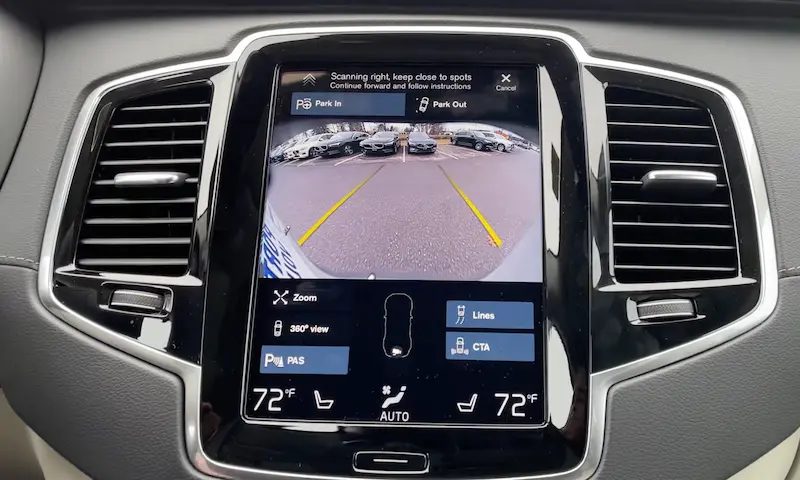
Early Sensus systems caused headaches, but Google-based systems in newer models work much better. The touchscreen interface controls many vehicle functions, so software reliability matters more than in simpler vehicles.
Advanced Safety Systems
Volvo’s Pilot Assist and other safety features generally work well but can require expensive repairs when they fail. Sensors and cameras need occasional calibration, especially after windshield replacement.
All-Wheel Drive System
The standard all-wheel drive system adds complexity but proves reliable in most XC60s. Regular differential service helps prevent expensive repairs down the road.
Red Flags When Shopping Used
Service History Gaps
Avoid XC60s without complete service records. These vehicles often hide expensive deferred maintenance. Volvo’s complex systems need regular attention to stay reliable.
Modified Vehicles
Stick to stock XC60s. Aftermarket modifications can introduce reliability issues and void warranty coverage. Performance chips and suspension modifications cause particular concern.
Accident History
Modern XC60s pack expensive sensors and safety equipment. Even minor accidents can damage costly components. Always get a thorough pre-purchase inspection.
Insurance and Ownership Costs
The XC60 typically costs more to insure than mainstream SUVs but remains competitive among luxury vehicles. Its excellent safety ratings help keep premiums reasonable.
Parts costs run higher than domestic or Japanese brands, but they’re reasonable for European luxury standards. Independent shops can help reduce labor costs while maintaining quality.
Real Owner Experiences
Most XC60 owners report satisfaction with reliability, especially from recommended model years. Common praise includes excellent safety features, comfortable rides, and reasonable maintenance costs for the luxury segment.
Complaints typically focus on infotainment glitches in older models and occasionally expensive repairs when things do go wrong. However, severe problems remain relatively rare.
Making Your Decision
Buy if:
- You prioritize safety above all else
- You want standard all-wheel drive
- You prefer understated luxury
- You’re shopping from recommended model years
Consider alternatives if:
- You want the sportiest driving experience
- You’re extremely budget-conscious
- You prefer flashier luxury brands
- You’re looking at problematic model years
Are Volvo XC60 reliable? Yes, when you choose the right model year and maintain them properly. The XC60 offers above-average reliability in the luxury SUV segment, competitive maintenance costs, and exceptional safety credentials.
Focus on 2016-2017, 2020-2021, or 2023-2024 models while avoiding problematic years. With proper care, a good XC60 will deliver years of dependable luxury transportation. The combination of Swedish engineering, reasonable ownership costs, and proven longevity makes it a smart choice for buyers who want reliability without sacrificing luxury features.
Remember, no luxury SUV is maintenance-free. But the XC60 demands less attention and money than many competitors while delivering the safety and comfort Volvo is known for. If you’re willing to follow the maintenance schedule and choose carefully, the XC60 can be a reliable long-term companion.