Looking for the real story on boxer engine reliability? Whether you’re considering a Subaru, Porsche, or any vehicle with this distinctive engine layout, you’ve probably heard mixed opinions. We’ll dive into what makes these engines special, their common issues, and whether they deserve their reputation—good or bad.
What Makes a Boxer Engine Different?
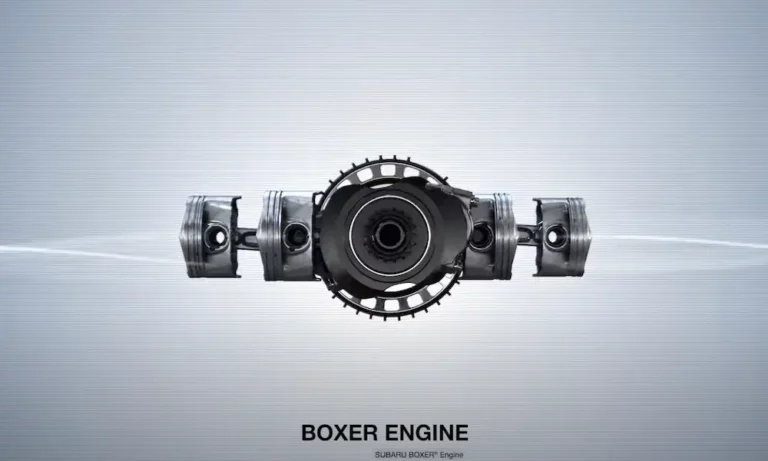
Boxer engines (also called “flat” or “horizontally opposed” engines) place their cylinders flat and opposite each other, moving like boxers punching simultaneously. This unique design creates several inherent advantages:
- Better Balance: The opposing pistons naturally cancel out vibrations, creating smoother operation without needing additional balance shafts
- Lower Center of Gravity: With the engine sitting flatter and lower in the chassis, vehicles handle better and feel more planted on the road
- Improved Safety: During a frontal collision, boxer engines are designed to slide under the passenger compartment rather than into it
“The horizontally-opposed configuration naturally balances the engine and reduces vibration,” explains Subaru’s engineering team in their technical documentation on boxer engine design.
How Reliable Are Boxer Engines Overall?
The reliability question isn’t straightforward—it varies significantly by manufacturer and model year.
Subaru Boxer Reliability
Subaru, the most prolific boxer engine manufacturer today, shows impressive longevity statistics:
- 96% of Subarus sold in the last decade remain on the road
- Many Subaru engines routinely exceed 200,000 miles with proper maintenance
- Modern Subarus (post-2012) have addressed many historical issues
However, these engines aren’t without their problems. A dedicated Subaru mechanic explains: “These engines can be extremely reliable, but they require more specific maintenance than conventional engines.”
Porsche Boxer Reliability
Porsche’s implementation of boxer engines tells a different story:
- Porsche Boxster models average a modest 2.5/5.0 reliability rating from RepairPal
- Higher maintenance costs reflect their performance-oriented design
- Later model years show significant reliability improvements
Common Boxer Engine Problems
Head Gasket Failures
The most notorious boxer engine issue, particularly for Subaru models from 1996-2004, was premature head gasket failure.
“The horizontal configuration means gravity works against head gaskets differently than in conventional engines,” notes automotive specialist Oliver Brown.
The good news? Subaru addressed this with improved materials and designs in later models.
Oil Consumption Issues
Excessive oil consumption has plagued some boxer engines, particularly Subaru models from 2011-2015. This issue was significant enough to result in class-action lawsuits.
The primary causes include:
- Oil pooling in the horizontal cylinders
- Piston ring wear
- Valve cover gasket deterioration
According to technical analysis, “The horizontal layout can cause oil to pool in certain areas when the engine sits idle, potentially accelerating wear on seals and gaskets.”
Accessibility Challenges
The boxer design creates inherent maintenance accessibility issues:
- Spark plug changes often require special tools or partial engine removal
- Timing belt/chain service is more labor-intensive
- Basic maintenance typically costs 10-30% more than equivalent inline engines
“Even basic maintenance like spark plug changes can be more complicated with boxer engines,” confirms a certified mechanic forum.
Maintenance Requirements for Maximum Reliability
To keep a boxer engine running reliably, follow these crucial maintenance practices:
Oil Change Frequency and Quality
Boxer engines demand more attention to oil maintenance:
- Change interval: Every 3,000-4,000 miles (slightly more frequent than manufacturer recommendations)
- Oil quality: Use synthetic oil with the proper viscosity rating
- Oil level checks: Monitor levels weekly due to consumption tendencies
“Regular oil changes are absolutely critical to boxer engine longevity,” emphasizes Dean Team Subaru’s service department.
Cooling System Maintenance
The cooling system in boxer engines works harder than in many conventional designs:
- Flush the coolant system every 30,000 miles
- Inspect for leaks around head gaskets regularly
- Consider preventative coolant additives in older models
Timing Belt/Chain Service
Never skip timing belt/chain service on boxer engines:
- Subaru EJ-series engines: Replace timing belts every 105,000 miles
- Newer FB-series engines: Timing chains need inspection at 100,000 miles
- Porsche engines: Follow manufacturer-specific intervals precisely
A specialist mechanic warns: “Missing timing belt maintenance on boxer engines can lead to catastrophic failure with valves hitting pistons.”
Cost Comparison: Boxer vs. Conventional Engines
The ownership economics of boxer engines differ significantly from conventional designs:
| Maintenance Aspect | Boxer Engine | Conventional Inline Engine |
|---|---|---|
| Annual Maintenance | $1,000-1,500 | $700-1,100 |
| 10-Year Ownership | $10,000-15,000 | $7,000-11,000 |
| Labor Hours (Timing Belt) | 4-6 hours | 2-3 hours |
| Spark Plug Replacement | $300-500 | $150-250 |
“The unique design creates higher labor costs, but many owners feel the performance benefits outweigh these expenses,” notes a detailed cost analysis video.
Are Modern Boxer Engines More Reliable?
Contemporary boxer engines have addressed many historical weaknesses:
Subaru Improvements
Subaru has made significant reliability enhancements:
- Strengthened head gasket materials and designs (post-2012)
- Improved oil consumption control in FB-series engines
- Enhanced cooling system efficiency
Porsche Advancements
Porsche’s boxer engines have seen even more dramatic improvements:
- Resolved infamous IMS bearing failures from early models
- Implemented more robust cooling systems
- Improved cylinder liner durability
“The engineering evolution of modern boxer engines has resolved many of the reliability concerns that plagued earlier generations,” confirms an automotive engineering assessment.
Which Boxer Engine Models Are Most Reliable?
If you’re shopping for a vehicle with a boxer engine, some models stand out for reliability:
Most Reliable Subaru Boxer Engines:
- 2.5L non-turbo EJ25 (2010-2012)
- 2.0L FA20 (2015+)
- 2.5L FB25 (2013+)
Most Reliable Porsche Boxer Engines:
- 2.7L/3.4L 9A1 series (2009+)
- 3.8L direct-injection flat-six (2012+)
“The later model Subaru FB and FA series engines have demonstrated excellent reliability while maintaining the boxer engine’s inherent balance advantages,” notes longevity research.
Real-World Longevity Examples
Many boxer engines exceed expectations with proper care:
- Numerous documented cases of Subaru engines exceeding 300,000 miles
- Porsche’s flat-six engines regularly achieve 200,000+ miles despite high-performance usage
- Commercial fleet data shows boxer engines matching or exceeding inline engine longevity when maintained properly
A Reddit discussion thread features dozens of owners reporting: “My Subaru boxer engine is at 275,000 miles and still running strong with regular maintenance.”
Are Boxer Engines Worth the Extra Maintenance?
The boxer engine question ultimately comes down to priorities:
Worth It If You Value:
- Superior handling from lower center of gravity
- Smoother operation with less vibration
- Unique engine character and sound
- All-weather capability (in Subaru’s AWD applications)
Consider Alternatives If:
- Minimum maintenance cost is your top priority
- You plan to do your own repairs
- You need maximum fuel efficiency
- You don’t drive in conditions that benefit from their advantages
“For enthusiasts who appreciate their unique characteristics, boxer engines offer a driving experience worth the additional maintenance considerations,” concludes specialist mechanic Scotty Kilmer.
Making Your Boxer Engine Last
If you own or plan to purchase a vehicle with a boxer engine, follow these reliability-maximizing strategies:
- Find a mechanic specifically experienced with boxer engines
- Never delay oil changes or cooling system maintenance
- Address small oil leaks promptly before they worsen
- Consider preventative head gasket replacement on older Subarus
- Use OEM or high-quality aftermarket parts
“Preventative maintenance is absolutely critical with boxer engines—more so than with many conventional designs,” emphasizes the Ultimate Subaru Forum.
The Boxer Engine Reliability Verdict
Are boxer engines reliable? With proper maintenance and care, absolutely. They offer unique advantages that many owners find worthwhile despite slightly higher maintenance requirements.
Modern boxer engines (particularly those made after 2012) have resolved many historical issues while maintaining the design’s inherent benefits. The key lies in understanding their specific needs and committing to proper maintenance schedules.
For those willing to provide the appropriate care, boxer engines can deliver hundreds of thousands of miles of smooth, balanced performance that conventional engine designs simply can’t match.