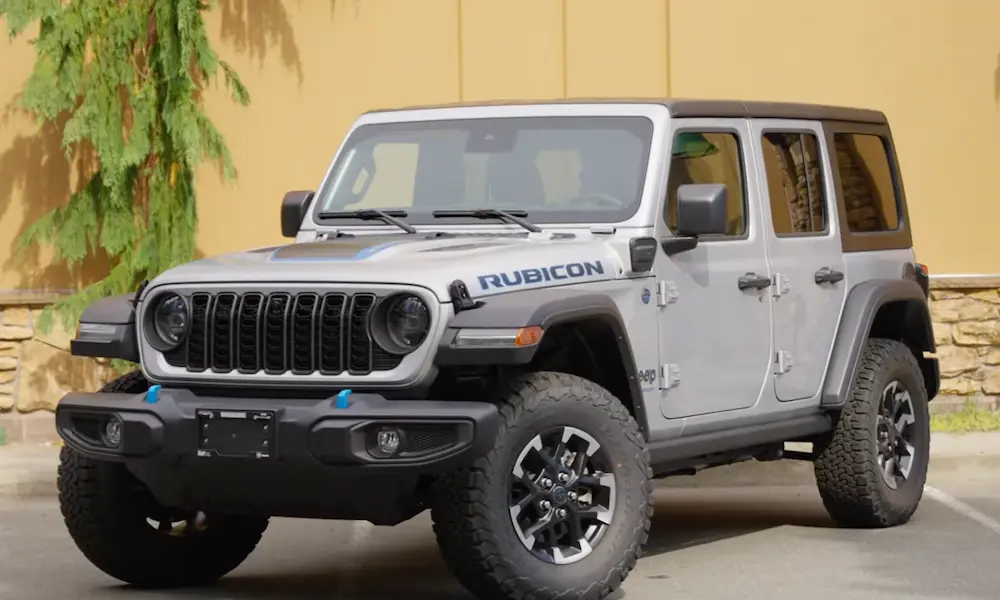
You’re eyeing that Jeep Wrangler with the 2.0 turbo engine, but you’ve heard mixed things about reliability. Good news—actual owner data and tech insights paint a surprisingly positive picture. Let’s dig into what makes this engine tick and whether it’ll leave you stranded or smiling.
What You’re Getting Under the Hood
The 2.0L Hurricane turbo cranks out 270 horsepower and 295 lb-ft of torque. That’s impressive punch from a four-cylinder, especially when you feel that torque hit at just 3,000 RPM.
This isn’t some experimental engine either. It’s an all-aluminum, direct-injection powerplant with a twin-scroll turbocharger and variable valve timing. Stellantis uses variations of this engine across multiple brands, including Alfa Romeo and Maserati.
Here’s what the spec sheet looks like:
- Displacement: 2.0 liters (1,995cc)
- Configuration: Inline-4, DOHC, 16-valve
- Aspiration: Twin-scroll turbocharger
- Fuel system: Direct injection
- Compression ratio: 9.5:1
- Recommended fuel: 87 octane (93 for max performance)
The torque delivery is what really sets this engine apart. You’ll get more low-end grunt than the 3.6L Pentastar V6, making daily driving feel snappier and more responsive.
Real Owners Share Their Experience
Here’s where jeep 2.0 turbo reliability gets interesting. Multiple owners report trouble-free operation well beyond 100,000 miles.
One 2018 Wrangler owner hit 130,000 miles with zero issues—just regular maintenance. Another owner pushed their 2019 model to 105,000 miles with extensive modifications, and it’s still running strong.
The reliability timeline shows steady improvement:
2018-2019: Early production saw some coolant leaks and water pump bolt torque issues
2020-2021: Production quality stabilized with fewer reported problems
2022-2025: Multiple high-mileage examples prove long-term durability
A Chrysler dealership technician dropped this insight on Reddit: “As a technician at a Chrysler, Dodge, Jeep, and Ram dealership, I personally prefer the 2.0L engine. While it’s encountered some problems, they’re less frequent compared to the 3.6L.”
That’s huge. A tech who works on these engines daily prefers the turbo four over the established V6.
The Issues You Should Know About
Coolant System Quirks
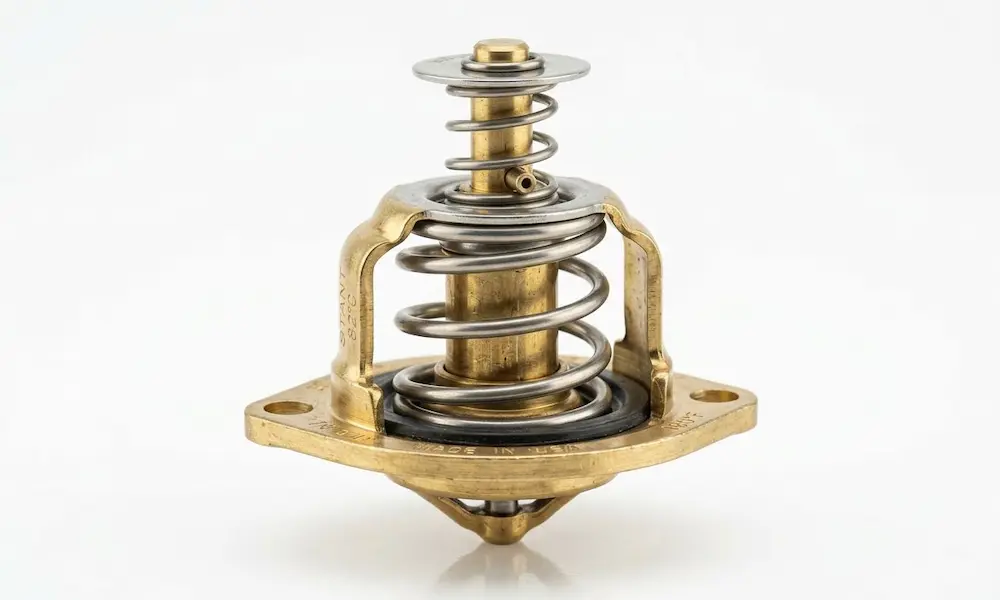
The most common problem involves coolant leaks from improperly torqued water pump inlet tube fasteners. Stellantis addressed this through Technical Service Bulletin 07-001-22 Rev. B, which requires checking and retorquing specific bolts.
This typically pops up around 7,000-10,000 miles. Watch for:
- Low coolant levels
- Visible coolant leaks near the firewall
- Engine overheating under load
- Coolant warning lights
The fix is straightforward and covered under warranty. If you’re experiencing coolant loss, request inspection using this TSB.
Carbon Buildup Reality
Direct injection engines accumulate carbon on intake valves—it’s just how they work. The Hurricane engine isn’t immune to this.
You can slow it down:
- Change oil every 5,000 miles instead of the recommended 10,000
- Use top-tier gasoline with detergent additives
- Hit the highway occasionally to heat-cycle the engine
- Get professional intake cleaning every 60,000-80,000 miles
Turbo-Related Problems
Turbocharger issues are rare. Most reported cases involve oil leaks from turbo oil lines or occasional boost control hiccups. One owner found a loose turbo oil return line that just needed tightening.
Some owners noted oil separator leaks around the passenger side of the engine block. It’s minor and doesn’t affect engine operation significantly.
The Catastrophic Failure Question
Yes, some catastrophic engine failures have been documented. But here’s the context—the failure rate appears lower than some other modern engines.
One documented case involved a 63,000-mile engine with catastrophic piston failure. However, teardown analysis suggested possible pre-ignition or detonation issues rather than inherent design flaws.
Many failures occur in modified vehicles or those with questionable maintenance histories.
What Maintenance Actually Costs
Maintenance costs for the 2.0 turbo match other modern turbo engines. The official schedule mirrors the 3.6L V6 except for more frequent spark plug changes.
Key maintenance intervals:
- Oil changes: Every 10,000 miles (many owners do 5,000)
- Spark plugs: Every 60,000 miles (twice as often as the V6)
- Air filter: Every 30,000 miles
- Transmission service: Every 60,000 miles
- Coolant system: Every 100,000 miles
Annual maintenance for Jeep Wranglers averages around $694 per year according to RepairPal. The 2.0 turbo doesn’t deviate much from this average, though premium fuel usage can increase operating costs if you run 93 octane for maximum performance.
Fuel Economy That Actually Matters
The 2.0 turbo significantly outperforms the 3.6L V6 in real-world fuel economy. Owners consistently report:
- City driving: 18-22 MPG
- Highway driving: 22-27 MPG
- Combined average: 20-24 MPG
One owner achieved 27 MPG on highway trips. Another reported 24-25 MPG average with mixed driving. That’s a significant improvement over the 3.6L V6, which typically averages 2-4 MPG less in similar conditions.
Performance delivery is also impressive. The engine provides strong low-end torque that makes it feel more responsive than the V6 in daily driving. However, turbo lag can be noticeable at highway speeds—some owners report 1.5-2 second delays when demanding sudden acceleration.
How It Stacks Up Against the 3.6L V6
According to dealership technicians, the 2.0 turbo actually has fewer reliability issues than the 3.6L Pentastar. Common 3.6L problems include:
- Head gasket failures
- Oil cooler leaks
- Rocker arm issues damaging camshafts
- Rear main seal leaks
- Cylinder head problems
The 2.0 turbo’s simpler design with fewer cylinders may contribute to its better reliability record. One technician noted: “I’ve replaced significantly more 3.6L engines, likely because they’ve been in production longer and are more prevalent.”
Power delivery characteristics also favor the turbo:
| Feature | 2.0 Turbo | 3.6L V6 |
|---|---|---|
| Low-end torque | Superior | Good |
| Fuel economy | 20-24 MPG | 18-21 MPG |
| Daily driving feel | More responsive | Linear power |
| Performance with 35″ tires | Better | Adequate |
Off-Road Performance Reality Check
The 2.0 turbo performs well in most off-road situations but has some limitations compared to naturally aspirated engines. The turbocharged nature provides excellent torque for climbing, but turbo lag can be problematic on steep technical terrain.
Advantages for off-road use:
- Strong low-end torque delivery
- Better fuel economy for long adventure trips
- Adequate power for moderate trail use
- Good performance with larger tires
Limitations:
- Turbo lag on technical climbs
- Less engine braking than naturally aspirated engines
- Potential heat management issues in extreme conditions
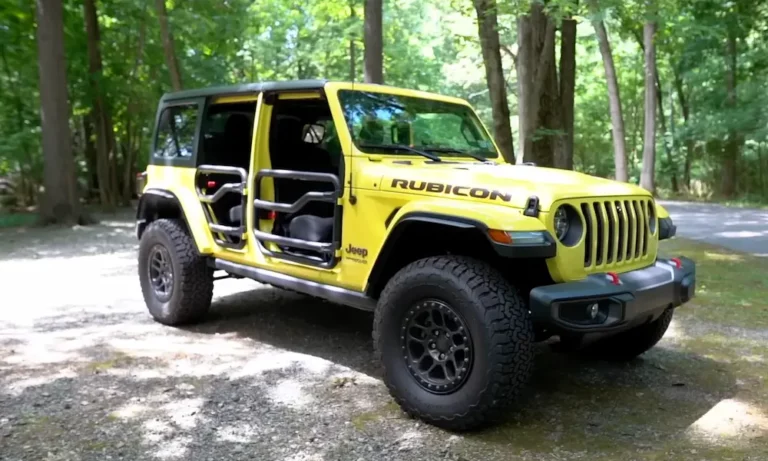
The Off-Road+ mode available on newer Rubicons helps mitigate some turbo lag issues by keeping the turbo spooled and adjusting transmission mapping.
How Long Will This Engine Last?
Expected lifespan for the 2.0 turbo is 200,000-250,000 miles with proper maintenance. This projection is based on:
- Current high-mileage examples showing good condition
- Similar engine architecture in other applications
- Proper maintenance protocols being followed
Factors that extend engine life:
- Regular oil changes with high-quality synthetic oil
- Use of top-tier gasoline
- Allowing proper warm-up and cool-down cycles
- Addressing TSB items proactively
- Professional carbon cleaning as needed
Warning signs to monitor:
- Coolant level fluctuations
- Unusual turbo noises or lag
- Check engine lights related to boost control
- Excessive oil consumption
Warranty Protection You Get
Stellantis provides comprehensive warranty coverage for the Hurricane engine:
- Powertrain warranty: 5 years/60,000 miles
- Basic warranty: 3 years/36,000 miles
- Extended Mopar plans: Available up to 8 years/125,000 miles
The manufacturer has been responsive to known issues through Technical Service Bulletins and warranty coverage for defects. Most early coolant system problems have been addressed through updated procedures and parts.
Who Should Buy This Engine?
The 2.0 turbo is perfect if you:
- Prioritize fuel economy over maximum power
- Primarily use your Jeep for daily driving and light off-road duty
- Appreciate modern turbo performance characteristics
- Are willing to follow proper maintenance protocols
- Plan to keep the vehicle for moderate term ownership (5-10 years)
Consider alternatives if you:
- Frequently engage in extreme technical rock crawling
- Prefer the simplicity of naturally aspirated engines
- Are uncomfortable with turbo engine maintenance requirements
- Plan to keep the vehicle beyond 200,000 miles
- Heavily modify the engine for increased performance
The Bottom Line on Jeep 2.0 Turbo Reliability
The jeep 2.0 turbo reliability story is surprisingly positive. Despite initial skepticism from traditional Jeep enthusiasts about a turbocharged four-cylinder, real-world data from high-mileage owners demonstrates solid long-term reliability when properly maintained.
The engine delivers better fuel economy, strong low-end torque, and according to dealership technicians, fewer reliability issues than the 3.6L Pentastar V6.
Yes, you’ll need to watch for coolant system issues covered by TSBs. Yes, direct injection means eventual carbon buildup. But these are manageable concerns that don’t significantly impact overall reliability.
With proper care and attention to known issues, you can expect years of dependable service from this powerplant. The 2.0 Hurricane turbo represents a successful modernization of Jeep’s engine lineup—providing contemporary efficiency and performance while maintaining acceptable reliability standards.