If you’re driving a Jeep Wrangler 4xe or Grand Cherokee 4xe, there’s a serious safety issue you can’t ignore. Over 154,000 vehicles face fire risks from defective batteries—even when parked and turned off. Here’s what’s happening, why it matters, and what you need to do right now to stay safe.
What’s Behind the Jeep 4xe Battery Recall?
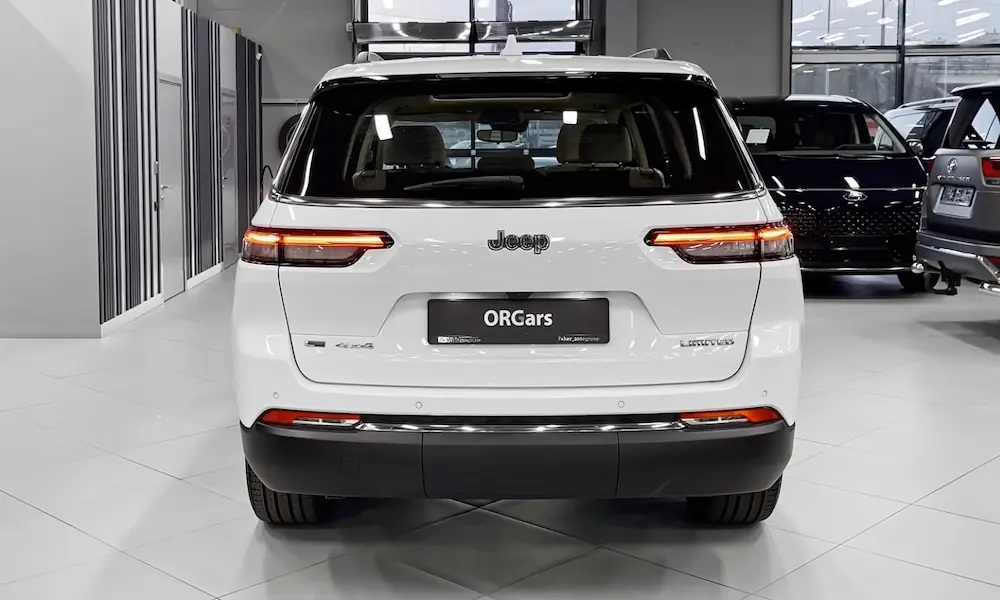
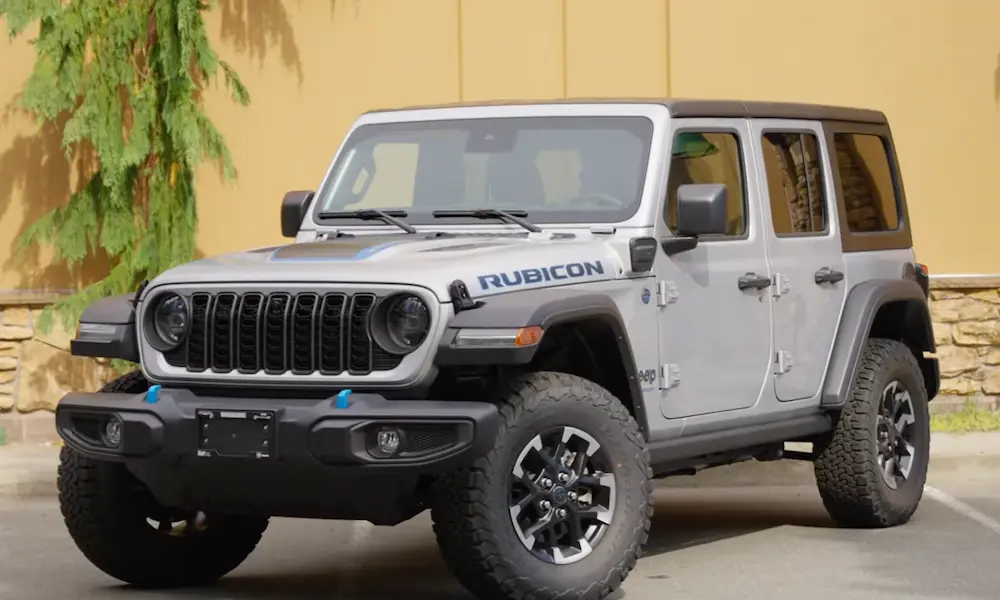
The Jeep 4xe battery recall affects 154,032 vehicles in the United States. That’s 118,230 Wrangler 4xe models from 2020-2024 and 35,802 Grand Cherokee 4xe models from 2022-2024.
Here’s the scary part: these vehicles can catch fire without warning. At least 13 fires have been reported, with two injuries linked to battery failures. The problem? Defective Samsung SDI-manufactured batteries that can fail even when your Jeep is sitting in your driveway.
This isn’t a small fix. NHTSA took the rare step of telling owners to park outside and away from buildings until repairs are done. That’s how serious this is.
The affected vehicles were built during specific windows. Wrangler 4xe models manufactured between July 1, 2020, and November 16, 2023, are on the list. Grand Cherokee 4xe models built between May 17, 2021, and November 16, 2023, are also included.
Why Are These Batteries Catching Fire?
The root cause is separator damage inside the high-voltage battery cells. Think of the separator as a critical barrier between positive and negative components in your battery. When it’s damaged, those parts can touch, causing short circuits, overheating, and fires.
Samsung SDI confirmed this in August 2024 after extensive investigation. The defect creates a chain reaction called thermal runaway—basically, the battery heats up uncontrollably until it ignites.
What makes this particularly dangerous is where Jeep put the battery. It’s mounted directly beneath the rear passenger seats. If something goes wrong, toxic gases and fire happen right next to where people sit. That’s not great design when you’re dealing with potential fire hazards.
The problem mirrors issues other manufacturers have faced. GM dealt with similar battery fires in the Chevrolet Bolt. It’s a broader industry challenge with lithium-ion battery quality control.
Timeline: How This Recall Unfolded
The First Warning Signs
In May 2023, FCA US (now Stellantis) received the first two reports of fires in 2021 Wrangler plug-in hybrids. The batteries just started burning—no collision, no warning, nothing.
More fire reports rolled in throughout 2023. By fall, they had seven incidents on their hands. All involved hybrid Wranglers from 2021-2022.
The First Recall Wasn’t Enough
On November 22, 2023, Stellantis announced the first recall affecting 32,125 Wrangler 4xe vehicles. The fix? A software update to detect battery problems early, plus battery replacement if codes showed issues.
Seemed reasonable, right? Wrong.
The Fix Failed
Between April and July 2024, three more Jeeps caught fire. Here’s the kicker—they’d already received the recall fix. The software update didn’t prevent the fires.
That’s when Stellantis realized they had a much bigger problem. The software couldn’t detect or prevent the separator damage causing fires.
The Expanded Recall
On September 27, 2024, Stellantis expanded the recall to 154,032 vehicles. Now both Wrangler and Grand Cherokee 4xe models across multiple years were included. The scope had grown nearly five times larger.
What You Need to Do Right Now
If you own an affected Jeep 4xe, follow these steps immediately:
Park Outside and Away From Structures
Don’t park in your garage. Don’t park near your house. Keep your Jeep away from other vehicles too. Fire risk exists 24/7, even when the vehicle is off.
Stop Charging Your Battery
The fire risk increases significantly with a charged battery. Don’t plug it in until repairs are complete.
Keep Your Distance
The further from buildings and other vehicles, the better. You’re protecting your property and potentially your neighbors’ too.
About 5% of recalled vehicles—roughly 7,700 Jeeps—likely have the actual defect. But there’s no way to know which ones until diagnostic testing happens.
How to Check If Your Jeep Is Affected
You’ve got several options to verify your vehicle’s recall status:
Online Check
Visit NHTSA.gov/recalls and enter your 17-character VIN. Results show up immediately.
Phone Options
Call NHTSA at 888-327-4236 with your VIN or license plate number. Or contact Stellantis customer service at 800-853-1403.
Mobile App
Download NHTSA’s SaferCar app for recall alerts sent directly to your phone.
Your VIN is on your dashboard (visible through the windshield), driver’s door jamb, and vehicle registration.
The Remedy Timeline and What to Expect
Stellantis is rolling out fixes in phases. Here’s the current schedule:
| Model | Dealer Notification | Owner Notification |
|---|---|---|
| Wrangler 4xe | December 7, 2024 | Starting December 17, 2024 |
| Grand Cherokee 4xe | January 4, 2025 | Starting January 16, 2025 |
What the Fix Involves
The remedy has two parts:
Software Update: New Battery Pack Control Module programming to better detect battery problems. This happens first.
Battery Replacement: If diagnostics show defects, you get a completely new high-voltage battery assembly.
Sounds straightforward, but there’s a catch. Many dealers report long waits for replacement batteries. Some owners are waiting months. Parts shortages are slowing everything down.
How the Fix Affects Your Jeep’s Performance
Here’s something Stellantis isn’t advertising loudly: the recall fix changes how your 4xe performs. Owners who’ve received the update report significant differences:
Electric Range Takes a Hit
Battery duration drops 20-30% in some cases. Your advertised range? Forget about it.
Power Gets Restricted
Electric mode now maxes out at 35-40% of previous power levels. Before the recall, you had 65% available. That’s a massive reduction.
Gas Engine Runs More Often
The engine kicks in way more frequently now. Your fuel economy—the whole point of buying a hybrid—suffers.
Acceleration Feels Sluggish
Merging onto highways in electric mode? It’s noticeably slower. Some owners call it a safety concern.
These aren’t bugs—they’re features. Stellantis programmed conservative limits to reduce battery stress and fire risk. But you’re not getting the hybrid performance you paid for anymore.
Legal Issues and Owner Rights
Class Action Lawsuits Are Piling Up
Multiple class action lawsuits target Stellantis over these battery defects. Pennsylvania resident Stan Paris sued after incurring significant parking expenses to keep his Jeep away from structures safely.
Other lawsuits address the FORM (Fuel and Oil Refresh Mode) feature that limits electric-only operation in cold weather. Cases like Jesse Crowell v. FCA and Singh v. Stellantis claim Jeep falsely advertised electric capabilities.
Lemon Law Protection
If your 4xe has persistent problems, state Lemon Laws might get you a buyback or replacement. Recent settlements have ranged from $59,152 to $129,631 depending on model year.
Lemon Law applies when:
- Multiple repair attempts fail to fix the same problem
- Your vehicle sits in the shop for extended periods
- The defect substantially impairs use, value, or safety
Document everything. Keep repair orders, rental car receipts, and correspondence with dealers. You’ll need this evidence for a Lemon Law claim.
What This Means for the Industry
Battery Manufacturing Quality Control Fails
The Jeep 4xe battery recall exposes bigger problems in the electric vehicle industry. Samsung SDI has recalled approximately 180,000 high-voltage battery packs across multiple manufacturers worldwide.
This isn’t just a Jeep problem. It’s a battery manufacturing quality control crisis.
Separator integrity during production is critical. Manufacturing environments need exceptional cleanliness standards. Even tiny contaminants can damage separators and create fire risks down the road.
Regulators Are Watching Closer
NHTSA’s unprecedented “park outside” warning signals a new era of regulatory scrutiny. Expect stricter safety standards for electric and hybrid vehicle batteries moving forward.
The recall demonstrates how quickly battery defects can escalate from isolated incidents to major safety crises. Manufacturers and suppliers need better quality control and post-sale monitoring systems.
Looking Ahead: What Happens Next
The Jeep 4xe battery recall isn’t over. Thousands of owners still wait for parts. Many who’ve received fixes deal with compromised performance. Some are pursuing legal action.
For current owners, staying vigilant matters. Check your recall status regularly. Complete repairs promptly when parts become available. Consider consulting a Lemon Law attorney if problems persist.
The ultimate resolution will test whether automakers can handle complex safety issues in electrified vehicles. It’ll also influence how the industry approaches battery supplier relationships and quality validation.
This recall serves as a warning: the transition to electric and hybrid vehicles comes with new risks. Manufacturing quality, safety validation, and rapid response to emerging issues must improve. Otherwise, we’ll see more recalls like this—vehicles parked outside, owners waiting months for fixes, and performance permanently compromised in the name of safety.
The 154,000 affected Jeep owners didn’t sign up for this. They wanted efficient, capable vehicles. Instead, they got fire risks, parking restrictions, and diminished performance. That’s not acceptable, and it shouldn’t become the new normal as we electrify our transportation.