Thinking about buying a Jeep Wrangler but worried it’ll turn into a money pit? You’re asking the right question. With proper care, a Jeep Wrangler typically lasts 15-20 years and easily hits 200,000-300,000 miles. Some lucky owners blow past 400,000 miles. But here’s the thing—not all Wranglers are created equal. Let’s break down what really matters.
What’s the Average Lifespan of a Jeep Wrangler?
A well-maintained Jeep Wrangler will give you 200,000 to 300,000 miles before major problems show up. That’s roughly 15-20 years if you’re driving 12,000-15,000 miles annually.
But don’t expect this longevity by accident. Regular maintenance isn’t optional—it’s what separates 300,000-mile Wranglers from 150,000-mile headaches. Your driving style matters too. Baby your Wrangler on smooth highways, and it’ll reward you with 300,000+ miles. Beat it mercilessly off-road every weekend, and you’re looking at closer to 200,000 miles.
The generation you choose makes a huge difference. Some model years are bulletproof. Others? Well, we’ll get to those problem children later.
Which Engine Will Go the Distance?
The engine under your hood determines how long your Wrangler sticks around.
The Legendary 4.0L Inline-Six (1987-2006)
This cast-iron beast is the cockroach of engines—it just won’t die. Found in YJ (1987-1995) and TJ (1997-2006) models, the 4.0L routinely surpasses 300,000 miles with basic maintenance.
Why’s it so tough? Simple pushrod design, fewer things to break, and strong low-end torque that doesn’t need to work as hard. This engine built Jeep’s reputation for durability.
The 3.8L V6 (2007-2011)
Here’s where things get dicey. Early JK models came with this underwhelming engine that typically lasts 150,000-200,000 miles. Common problems include oil consumption, overheating, and generally feeling gutless when you need power.
Skip this one if you can.
The 3.6L Pentastar V6 (2012-Present)
Jeep got their act together with this engine. Introduced in 2012, the Pentastar commonly hits 200,000-300,000 miles when maintained properly.
It’s not perfect—oil cooler leaks, rocker arm noise, and cylinder head issues pop up between 70,000-120,000 miles. But overall, it’s a solid workhorse that balances performance and reliability.
The 2.0L Turbocharged Four-Cylinder (2018-Present)
This newer engine offers decent power but raises reliability concerns. Expect 150,000-200,000 kilometers (about 93,000-124,000 miles) before problems surface. Overheating and head gasket failures plague engines pushed hard off-road.
It’s fine for daily driving, but serious off-roaders should stick with the Pentastar.
The 3.0L EcoDiesel
Great torque, terrible complexity. The diesel brings emissions systems that can turn into expensive nightmares. Unless you absolutely need diesel, pass on this one.
The Golden Years: Most Reliable Jeep Wrangler Models
Not all model years are equal. Some are absolute gems.
2012-2017 JK Models: The Sweet Spot
These represent Wrangler’s “golden era” for reliability. The 2017 JK earns top honors as the most reliable JK ever built—it’s the final year with all bugs worked out and a refined Pentastar engine.
The 2015 model held the best quality rating for over five years, according to J.D. Power. You can’t go wrong with any 2012-2017 JK.
2003-2006 TJ Models: Old School Reliability
Want that legendary 4.0L engine with better ride quality? The 2003-2006 TJ models combine the bulletproof inline-six with coil spring suspension. They’re old now, but many are still going strong.
1991-1995 YJ Models
Early Wranglers with the 4.0L engine offer excellent reliability. Later YJ models improved rust resistance compared to earlier versions.
2019-2023 JL Models
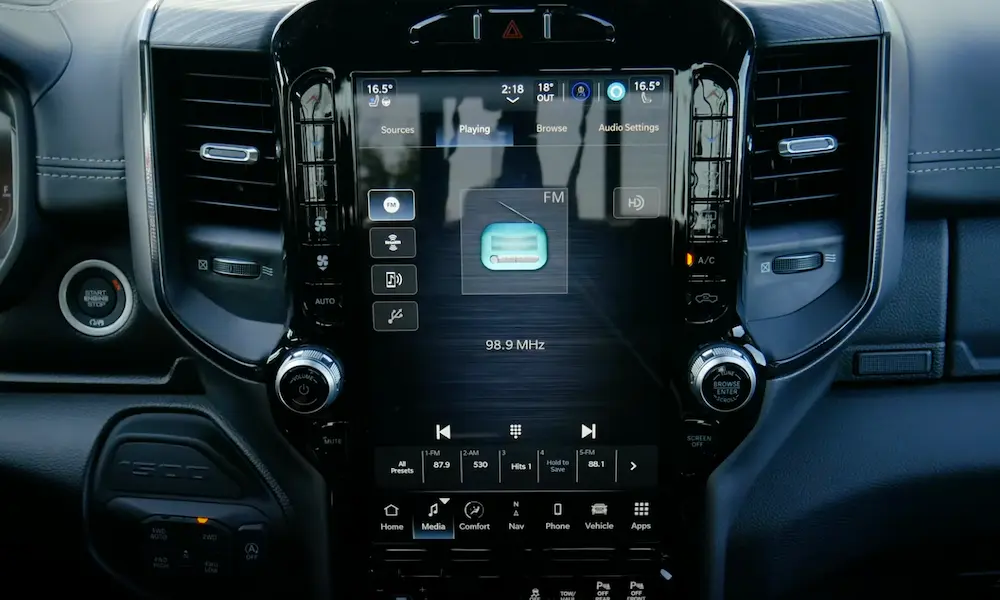
For modern Wranglers, 2019-2023 JL models with the 3.6L Pentastar deliver the best combination of technology, comfort, and reliability. The 2023 model year shows minimal complaints—mostly just occasional touchscreen freezing.
Model Years to Avoid Like the Plague
Some years are absolute disasters. Seriously, run away.
2007-2008 JK: The Recall Kings
These early JK models racked up the highest number of complaints and recalls. Problems include:
- The infamous “death wobble” that’ll make you question your life choices
- Takata airbag recalls
- Fuel system defects causing gasoline spray-back during refueling
- Catastrophic TIPM (Totally Integrated Power Module) electrical failures
Average repair costs for 2008 models hit $920 just for electrical issues.
2012 JK: Recall Champion
Despite the improved Pentastar engine, 2012 holds the dubious honor of most recalls in the JK generation. Persistent electrical problems plague this year.
2018 JL: First-Year Blues
Like most redesigns, 2018 suffered from new-generation bugs including steering looseness, Uconnect glitches, and quality control issues. Let someone else work out the kinks.
2021-2022 JL: Transmission Troubles
Transmission problems emerged in these years, particularly with the 4xe plug-in hybrid experiencing battery errors, stalling during regenerative braking, and expensive out-of-warranty repairs.
Common Problems That’ll Drain Your Wallet
Every Wrangler has weak spots. Here’s what breaks.
Death Wobble: The Wrangler’s Scariest Feature
Hit a bump at highway speeds and suddenly your Jeep shakes violently like it’s possessed. That’s death wobble, and it’s terrifying.
It happens when suspension components wear out—track bar bushings, control arm bushings, ball joints, and drag links all contribute. Improper wheel alignment, especially lack of positive caster, makes it worse.
JK models from 2007-2018 suffer most. FCA even issued settlements to owners of 2018-2020 Gladiator and Wrangler models due to suspension issues causing death wobble.
Electrical Gremlins
TIPM failures in 2007-2008 and 2012 JKs affect audio, climate control, door locks, power windows, lighting—basically everything electronic. Some owners report stalling at highway speeds, which is absolutely unacceptable.
Replacing the TIPM isn’t cheap, and electrical diagnostics eat up labor hours fast.
Oil Cooler Leaks
The 3.6L Pentastar’s Achilles heel is the oil cooler/filter housing. Brittle plastic components and failing gaskets typically leak between 70,000-120,000 miles.
Catching this early prevents major damage. Ignore it, and you’ll cook your engine.
Transmission Issues
Both automatic and manual transmissions experience delayed shifting, harsh gear changes, slipping, or unexpectedly shifting into neutral. EcoDiesel models particularly suffer from transmission failures.
Water Leaks
Door seals and roofs leak on Wranglers—it’s practically a feature at this point. The 1987 and 2002 models are notorious offenders.
Door seals cost about $50 to replace, but the real damage comes from interior humidity destroying electronics and promoting mold growth. Check seals regularly.
What You’ll Actually Spend on Maintenance
Let’s talk money. Wranglers aren’t cheap to maintain.
Annual maintenance averages $694, compared to $521 for typical compact SUVs. Over 10 years, you’re looking at roughly $11,664 in maintenance and repairs—that’s $3,456 above the industry average.
Here’s the kicker: costs escalate dramatically as your Wrangler ages. Year one costs about $509. By year ten, you’re shelling out $1,721 annually.
The probability of needing a major repair within the first 10 years sits at 32.15%—that’s 7.56% worse than similar vehicles.
Regular Maintenance Breakdown
| Service | Frequency | Approximate Cost |
|---|---|---|
| Oil changes | Every 7,500 miles | $145 |
| Tire rotations | Every 7,500 miles | $44 |
| Wheel alignments | As needed | $167 |
| Ball joint lubrication | Every 15,000 miles | Varies |
| Annual tune-up | Yearly | $456 |
At 30,000 miles, expect transmission fluid service, spark plug replacement, and transfer case fluid replacement. The 100,000-mile service includes tire rotation, ball joint lubrication, cooling system flush, and oil/filter change.
Insurance adds another $1,957 annually, or roughly $9,785 over five years.
Why Wranglers Hold Their Value Like Gold
Here’s the good news that offsets those maintenance costs: Wranglers hold value incredibly well.
After five years, a Wrangler depreciates only 55%, retaining a resale value around $33,844. That’s a depreciation rate of just 30.9% compared to the average 49.6% for all vehicles.
Some 2015 models retained over 70% of their value after five years. Try finding that with any other SUV.
What Makes Wranglers Retain Value?
Iconic design that doesn’t change much. You can spot a Wrangler from a mile away, and that timeless look doesn’t go out of style.
Unmatched off-road capability. Nothing in its price range comes close for serious trail work.
Passionate enthusiast community. Demand stays consistently high because Jeep owners are loyal.
Proven durability. Despite some problematic years, Wranglers build a reputation for lasting.
Many owners sell their Wranglers after several years for prices close to original purchase price. That strong resale value makes the higher maintenance costs easier to swallow.
What Actually Affects How Long Your Wrangler Lasts
Several factors determine whether you hit 200,000 or 400,000 miles.
Driving Conditions Matter Most
Highway driving lets Wranglers cruise past 300,000 miles. Aggressive off-roading every weekend? You’re looking at closer to 200,000 miles due to accelerated wear on suspension, drivetrain, and body components.
It’s not that off-roading kills Wranglers—they’re built for it. But rocks, mud, and constant articulation stress components faster than smooth pavement.
Maintenance Isn’t Optional
Regular maintenance can extend your Wrangler’s life by up to 25%. That’s huge.
Oil changes every 3,000-5,000 miles beat following longer intervals, especially if you off-road. Timely fluid changes, suspension component inspections, and addressing minor issues before they explode into major problems all matter.
Owners who stick to preventative maintenance plans routinely report average lifespans exceeding 15 years.
Environment Plays a Role
Live near the ocean? Salt accelerates rust. Extreme temperatures, high humidity, and harsh terrain can reduce lifespans to 10-15 years.
Regular washing and rust protection counteract these effects. Don’t skip undercarriage cleaning if you drive in salt or mud.
Modifications: Handle With Care
70% of modified Wranglers experience at least one major repair in their lifetime. That doesn’t mean modifications are bad—just that poorly executed ones cause problems.
Heavy-duty suspensions improve off-road capability but might accelerate wear on non-modified components. If you’re going to modify, do it right or pay later.
Sport vs. Sahara vs. Rubicon: Which Lasts Longest?
Different trims have different lifespans based on how they’re used.
Wrangler Sport
The base Sport handles daily driving and moderate off-roading perfectly. Expect 15-20 years and 200,000-300,000 miles with moderate maintenance costs and good resale value.
Wrangler Sahara
The comfort-focused Sahara shares similar longevity with the Sport but may run moderate to high maintenance costs. Resale value stays very good thanks to its feature set.
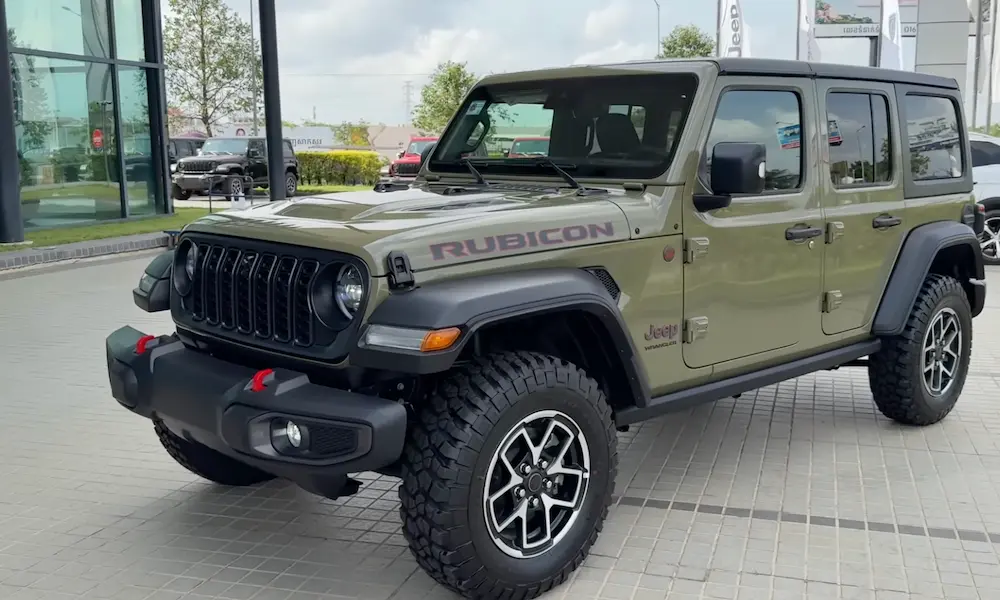
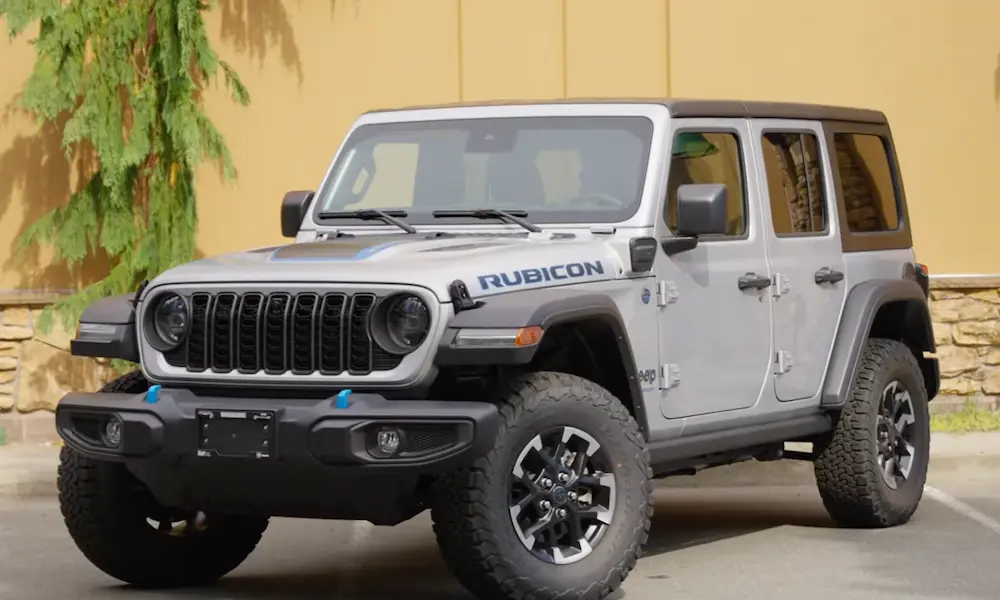
Wrangler Rubicon
Built for serious off-roading with upgraded suspension, locking differentials, and reinforced components, Rubicons typically last 15-20 years and 200,000-300,000 miles.
They experience more drivetrain and transfer case wear because owners actually use them hard. Despite potentially higher maintenance costs, Rubicons maintain excellent resale value.
Wrangler 4xe
The plug-in hybrid introduced in 2021 brings impressive torque and fuel economy but also concerns about battery degradation and electrical reliability.
Early units experienced battery cooling issues, check engine lights, and high out-of-warranty repair costs. Expected lifespan sits at 100,000-150,000 miles—notably less than traditional powertrains.
Unless you absolutely need the electric capability, stick with the proven Pentastar V6.
JK vs. JL: Which Generation Should You Buy?
Choosing between JK (2007-2018) and JL (2018-present) depends on your priorities.
JL Advantages
The newer JL brings:
- More refined interior with modern technology
- Improved ride quality and on-road comfort
- Better build quality with less rattling
- Upgraded 8-speed automatic transmission
- Electric/hydraulic steering that’s easier at low speeds
- Enhanced safety features
For daily driving and long-distance comfort, the JL is significantly superior—quieter operation, better handling, and more luxurious amenities.
JK Advantages
The older JK offers:
- A decade of proven reliability with known issues and fixes
- Lower purchase prices on the used market
- Extensive aftermarket support and community knowledge
- Better ground clearance in some configurations
The 2012-2017 JK models with the 3.6L Pentastar V6 hit the sweet spot—refined powertrains with resolved issues.
Off-Road Capability
When similarly equipped, the differences are minimal. The JL’s 8-speed transmission and steering work marginally better in technical terrain, but the JK holds its own.
If you’re buying used, a well-maintained 2015-2017 JK offers incredible value. For new purchases, the JL’s refinements justify the price if you can afford it.
Making Your Wrangler Last 300,000 Miles
You want your Jeep to hit ridiculous mileage? Here’s how.
Stick to strict oil change intervals. Every 3,000-5,000 miles, not the extended intervals in your manual. Oil is cheap. Engines aren’t.
Address problems immediately. That small leak or weird noise won’t fix itself. Catch issues early before they cascade into expensive repairs.
Keep it clean. Wash the undercarriage after off-roading or driving through salt. Rust is your enemy.
Use quality parts. Cheap parts fail faster. Spend a bit more on quality components that’ll last.
Monitor fluid levels. Check oil, coolant, transmission fluid, and differential fluid regularly. Top off as needed.
Don’t ignore the suspension. Ball joints, bushings, and tie rods wear out. Replace them before death wobble shows up.
Drive it regularly. Vehicles that sit deteriorate faster than ones driven consistently.
The reality is simple: Wranglers reward owners who take care of them. Neglect yours, and you’ll hit the 150,000-mile wall. Maintain it religiously, and 300,000+ miles is absolutely achievable.
Buy the right year (2012-2017 JK or 2019+ JL with the 3.6L Pentastar), avoid the problem years (2007-2008, 2012, 2018, 2021-2022), maintain it properly, and your Wrangler will outlast most vehicles on the road. The higher maintenance costs sting, but that incredible resale value and decades of reliable service make it worthwhile for enthusiasts who value capability and iconic design.