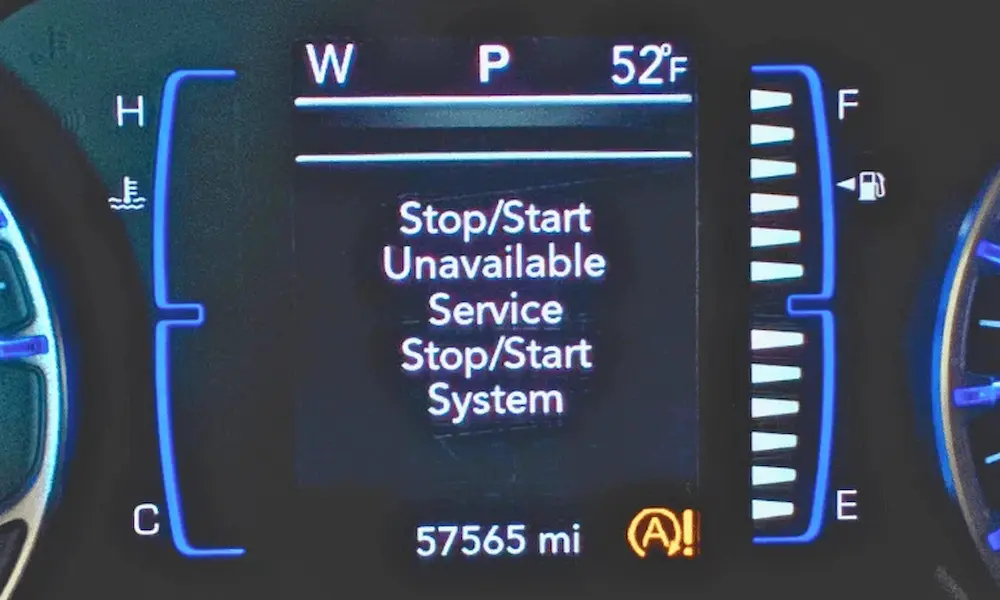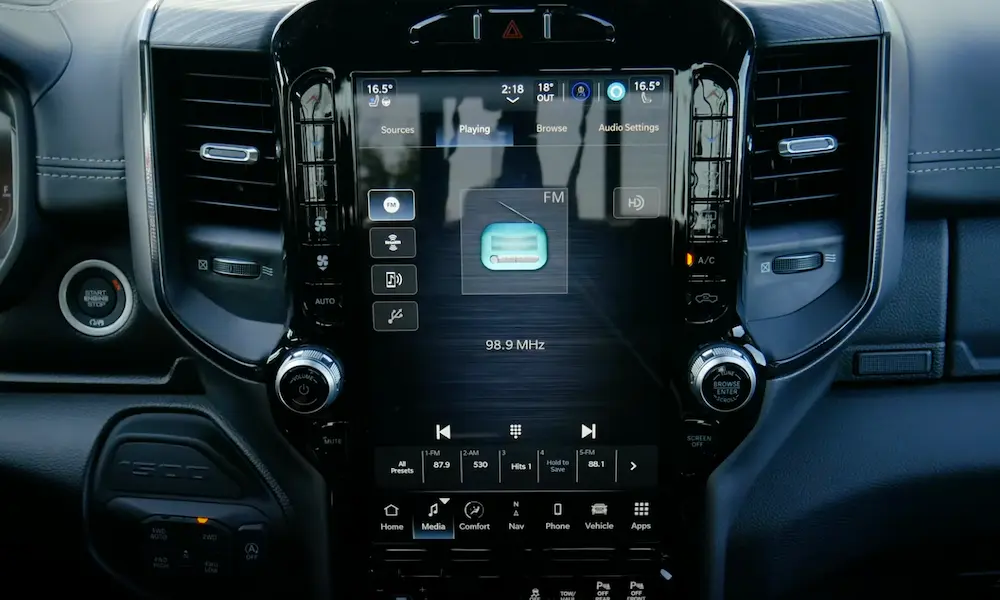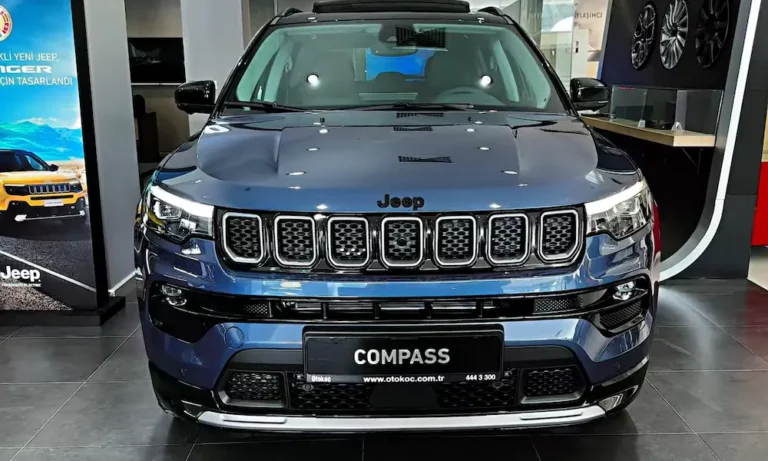
If you’re seeing warning lights, feeling rough shifts, or dealing with that dreaded “Service Shifter” message in your Jeep Compass, you’re not alone. While there hasn’t been a massive blanket recall for transmission issues, several specific campaigns and investigations have targeted serious problems. Here’s what’s actually going on with your transmission and when you should take action.
Understanding the Jeep Compass Transmission Landscape
Your Compass’s transmission headaches depend heavily on what year you’re driving. The first-generation models (2007–2017) came with a Jatco CVT that’s caused owners serious grief, while the newer generation (2017–present) switched to either a ZF 9-speed or Aisin 6-speed automatic.
The CVT Era (2007–2017): Heat and Heartbreak
If you’re driving a first-gen Compass, you got stuck with the Jatco JF011E continuously variable transmission. This thing’s known for overheating under stress—highway driving, hot days, or even moderate hills can push it over the edge.
When it overheats, the transmission dumps into “limp mode.” You’ll suddenly lose power, and your SUV crawls along at 20–40 mph regardless of how hard you stomp the gas. On a highway, that’s terrifying.
The CVT problems sparked class action litigation against FCA. Owners claimed the company knew about the defects but sold the vehicles anyway. While some claims got dismissed, the pressure forced FCA to extend warranties on certain model years—sometimes up to 10 years or 120,000 miles.
Warning signs your CVT is dying:
- High-pitched whining noise (pump cavitation or bearing stress)
- Sudden loss of acceleration
- Shuddering or jerking during gear changes
- Burning smell from overheated fluid
The 2017 Halfshaft Recall: Small Numbers, Big Risk
In June 2017, Recall 17V-301 targeted about 1,178 Compass vehicles with the 6-speed automatic transmission. The problem? The left front halfshaft wasn’t properly seated during assembly.
This isn’t just an annoyance—if the halfshaft pops out, you lose propulsion completely. Worse, the Park mechanism won’t actually hold your vehicle anymore, creating a serious rollaway risk.
Dealers inspected the halfshaft engagement and replaced assemblies that weren’t seated correctly. If you own a 2017 Compass with the Aisin 6-speed, check if this recall was completed. It’s the kind of thing that can leave you stranded or cause an accident.
The ZF 9-Speed Nightmare (2017–Present)
The second-generation Compass ditched the CVT for a ZF 9HP (948TE) 9-speed automatic on 4WD models. On paper, it’s brilliant—nine gears for fuel economy and performance. In reality, it’s been a calibration disaster.
The ZF uses “dog clutches” for some gears instead of traditional friction clutches. Dog clutches need perfect timing to engage smoothly, putting enormous pressure on the software to get everything exactly right.
Common ZF 9-Speed Problems
Rough, delayed, or harsh shifting: This spawned the Granillo v. FCA class action lawsuit. Even after multiple software updates, many owners report clunky shifts, hesitation, and unpredictable behavior. FCA’s issued countless Technical Service Bulletins trying to fix it with software flashes.
The latest? TSB 21-009-24 for 2023 models—six years into production, they’re still updating the transmission computer.
Transmission wiring harness damage: TSB 08-141-23 revealed a manufacturing defect where the transmission wiring harness rubbed against a sharp edge on the PCM bracket. Vibration chafed through the insulation, cutting wires and killing communication with the transmission.
This triggers code P0882 and dumps you into limp mode or neutral. The fix involves repairing the harness and applying protective tape to prevent it from happening again.
The “Service Shifter” Epidemic
Here’s something that’ll make you want to scream: that “Service Shifter” message often has nothing to do with your actual transmission.
Modern Compass models use electronic shift-by-wire systems. The gear selector communicates with the transmission computer via wiring that’s prone to corrosion at the connector pins. When the connection drops, you get fault codes like U1465 or P1C4E and that panic-inducing warning message.
The fix: Replace the shifter bezel assembly and install a jumper harness—not a new transmission. Don’t let a dealer talk you into unnecessary work.
Investigation PE22-013: The Stalling Mystery
In December 2022, NHTSA opened an investigation into 2019–2020 Compass vehicles stalling while driving. Owners reported complete loss of power with a “Coolant Temperature Too High” warning—even though the engine wasn’t actually overheating.
The problem? Overly aggressive thermal protection software that shut down the vehicle based on false sensor readings. FCA issued a Customer Satisfaction Notification with a software update instead of a formal recall. The investigation closed, but it highlights how interconnected modern vehicle systems are.
The Catastrophic “Strawberry Milkshake” Failure
This is the one that’ll financially total your Compass. The transmission oil cooler (heat exchanger) can develop internal cracks, allowing coolant and transmission fluid to mix. The resulting emulsion looks like strawberry milkshake and destroys everything it touches.
Why It’s So Devastating
Coolant contains ethylene glycol, which chemically attacks the friction material in your clutch packs. Within a short time, the clutches delaminate and your transmission loses the ability to hold gears.
But it doesn’t stop there. The contaminated mixture circulates through your entire cooling system and transmission. You’re looking at replacing:
- The transmission ($4,500–$7,500)
- Radiator
- Heater core
- All rubber hoses that absorbed the oil
Unless you’re within the powertrain warranty, FCA historically denies coverage, calling it “consequential damage.” Total repair bills often exceed the vehicle’s value.
Check for this immediately:
- Pink or milky fluid in the radiator overflow tank
- Transmission fluid that looks frothy or discolored
- Burnt smell or overheating
Recall 18V-524: The PCM Voltage Issue
This electrical recall affects 2018 Compass models but has direct transmission implications. The voltage regulator on the Powertrain Control Module could fail, cutting power to the transmission computer.
Without proper voltage, the transmission loses communication and can stall or lock in gear. It’s a reminder that “transmission failure” symptoms don’t always mean transmission problems—sometimes it’s the electrical system.
Warranty Extensions You Should Know About
FCA extended coverage on some driveline components beyond the standard warranty:
Power Transfer Unit (PTU): For 4WD models, the PTU (sends power to rear wheels) has high failure rates. Warranty extension W84/X88 covers it for 8 years or 150,000 miles.
If you’re hearing grinding noises from what seems like the transmission area, it might be the PTU instead. Get it diagnosed correctly—it’s covered differently.
What Transmission Fluid Does Your Compass Need?
Using the wrong fluid will destroy your transmission immediately. Here’s what you need:
| Model Years | Transmission Type | Required Fluid |
|---|---|---|
| 2007–2017 (CVT) | Jatco JF011E | CVTF+4 only |
| 2017+ (4WD) | ZF 9-speed (948TE) | ZF 8 & 9 Speed ATF (Mopar SP-IV M) |
| 2017+ (FWD) | Aisin 6-speed | AW-1 or ATF+4 equivalent |
Don’t let a quick-lube shop put generic ATF in your Compass. The ZF 9-speed especially requires specialized fluid for its dog clutch operation.
Diagnostic Codes That Don’t Mean You’re Screwed
Before you panic about replacing your transmission, understand these common codes:
P0711 (Transmission Fluid Temperature Sensor): Usually a sensor wire failure inside the transmission, not mechanical damage to gears.
P1C4E (Shifter Signal): That’s the “Service Shifter” bezel issue we talked about. Replace the bezel and harness, not the transmission.
P0882 (TCM Power Low): Check the wiring harness at the PCM bracket for chafing before replacing anything expensive.
The Aisin 6-Speed: Your Best Bet
If you’re shopping for a used Compass, the FWD models with the Aisin F21-250 6-speed automatic are your safest choice. This conventional planetary automatic has far fewer complaints than either the CVT or ZF 9-speed.
It’s simpler, more predictable, and uses proven technology. Outside of that 2017 halfshaft recall affecting a small number of vehicles, it’s been relatively trouble-free.
What About the Engine Oil Connection?
Here’s a twist: some transmission problems aren’t transmission problems at all. The 2.4L Tigershark engine in many Compass models burns oil excessively—up to a quart every 1,000 miles.
When oil levels drop critically low, the engine can stall during braking due to oil pressure loss affecting the MultiAir valvetrain. Owners frequently report this as “the transmission stalling the car” and chase expensive transmission diagnostics when the real problem is engine oil consumption.
The Powell v. FCA class action settlement addressed the oil consumption issue with extended engine warranty coverage. Check your oil level before assuming transmission problems.
What Should You Do Right Now?
If you own a 2007–2017 Compass with CVT:
- Monitor transmission temperature obsessively
- Service the CVT fluid every 60,000 miles maximum
- Use only CVTF+4 fluid
- Consider trading it before major failure—these CVTs rarely make it past 100,000 miles without issues
If you own a 2017+ Compass with the ZF 9-speed:
- Keep your software updated with the latest TSB flashes
- Check for wiring harness damage near the PCM
- Watch for pink coolant or milky transmission fluid
- Don’t ignore “Service Shifter” messages—get the bezel checked
If you own a 2017 Compass with the Aisin 6-speed:
- Verify Recall 17V-301 was completed
- Follow standard 60,000-mile fluid service intervals
- Count yourself lucky you avoided the CVT and ZF
The Bottom Line on Jeep Compass Transmission Recalls
There’s no single massive recall that fixes all Compass transmission problems. Instead, FCA (now Stellantis) has addressed issues through targeted recalls, warranty extensions, TSBs, and class action settlements.
The CVT era was objectively terrible, plagued by overheating and premature failure. The ZF 9-speed improved mechanical reliability but introduced complex software and peripheral failures. The Aisin 6-speed remains the most dependable option.
If you’re experiencing transmission problems, get accurate diagnostics before authorizing expensive repairs. Many “transmission failures” are actually wiring issues, software calibration problems, or even engine oil consumption masquerading as drivetrain trouble.
Check if any open recalls apply to your VIN at the NHTSA recall lookup, and don’t ignore warranty extensions that might cover your specific issue. Your Compass might have more coverage than you think.