Is your Jeep refusing to shut off at stoplights? That convenient fuel-saving auto start/stop feature (also called ESS – Engine Stop/Start) might be on the fritz. You’re not just imagining things – this system is notoriously finicky, and there are several common reasons why it might stop working.
Let’s cut through the confusion and get your Jeep’s start/stop system back online. I’ll walk you through the most likely causes, how to diagnose them yourself, and what fixes you can try before heading to the dealer.
How Jeep’s Auto Start/Stop System Works
Your Jeep’s auto start/stop system is designed to save fuel by temporarily shutting off the engine when you’re stopped. When you release the brake pedal, the engine springs back to life almost instantly.
The system relies on several components working in harmony:
- A main battery and auxiliary battery
- An Intelligent Battery Sensor (IBS)
- Various relays and fuses
- Multiple environmental sensors
- Complex computer algorithms
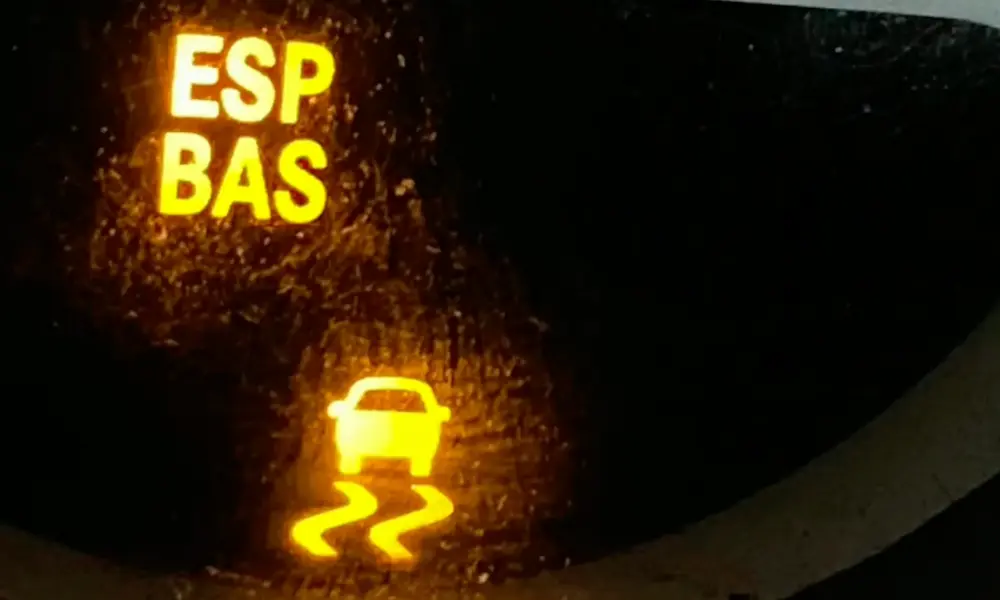
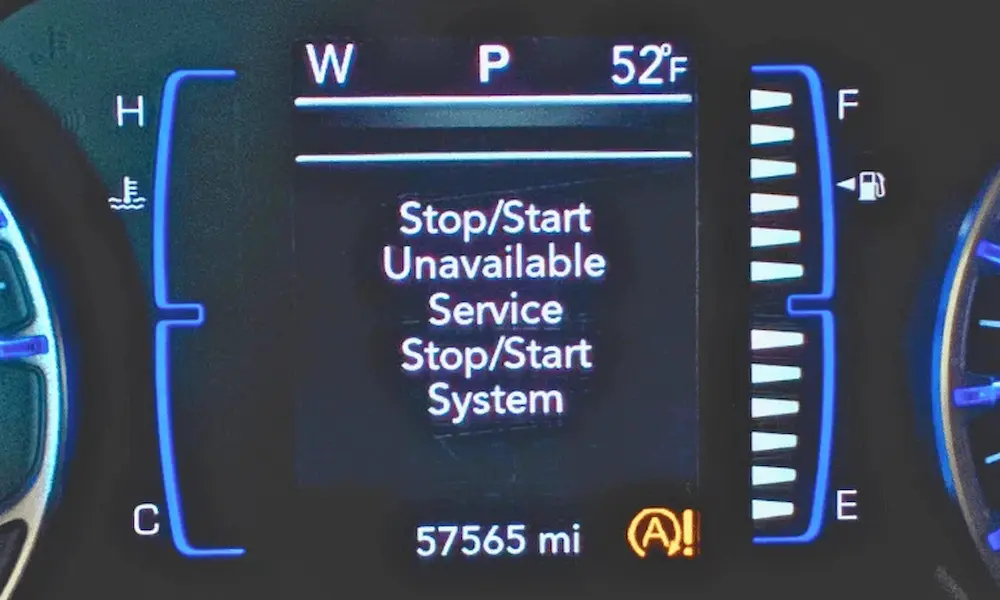
This complexity is exactly why the system can be temperamental. When any part of this chain fails, you’ll usually see a dashboard message like “Stop/Start Unavailable Service Stop/Start System” with an amber warning light (typically an ‘A’ with an exclamation point).
1. Dead or Weak Batteries
This is the #1 culprit behind most ESS failures. Unlike standard vehicles, your Jeep has two batteries to support the start/stop system:
- Main Battery: Powers most vehicle systems and needs to be a robust AGM (Absorbent Glass Mat) type
- Auxiliary Battery: A smaller battery specifically for the start/stop system
If either battery’s voltage drops too low, the system will disable itself as a protective measure.
How to Check:
- Test the main battery with a multimeter – you need at least 12.6V
- Check the auxiliary battery (often hidden in the engine compartment) – it should read at least 12V
- Look for corrosion or loose connections
The Fix:
- Replace weak batteries with the correct AGM type
- Clean battery terminals thoroughly
- Reset the system by disconnecting the battery for 5 minutes
A weak auxiliary battery is especially common in Jeeps with start/stop issues, and you might need to replace it even if it’s not very old.
2. Faulty Intelligent Battery Sensor (IBS)
The IBS constantly monitors your battery’s health and charge level. When it fails or gets out of calibration, it sends inaccurate data to your Jeep’s computer, which disables the start/stop system as a precaution.
Symptoms:
- System works intermittently
- ESS warning persists even after battery replacement
- Your vehicle thinks the battery is weak when it’s not
The Fix:
- Locate the IBS (usually attached to the negative battery terminal)
- Disconnect and reconnect it to attempt a reset
- If problems persist, the sensor may need replacement
Many Jeep owners have successfully resolved ESS issues by replacing their IBS sensors, though this can require dealer-level diagnostic equipment.
3. Blown Fuses or Faulty Relays
The start/stop system relies on several fuses and relays in your Jeep’s Power Distribution Center (PDC). A blown fuse or bad relay will instantly disable the system.
How to Check:
- Locate your PDC (usually under the hood)
- Check relevant fuses, especially the starter fuse (often F02)
- Inspect and reseat relays that might control the ESS system
The Fix:
- Replace blown fuses with identical amperage ratings
- Replace faulty relays
- Clean any corrosion in the fuse box
A quick reference to your fuse box layout can help you identify the exact fuses controlling your start/stop system.
4. Poor Ground Connections
Electrical gremlins often trace back to bad ground connections. The start/stop system needs perfect electrical flow to operate correctly.
Symptoms:
- Intermittent operation
- Random ESS warnings
- System resets without warning
The Fix:
- Check and clean all ground points, including:
- Battery terminals
- IBS connections
- Chassis ground points
- Ensure all connections are tight and corrosion-free
Several Jeep owners have solved their ESS problems by simply cleaning ground connections, making this an easy first step in troubleshooting.
5. Environmental and System Conditions
Your Jeep won’t activate the start/stop system unless specific conditions are met. If any of these aren’t satisfied, the system stays dormant – but won’t necessarily show an error.
The system requires:
- Engine at normal operating temperature
- Seat belt fastened
- All doors closed
- Climate control not at maximum settings
- Sufficient battery charge
- No active warning lights
The Fix:
- Make sure all doors are fully closed
- Buckle your seatbelt
- Moderate your climate control settings
- Allow the engine to reach normal operating temperature
Many drivers don’t realize that using max A/C or defrost will disable auto start/stop, which is actually by design to maintain cabin comfort.
6. Software Issues or Outdated Programming
Like your smartphone, your Jeep’s computers need occasional updates. Chrysler/Jeep regularly releases Technical Service Bulletins (TSBs) with software fixes for known issues.
Symptoms:
- Persistent ESS errors after trying other fixes
- Other electrical oddities alongside ESS problems
- Problems that started after a recent service
The Fix:
This one typically requires professional help:
- Dealer software update for the PCM or BCM
- Application of relevant TSBs
- System reset with specialized equipment
Jeep has released several software updates specifically for ESS issues, making this worth investigating if other fixes don’t work.
Temporary Workarounds
If you can’t fix the issue immediately or simply don’t like the start/stop feature:
- Use the Disable Button: Press the “A” button on your dash to temporarily disable ESS for your current drive (resets when you restart the vehicle)
- Advanced Settings: Some newer Jeeps let you adjust auto start/stop sensitivity in the vehicle settings menu
- Aftermarket Solutions: There are plug-and-play modules that can permanently disable the system, though these may affect your warranty
Diagnostic Steps: What to Try First
For the best chance of fixing your Jeep’s start/stop system, follow this troubleshooting sequence:
- Basic Checks:
- Ensure all system conditions are met (seatbelt, doors, climate)
- Check for active warning lights
- Try the temporary disable button, then re-enable
- Battery Health:
- Test main and auxiliary battery voltage
- Clean all terminals and connections
- Check for corrosion
- Electrical Connections:
- Inspect fuses and relays
- Clean ground points
- Check IBS sensor connection
- Component Testing:
- Test/replace IBS sensor
- Replace auxiliary battery if needed
- Reset system by disconnecting main battery
- Professional Help:
- Diagnostic scan for error codes
- Software updates
- Component replacement
The Auxiliary Battery: The Hidden Culprit
The auxiliary battery deserves special attention as it’s often the root cause of ESS issues. This smaller battery is specifically dedicated to the start/stop system but tends to fail more quickly than the main battery.
Location varies by Jeep model:
- In Wranglers and Gladiators, it’s often near the main battery
- In Cherokees and Grand Cherokees, it might be hidden under other components
Many owners don’t even know this second battery exists until ESS problems arise. If your system has been working fine for a year or two and suddenly stops, checking this auxiliary battery should be your first step.
Jeep Auto Start/Stop Common Issues Table
| Issue | Symptoms | Common Causes | DIY Fix |
|---|---|---|---|
| Complete ESS Failure | System never activates, warning light on dash | Dead auxiliary battery, blown fuse | Replace auxiliary battery, check fuses |
| Intermittent Operation | Works sometimes but not others | Weak battery, IBS sensor issues, temperature extremes | Clean connections, reset IBS sensor |
| Stays Active But Won’t Restart | Engine shuts off but struggles to restart | Main battery issues, starter problems | Replace main battery, check starter relay |
| No Warning But Won’t Activate | System doesn’t work but no error message | Environmental conditions not met | Check climate settings, ensure doors closed |
| Multiple Electrical Issues | ESS failure plus other electrical problems | Ground issues, computer/software problems | Clean grounds, seek professional diagnosis |
Your Jeep’s auto start/stop system might seem frustratingly complex, but most problems boil down to battery health, sensor accuracy, or simple environmental conditions. By following this guide, you’ll be well-equipped to diagnose and fix the issue yourself in most cases.