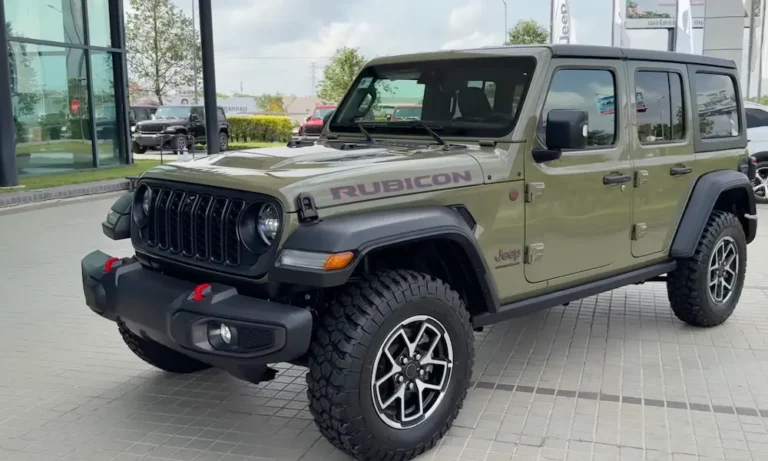
Your Jeep’s cooling system isn’t forgiving. Pick the wrong coolant, and you’re facing engine damage that’ll hit your wallet hard. This guide breaks down exactly which Jeep coolant type your vehicle needs, why it matters, and how to avoid the expensive mistakes that trap most owners.
Why Your Jeep’s Coolant Type Actually Matters
Your coolant does way more than prevent freezing. It’s circulating through your engine block, cylinder head, radiator, and heater core, transferring heat away from critical components. Without proper coolant, you’re not just risking overheating—you’re inviting corrosion that quietly destroys your engine from the inside.
Modern coolants contain specialized corrosion inhibitors that create protective barriers on metal surfaces. These additives prevent rust formation and protect aluminum components that make up most of today’s engines. The problem? Different coolant types use completely different additive packages, and they don’t play nice together.
Here’s what proper coolant protects against:
- Engine overheating during summer operation
- Freezing damage in winter conditions
- Internal corrosion of aluminum and steel components
- Water pump failure from cavitation
- Radiator clogging from mineral deposits
The chemical base is typically ethylene glycol mixed with distilled water at a 50/50 ratio. This mixture lowers the freezing point below 32°F while raising the boiling point above 212°F. Pure concentrate or straight water will wreck your system—you need both components working together.
The Two Jeep Coolant Types: HOAT vs. OAT
Jeep made a major coolant technology shift in 2013 that affects every owner. Understanding which type your vehicle requires isn’t optional—it’s critical for engine survival.
HOAT Coolant (2012 and Earlier Models)
If you’re driving a 2012 or older Jeep, you need HOAT (Hybrid Organic Additive Technology) coolant. This formulation combines organic and inorganic additives for comprehensive corrosion protection across different engine materials.
HOAT coolant typically appears orange or pink, and bottles feature a distinctive blue cap. But don’t rely on color alone—always verify the label specifications.
HOAT Coolant Specifications:
- Service life: 5 years or 100,000 miles
- Color: Orange or pink
- Cap color: Blue
- Application: 2012 and earlier Jeep models
This shorter service interval reflects the hybrid additive package, which depletes faster than newer formulations. When those additives wear out, corrosion protection drops off sharply.
OAT Coolant (2013 and Newer Models)
Starting in 2013, Jeep transitioned to OAT (Organic Additive Technology) coolant across all models. This represents a genuine upgrade in coolant chemistry, using exclusively organic acid-based inhibitors.
OAT coolant appears purple in Jeep applications, with bottles sporting a black cap. The proper specification is FCA Material Standard MS.90032—this code matters more than color when you’re shopping for coolant.
OAT Coolant Specifications:
- Service life: 10 years or 150,000 miles
- Color: Purple (sometimes orange in concentrate)
- Cap color: Black
- Specification: MS.90032
- Application: 2013 and newer Jeep models
That doubled service interval isn’t marketing fluff. Organic acid additives provide more stable, longer-lasting protection than hybrid formulations. You’re genuinely getting extended protection, not just extended marketing claims.
What Happens When You Mix HOAT and OAT (Spoiler: Nothing Good)
Here’s the absolute most important rule: never mix HOAT and OAT coolants. Not even a little. Not in emergencies. Never.
When these two coolant types combine, they undergo a chemical reaction that turns your coolant into gel. This thickened mess can’t circulate through your engine, and the results are catastrophic.
Damage from mixed coolants includes:
- Complete cooling system failure
- Cylinder head warping from overheating
- Blown head gaskets
- Cracked engine block
- Water pump destruction
- Total engine replacement needs
We’re talking thousands of dollars in repairs from a simple mistake. One shop owner reported seeing a Wrangler with mixed coolant that needed a $4,500 engine replacement after the owner topped off with the wrong type.
If you’ve accidentally mixed coolant types, don’t drive the vehicle. Get it towed to a dealer for a complete system flush immediately. According to FCA’s official maintenance guidelines, the entire system must be drained and flushed before refilling with the correct coolant type.
How to Identify Your Jeep’s Coolant Requirements
Your owner’s manual contains the definitive answer for your specific model. Different engines might have different capacities, but they’ll use the same coolant type based on model year.
Quick reference by model year:
- 2012 and earlier: HOAT coolant (blue cap)
- 2013 and newer: OAT coolant (black cap)
This applies to most Jeep models—Wrangler, Cherokee, Grand Cherokee, Compass, Renegade, and Gladiator all followed this transition timeline.
Modern Cherokee models across all engines (2.0L, 2.4L, 3.2L, and 2.2L diesel) require Mopar OAT coolant meeting the 10-year/150,000-mile specification. Compass and Renegade models hold approximately 6.8-9.0 liters depending on engine configuration.
But here’s a critical warning: verify everything yourself. Multiple Jeep owners have reported dealers installing the wrong coolant despite providing accurate year and model information. One Wrangler owner discovered their dealer used HOAT in a 2015 model that required OAT, leading to a $2,800 repair bill.
Why Coolant Color Isn’t Reliable
HOAT typically looks orange or pink. OAT usually appears purple. Seems simple, right? It’s not.
Color variation happens for several reasons. Concentrated coolant looks different than diluted coolant. Some manufacturers produce OAT in orange rather than purple. Lighting conditions affect color perception. Partially mixed coolant creates ambiguous hues.
Don’t rely on color—read the label and verify:
- Explicit coolant type (HOAT or OAT)
- Service life claim (5-year/100K or 10-year/150K)
- FCA specification (MS.90032 for OAT)
- Manufacturer recommendations
Your owner’s manual lists the exact specification. Match that specification, not the color. A Jeep forum member shared how they nearly used orange OAT thinking it was HOAT because of the color—reading the label saved their engine.
Coolant Maintenance Intervals and Warning Signs
OAT coolant in 2013+ Jeeps should be replaced every 10 years or 150,000 miles according to manufacturer recommendations. However, many experienced technicians suggest more frequent replacement—every 5 years or 60,000 miles—for optimal protection.
HOAT coolant in older Jeeps requires replacement every 5 years or 100,000 miles without exception.
Warning signs that demand immediate coolant service:
- Temperature gauge reading higher than normal
- Visible leaks or colored puddles under your vehicle
- Grinding noises from the engine bay
- Rust particles or sediment in the coolant reservoir
- Steam or sweet maple syrup smell from the engine
- Coolant level dropping without visible leaks
Complete flushes beat simple top-offs because they remove accumulated sediment and degraded additives. During a flush, the system is drained completely, flushed with distilled water, then refilled with fresh coolant at the correct 50/50 ratio.
Top-offs work for minor level loss between services, but they can’t replace the thorough cleaning a complete flush provides. Think of it like changing your oil versus just topping it off—both have their place, but they’re not equivalent.
The Hidden Dangers of “Universal” Coolant
Walk into any auto parts store and you’ll find “universal” coolants claiming compatibility with all vehicles. These products sound convenient, but they’re risky for your Jeep.
Universal coolants are formulated to meet generic standards across many vehicle types. This broad compatibility comes at a cost—they sacrifice optimal protection for any single application. Your Jeep’s engine has specific metallurgy and gasket materials designed around FCA’s coolant specifications.
Problems from non-approved coolants include:
- Reduced corrosion protection allowing rust formation
- Incompatibility with gasket materials causing leaks
- Aluminum component damage that worsens over time
- Cylinder wall cavitation in the engine block
- Premature water pump failure
- Clogged coolant passages reducing efficiency
These problems don’t appear immediately. Damage accumulates gradually over months or years, making it hard to connect coolant choice with eventual failure. By the time symptoms appear, significant damage has already occurred.
One independent shop reported seeing a Grand Cherokee with severe aluminum corrosion after the owner used universal coolant for three years. The repair cost exceeded $3,200—far more than the few dollars saved on coolant.
Premium Alternatives to Mopar Coolant
Mopar OEM coolant is the safest choice, but it’s not your only option. Several aftermarket manufacturers produce coolants meeting or exceeding FCA specifications.
Reputable brands like Zerex and Prestone offer extended-life OAT coolants that specifically meet MS.90032 standards. The key is verification—the product must explicitly state compatibility with Jeep vehicles or FCA specifications, not just claim universal compatibility.
When considering alternatives, verify:
- Explicit MS.90032 specification compliance
- Correct coolant technology (OAT for 2013+, HOAT for 2012-)
- Manufacturer warranty coverage
- Reviews from other Jeep owners
Pre-mixed 50/50 coolant costs about the same per gallon as concentrate but provides half the actual antifreeze. For major service work, concentrate delivers better value—you’re getting twice the coolant volume by adding your own distilled water.
For quick top-offs between services, pre-mixed reduces the risk of improper dilution. Keep a gallon of pre-mixed in your garage for convenience, but buy concentrate for complete flushes.
Coolant Mixing Ratios and Water Quality
The standard mixing ratio is 50% coolant to 50% distilled water. This provides balanced protection against freezing (down to -34°F) and boiling (up to 265°F) while maintaining optimal heat transfer.
In extreme cold climates experiencing temperatures below -34°F, you can increase concentration to 70% coolant. Don’t exceed 70%—higher concentrations actually reduce heat transfer efficiency and can cause system problems.
Water quality matters tremendously. Always use distilled or deionized water, never tap water. Tap water contains minerals, chlorine, and dissolved solids that reduce corrosion protection and create deposits clogging cooling passages.
According to FCA’s official specifications, using tap water voids coolant performance guarantees. The minerals in tap water react with coolant additives, forming precipitates that settle in radiators and water jackets.
A gallon of distilled water costs under $2. Spending that small amount protects your cooling system far better than free tap water ever could.
Real-World Coolant Capacity by Jeep Model
Different Jeep models hold varying coolant volumes. Knowing your capacity helps you buy the right amount and verify complete fills after service.
| Jeep Model | Engine Size | Coolant Capacity | Coolant Type (2013+) |
|---|---|---|---|
| Wrangler JK | 3.6L V6 | 13.0 quarts | OAT (MS.90032) |
| Wrangler JL | 2.0L Turbo | 10.5 quarts | OAT (MS.90032) |
| Wrangler JL | 3.6L V6 | 13.5 quarts | OAT (MS.90032) |
| Grand Cherokee | 3.6L V6 | 14.0 quarts | OAT (MS.90032) |
| Cherokee | 2.4L I4 | 9.0 quarts | OAT (MS.90032) |
| Compass | 2.4L I4 | 7.2 quarts | OAT (MS.90032) |
| Renegade | 1.4L Turbo | 6.8 quarts | OAT (MS.90032) |
| Gladiator | 3.6L V6 | 13.5 quarts | OAT (MS.90032) |
These capacities include the entire system—engine, radiator, heater core, and hoses. When doing a complete flush, you’ll need approximately half this amount in concentrate (since you’re mixing 50/50 with distilled water).
Why Dealers Sometimes Get It Wrong
You’d think an authorized Jeep dealer would always use the correct coolant. Unfortunately, that’s not guaranteed.
Many dealers stock universal coolants to reduce inventory complexity across multiple brands. Service advisors might not verify which specific coolant your Jeep needs, instead defaulting to whatever’s in the shop.
Some technicians don’t understand the critical differences between HOAT and OAT. They see “coolant” on the work order and grab whatever’s available. The consequences don’t appear immediately, so the shop never connects their mistake to eventual failures.
Protect yourself when using dealer service:
- Explicitly specify your coolant type when scheduling
- Verify the coolant type before authorizing work
- Ask to see the bottle they’re using
- Check your receipt for the correct part number
- Inspect the coolant color after service
Multiple Jeep owners on Wrangler forums report catching dealers about to install the wrong coolant. One member prevented HOAT installation in their 2016 JK only because they asked to verify the coolant type before work began.
Emergency Top-Off: What to Do When You’re Low
You’re on a road trip and notice your coolant level is low. What should you do?
If you have the correct coolant type: Add it to the overflow reservoir until reaching the MAX line. Don’t exceed the maximum—overfilling causes problems when coolant expands during operation.
If you only have access to the wrong coolant type: In a true emergency with overheating risk, use distilled water as a temporary measure. Water provides cooling capacity without the chemical incompatibility of wrong coolant. Get proper coolant and have the system flushed as soon as possible.
If you only have tap water available: In life-or-death situations (remote location, extreme overheating), tap water beats engine seizure. But understand this is emergency-only—tap water damages your cooling system. Flush and refill with proper coolant mixture within days.
Never add the wrong coolant type, even in emergencies. The gelation reaction from mixing HOAT and OAT will strand you much faster than driving carefully with slightly low coolant.
After any emergency top-off with water, remember your coolant is now diluted. Your freeze protection has dropped. Have the mixture tested and adjusted to proper 50/50 ratio soon.
The True Cost of Getting Coolant Wrong
Let’s talk real numbers. What does a coolant mistake actually cost?
Mopar OAT coolant runs about $20-30 per gallon concentrate. A complete system flush requires 2-3 gallons of concentrate plus distilled water. Total DIY cost: $50-75.
Professional coolant service at a dealer typically costs $150-250 including labor and materials.
Minor damage from wrong coolant (if caught quickly): $500-1,200 for water pump replacement and thorough system flush.
Major damage from mixed coolants: $2,500-5,000+ for head gasket replacement or cylinder head work.
Catastrophic damage: $6,000-12,000 for complete engine replacement.
The math is obvious. Spending $150 every 5-10 years on proper coolant service is cheap insurance against five-figure repair bills.
One Grand Cherokee owner shared their story online: they used universal coolant for 40,000 miles, thinking they were saving money. When the water pump failed prematurely at 85,000 miles, the shop discovered severe aluminum corrosion throughout the cooling system. The repair estimate exceeded $4,200. The owner had saved perhaps $40 on coolant over those miles—and paid 100 times that in repairs.
Your Jeep’s coolant type isn’t a minor detail—it’s critical for engine survival. Use HOAT (blue cap) for 2012 and earlier models, or OAT (black cap) meeting MS.90032 for 2013 and newer. Never mix the two types. Verify specifications instead of trusting color. Follow maintenance intervals religiously. These simple rules will save you from expensive mistakes that destroy engines. When in doubt, consult your owner’s manual and use Mopar OEM coolant. Your Jeep deserves the right protection, and your wallet will appreciate avoiding four-figure repair bills.