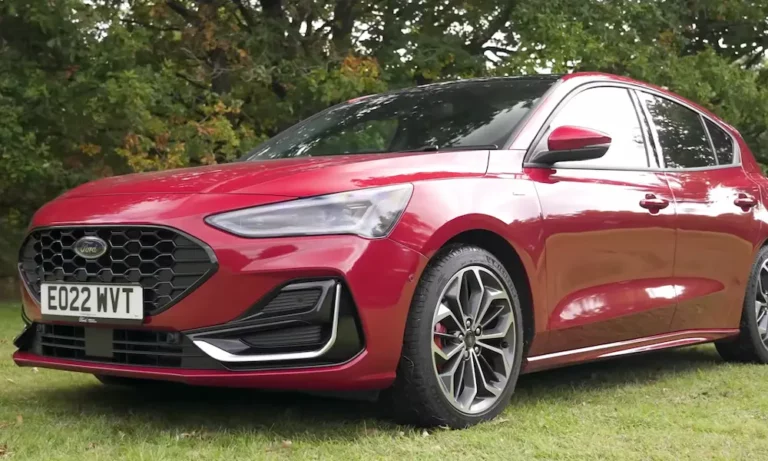
Thinking about buying a used Ford Focus? You’re probably wondering if it’ll make it past 100,000 miles without draining your wallet. Here’s the deal: with proper care, a Focus can hit 200,000 to 250,000 miles—but there’s a massive catch involving the transmission. Let’s dig into what actually determines how long these compact cars survive.
Average Lifespan: What the Numbers Really Tell You
A well-maintained Ford Focus typically lasts between 200,000 to 250,000 miles. That translates to roughly 13-16 years if you’re driving the average 15,000 miles annually.
Some owners have pushed their Focus models way beyond this range. There’s documented evidence of Focus vehicles reaching 300,000 to 400,000 miles when owners stay on top of maintenance. But here’s what you need to know: these high-mileage champions aren’t your typical Focus models—they’re specific years with specific transmissions.
The Focus ranks 27th out of 36 compact cars for reliability according to RepairPal data. It’s not terrible, but it’s not winning any awards either. You’ll get better longevity from a Honda Civic or Toyota Corolla, which routinely cruise past 300,000 miles. The Focus lands closer to competitors like the Chevrolet Cruze in terms of durability.
Real-world owner experiences back this up. Forum discussions reveal 2010-2012 manual transmission models regularly surpassing 220,000 miles with minimal major repairs. One owner drove their 2009 Focus to 316,000 miles and reported it still ran strong. Another documented 250,000 miles on their Focus ST before compression issues finally developed.
You’ll hit “high mileage” territory around 150,000 miles. Beyond this point, expect more frequent maintenance and potential repairs. A used Focus with 100,000-120,000 miles remains a solid purchase option—it should easily reach 200,000 miles with consistent care.
The Transmission Factor: Your Make-or-Break Decision
Here’s where things get serious. The transmission type in your Ford Focus determines whether you’ll drive it for 250,000 miles or watch it die at 100,000. This isn’t an exaggeration—it’s the single most important factor affecting longevity.
Manual Transmission: The Reliable Choice
Ford Focus models with the 5-speed manual transmission represent your best bet for longevity. These manual variants regularly achieve 250,000 miles or more with proper maintenance.
The manual transmission Focus models from 2004-2011, especially those paired with the 2.0-liter Duratec engine, approach Toyota-level reliability when you service them regularly. This isn’t marketing hype—it’s backed by owner reports. One 2007 manual Focus owner reported the original clutch still functioning perfectly at 165,000 miles. Another documented their 2012 manual model hitting 220,000 miles with only routine maintenance.
Why are these so reliable? The 2.0-liter engine derives from Mazda’s MZR platform, giving it Japanese engineering DNA. Combined with the proven manual gearbox, you’ve got a drivetrain that sidesteps the catastrophic failures plaguing automatic variants.
PowerShift Dual-Clutch Automatic: The Problem Child (2012-2018)
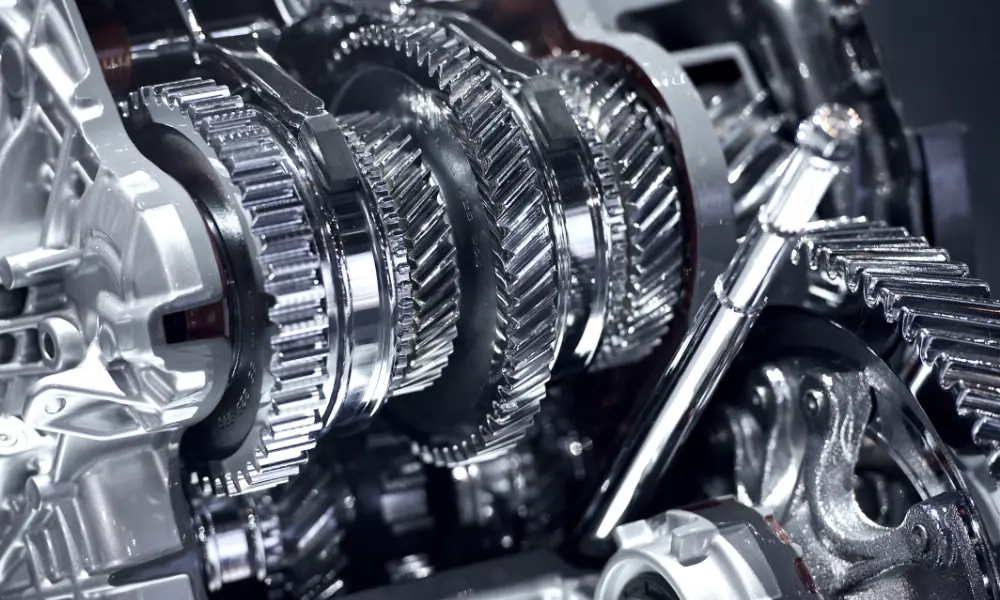
The PowerShift dual-clutch automatic transmission is Ford’s biggest reliability disaster in recent memory. This transmission, code-named DPS6, affects 2012-2016 model years most severely.
Ford Focus owners with PowerShift transmissions typically see problems around 100,000 miles, with many needing expensive repairs costing $1,500 to $3,000. Common symptoms include:
- Shuddering during acceleration from a stop
- Rough 1-2 upshifts
- Jerking and slipping
- Delayed shifting
- Premature clutch wear
The root cause involves clutch contamination from leaking input shaft seals. Ford’s attempted fixes—clutch replacements, transmission control module (TCM) updates, complete transmission swaps—often provide only temporary relief.
One detailed analysis concluded that Focus models with PowerShift transmissions last about 150,000 miles maximum before becoming too expensive to repair. Multiple owners report being on their second, third, or even fourth transmission after just 3-4 years of ownership.
The problem proved so severe that Ford faced a class-action lawsuit affecting nearly 2 million customers. Internal documents revealed the company knew about the transmission’s deficiencies before production began—they sold it anyway.
Ford extended the powertrain warranty on affected models to 7 years or 100,000 miles for the TCM and clutches. But this warranty extension doesn’t fix the fundamental design flaws. Problems frequently return even after warranty repairs.
Pre-2012 Automatic Transmissions: The Middle Ground
Ford Focus models with conventional automatic transmissions (2000-2011) demonstrate good reliability, typically lasting around 200,000 miles. These earlier automatics lack the problematic dual-clutch design and generally align with the model’s overall reliability profile.
The 2004-2011 generation earned consistently high marks from owners, with Edmunds consumer reviews averaging 4.5 stars during this period. If you need an automatic transmission Focus, stick with these years.
EcoBoost 1.0L Engine: A Different Set of Concerns
The turbocharged 1.0-liter EcoBoost three-cylinder engine presents its own reliability challenges. When paired with conventional automatics (not PowerShift), these engines can hit 200,000 miles.
However, EcoBoost engines face specific issues:
- Wet belt timing system failures
- Oil contamination
- Low-speed pre-ignition problems
The wet belt system has been documented failing prematurely, potentially leading to catastrophic engine damage. It’s a ticking time bomb that requires monitoring.
Best Model Years: When Ford Got It Right
Not all Ford Focus models are created equal. Some years deliver exceptional reliability while others barely make it past warranty.
2004-2011: The Golden Era
The 2004-2011 model years represent the Ford Focus reliability sweet spot. This period includes the second generation (2008-2011) and the latter first generation, both earning exceptional owner ratings.
2006 Ford Focus stands out with only two recalls and just 129 logged complaints—the lowest among early Focus years. Despite being nearly 20 years old, it earned strong reliability marks.
2010 Ford Focus received J.D. Power’s highest rating of any Focus year with an overall score of 81 out of 100 and a quality/reliability score of 85 out of 100. Owners on Cars.com gave it 4.5 stars, praising its comfortable ride and modern multimedia system. This model marks the pinnacle of second-generation refinement before the 2012 disaster.
2011 Ford Focus, the final year of the second generation, earned a J.D. Power overall score of 79 and reliability rating of 83. Consumer Reports gave it the highest reliability score for any Focus model year. It has the fewest submitted issues on CarComplaints for its entire generation. This represents the last year before the PowerShift transmission debacle.
2018 Ford Focus benefits from years of refinement and earned a reliability score of 4 out of 5 from J.D. Power. Consumer Reports gave it an above-average rating. While still equipped with PowerShift transmission, by 2018 Ford had made enough improvements that major transmission problems became less frequent—though not entirely eliminated.
Worst Model Years: Avoid These at All Costs
2012 Ford Focus: The Absolute Worst
CarComplaints.com designates 2012 as the absolute worst Focus year with over 5,000 complaints and an “Avoid Like the Plague” seal of disapproval.
The 2012 model suffers from catastrophic power steering failure that can occur without warning while driving. The steering wheel gets stuck, creating extreme safety hazards. Door latch failures cause doors to refuse closing or open unexpectedly while driving.
This year introduced the problematic PowerShift transmission that would plague the Focus for years to come.
2013 Ford Focus: The Clunker
Consumer Reports gave the 2013 model a dismal 1 out of 5 reliability rating. CarComplaints certified it as a “Clunker.”
The transmission system commonly failed around 45,000 miles, with repairs averaging $2,600. Multiple reports documented drivers losing the ability to control their vehicles due to transmission failures. The 2013 model also experienced faulty backup camera issues related to the infotainment system.
2014 Ford Focus: Peak PowerShift Problems
This year earned CarComplaints’ “Beware of the Clunker” designation with over 3,000 complaints and 10 recalls. It ranks #13 on the website’s list of worst vehicles across all manufacturers.
The PowerShift transmission problems reached their peak this year. Owners reported severe hesitations, jerking, grinding, and unreliable shifting. Some experienced complete transmission failure before reaching 100,000 miles.
2007-2008: Different Problems, Still Problematic
While not as catastrophic as 2012-2014 models, these years suffer from premature alternator failures. Many owners reported needing replacements every 18 months.
The 2007 model also experienced excessive tire wear even with high-quality replacement tires. The 2008 model added steering wheel failure and consistent transmission issues to its problem list.
What It Costs to Keep a Focus Running
The Ford Focus presents average to above-average ownership costs within the compact car segment. RepairPal reports an annual maintenance cost of $569, placing it in the middle range. However, YourMechanic reports approximately $1,021 annually, suggesting actual costs vary based on driving habits, model year, and regional labor rates.
Individual repair costs range from $105 to $3,086, with an average repair costing around $327. Common repairs include:
| Repair Type | Cost Range |
|---|---|
| Alternator replacement | $469-$495 |
| Starter motor | $411-$438 |
| Water pump | $222-$266 |
| Various sensors | $74-$124 |
| Transmission work | $3,500-$5,000 |
| Engine repairs | $250-$2,590 |
The most expensive repairs involve transmission and engine work, though these major issues are relatively uncommon except in PowerShift-equipped models.
When compared to Ford’s overall brand average, the Focus performs slightly better. Ford models average around $10,392 for maintenance and repair costs during their first 10 years of service, with a 31.85% chance of requiring a major repair—both above industry average. The Focus tends to fall below these averages, particularly when avoiding problematic model years.
Real-world owner reports provide practical insights. One 2016 Focus SE owner with 111,000 miles documented spending approximately $1,440 on non-routine maintenance, with the radiator representing the only major issue. Another owner with a 2008 Focus at 164,000 miles reported $1,700 in repairs over several years, including air conditioning ($900) and water pump ($400), considering these costs reasonable for the mileage.
Generation Breakdown: What Changed and When
First Generation (2000-2007): Foundation Building
The first-generation Ford Focus established the model’s reputation as a practical, affordable compact car. Early years (2000-2003) suffered from underdeveloped electrical systems and various teething problems.
Mid-generation models (2004-2007) showed marked improvement, with the 2006 model standing out as particularly reliable. These vehicles featured simpler mechanical systems that were easier to maintain and repair, though interior materials and refinement lagged behind competitors.
Second Generation (2008-2011): The Peak Years
The 2008 redesign brought a more upscale, Volvo-like interior feel while maintaining proven mechanical underpinnings. This generation represents the most reliable Ford Focus period, with consistently high owner ratings averaging 4.5 stars.
The 2.0-liter Duratec four-cylinder engine paired with either a four-speed automatic or five-speed manual transmission proved durable and trouble-free. Models from this era commonly surpass 200,000 miles with routine maintenance, and many owners report minimal unscheduled repairs.
Third Generation (2012-2018): Modern Features, Major Problems
The 2012 redesign brought modern styling and features but introduced the catastrophic PowerShift transmission that destroyed the Focus’s reliability reputation.
While the 2.0-liter engine (now featuring direct injection and dual variable cam timing) remained fundamentally sound, the transmission problems overshadowed any improvements. Manual transmission variants from this generation maintain good reliability comparable to earlier models, but automatic versions should be avoided unless purchasing the final 2018 model year after confirming transmission improvements.
Electric Model (2012-2018): A Mixed Bag
The Ford Focus Electric presents a mixed reliability picture. The electric drivetrain eliminates transmission concerns, and some owners report excellent experiences with minimal maintenance beyond tires and the 12-volt battery. One owner documented 100,000 miles over 8 years with virtually no issues.
However, Ford’s lack of a battery degradation warranty represents a significant concern. Some 2012-2014 models show capacity declines from 24 kWh to just 16 kWh. High-voltage system component failures (contactors, fuses, coolant leaks in the battery pack) have been reported, with some warranty coverage disputes.
The Electric model’s limited range (76-115 miles depending on year) also restricts its practical longevity for many users.
What Actually Affects How Long Your Focus Lasts
Several key factors beyond transmission type significantly influence Ford Focus lifespan:
Maintenance Adherence
Following the manufacturer’s maintenance schedule proves critical for reaching 200,000+ miles. Regular oil changes (every 5,000 miles recommended), fluid services, filter replacements, and timely repairs of minor issues prevent small problems from escalating into major failures.
Driving Habits
Aggressive driving—hard braking, rapid acceleration, and high-speed cornering—accelerates wear on components. PowerShift transmission models particularly suffer from aggressive driving, as the dual-clutch system struggles with rapid speed changes.
Smooth driving with gradual acceleration and deceleration extends component life significantly.
Climate Conditions
Extreme weather affects longevity significantly. Rust-belt vehicles exposed to road salt experience accelerated corrosion of body panels and undercarriage components. Vehicles in hot climates face challenges with cooling systems and rubber components.
Garage storage versus outdoor parking also impacts long-term durability, particularly for paint and interior materials.
Prior Ownership History
Used Focus purchases require careful evaluation of maintenance records. Vehicles that received timely transmission service (for PowerShift models) and regular oil changes demonstrate better prospects for extended life.
A well-maintained used Focus with 100,000-120,000 miles can easily reach 200,000 miles with continued proper care.
How the Focus Stacks Up Against Rivals
When evaluating the Ford Focus against compact car competitors, the vehicle occupies a middle position in terms of longevity.
The Toyota Corolla and Honda Civic both typically achieve 300,000 miles, significantly exceeding the Focus’s 200,000-250,000 mile average. This 50,000-100,000 mile advantage stems from these Japanese manufacturers’ reputations for exceptional reliability and refined engineering.
The Hyundai Elantra matches the Focus more closely at 250,000 miles, while the Chevrolet Cruze aligns almost exactly with the Focus at 200,000 miles. Interestingly, the Focus offers 50,000 more miles of expected life than the Cruze while maintaining similar annual maintenance costs.
| Vehicle | Expected Lifespan |
|---|---|
| Toyota Corolla | 300,000 miles |
| Honda Civic | 300,000 miles |
| Hyundai Elantra | 250,000 miles |
| Ford Focus | 200,000-250,000 miles |
| Chevrolet Cruze | 200,000 miles |
However, these comparisons assume a Focus without the problematic PowerShift transmission. Manual transmission Focus models from reliable years (2004-2011) compete favorably with even the Honda Civic in terms of longevity.
The fundamental difference lies in the Focus’s inconsistency across model years, whereas Corolla and Civic maintain more consistent reliability throughout their production runs.
Getting Maximum Miles from Your Focus
To achieve maximum longevity from a Ford Focus, follow these evidence-based recommendations:
Purchase Strategy
Target 2004-2011 model years or the 2018 model if buying used. Prioritize manual transmission models whenever possible—they eliminate the PowerShift transmission risk entirely.
If an automatic is necessary, avoid 2012-2016 models completely. For pre-2012 Focus vehicles with conventional automatics, verify the transmission has been properly serviced and shifts smoothly during test drives.
Maintenance Practices
Follow the owner’s manual service schedule religiously, with oil changes every 5,000 miles or less. For PowerShift transmissions (if unavoidable), some owners report success with transmission fluid flushes extending clutch life, though this remains controversial.
Address any unusual noises, vibrations, or warning lights immediately before minor issues become major failures.
Driving Techniques
With PowerShift transmissions, accelerate quickly through first and second gears and ease off the gas when the transmission shifts to reduce clutch wear. Avoid heavy stop-and-go traffic when possible, as this accelerates PowerShift clutch degradation.
For EcoBoost engines, avoid full-throttle acceleration at low RPMs in high gears to prevent pre-ignition damage.
Pre-Purchase Inspection Points
Before purchasing a used Focus, check for:
- Transmission shuddering during the test drive
- Fluid leaks around the transmission
- Verification that all recalls have been completed
- Review of maintenance records for transmission service history
- Condition of suspension components (for 100,000+ mile models)
- Rust in underbody areas (particularly important for northern climates)
- Functionality of all electrical systems including power steering
The Bottom Line on Focus Longevity
The Ford Focus can deliver 200,000 to 250,000 miles of reliable service when you select the right model year and transmission type. Manual transmission models, particularly from the 2004-2011 golden era, rival the longevity of Japanese competitors and represent excellent used car values.
However, the PowerShift dual-clutch automatic transmission in 2012-2016 models fundamentally compromises the vehicle’s reliability, often limiting useful life to just 100,000-150,000 miles before expensive transmission failures occur.
For buyers seeking a long-lasting compact car, the Ford Focus presents a viable option with careful selection. Prioritize 2006, 2010-2011, or 2018 model years with manual transmissions or pre-2012 conventional automatics. Avoid 2012-2014 models entirely—these represent some of the least reliable vehicles across all manufacturers.
With proper maintenance, favorable driving conditions, and the right model selection, a Ford Focus can provide over a decade of economical transportation. Just don’t expect it to match the 300,000-mile longevity of a Toyota Corolla or Honda Civic unless you’ve got a manual transmission model and stay on top of every maintenance item.