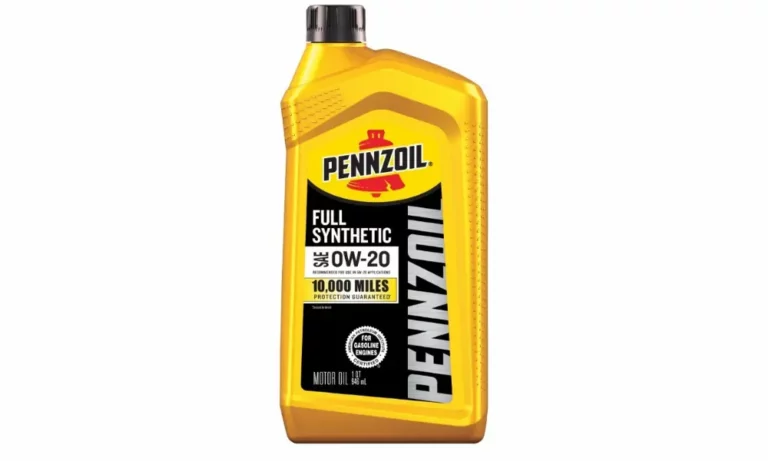
If you’re staring at motor oil bottles wondering whether Pennzoil lives up to the hype, you’re asking the right question. Testing data and real-world performance tell a clear story—and it’s not just marketing fluff. Let’s cut through the noise and see what actually matters for your engine.
What Makes Pennzoil Different From Other Motor Oils
Pennzoil isn’t just another synthetic oil claiming superiority. The brand uses Shell’s Gas-to-Liquids (GTL) technology, which converts natural gas into motor oil instead of refining crude oil. This isn’t a gimmick—it’s a fundamentally different manufacturing process.
The PurePlus Technology creates base oil that’s 99.5% pure, virtually eliminating sulfur, nitrogen, and aromatic compounds you’ll find in traditional oils. Think of it like distilled water versus tap water—one starts cleaner and stays cleaner.
This process happens at the Pearl GTL facility in Qatar, protected by over 3,500 patents developed across 40 years. Unlike conventional refining that separates existing molecules, GTL synthesizes entirely new molecules through Fischer-Tropsch chemistry. The result? Uniform molecular structure that performs more consistently.
How Pennzoil Performs in Independent Laboratory Tests
Marketing claims don’t mean much without data. Let’s look at what independent testing reveals.
Project Farm’s comprehensive analysis put Pennzoil Ultra Platinum through rigorous testing against competitors. The results speak for themselves:
- Evaporation loss: Only 5 grams versus 7.5+ grams for synthetic blends
- Lubricity: 7% smaller wear scars compared to synthetic blends
- Viscosity stability: Minimal breakdown under extreme conditions
The Petroleum Quality Institute of America (PQIA) confirms these findings. Pennzoil Ultra Platinum 5W-30 meets all API SP/ILSAC GF-6A specifications while delivering exceptional viscosity stability throughout its service life.
Here’s what matters: lower evaporation means less oil consumption. Better lubricity means reduced engine wear. These aren’t abstract benefits—they’re measurable protection for your engine.
Pennzoil vs. Premium Competitors
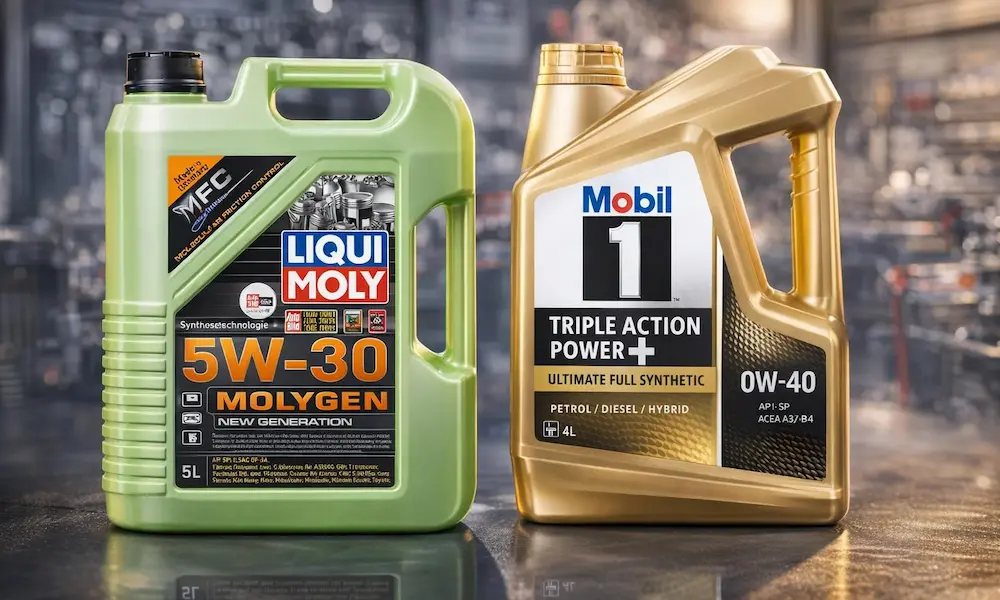
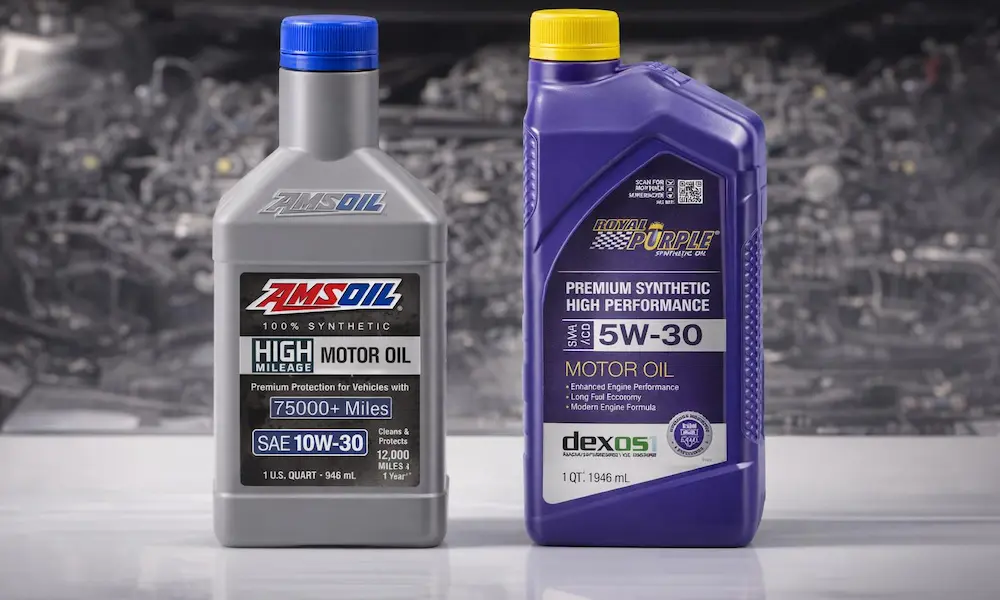
You’re probably wondering how Pennzoil stacks up against heavy hitters like AMSOIL and Mobil 1.
In Project Farm’s championship comparison, AMSOIL Signature Series narrowly beat Pennzoil in cold flow performance. But Pennzoil excelled in evaporation resistance and maintained competitive lubricity scores. The Total Base Number (TBN) of 7.4 provides solid acid neutralization, though AMSOIL’s 12.5 TBN leads the industry.
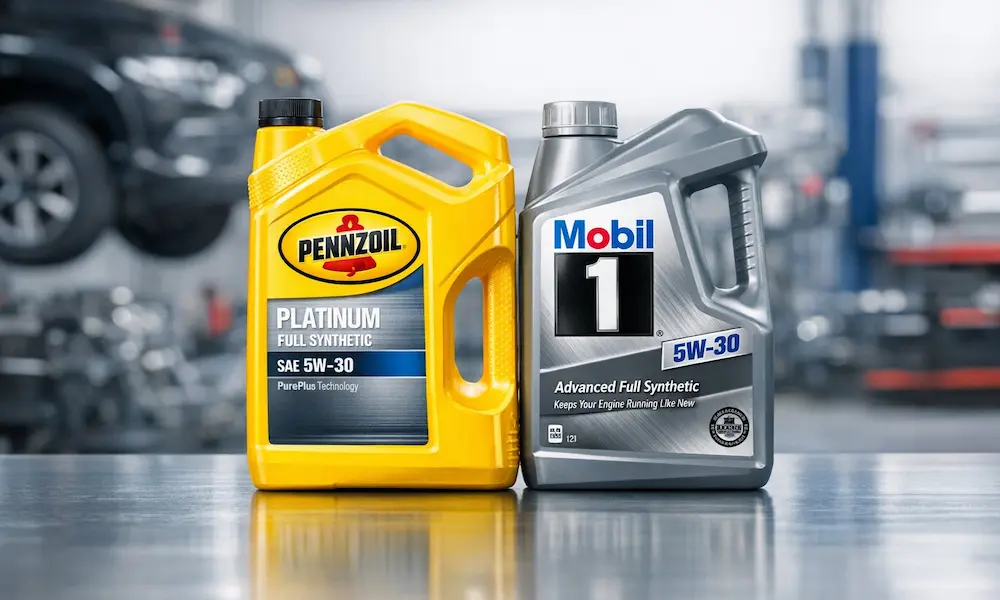
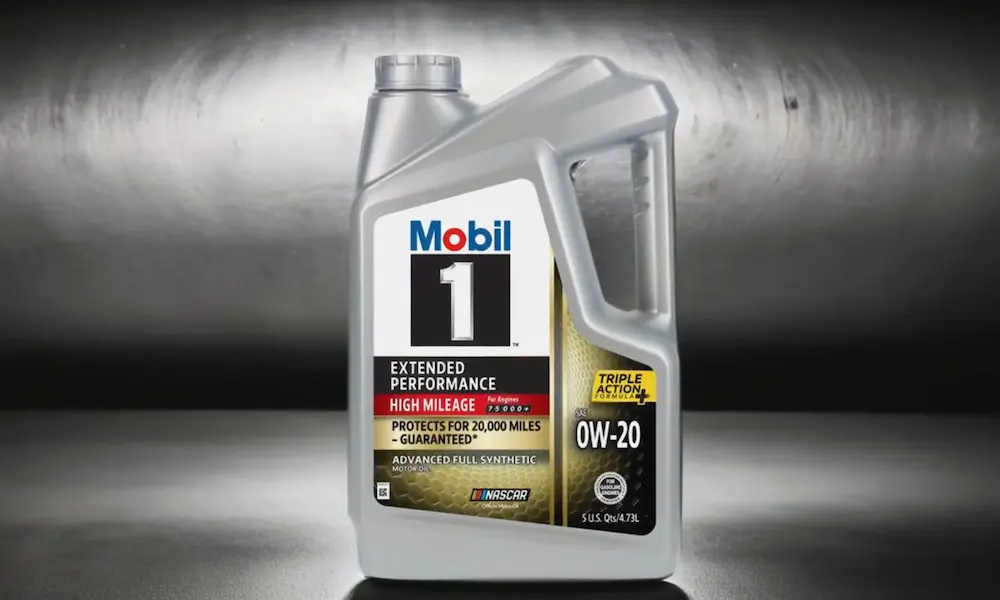
Against Mobil 1, recent laboratory comparisons show Pennzoil Ultra Platinum maintaining superior oxidation resistance and additive stability. The Motor Oil Geek’s analysis revealed significantly lower oxidation values in Pennzoil, indicating better long-term stability under high temperatures.
The GTL base oil’s inherent purity gives it an advantage—fewer impurities mean fewer catalysts for degradation reactions.
Real-World Performance: What Drivers Actually Experience
Lab tests matter, but how does Pennzoil perform in actual vehicles?
Consumer feedback consistently highlights several benefits. Drivers report noticeably quieter engine operation, particularly during cold starts. This comes from superior low-temperature flow characteristics that get oil moving quickly when you need it most.
Independent oil analysis reports demonstrate excellent wear metal control. Iron, aluminum, and bearing metal concentrations remain within acceptable limits even under severe service conditions. Translation? Your engine’s wearing less.
Professional mechanics frequently recommend Pennzoil for high-mileage applications. The synthetic formulation actively removes sludge and deposits left by inferior oils, often resulting in improved performance and reduced oil consumption in worn engines.
Understanding Pennzoil’s Product Lineup
Pennzoil offers six distinct tiers, and knowing which one you need matters.
| Product Tier | Base Type | Best For | Key Features |
|---|---|---|---|
| Conventional Pennzoil | Conventional | Basic protection, older engines | Entry-level, budget-friendly |
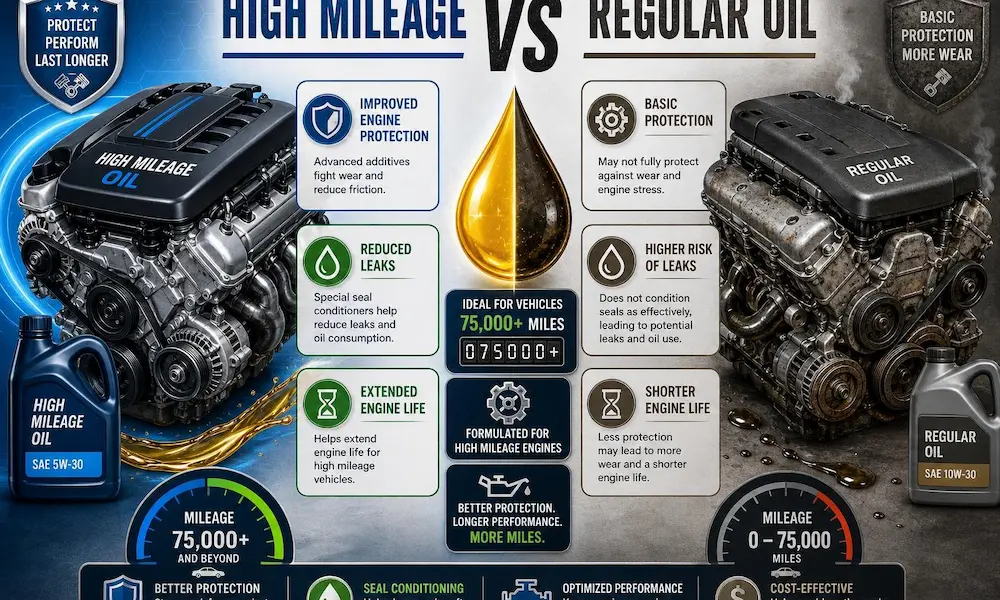
| High Mileage | Synthetic blend | Engines over 75,000 miles | Seal conditioners, deposit control |
| Platinum | GTL synthetic | Most daily drivers | Excellent protection, competitive pricing |
| Platinum High Mileage | GTL synthetic | High-mileage vehicles | GTL benefits plus seal conditioning |
| Ultra Platinum | GTL synthetic | Performance applications | Maximum protection, 20-year warranty |
For most drivers, Pennzoil Platinum offers excellent protection and value. The GTL base oil provides superior performance to traditional Group III synthetics at competitive pricing.
Ultra Platinum justifies its premium cost for high-performance applications, severe service conditions, or when you want maximum protection with extended warranty coverage.
If you’re driving something with over 75,000 miles, Platinum High Mileage combines GTL base oil benefits with seal conditioning additives specifically engineered for aged engines.
The Science Behind GTL Technology
Here’s where things get interesting. The narrow molecular weight distribution characteristic of GTL base oils provides more consistent viscosity across temperature ranges compared to conventional Group III synthetics.
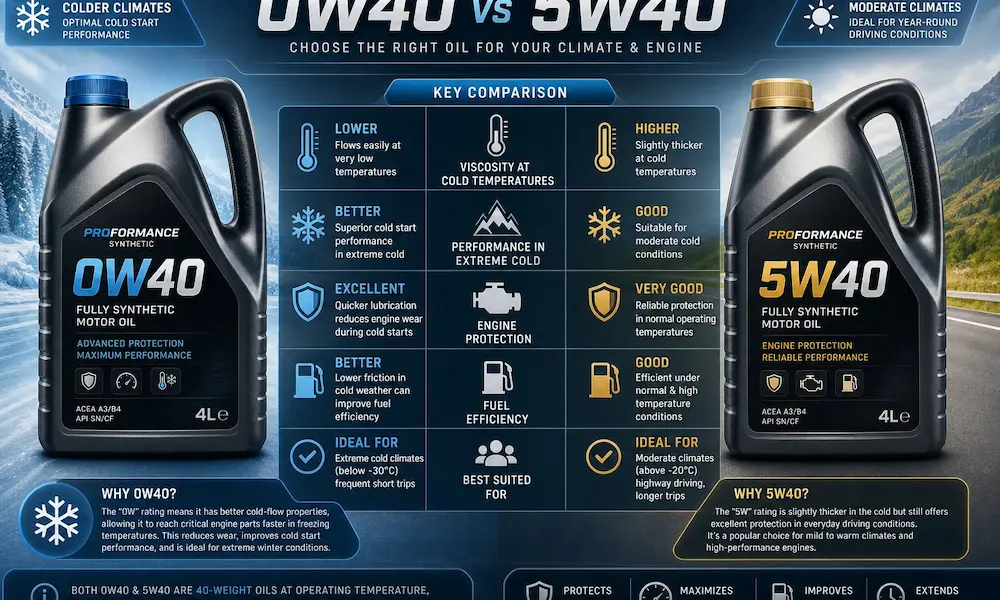
What does that actually mean? Better cold-start protection when it’s freezing outside and reduced viscosity breakdown when your engine’s running hot.
PQIA analysis confirms excellent viscosity index ratings. Pennzoil Platinum achieves 173 compared to competitive products typically ranging from 160-170. Higher viscosity index equals better viscosity stability across temperature extremes—crucial for both winter starting and summer heat.
Advanced Additive Engineering
Ultra Platinum incorporates advanced detergent and dispersant packages specifically engineered for modern gasoline direct injection (GDI) engines. Laboratory analysis reveals elevated levels of calcium, magnesium, zinc, phosphorus, and molybdenum compared to standard Platinum formulation.
The presence of borate ester additives provides additional friction reduction and wear protection—particularly beneficial for high-stress applications like towing or performance driving.
Pennzoil’s balanced approach to Low Speed Pre-Ignition (LSPI) protection ensures compatibility with turbocharged GDI engines. Calcium detergent levels remain below the 1,500 ppm threshold associated with LSPI events, making it safe for modern downsized turbocharged engines.
How Long Can You Go Between Oil Changes with Pennzoil
The million-dollar question: how often should you actually change it?
Real-world testing indicates optimal intervals vary significantly based on driving conditions:
- Mixed driving with occasional spirited operation: 6,000 miles
- Gentle highway driving: 7,500 miles
- Severe service (frequent high-RPM, racing, extreme temperatures): 2,500-3,000 miles
Oil analysis reports consistently show Pennzoil maintaining protective additive levels and viscosity stability throughout these intervals. Wear metals remain stable across multiple drain cycles, and the oil resists fuel dilution and oxidation better than conventional oils.
Don’t let marketing push you toward extreme intervals unless you’re doing oil analysis. Your engine’s longevity isn’t worth gambling on.
Pricing and Value: What You’re Actually Paying For
Let’s talk money. Pennzoil Ultra Platinum typically retails between $25-35 for a 5-quart container, with frequent promotional pricing bringing costs closer to $20 per 5-quart jug.
Compare that to premium boutique oils costing 2-3 times more while delivering only marginal performance improvements. The value proposition becomes clear.
The real kicker? Ultra Platinum comes backed by a 20-year/750,000-mile lubrication warranty when used exclusively. That’s industry-leading coverage demonstrating real manufacturer confidence.
Here’s the value breakdown:
| Oil Brand | 5-Quart Price Range | Performance Tier | Warranty Coverage |
|---|---|---|---|
| Pennzoil Ultra Platinum | $20-35 | Premium | 20 years/750K miles |
| AMSOIL Signature Series | $45-55 | Premium+ | 25K miles/1 year |
| Mobil 1 Extended Performance | $28-40 | Premium | 20K miles/1 year |
| Royal Purple | $35-50 | Premium | Standard manufacturer |
Potential Drawbacks You Should Know About
Nothing’s perfect, and Pennzoil has some limitations worth considering.
Some users report slightly higher oil consumption compared to certain competitors, particularly in high-mileage engines with worn seals. The oil’s cleaning properties—while generally beneficial—may initially cause temporary seal weeping as accumulated deposits get removed from aged engines.
Availability can be inconsistent. Popular viscosity grades like 5W-30 Ultra Platinum frequently experience stock shortages at major retailers. This reflects both the specialized production process and high demand, but it’s inconvenient when you need a specific grade.
If you’ve got an older engine that’s been running conventional oil for years, switching to Pennzoil might temporarily increase oil consumption as it cleans accumulated deposits. This typically resolves after one or two oil changes.
Which Pennzoil Formula Should You Choose
Your engine’s needs determine the right choice. Here’s the breakdown:
Choose Conventional Pennzoil if:
- You’re maintaining an older vehicle with basic requirements
- You change oil frequently (every 3,000 miles)
- Budget is the primary concern
Choose Pennzoil Platinum if:
- You drive a modern vehicle under normal conditions
- You want excellent protection without premium pricing
- You’re looking for the sweet spot between performance and value
Choose Pennzoil Ultra Platinum if:
- You drive a high-performance or turbocharged vehicle
- You want maximum protection and extended warranty coverage
- You push your engine hard (towing, racing, extreme temperatures)
Choose Platinum High Mileage if:
- Your vehicle has over 75,000 miles
- You’re experiencing minor seal leaks or oil consumption
- You want synthetic protection with seal conditioning
The Bottom Line on Pennzoil Quality
So, is Pennzoil good oil? Based on extensive independent testing and real-world performance data, absolutely.
The GTL technology represents a legitimate technological advancement, not marketing hype. The molecular uniformity achieved through natural gas synthesis provides measurable benefits in wear protection, viscosity stability, and oxidation resistance compared to conventional crude-derived oils.
Independent testing consistently validates performance claims. Project Farm’s analysis, PQIA certification, and countless oil analysis reports demonstrate that Pennzoil delivers on its promises.
For most automotive applications, Pennzoil Platinum offers excellent protection and value. The GTL base oil provides superior performance to traditional Group III synthetics at competitive pricing. You’re getting premium protection without paying ultra-premium prices.
The combination of advanced base oil technology, race-proven formulations, and comprehensive warranty coverage positions Pennzoil as a compelling choice for anyone seeking high-performance lubrication. While it’s not perfect for every application, the GTL-based synthetics represent significant advancement in motor oil technology.
Your engine doesn’t care about brand loyalty—it cares about protection. Pennzoil’s synthetic offerings deliver that protection with proven performance credentials backed by actual data, not just marketing claims.