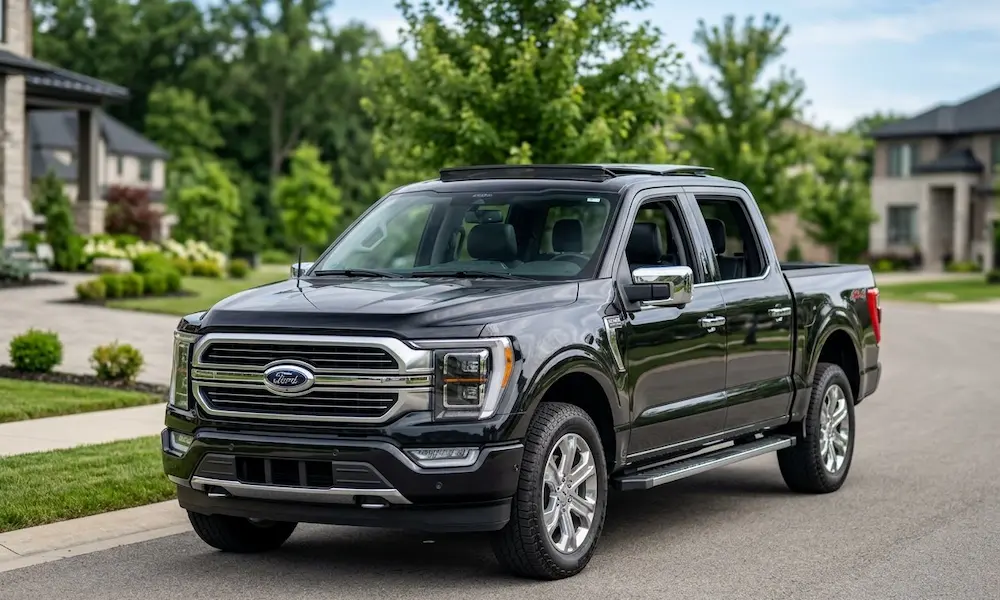
You’re standing at a crossroads. Your next vehicle purchase comes down to two trucks with eerily similar promises: hands-free highway driving. GM’s Super Cruise on one side, Ford’s BlueCruise on the other. Both let you take your hands off the wheel. Both watch your eyes. Both cost extra money you’re not sure you want to spend.
Here’s the reality check you need before signing that loan.
The Core Difference: Maps vs Vision
The biggest split between blue cruise vs super cruise isn’t what they do—it’s how they do it.
Super Cruise: The Pre-Mapped Perfectionist
GM built Super Cruise on a foundation of obsessive preparation. They sent survey vehicles equipped with LiDAR scanners across North America, creating a digital twin of roughly 750,000 miles of roads. That’s not a typo. Three-quarters of a million miles.
When you’re driving, your vehicle isn’t guessing where the lane goes. It’s matching real-time camera data against this laser-scanned map stored in its brain. The system knows the curve radius 2.5 kilometers ahead. It anticipates elevation changes before your eyes register the hill.
This “map-first” approach creates an almost robotic precision. The steering feels planted, tracking dead-center through lanes with minimal wiggle. Construction zones where the cameras get confused? The map still knows the original geometry, though this can actually create problems when temporary lanes don’t match the stored data.
BlueCruise: The Vision-Based Adapter
Ford took a different bet. BlueCruise uses map data to know which highways are approved (“Blue Zones”), but the actual steering relies on cameras reading lane lines right now. It’s interpreting the road like a human driver does—watching the paint, calculating the center, making constant micro-adjustments.
The upside? Ford doesn’t need to pre-scan a road. Once they validate a highway meets their standards, they add it to the Blue Zone database. The system works anywhere within that zone.
The downside? Early versions suffered from “ping-ponging”—that nervous back-and-forth wobble as the cameras second-guessed themselves. Version 1.4 fixed most of this, but you’re still at the mercy of real-time vision. Faded lane markers, glaring sun, heavy rain—these degrade performance in ways Super Cruise’s map data helps prevent.
The Numbers That Actually Matter
Let’s cut to the concrete differences that affect your wallet and your weekends.
Road Coverage: The 6X Gap
This is where Super Cruise pulls ahead decisively.
Super Cruise: 750,000 mapped miles across the US and Canada. This includes interstates, state highways, and even rural connectors.
BlueCruise: Approximately 130,000 miles of divided highways.
What does that gap mean in practice? On a cross-country road trip from Chicago to Denver, Super Cruise stays active through most of Kansas on US-36. BlueCruise shuts off the moment you leave I-80, forcing your hands back on the wheel for hours.
If you’re driving primarily on I-95, I-5, or I-10, the difference is negligible. If you venture onto state routes regularly, Super Cruise covers nearly six times more territory.
The Towing Dealbreaker
This is non-negotiable for truck buyers.
Super Cruise: Works while towing. When you connect a trailer, the system adjusts for the extra weight and length. Automatic lane changes disable (too risky), but lane centering and adaptive cruise continue working. You can haul a 30-foot camper across Wyoming with your hands in your lap.
BlueCruise: Completely disables hands-free mode when it detects a trailer connection. You’re stuck with basic adaptive cruise control, hands required on the wheel.
If you bought a truck to use as a truck, this single difference makes the blue cruise vs super cruise debate irrelevant. Super Cruise wins by default.
Subscription Economics: Nearly Identical Now
Ford closed the price gap in late 2024.
| Feature | BlueCruise | Super Cruise |
|---|---|---|
| Trial Period | 90 days | 3 years (typically included) |
| Annual Cost | $495/year | ~$300-$480/year (after trial) |
| Monthly Option | $49.99/month | ~$40/month |
| One-Time Purchase | $2,495 (7+ years) | Bundled with trim packages |
The three-year trial GM includes gives them better initial value—you’re not paying extra for the first 36 months. But the long-term cost is converging. Both systems punish you with ongoing fees after your trial expires.
Ford’s monthly option at $50 is useful if you only road-trip occasionally. Pay for July and August when you’re driving to Montana, cancel it the rest of the year. GM’s monthly pricing is similar, though often bundled into larger OnStar packages.
Real-World Performance: What Actually Happens on the Highway
Specs don’t matter if the system fights you or quits every five minutes.
Lane Stability: Super Cruise’s Edge
Consumer Reports ranks BlueCruise #1 overall largely due to its cooperative steering (you can gently adjust without the system freaking out) and aggressive driver monitoring. But when it comes to pure stability—keeping the vehicle centered without drama—Super Cruise’s map-based steering is noticeably smoother.
The LiDAR data provides a “ground truth” that prevents false corrections. BlueCruise has improved dramatically with version 1.4, but it’s still making thousands of tiny steering adjustments based on what the cameras think they see. In ideal conditions, the difference is subtle. In rain, construction zones, or at night, Super Cruise’s consistency shines.
Automatic Lane Changes: The Version Lottery
This is where things get messy for Ford buyers.
Super Cruise: Standard automatic lane changes across most vehicles. The system monitors traffic, decides when to pass slower vehicles, checks the adjacent lane, and executes the maneuver without your input. It’s been refined over multiple model years.
BlueCruise: Here’s the problem. Automatic lane change only works on version 1.5, which launched on the 2025 Mustang Mach-E and 2026 Explorer. It requires new hardware—sensors and processors that don’t exist in earlier vehicles.
If you bought a 2023 F-150 Lightning, you’re stuck with “Lane Change Assist” forever. That’s the system where you tap the turn signal, then the truck steers. You initiate, the truck executes. It’s cooperative, not autonomous.
This hardware fragmentation creates a frustrating reality: you’re paying the same subscription as someone with a newer vehicle, but getting objectively fewer features. Super Cruise doesn’t have this problem to the same degree—their hardware platform is more standardized across model years.
Driver Monitoring: Ford’s Stricter Approach
Both systems use infrared cameras watching your face. The goal is preventing “automation complacency”—you zoning out because the car is steering.
BlueCruise: Ford’s system earned praise from safety advocates for being genuinely strict. It tracks eye gaze, not just head position. Look at your phone for three seconds? Instant alert. Close your eyes too long? System escalates to audio warnings fast.
Super Cruise: Uses a similar steering-column camera with a distinctive light bar on the wheel rim that glows green (active), blue (standby), or red (take over now). It’s effective, but comparative testing suggests Ford’s monitoring is slightly more aggressive.
Here’s the catch: some polarized sunglasses block infrared light. Both systems can struggle to see your eyes through certain lenses, triggering false warnings. You might need to shop for specific non-polarized glasses just to use a feature you’re paying $500/year for.
The Safety Elephant in the Room
This is uncomfortable but necessary.
NHTSA Investigation: BlueCruise Under Scrutiny
In 2025, BlueCruise became the subject of an intensified NHTSA Engineering Analysis following 11 reported crashes and 3 fatalities. The pattern? Vehicles striking stationary objects—specifically, cars stopped in the travel lane at night.
The technical problem is radar’s “stationary object dilemma.” Radar sensors filter out non-moving targets to prevent phantom braking (imagine slamming the brakes for every overpass). If the camera also fails to identify the stopped car due to poor lighting, the vehicle continues at highway speed into an obstacle.
Ford’s legal defense rests on “eyes-on” requirements—the driver is responsible and should intervene. But these crashes raise questions about automation complacency and whether humans can react fast enough when they’re supervising rather than actively driving.
Super Cruise: The Clean Record
GM claims zero crashes directly attributed to Super Cruise over 160 million miles. That’s not just marketing spin—there’s no active federal investigation into their system.
The map-first architecture likely contributes to this. Because Super Cruise refuses to engage unless conditions match its pre-scanned data, it operates within a narrower, more controlled envelope. BlueCruise’s vision-based flexibility means it attempts to work in more variable conditions—which introduces more edge cases where things can go wrong.
Is BlueCruise dangerous? No. Millions of miles driven without incident prove it works most of the time. But when choosing between systems, this safety data gap is real and relevant.
Where Each System Wins
Neither system is universally better. It depends on your specific driving patterns.
BlueCruise Makes Sense When:
You drive major interstates exclusively. If your commute is I-405 in Seattle or I-95 in Virginia, the coverage gap doesn’t matter. BlueCruise works great on the highways it covers.
You want the monthly flexibility. Road-tripping to Yellowstone in July but otherwise driving locally? Pay $50 for one month, cancel it August through June. Super Cruise’s pricing is less flexible for seasonal users.
You’re buying a 2025+ vehicle. Getting BlueCruise 1.5 with automatic lane changes puts you on par with Super Cruise’s functionality. The gap narrows significantly with the newest hardware.
You prefer Ford vehicles anyway. If you want a Mustang Mach-E or F-150 for other reasons (platform, styling, dealer network), BlueCruise is the only hands-free option available.
Super Cruise Makes Sense When:
You drive beyond the interstate system. Regularly using US highways or state routes means you’ll actually use Super Cruise. BlueCruise will sit dormant for much of your drive.
You tow trailers or RVs. This isn’t even close. If towing is part of your vehicle’s job description, Super Cruise’s hands-free towing capability is a legitimate game-changer for fatigue reduction.
You want maximum coverage and stability. The 750,000-mile network and map-based precision deliver more usable hands-free miles with less drama.
You value the clean safety record. No active federal investigations and zero reported crashes is a meaningful differentiator for safety-conscious buyers.
The Vehicles That Matter
Your choice of blue cruise vs super cruise is often dictated by which vehicle you want.
BlueCruise availability: Mustang Mach-E, F-150 (XLT and up), F-150 Lightning, Explorer, Expedition. Ford has pushed it into mid-tier trims, making it more accessible than GM’s historically premium-trim strategy.
Super Cruise availability: Expanding rapidly. Now available on Chevrolet Equinox EV, Silverado, Tahoe, Suburban; GMC Sierra, Yukon; most Cadillac models. GM democratized the tech in 2024-2025, bringing it to vehicles under $40,000.
If you want an electric crossover, the Mach-E (BlueCruise) and Equinox EV (Super Cruise) are direct competitors at similar price points. If you want a full-size truck, both F-150 and Silverado/Sierra offer their respective systems.
The Hidden Frustrations Nobody Advertises
Marketing materials won’t mention these annoyances, but they impact real-world satisfaction.
Construction Zones Are Risky
Both systems struggle when lane markings conflict with reality. Temporary orange lines redirecting traffic? The cameras get confused. Super Cruise’s map might show the old lane geometry, trying to steer you into barriers if you’re not vigilant.
Neither system is safe to “zone out” in construction zones. You must stay ready to grab the wheel instantly, which defeats the relaxation benefit.
Sunlight Blinds the Sensors
Low-angle morning or evening sun can wash out cameras and the driver-monitoring infrared sensor. You might be staring straight ahead, but the system flashes “Eyes Off Road” warnings because glare is blocking the camera’s view of your face.
It’s a design limitation both systems share. Golden hour commutes become a game of tilting your head to help the camera see you.
Map Updates Lag Reality
Roads change constantly. New exits get built, lanes get restriped, construction alters routes. Super Cruise’s massive map database requires updating, and there’s always a lag between reality changing and the map reflecting it.
During that gap, Super Cruise won’t engage on affected sections. You paid for hands-free capability on roads the system refuses to recognize. BlueCruise has a similar issue with its Blue Zone database—new highways aren’t instantly approved.
Both companies push over-the-air updates, but neither publishes clear schedules for when specific roads get added or updated.
The Subscription Problem Both Share
This is where the value proposition crumbles for many buyers.
You’re not buying hands-free driving. You’re renting it forever. BlueCruise costs $495/year after your 90-day trial. Super Cruise costs roughly $300-$480/year after the three-year trial.
Over ten years of ownership, that’s $3,000 to $4,800 in ongoing fees. For a feature that was theoretically included when you bought a $60,000 vehicle.
Compare that to buying a car with standard adaptive cruise control—basic lane-keeping and distance management—that works without monthly fees. It’s less sophisticated, sure, but it’s yours. No nagging emails about renewing your subscription.
The industry is betting consumers will value convenience enough to accept perpetual payments. Whether that bet holds depends on individual tolerance for subscription fatigue.
Which One Should You Actually Choose?
The honest answer to blue cruise vs super cruise depends entirely on your driving reality, not marketing promises.
Choose Super Cruise if:
- You regularly drive outside major interstates (state highways, rural connectors)
- Towing is part of your vehicle’s purpose
- You value maximum road coverage and proven safety
- You’re buying a GM vehicle anyway
- The three-year trial provides better initial value for your ownership timeline
Choose BlueCruise if:
- Your driving is 90%+ on major interstate highways
- You want monthly subscription flexibility
- You’re buying a 2025+ Ford with version 1.5 hardware
- You prefer Ford’s vehicle lineup for other reasons
- Cooperative steering and stricter driver monitoring appeal to you
Choose neither if:
- You mostly drive in cities or on local roads
- The ongoing subscription cost bothers you fundamentally
- Your routes fall outside both systems’ mapped networks
- You’re buying a used vehicle with legacy hardware
The technology works. Both systems genuinely reduce highway fatigue when conditions align. But “when conditions align” is doing heavy lifting in that sentence.
Super Cruise covers six times more roads and handles the towing use case Ford can’t match. BlueCruise offers better month-to-month flexibility and excellent driver monitoring, but only delivers full capabilities on the newest hardware.
Neither is the autonomous future their commercials suggest. They’re sophisticated, geographically limited driver assistance tools. If your life fits within their operational boundaries and your budget absorbs the subscription, you’ll appreciate the capability.
If not, you’re financing a feature you’ll rarely use—or worse, paying yearly fees for technology that sits dormant most of your drive.
The choice is yours. Just make sure it’s based on where you actually drive, not where Ford and GM’s marketing departments want you to imagine driving.