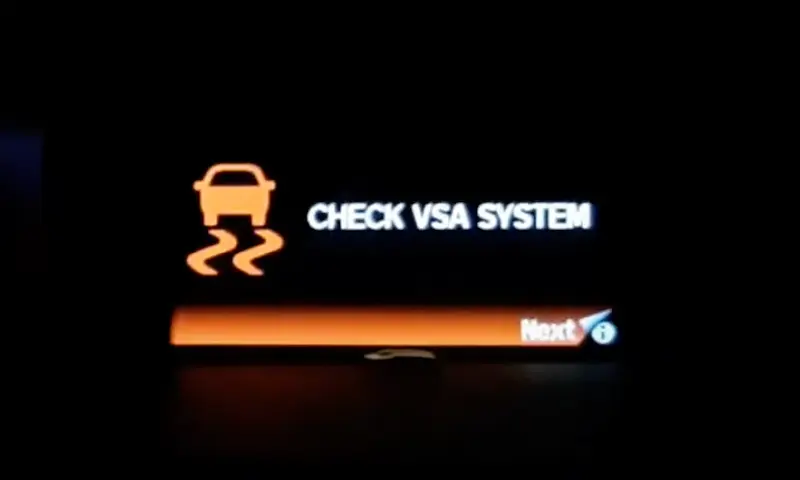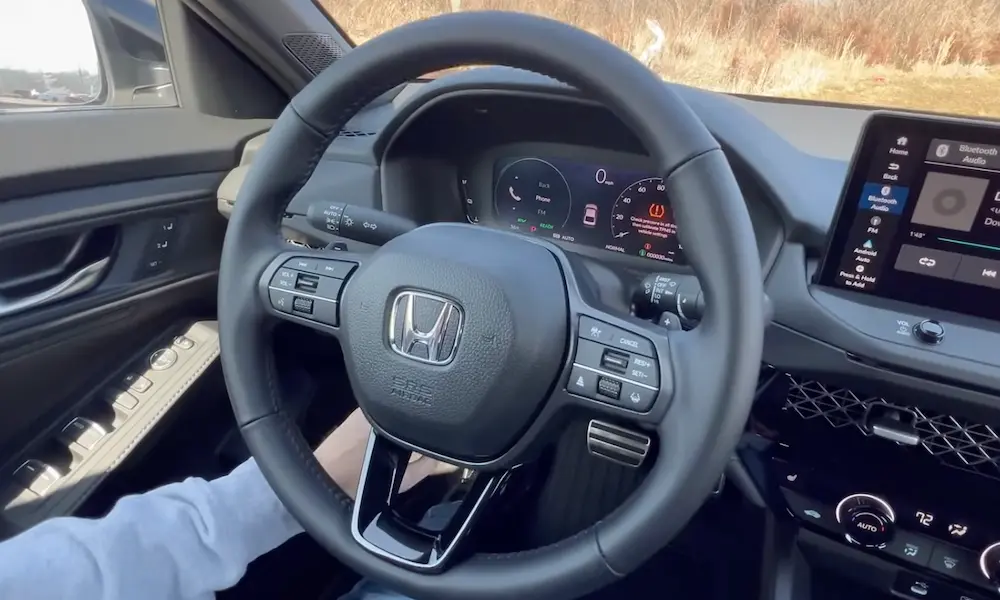
Is your Honda dashboard suddenly showing a “Check DRL System” warning? Don’t panic. This common alert appears in various Honda models including Civics, Accords, CR-Vs, Pilots, and Odysseys. While it might seem alarming at first, in most cases you can diagnose and fix this issue yourself without an expensive trip to the dealership. I’ll walk you through everything you need to know about this warning light, from what it means to how you can troubleshoot and repair it.
What Does the “Check DRL System” Warning Mean?
When your Honda displays the “Check DRL System” message, it’s telling you there’s a problem with your Daytime Running Lights (DRL). These lights automatically illuminate when you’re driving during daylight hours to increase your vehicle’s visibility to other drivers.
Honda’s DRL system typically uses your high beam headlights at reduced power. The system activates when you start your engine with the parking brake released and the headlight switch in the “off” or “auto” position. When the system detects an issue, it triggers that warning message you’re seeing.
The DRL system consists of several components working together:
- DRL bulbs (typically 9005 high beam bulbs)
- DRL control module
- System fuses and relays
- Associated wiring harnesses
Most Common Causes of DRL System Warnings
Several issues can trigger your Honda’s DRL warning light, but these are the most frequent culprits:
1. Burnt-Out Bulbs (60-70% of cases)
By far, the most common cause is simply a burnt-out bulb. The 9005 bulbs used in Honda’s DRL system typically last between 500-1000 hours before failing. When one dies, your system detects the increased resistance and triggers the warning.
2. LED Conversion Problems
If you’ve recently upgraded from halogen to LED bulbs, this might explain your warning light. LED bulbs draw significantly less current than halogen bulbs, which the vehicle’s computer often interprets as a bulb failure. This creates a false warning even when your LEDs are actually working perfectly.
3. DRL Module Failures
The DRL control module commonly fails in vehicles over 10 years old. Heat cycling and vibration cause solder joints in these modules to crack over time, disrupting electrical connections. Honda’s DRL modules are particularly known for developing cold solder joints on relay connections.
4. Blown Fuses
A blown DRL system fuse will immediately trigger the warning light. This is usually a 5-10 amp fuse located in your vehicle’s interior fuse box.
5. Wiring Issues
Damaged, corroded, or loose wiring connections can cause intermittent or permanent DRL system failures. Rodent damage, heat exposure, and simple wear and tear are common culprits.
Step-by-Step Troubleshooting Guide
Let’s walk through a systematic approach to diagnose your DRL system warning:
Step 1: Visual Inspection of DRL Bulbs
Start by checking if your DRLs are actually illuminating:
- Start your engine
- Release the parking brake
- Ensure headlight switch is in the “off” position
- Look at the front of your vehicle to see if both DRLs are lit
If one or both bulbs aren’t illuminating, you’ve likely found your problem. Even if they’re working, check for significant brightness differences between the two sides.
Step 2: Check and Replace Bulbs if Necessary
If you identified non-functioning bulbs, here’s how to replace them:
- Locate the DRL bulbs (typically accessible from the engine bay)
- Remove the bulb housing by turning counterclockwise
- Pull out the old bulb and insert a new 9005 halogen bulb
- Reinstall the housing and test the system
When purchasing replacement bulbs, quality matters. While aftermarket options are available, OEM or high-quality replacements typically provide better reliability.
Step 3: Check the DRL Fuse
If bulb replacement didn’t solve the issue, check the fuse:
- Locate your interior fuse box (usually on the driver’s side dashboard)
- Find the DRL fuse (consult your owner’s manual if needed)
- Remove and inspect the fuse for a broken filament
- Replace with a new fuse of identical amperage if blown
A blown fuse often indicates an underlying electrical issue, so watch for repeated failures.
Step 4: Inspect Wiring Connections
Poor connections can cause intermittent or permanent failures:
- Check the wiring connections at the headlight assemblies
- Look for corrosion, loose connections, or damaged wires
- Clean corroded connections with electrical contact cleaner
- Ensure all connections are tight and secure
Pay special attention to the wiring harnesses, which can be damaged by heat, abrasion, or even rodents.
Step 5: Test the DRL Control Module
If you’ve checked everything else, the module might be your problem:
- Locate the DRL module (typically under dashboard on driver’s side)
- Listen for buzzing sounds which can indicate module failure
- Check for obvious damage or corrosion
The module contains a circuit board with solder joints that commonly crack over time. If you have basic soldering skills, you can often repair this yourself instead of replacing the entire module.
LED Conversion and DRL Warning Issues
Many Honda owners upgrade to LED bulbs for better brightness, longevity, and energy efficiency. While these upgrades offer benefits, they frequently trigger the DRL warning light due to their lower current draw.
Solutions for LED Conversion Problems
If you’ve installed LED bulbs and are getting the warning:
- Install load resistors: These simulate the current draw of halogen bulbs, preventing the warning light. They’re inexpensive and relatively easy to install in parallel with your LED bulbs.
- Use LED bulbs with built-in decoders: Premium LED bulbs often come with integrated CANbus decoders that fool the system into thinking they’re drawing the correct amount of current.
- Return to halogen bulbs for DRLs: Some owners choose to keep halogen bulbs just for the DRL function while using LEDs elsewhere.
Important LED Conversion Considerations
Before converting to LEDs, be aware of these potential issues:
- Many aftermarket LED bulbs create poor beam patterns in housings designed for halogen bulbs
- Improper LED installations can create dangerous glare for oncoming drivers
- Quality LED bulbs with proper decoders cost significantly more than basic options
- Factory LED headlight assemblies are specifically designed for LED bulbs and provide proper light distribution
DIY vs. Professional Repair Options
DIY Repair Benefits
Handling DRL repairs yourself offers significant cost savings:
| Repair Type | DIY Cost | Professional Cost | Savings |
|---|---|---|---|
| Bulb Replacement | $15-30 | $80-120 | $65-90 |
| Fuse Replacement | $2-5 | $60-80 | $55-78 |
| Module Resoldering | Cost of solder | $150-300 | $150-300 |
The skill requirements vary by repair:
- Bulb and fuse replacement require only basic automotive knowledge
- Wiring repairs need intermediate electrical understanding
- Module repair requires soldering skills and patience
When Professional Help Makes Sense
Consider professional assistance in these scenarios:
- Complex electrical problems: When multiple systems are affected or issues are intermittent
- Warranty considerations: Professional repairs may be required to maintain vehicle warranties
- Lack of tools or expertise: Some repairs require specialized equipment or knowledge
- Time constraints: When you need the issue resolved quickly
Professional mechanics have access to specialized diagnostic equipment and Honda-specific service information that can make troubleshooting more efficient.
Cost Breakdown by Repair Type
Different DRL system repairs vary significantly in cost:
Simple Repairs
- Bulb replacement: $15-30 DIY vs. $80-150 professional
- Fuse replacement: $2-5 DIY vs. $60-80 professional
Moderate Repairs
- Wiring repairs: $10-50 DIY vs. $100-250 professional
- Load resistor installation: $20-40 DIY vs. $80-150 professional
Complex Repairs
- Module resoldering: Cost of solder DIY vs. $200-350 professional replacement
- Complete headlight assembly replacement: $200-800 DIY vs. $500-1500 professional
Most shops also charge diagnostic fees ranging from $90-250, though many apply this fee toward repair costs if you proceed with the work.
Repair Tips for Specific Honda Models
Different Honda models have unique DRL system characteristics:
Civic (2006-2015): The DRL module is located under the driver’s side dashboard and is particularly prone to solder joint failures. These models commonly develop cold solder joints on the module’s relay connections.
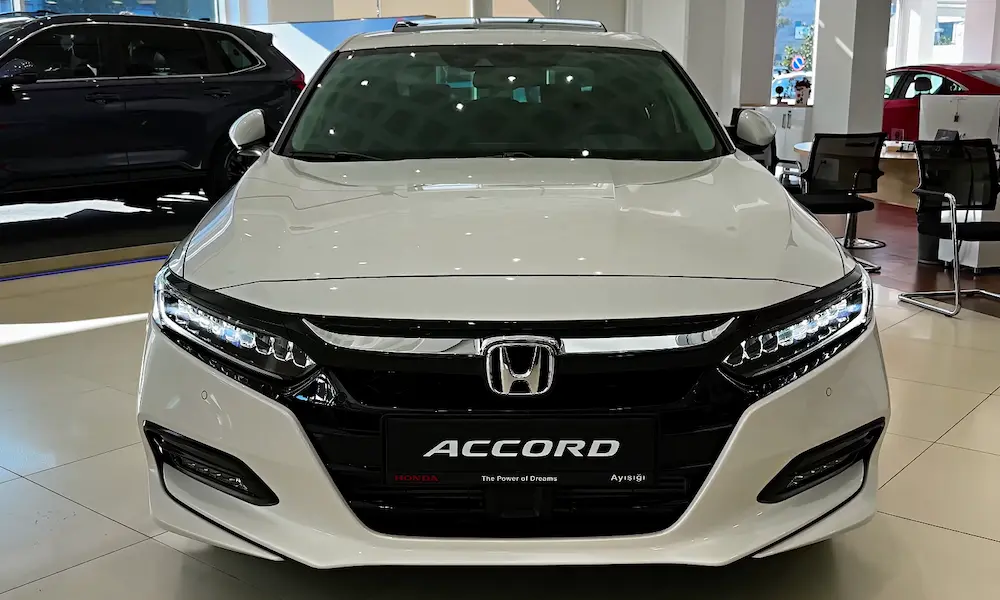
Accord (2008-2012): Check both the DRL module and the light control switch, as failures in either component can trigger the warning. These models often have the DRL module mounted behind the glove compartment.
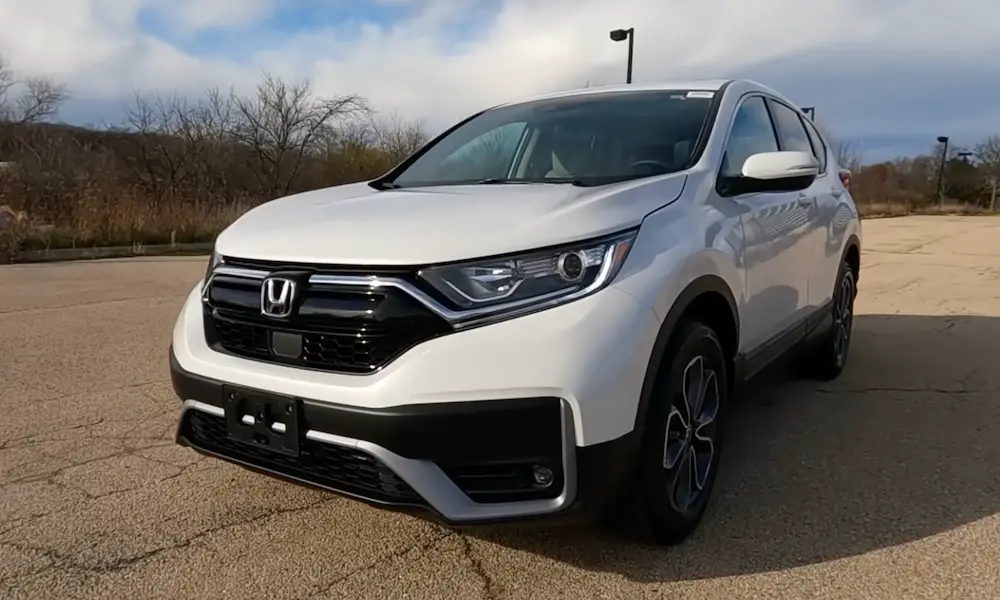
CR-V (2007-2016): These models commonly experience DRL bulb failures due to vibration. The module is typically located near the driver’s side kick panel and is relatively accessible for repair.
Odyssey (2005-2017): The DRL system in the Odyssey is integrated with the main lighting control module in many model years. If experiencing DRL warnings, also check for other lighting system issues as they may be related.
Pilot (2006-2015): These models often develop wiring harness issues near the headlight assemblies. Check for frayed or damaged wires before assuming module failure.
The Honda “Check DRL System” warning, while concerning when it first appears, is typically a straightforward repair that most owners can handle with basic tools and knowledge. By following this systematic troubleshooting approach, you can identify and fix the issue while saving significant money compared to dealership repairs.