You turn the key, and instead of your engine roaring to life… nothing. Or maybe just a click. Few automotive problems are as instantly frustrating as starting issues. If you’re dealing with a Hyundai that won’t start, you’re facing a problem that requires systematic diagnosis and targeted solutions.
This comprehensive guide breaks down the most common Hyundai starting problems, their symptoms, and how to fix them—whether you’re a DIY mechanic or need to know what to expect at the repair shop.
No Crank, No Start: When Your Hyundai Won’t Even Try
Complete Electrical Failure
When you turn the key and absolutely nothing happens—no lights, no sounds, nothing—you’re likely dealing with a complete electrical failure. This is actually one of the easier problems to diagnose.
The most common culprits include:
- A completely dead battery
- Corroded or loose battery terminals
- A broken main fuse
- A faulty ignition switch
Battery issues account for approximately 55% of all no-start conditions. Check your battery connections first—they should be tight and free of corrosion. A simple battery terminal cleaning can often resolve this issue.
The Dreaded Click
If you hear a clicking sound when turning the key but the engine doesn’t crank, your electrical system is partially working, but something’s preventing the starter from engaging properly.
The clicking pattern provides important diagnostic clues:
- Rapid clicking: Usually indicates insufficient battery power to fully engage the starter motor
- Single click followed by silence: Often points to a failing starter solenoid
A clicking starter motor typically indicates either a weak battery or a worn-out starter. Testing the battery’s voltage (should be at least 12.6V) can help narrow down the cause.
Dashboard Lights Work But No Cranking
When your dashboard illuminates normally but the engine won’t crank, you’re dealing with a more targeted starting circuit problem. Your accessory circuits work fine, but something’s preventing the starter circuit from engaging.
Common causes include:
- Failed starter relay
- Faulty ignition switch
- Malfunctioning park/neutral safety switch
- Internal starter motor problems
This scenario requires more methodical diagnosis. Start by checking the starter relay—it’s an inexpensive part that frequently fails. Many Hyundai owners report on CarGurus forums that simply replacing the starter relay solved their no-crank issues.
Cranks But Won’t Start: When Your Engine Tries But Fails
Normal Cranking Without Ignition
When your engine cranks normally but refuses to start, your starter system is working correctly, but another system is failing. This requires checking three critical systems:
- Fuel delivery: Is fuel reaching the engine?
- Ignition system: Is there adequate spark?
- Engine management: Are the sensors providing correct information?
A systematic approach works best here. The most common causes include faulty fuel pumps, bad crankshaft position sensors, and failed ignition coils.
The Notorious Theta II Engine Issues
If you own a Hyundai with a 2.0L or 2.4L Theta II engine (found in 2011-2019 Sonatas, Santa Fe Sports, and other models), you might be facing a more serious underlying issue.
These engines suffer from manufacturing defects that leave metal debris in the oil system. This debris restricts oil flow, causing bearing wear and potential catastrophic failure. Symptoms often begin with starting difficulties before progressing to more serious problems.
If your Theta II-equipped Hyundai has starting problems, check if your vehicle is covered under Hyundai’s engine replacement program through the Hyundai Engine Info website.
Crankshaft Position Sensor Failures
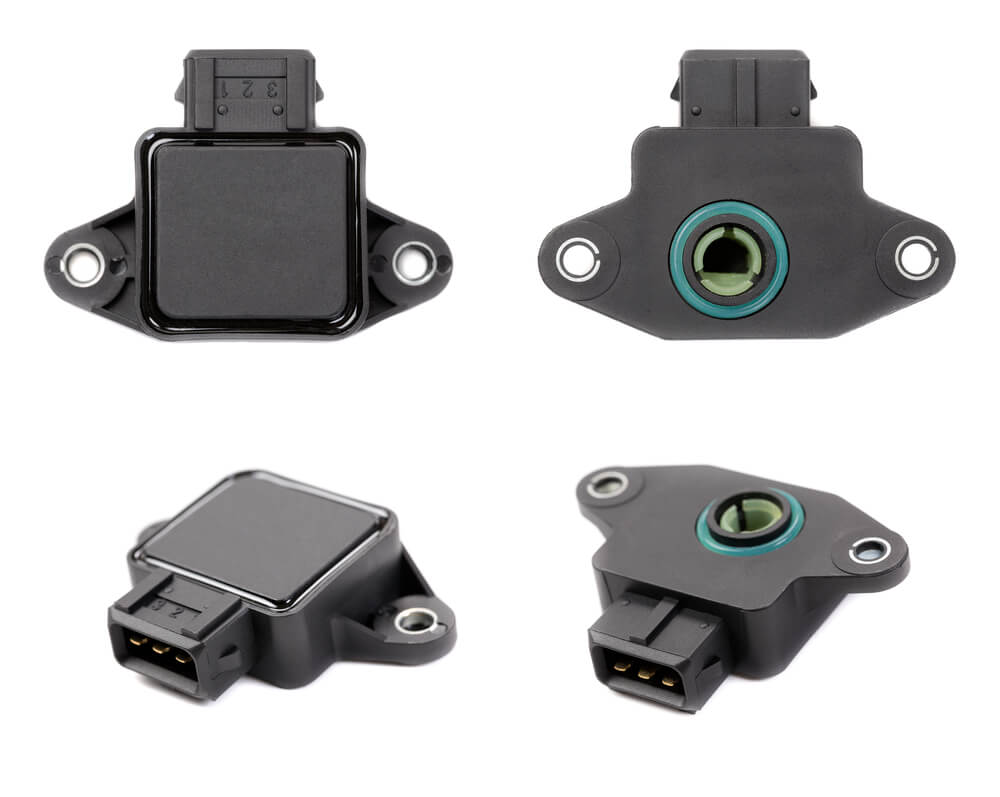
The crankshaft position sensor is a frequent failure point in many Hyundai models. When this sensor fails, your ECM loses its ability to properly time fuel injection and ignition events.
Symptoms include:
- Extended cranking times
- Intermittent starting
- Engine stalling
- Complete no-start conditions
According to YouTube diagnostic videos and technical forums, replacing this sensor often resolves stubborn starting issues, particularly in Elantra, Sonata, and Santa Fe models.
Intermittent Starting Problems: The Most Frustrating Kind
Heat-Related Failures
Some of the most puzzling starting issues occur only when the engine is hot. Your car starts perfectly in the morning but refuses to restart after a quick stop at the grocery store.
Components like the crankshaft position sensor, starter solenoid, and certain fuel system parts can become heat-sensitive as they begin to fail. This is particularly common in older Sonatas and Elantras.
The diagnosis often requires testing components when they’re hot—the exact moment when they’re failing. Professional shops sometimes use heat guns to replicate the condition during testing.
Connection-Related Issues
Loose or corroded electrical connections create some of the most unpredictable starting behavior. Your car might start fine one day and completely fail the next.
The most common connection problems include:
- Loose battery terminals
- Corroded ground connections
- Worn starter relay contacts
- Damaged wiring harnesses
A thorough visual inspection of all electrical connections is essential. Simply cleaning and tightening battery connections resolved starting issues in many cases.
Park/Neutral Safety Switch Problems
The park/neutral safety switch prevents starting when your transmission isn’t in Park or Neutral. When this switch begins to fail, it can cause intermittent no-start conditions.
A temporary workaround involves shifting between Park and Neutral several times before attempting to start. This trick often works temporarily until the switch can be replaced.
Immobilizer System Problems: When Your Car Thinks Your Key is a Thief
How the Immobilizer System Works
Your Hyundai’s immobilizer system acts as a sophisticated electronic gatekeeper. Each original key contains a transponder chip that sends a unique signal to an antenna ring around your ignition switch. If the signal matches what your car expects, the engine management system allows starting.
When this system activates, it disables multiple engine components including:
- The fuel pump
- Ignition coils
- Fuel injectors
- On diesel engines, the stop relay
When the system fails, it typically prevents any starting attempt, even with a mechanically functional key.
Common Immobilizer Failure Points
The most common immobilizer-related starting problems include:
Low Key Fob Battery: The transponder chip requires power to transmit its signal. When battery power weakens, authentication fails. Simply replacing the key fob battery resolves many immobilizer issues.
Damaged Transponder Chips: Physical damage, water exposure, or chip degradation can corrupt the stored authentication code. If your key has been dropped frequently or exposed to water, this might be the issue.
Faulty Electrical Wiring: Problems with the antenna ring or connections to the engine control unit can prevent proper signal transmission. This requires more complex diagnosis and repair.
Software Issues: Recent anti-theft software updates have created additional complications for some Hyundai owners. Vehicles receiving immobilizer software updates have experienced subsequent electrical problems.
Diagnosing Immobilizer Problems
Start by observing the immobilizer warning light behavior. The light should illuminate briefly when turning on the ignition, then extinguish after successful key authentication. A continuously flashing light indicates authentication failure.
Try starting the vehicle with all available keys. If a spare key works but your primary key doesn’t, the problem is likely with that specific key’s transponder.
For system-wide issues, disconnecting the battery for 5-10 minutes may reset the immobilizer module, though this approach doesn’t fix underlying component failures.
Fuel System Starting Problems: No Fuel, No Start
Fuel Pump and Pressure Issues
Fuel pump failures create symptoms ranging from extended cranking times to complete no-start conditions. Modern Hyundai GDI engines use dual pump systems:
- Low-pressure pump (in the fuel tank)
- High-pressure pump (engine-mounted)
Symptoms of fuel pump failure include:
- Engine sputtering at high speeds
- Loss of power during acceleration
- Surging power without pressing the gas
- Car not starting at all
GDI engines are particularly susceptible to high-pressure pump failures. These pumps operate at extremely high pressures (up to 3000 PSI) and frequently trigger diagnostic trouble codes P0087 or P0089 when failing.
Fuel Injector Problems
Fuel injector issues have become increasingly common in direct injection engines. Carbon buildup, poor fuel quality, and normal wear can clog injector passages, reducing fuel flow and affecting combustion.
Signs of injector problems include:
- Rough idle
- Hesitation during acceleration
- Poor fuel economy
- Starting difficulties
Keeping up with recommended fuel system cleaning services can prevent many injector-related starting problems.
Engine Control Module Problems: When the Brain Malfunctions
ECM Failure Symptoms
The Engine Control Module manages virtually every aspect of modern engine operation. When it fails, problems can manifest across multiple systems.
Common ECM failure symptoms include:
- Check engine light illumination
- Engine stalling or misfiring
- Poor fuel economy
- Transmission shifting issues
- Complete no-start conditions
ECM Communication Errors
Modern vehicles rely on complex communication networks between the ECM and various sensors. Failed sensor circuits may trigger multiple diagnostic trouble codes, even when the sensors themselves function correctly.
Communication errors often require professional diagnosis using specialized equipment to trace signal pathways and identify failure points.
Diagnostic Steps You Can Take Today
Basic Starting System Check
| Test | Procedure | What It Tells You |
|---|---|---|
| Battery Voltage | Use a multimeter to check battery voltage (should be 12.6V+ when off) | Confirms battery has sufficient charge |
| Connection Check | Inspect and clean battery terminals | Eliminates connection problems |
| Starter Test | Listen for clicking or grinding when attempting to start | Identifies starter motor or solenoid issues |
| Fuel Pressure | Use a fuel pressure gauge on the fuel rail | Confirms fuel system is delivering adequate pressure |
Advanced Diagnostic Approaches
For more complex issues, consider these diagnostic steps:
- OBD-II Code Reading: Use a code scanner to check for diagnostic trouble codes. Common starting-related codes include:
- P0335: Crankshaft position sensor circuit malfunction
- P0300-P0304: Engine misfires
- P1326: Knock sensor detection (on Theta II engines)
- P0087: Fuel rail pressure too low
- Electrical System Testing: Test battery voltage (12.6V+ when off, 13.5-14.4V when running) and check starter current draw to identify electrical system problems.
- Component Testing: For suspected sensor failures, use a multimeter to check resistance values. Crankshaft position sensors typically show 200-1000 ohms of resistance, though specifications vary by model.
DIY Solutions vs. Professional Repairs
What You Can Fix Yourself
Many starting problems have simple fixes within reach of a DIY mechanic:
- Battery replacement
- Cleaning/tightening battery connections
- Replacing the starter relay
- Changing a crankshaft position sensor
According to Reddit discussions, many owners successfully resolved starting issues by replacing the crankshaft position sensor—a relatively accessible repair on most models.
Professional Repair Considerations
Some issues require professional diagnosis and repair:
- Complex electrical problems
- ECM programming or replacement
- Fuel system repairs (especially on GDI engines)
- Immobilizer system failures
Based on comprehensive analysis, repair costs vary significantly depending on the root cause:
- Battery and connection problems: $50-200
- Starter motor replacement: $200-500
- Fuel system repairs including pump replacement: $300-800
- ECM replacement: $500-2000
For Theta II engine owners, completing the recommended ECM software updates can not only improve starting reliability but also ensure eligibility for engine replacement if catastrophic failure occurs.
Starting problems can range from simple fixes to complex diagnostic challenges. By understanding the systems involved, recognizing symptoms, and following a systematic approach to diagnosis, you can get your Hyundai back on the road quickly and avoid costly unnecessary repairs.
Whether you’re dealing with a completely dead car or just an occasional starting hiccup, the root cause is identifiable and fixable—often for less than you might expect.