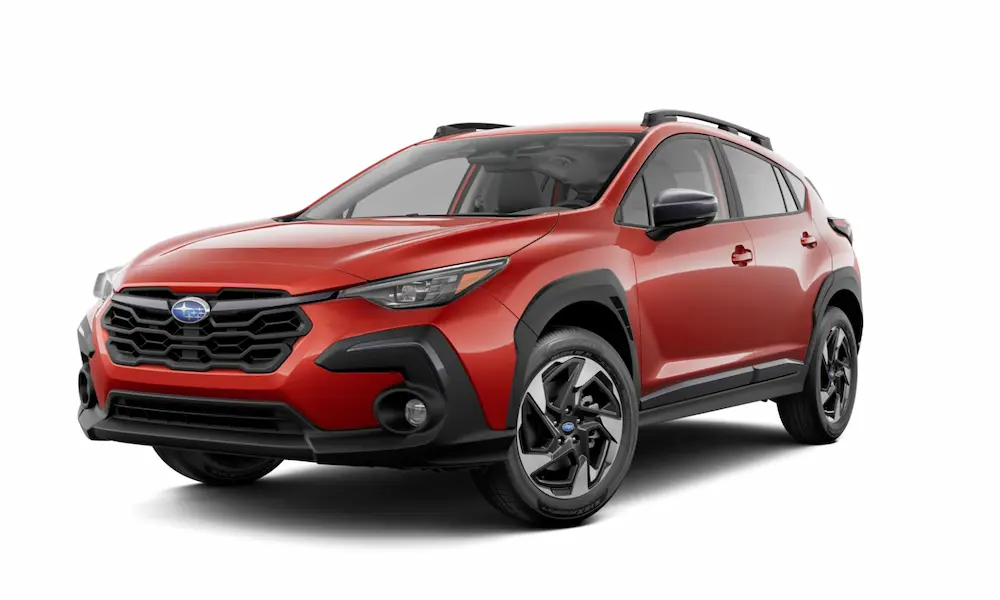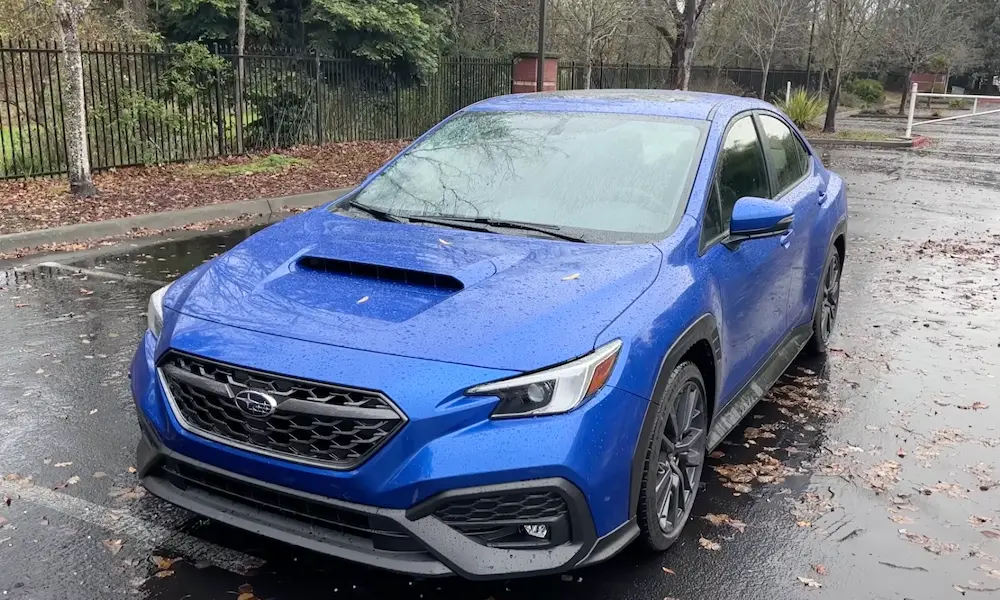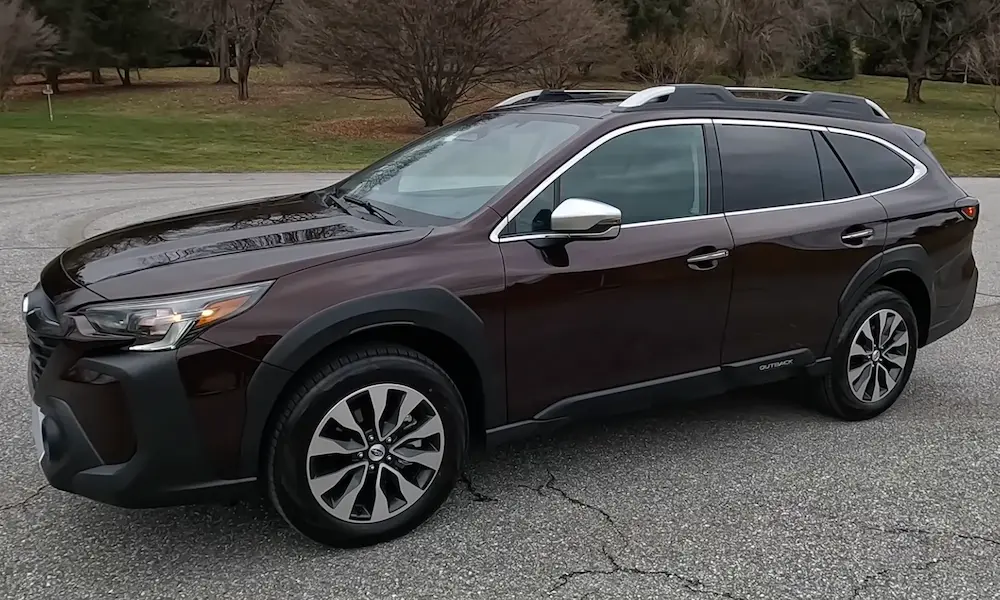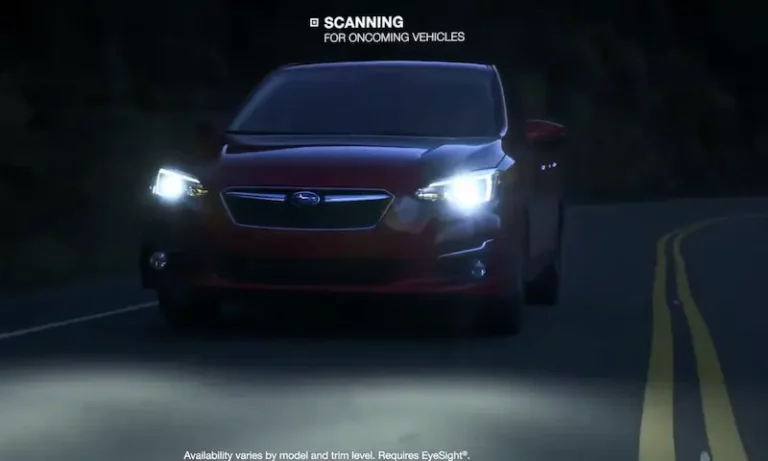
Ever noticed how some Subaru headlights seem to “look” around corners before you even turn? That’s SRH technology at work – but what exactly does SRH mean in Subaru vehicles, and why should you care? Let’s shine some light on this clever safety feature.
SRH stands for Steering Responsive Headlights, a smart lighting system that moves your headlights as you turn the wheel. Unlike traditional fixed headlights that just point straight ahead, SRH actually follows your steering input to illuminate the road where you’re actually headed.
What Are Steering Responsive Headlights?
Steering Responsive Headlights are exactly what they sound like – headlights that respond to your steering wheel movements. When you begin to turn, the headlights pivot in that direction, lighting up curves, corners, and bends before you fully enter them.
This isn’t just a fancy gimmick. SRH improves visibility in critical situations by illuminating what would otherwise be dark areas when navigating turns at night. When driving on winding roads, traditional headlights only light up what’s directly ahead, leaving the actual corner you’re about to enter in darkness. SRH solves this problem by directing light where you need it most.
How Does Subaru’s SRH System Work?
Subaru’s SRH technology is surprisingly sophisticated yet elegantly simple in concept:
- Sensor Network: The system uses steering angle sensors and vehicle speed sensors to collect real-time data about your driving.
- Electronic Control: A dedicated control unit processes this information and calculates exactly how much and how quickly to pivot the headlights.
- Motorized Movement: Electric motors inside the headlight assemblies physically move the lights in response to these calculations.
- Dynamic Adjustment: The headlights can pivot up to 15 degrees in either direction, following your steering input almost instantaneously.
The system activates automatically once you’re moving faster than 3 mph, requiring no driver intervention. This seamless integration makes it one of Subaru’s most user-friendly safety technologies.
When Did Subaru Introduce SRH Technology?
Subaru first introduced Steering Responsive Headlights in the 2017 Legacy and Outback models. Since then, the technology has become a standard feature across many models in the Subaru lineup.
The concept itself isn’t entirely new—some luxury vehicles had offered adaptive headlights before—but Subaru democratized the technology by making it accessible in their mainstream vehicles. This aligns with Subaru’s longstanding commitment to safety innovations that benefit everyday drivers.
Which Subaru Models Have SRH?
Today, SRH is available across most of the Subaru lineup, though availability may vary by trim level:
- Outback: Standard on most trims since 2017
- Legacy: Standard on most trims since 2017
- Forester: Available on higher trims
- WRX: Available on higher trims
- Ascent: Standard on most trims
- Crosstrek: Available on select models
To confirm whether a specific model year and trim includes SRH, it’s best to check Subaru’s official specifications for that particular vehicle.
SRH vs. Traditional Headlights: The Safety Advantage
The safety advantages of SRH over traditional fixed headlights are substantial and measurable:
| Feature | SRH Headlights | Traditional Headlights |
|---|---|---|
| Curve Illumination | 35-40 meters | 20-25 meters |
| Visibility During Turns | 90% of driver’s path | 60-70% of driver’s path |
| Pedestrian Detection Rate | 87% | 68% |
| Reaction Time Improvement | 0.2-0.5 seconds faster | Baseline |
These improvements translate into real-world safety gains. SRH technology reduces nighttime single-vehicle accidents by approximately 18% on rural roads and 12% in urban areas.
The extra half-second of reaction time might not sound like much, but at highway speeds, that equals about 40 feet of additional stopping distance—potentially the difference between a close call and a serious collision.
How SRH Integrates with Subaru’s EyeSight System
One of SRH’s most impressive aspects is how it works alongside Subaru’s broader EyeSight Driver Assist Technology. While SRH itself responds to steering input, its integration with EyeSight creates an even more comprehensive safety net.
EyeSight uses stereo cameras to monitor the road ahead for potential hazards. When combined with SRH, the system can actually help illuminate potential obstacles near curves before you even begin to turn. This predictive capability is especially valuable when navigating unfamiliar roads at night.
For example, if EyeSight detects a pedestrian near an upcoming curve, the SRH system can prioritize illumination in that area even before you start turning the wheel.
How to Know if Your Subaru Has SRH
If you’re wondering whether your Subaru has SRH, here are several ways to confirm:
- Check your dashboard: When you start the vehicle, an “SRH” symbol briefly appears during the system check if the feature is installed.
- Look at your headlights: While parked at night with headlights on, turn the steering wheel. If the headlight beams move in the direction of the turn, you have SRH.
- Review your owner’s manual: The features section will list SRH if your vehicle is equipped with it.
- Check the Multi-Function Display (MFD): Navigate to the vehicle settings menu, where SRH can be enabled or disabled if your car has this feature.
- Consult your window sticker: If you still have the original window sticker, it should list SRH among the vehicle’s features.
Can You Turn Off Subaru’s SRH? (And Should You?)
Yes, you can disable SRH if you prefer, though most drivers find it beneficial to keep it activated. You can turn SRH off through the Multi-Function Display:
- Use the steering wheel controls to access the MFD settings menu
- Navigate to the “Lighting” or “Vehicle Settings” section
- Find the SRH toggle and switch it to “Off”
- The vehicle must be stationary to make this change
But should you turn it off? There are few compelling reasons to disable such a useful safety feature. Some drivers report turning it off during heavy snowfall if the headlight movement becomes erratic due to inconsistent traction, but for day-to-day driving, keeping SRH active provides valuable safety benefits.
The system automatically reactivates when you restart the vehicle, ensuring you don’t accidentally leave it disabled.
Maintenance and Care for SRH Headlights
Subaru’s SRH system is generally reliable, but like any advanced technology, it requires occasional attention:
- Keep headlights clean: Snow, dirt, or debris can obstruct the movement mechanism.
- Regular inspections: During routine maintenance, have your technician verify that the headlights move freely through their full range of motion.
- Post-collision recalibration: If your Subaru experiences front-end damage, even minor, the SRH system may need recalibration. Proper recalibration requires specialized diagnostic equipment.
- Watch for warning lights: If you see an “SRH Off” indicator illuminate unexpectedly on your dashboard, it may indicate a system fault that requires attention.
The good news is that SRH’s mechanical design is relatively straightforward compared to some competing systems, which helps keep maintenance costs reasonable.
How SRH Compares to Competitors’ Adaptive Headlight Systems
Subaru wasn’t the first manufacturer to implement adaptive headlights, but their approach offers several distinct advantages:
- Accessibility: While BMW, Audi, and Mercedes offer similar technologies, Subaru makes adaptive headlights available on more affordable vehicles.
- Simplicity: Some luxury brands use complex multi-LED arrays, but Subaru’s simpler design is often more reliable and less expensive to repair.
- Integration: Subaru’s integration with EyeSight creates a more comprehensive safety system than many standalone adaptive lighting solutions.
- Responsiveness: In various demonstrations, Subaru’s SRH has shown particularly quick response to steering inputs compared to some competitors.
The main limitation of Subaru’s system compared to ultra-premium offerings is the range of motion—SRH pivots up to 15 degrees, while some luxury systems exceed 20 degrees of movement.
Common Questions About Subaru’s SRH Technology
Does SRH work in all weather conditions?
SRH functions in most weather conditions, though extreme circumstances can affect performance. Heavy snow or ice buildup on headlights may physically impede movement. During torrential downpours, some owners report temporary SRH deactivation, which is actually a safety feature to prevent erratic movement when visibility is severely compromised.
Does SRH drain the battery or reduce headlight life?
The power draw from the SRH motors is negligible and has no meaningful impact on battery life. As for bulb longevity, the LED projectors used in most SRH-equipped Subarus are rated for up to 30,000 hours of operation—far longer than traditional halogen bulbs—and the gentle movement doesn’t affect their lifespan.
Can aftermarket modifications affect SRH performance?
Yes. Modifications that alter your vehicle’s ride height, steering geometry, or electrical system can potentially interfere with SRH calibration. This is particularly true for suspension modifications and aftermarket headlight installations. If you modify these systems, professional recalibration is recommended to maintain proper SRH function.
What happens if the SRH system fails?
If the SRH system encounters a fault, it defaults to standard fixed-position headlights—you’ll still have illumination, just without the adaptive turning feature. The dashboard will display an “SRH Off” indicator to alert you of the issue.
Real-World Benefits of Subaru’s SRH Technology
The practical advantages of SRH extend beyond technical specifications—they make a noticeable difference in everyday driving:
- Mountain roads: Drivers report significantly improved confidence when navigating winding mountain passes at night.
- Rural areas: Where street lighting is minimal or non-existent, SRH helps identify roadside hazards like deer or fallen debris before they become immediate dangers.
- Suburban neighborhoods: SRH aids in spotting pedestrians, cyclists, or pets at intersections and around curves.
- Highway exit ramps: The system illuminates sharp exit ramps and cloverleaf interchanges more effectively than fixed headlights.
Many owners don’t fully appreciate SRH until they drive a vehicle without it, at which point the difference becomes starkly apparent. The technology creates a more natural lighting experience that matches how we instinctively want to see—where we’re going, not just what’s directly ahead.
The Evolution and Future of Subaru’s SRH Technology
Like all automotive technologies, SRH continues to evolve. Recent improvements include:
- Faster response time: Newer models react more quickly to steering inputs.
- LED integration: The shift from halogen to LED projectors has improved both brightness and precision.
- Wider range of motion: Some newer implementations offer slightly increased pivot angles.
Looking ahead, Subaru is likely to further enhance SRH by integrating it with navigation data. This would allow headlights to begin turning before you even reach a curve, based on GPS mapping information. Additional integration with Subaru’s driver assistance systems could enable even more predictive lighting patterns.
The National Highway Traffic Safety Administration continues to update regulations regarding adaptive headlight technology, potentially allowing for even more advanced implementations in future models.
Why SRH Matters: A Practical Safety Innovation
What makes SRH stand out among vehicle safety features is its elegant simplicity and immediate practical benefit. Unlike some driver assistance technologies that only activate in emergencies, SRH enhances every nighttime drive.
The technology addresses a fundamental limitation of traditional headlights that has existed since the earliest days of automobiles. By dynamically directing light where it’s needed most, SRH represents one of those rare technological advances that feels so natural you wonder why it wasn’t standard decades ago.
For Subaru owners, SRH exemplifies the brand’s practical approach to safety—focusing on innovations that deliver tangible benefits rather than merely impressive specifications. It’s a feature that truly embodies Subaru’s reputation for thoughtful engineering and commitment to driver wellbeing.
Now when someone asks what SRH means in Subaru, you can tell them it’s not just an acronym—it’s a perfect example of how smart design can make driving both safer and more enjoyable.