Ever had weird electrical issues with your Subaru? Random misfires, flickering lights, or strange sensor readings? The culprit might be hiding in plain sight: your ground wires. These essential components ensure proper electrical flow throughout your vehicle, but Subaru’s factory grounding systems aren’t always up to par. Let’s dig into where these critical wires are located and how to fix common problems.
What Are Ground Wires and Why They Matter
Ground wires complete electrical circuits by providing a path for electricity to return to its source. In your Subaru, these wires create connections between the battery, engine components, and chassis.
Think of ground wires as the “return road” for electricity. Without proper grounding, electrical current can’t flow correctly, causing everything from minor annoyances to major system failures.
Subaru vehicles, unfortunately, are known to have relatively weak factory grounding systems, making knowledge of these locations crucial for troubleshooting.
Main Battery Ground Wire Location
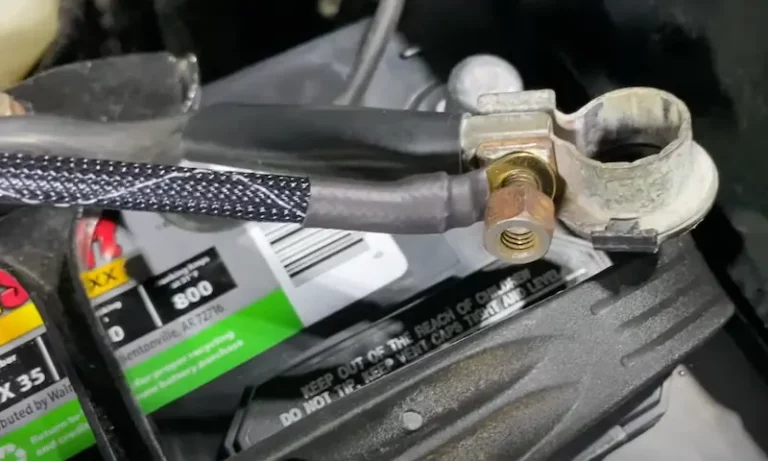
The primary ground connection in your Subaru starts at the negative battery terminal. This hefty wire connects to:
- The chassis, typically on the inner fender wall
- A designated chassis ground point near the battery
- The foundation for the entire electrical system
This connection point is where the negative battery cable touches the chassis and serves as the main grounding point for your vehicle. You’ll recognize it as a thick black cable (often with yellow striping) running from the negative terminal to the body of your car.
Without this primary connection, nothing electrical in your Subaru will work properly.
Engine Bay Ground Wire Locations
Intake Manifold Ground
One of the most critical ground points in your Subaru is located on the intake manifold, typically on the front driver’s side. This connection is crucial because:
- The ECU receives its ground through the top of the intake manifold
- It’s not directly grounded to the engine block like in many other vehicles
- This ground point affects overall engine performance
If you’ve modified your intake system with TGV deletes or phenolic spacers, you might have inadvertently compromised this connection.
Engine Block Ground
Your Subaru’s engine block has its own dedicated ground wire connection. This substantial wire:
- Connects the engine block directly to the chassis
- Ensures proper grounding for engine electrical components
- Is vital for ECU operation and sensor readings
- Can be found attached directly to the engine block itself
This ground connection is essential for overall engine performance and prevents electrical issues related to engine sensors.
Alternator Ground
The alternator has its own ground connection through its mounting bracket. This point:
- Connects to the alternator housing
- Is critical for proper charging system function
- Prevents electrical issues related to power generation
- Can be found on the alternator itself or nearby on the mounting bracket
The alternator ground is vital for proper charging system operation and prevents issues with battery charging and electrical system stability.
Transmission and Starter Ground Wire Locations
Your Subaru also has important ground connections near the transmission and starter area:
- Ground straps near the pitch stop mount
- Starter motor ground connections
- Transmission case grounding points
These connections are part of the main engine wiring harness and help ensure proper electrical flow between major drivetrain components. The starter area typically includes ground connections that are crucial for starting your vehicle.
Cylinder Head Ground Wire Locations
Both left and right cylinder heads have their own ground straps:
- Connected to the chassis frame
- Located on the bottom side of the cylinder heads
- Essential for proper engine electrical component function
These cylinder head grounds ensure proper electrical flow for components like ignition coils, sensors, and other engine management systems.
Inner Fender Well Ground Points
Additional ground points can be found in the inner fender wells on both sides of your Subaru:
- Driver side fender well grounds
- Passenger side fender well grounds
- Common locations for aftermarket grounding improvements
These locations provide additional chassis grounding points and are frequently used when adding supplemental ground wires.
Common Ground Wire Problems in Subarus
Factory System Weaknesses
Subaru’s factory grounding systems have known deficiencies:
- Inadequate wire gauge for optimal electrical flow
- Too few ground points for complex electrical systems
- Poor connection quality at factory ground points
These issues can lead to various problems including random misfires, sensor malfunctions, immobilizer problems, and ECU-related issues.
Issues After Modifications
Many ground problems arise after engine modifications:
- TGV delete kits can remove critical ground connection points
- Phenolic spacers can interrupt grounding paths
- Painted intake manifolds prevent proper metal-to-metal contact
- Aftermarket parts might not recreate factory ground connections
If you’ve modified your Subaru’s intake system, pay special attention to maintaining proper ground connections.
Environmental Damage and Wear
Ground wires are vulnerable to several types of damage:
- Corrosion at connection points
- Rodent damage to wire insulation
- Loosening of connections due to vibration
- Wear from engine movement and heat cycles
Some Subaru ground wire insulation is made from soy-based materials that can attract rodents, leading to chewed and damaged connections.
How to Identify Ground Wires
Visual Characteristics
Ground wires in your Subaru typically have these features:
- Black insulation, sometimes with yellow striping
- Substantial gauge wire (often 8-gauge or larger for main grounds)
- Connected with ring terminals and bolts to metal surfaces
- May have braided construction for flexibility and conductivity
The main battery ground is usually the thickest wire connected to your negative battery terminal.
Subaru’s Ground Wire Coding System
In Subaru wiring diagrams, ground points use specific abbreviations:
| Code | Meaning | Typical Location |
|---|---|---|
| GB | Body Ground | Chassis, fenders, firewall |
| GE | Engine Ground | Engine block, heads, intake |
| GR | Radio Ground | Behind dash, near stereo |
| GD | Rear Defogger Ground | Rear window area |
This system helps you identify the purpose of each ground connection when consulting repair manuals.
Ground Wire Maintenance and Upgrades
Proper Cleaning and Connection
To maintain optimal ground connections:
- Remove ground wire terminals periodically
- Clean both the terminal and connection surface
- Ensure bare metal contact (remove paint if necessary)
- Apply dielectric grease to prevent future corrosion
- Tighten connections to proper torque
Regular inspection and cleaning of ground points can prevent many electrical issues before they start.
Upgrading Your Grounding System
Many Subaru owners improve their electrical system with:
- Aftermarket grounding kits
- Larger gauge ground wires
- Additional ground points
- Consolidated junction blocks
These upgrades can consolidate multiple ground points into a single junction block, improving electrical flow throughout your vehicle.
| Stock Ground Wire | Upgraded Ground Wire |
|---|---|
| Factory gauge wire (often 10g or smaller) | Heavier gauge wire (8g or 4g) |
| Few connection points | Multiple redundant connections |
| Often corroded or loose | New clean connections |
| Minimal surface contact | Maximum contact area |
Testing Ground Wire Connections
To check if your ground connections are working properly:
- Use a multimeter set to measure resistance (ohms)
- Connect one probe to the battery negative terminal
- Connect the other probe to the ground point you’re testing
- Readings should be under 0.5 ohms for good connections
- Higher resistance indicates a poor ground
You can also perform a voltage drop test while the engine is running to identify weak ground points. A properly functioning ground should show minimal voltage drop.
Model-Specific Ground Wire Locations
Subaru Impreza and WRX/STI
The WRX and STI models have ground points at:
- Battery to chassis (driver’s side fender)
- Engine block to chassis (near the pitch stop)
- Intake manifold (front driver’s side)
- Both cylinder heads to the chassis
Subaru Forester
Foresters typically have ground connections at:
- Negative battery terminal to inner fender
- Engine block to firewall
- Transmission case to chassis
- Additional grounds on the passenger side fender well
Subaru Outback and Legacy
These models feature ground connections at:
- Main battery ground to chassis
- Engine to firewall
- Transmission case to frame
- Additional grounds near the strut towers
Diagnosing Ground-Related Issues
Symptoms of Poor Ground Connections
Bad ground connections can cause:
- Flickering headlights or interior lights
- Inconsistent gauge readings
- Intermittent sensor errors
- Starting problems
- Random electrical glitches
- Poor fuel economy
- Engine hesitation or stalling
If these symptoms come and go, especially during vibration or temperature changes, suspect ground wire problems.
Tracking Down Bad Grounds
To find problematic ground connections:
- Visually inspect all ground points for corrosion or loose connections
- Look for discolored or heat-damaged wire insulation
- Check for missing ground straps after modifications
- Test resistance between various ground points
- Wiggle test connections while monitoring symptoms
- Temporarily add a jumper ground wire to see if symptoms improve
A systematic approach to testing each ground connection will help you identify the culprit.
DIY Ground Wire Installation
Adding supplemental ground wires can improve your Subaru’s electrical system:
- Purchase 8-gauge or larger wire with proper terminals
- Identify the key ground points (battery, engine, chassis)
- Ensure clean metal-to-metal contact at connection points
- Secure terminals with appropriate hardware
- Route wires away from moving parts and heat sources
Many Subaru owners see improved electrical performance after adding supplemental ground wires.
Advanced Grounding Solutions
For serious performance upgrades:
- Engine to chassis ground kits
- Battery relocation with upgraded grounds
- Multi-point grounding blocks
- Competition-grade ground wire systems
These advanced setups create multiple redundant ground paths, ensuring optimal electrical performance even under demanding conditions.
By understanding your Subaru’s ground wire locations and maintaining proper connections, you’ll prevent many common electrical problems and ensure your vehicle runs at its best. Whether you’re troubleshooting an issue or planning modifications, proper grounding is the foundation of a reliable electrical system.