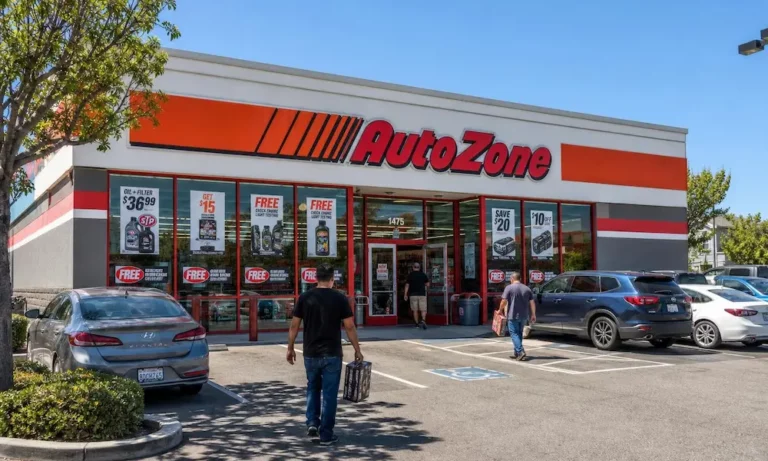
Your wipers are streaking, smearing, or making that awful chattering noise. You need new ones fast. But do you really have to install them yourself? If you’re wondering whether AutoZone installs wiper blades, you’re in the right place. This guide covers the real policy, the hidden limits, and exactly what to expect before you pull into that parking lot.
Does AutoZone Install Wiper Blades for Free?
Yes, AutoZone does install wiper blades for free — but only if you buy the blades in store. It’s part of a wider menu of complimentary store services that also includes battery testing, alternator testing, and Fix Finder engine light scanning.
The catch? It’s a courtesy service, not a guaranteed right. Employees aren’t certified mechanics, and nowhere in AutoZone’s policy does it say installation is mandatory. Think of it as a helpful bonus, not a contractual obligation.
Here’s a quick comparison of what major auto parts retailers offer for free:
| Retailer | Free Services | Key Limits |
|---|---|---|
| AutoZone | Wiper install, battery test/install, Fix Finder scan, Loan-A-Tool | In-store purchase required; same-day delivery orders excluded |
| Advance Auto Parts | Front & rear wiper install, battery test, check engine scan | “Most vehicles” at “most locations” — managers have discretion |
| O’Reilly Auto Parts | Wiper install, battery & alternator testing, diagnostic scan | Varies by location, vehicle, and staff availability |
| Pep Boys | Wiper install, battery testing | Also has paid service bays for complex jobs |
What’s the Catch With Same-Day Delivery?
If you order online for same-day delivery, you forfeit the free installation. AutoZone’s FAQ page makes this clear — same-day delivery orders don’t include in-store services like wiper installation, battery install, or Fix Finder scans.
That’s the trade-off. Home delivery is convenient, but you lose the parking lot service. If you want free installation, buy in store.
When AutoZone Might Refuse to Install Your Wipers
This is where things get real. Several factors can lead to a polite “sorry, we can’t do that today.”
The Store Is Swamped
Staff prioritize the checkout line over the parking lot. If it’s busy, you’ll wait — or they’ll ask you to come back. Retail associates aren’t obligated to leave a busy register to swap your wipers.
The Weather Is Dangerous
AutoZone employees work in open parking lots. No one’s required to crouch in a lightning storm or on an icy surface for a $20 wiper sale. In severe weather, installations get paused. That’s fair.
Your Car’s Too Complex
AutoZone uses an internal system called Z-net to look up parts. It also flags installations that are too risky or time-consuming. If your vehicle triggers a warning — or the employee spots a complex setup — they’ll decline, complete the sale, and point you toward the Loan-A-Tool program or a nearby repair shop.
Your Car Has a Recessed Cowl
Many modern cars hide wiper arms under the hood’s trailing edge. You can’t lift those arms without activating an electronic Service Mode first. Here’s how that works on two common platforms:
| Vehicle | Service Mode Activation |
|---|---|
| Honda/Acura (2022+ Civic, Integra, Accord) | Turn power to “On” without starting. Power back off. Within 10 seconds, push wiper stalk to Mist and hold 2+ seconds. Wipers lock upright. Watch the how-to here. |
| Volkswagen ID.4 | Power down the car. Once the screen says “Goodbye,” tap the wiper stalk down — or find “Wipers Service Position” in the infotainment menu. See the VW method here. |
Retail employees can’t memorize every car’s software protocol. Entering your vehicle to run through menus also opens serious liability doors. So if your car needs Service Mode, most locations will decline — especially for newer European luxury vehicles.
The Windshield Risk No One Talks About
Here’s something most people don’t consider: wiper installation can crack your windshield.
The wiper arm contains a powerful tension spring. When you lift the arm to swap the blade, that metal arm is coiled and ready to snap back hard. If the arm falls without a blade attached, the bare metal hook slams directly into the glass — and you get an instant starburst crack.
Modern windshields aren’t cheap. They contain heating elements, rain sensors, and ADAS camera calibration points. Replacement can easily top $1,000.
The fix? Experienced techs always wedge something — a folded shop towel, a jacket, the cardboard box — between the arm and the glass before removing the blade. It’s a simple habit that prevents catastrophic damage.
Stores that rack up too many broken windshield claims sometimes quietly stop offering the service entirely. That’s how real the risk is.
Rear Wipers Are a Different Story
Rear wiper installs carry their own headaches. Most rear blades use proprietary connectors — not the standard J-hook. The most common is the Rock Lock 2 system.
To remove it, you lift the arm, rotate the blade 90 degrees perpendicular to the arm, then pull it straight out. Install reverses the process — snap the pin in, fold it flat, and listen for the click.
The problem? Rear wiper arm covers are thin plastic baked by years of UV exposure. They get brittle. One wrong move and the housing shatters in your hands. That’s why many employees treat rear wiper installations as high risk and may skip them altogether.
Picking the Right Wiper Blade
Not all wiper blades are the same. Here’s a plain-English breakdown of the three main types:
| Type | How It Works | Best For | Weakness |
|---|---|---|---|
| Conventional (frame) | Metal frame with hinges presses rubber against glass | Mild climates, budget-conscious buyers | Hinges trap ice; fails in winter |
| Beam (frameless) | Pre-curved internal spring creates contact points across the full blade length | Winter driving, highway speeds | Costs more upfront |
| Hybrid | Internal frame wrapped in aerodynamic plastic shell | All-season use, mixed climates | Middle-of-the-road performance |
AutoZone stocks blades from Duralast, Bosch ICON, Rain-X Silicone AdvantEdge, PIAA, and more. Prices range from about $8 for a basic conventional blade to over $40 for a premium silicone beam blade.
Silicone blades last longer than natural rubber. They resist UV breakdown and actually deposit a hydrophobic coating on your glass over time — water beads and rolls off before the wipers even activate. That’s a legitimate upgrade for anyone dealing with heavy rain or harsh summers.
AutoZone recommends replacing wiper blades every 6–12 months. If you’re in a snowy northern state, push closer to the 6-month mark.
How to Read Your Wiper Blade Size
Most vehicles use two different blade lengths — one for the driver’s side, one for the passenger side. Get this wrong and the blades collide mid-sweep, or catch on the A-pillar.
For example:
- A 2015 Honda CR-V needs a 26″ driver blade, 16″ passenger blade, and 13″ rear blade
- A 2021 Toyota Tundra needs a 26″ driver blade and 22″ passenger blade
Always use the vehicle lookup tool in the store or on AutoZone’s site to confirm your exact sizing before you buy.
Warning Signs Your Wipers Need Replacing
Don’t wait until you can’t see in a downpour. Here’s what to watch for:
- Streaking — Narrow bands of water left behind = damaged rubber edge
- Smearing — Hazy film instead of clean sweep = worn-out squeegee or dirty glass
- Chattering/skipping — Vibrating blade, washboard water pattern = hardened rubber that’s lost its flex
- Squeaking — High-pitched noise = too much friction from dry glass or contaminated surface
If brand-new blades don’t fix the problem, the wiper arm’s tension spring may have lost its pressure — leaving a gap in the center of the wipe. That means replacing the arm itself. And if your wipers hesitate, park in the wrong spot, or stop moving entirely, that’s a motor or linkage failure — time to see a mechanic.
Quick Tips to Make Your Wipers Last Longer
A little maintenance goes a long way:
- Wipe the rubber edge with a damp cloth regularly to remove embedded grit and road sand
- Lift arms off the glass before a snowstorm to prevent the rubber from freezing to the windshield
- Never run wipers on a dry windshield — it tears the rubber fast
- Park in the shade when you can — UV heat is the #1 cause of premature rubber cracking
Poor wiper performance isn’t just an annoyance — the NHTSA links reduced visibility directly to crash risk. Staying on top of wiper maintenance is genuinely a safety issue, not just a comfort one.
The Bottom Line on AutoZone Wiper Blade Installation
Does AutoZone install wiper blades? Yes — for free, when you buy in store. But it’s a courtesy, not a guarantee. Staff, weather, vehicle complexity, and liability all factor into whether you actually get help in the parking lot.
If your car needs Service Mode activation, has a recessed cowl, or is a newer luxury model, plan to do it yourself or head to a shop. For most standard vehicles with a J-hook connection, walk in, buy the right blades, and you’ll likely walk out with them already installed.