Looking to add some vintage flair to your ride with those sleek black California license plates? The iconic yellow-on-black plates from the 1960s are making a serious comeback, and for good reason. They’re eye-catching, stylish, and look fantastic on almost any vehicle. This guide walks you through everything you need to know about getting your hands on these popular plates.
What Are Black California License Plates?
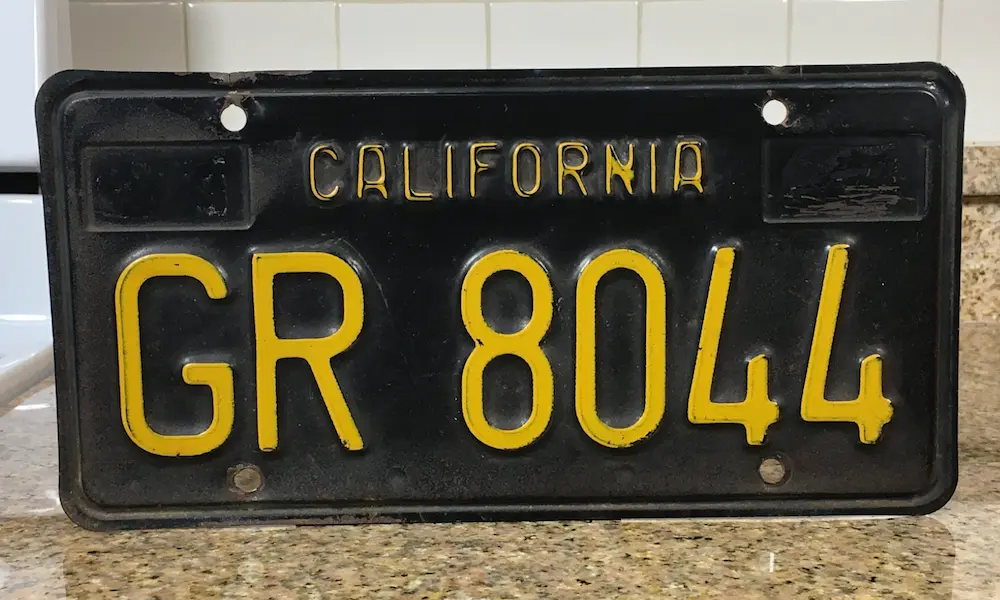
The black license plates available today are officially called “California 1960s Legacy License Plates” and feature bold yellow lettering on a sleek black background. These aren’t just cheap knockoffs – they’re legitimate reproductions of the plates California issued from 1963 to 1969, created using the original molds discovered at Folsom Prison where license plates are manufactured.
Today’s black plates feature reflective yellow paint on the letters and numbers to meet current safety requirements, but the difference is barely noticeable. The plates look almost identical to the vintage originals, giving your vehicle that distinct retro California vibe.
Who’s Eligible for Black California License Plates?
Good news – almost any California vehicle can sport these stylish plates. According to the California DMV, you’re eligible if:
- Your vehicle (car, truck, trailer, or motorcycle) is currently registered in California
- You have current registration in your name (or the documents needed to register the vehicle)
- You’re willing to surrender your current plates when applying
These plates are available for:
- Regular passenger vehicles
- Commercial vehicles (except International Registration Plan vehicles)
- Motorcycles
- Trailer coaches
- Permanent trailer identification vehicles
Step-by-Step Application Process
Step 1: Get Your Standard Plates First
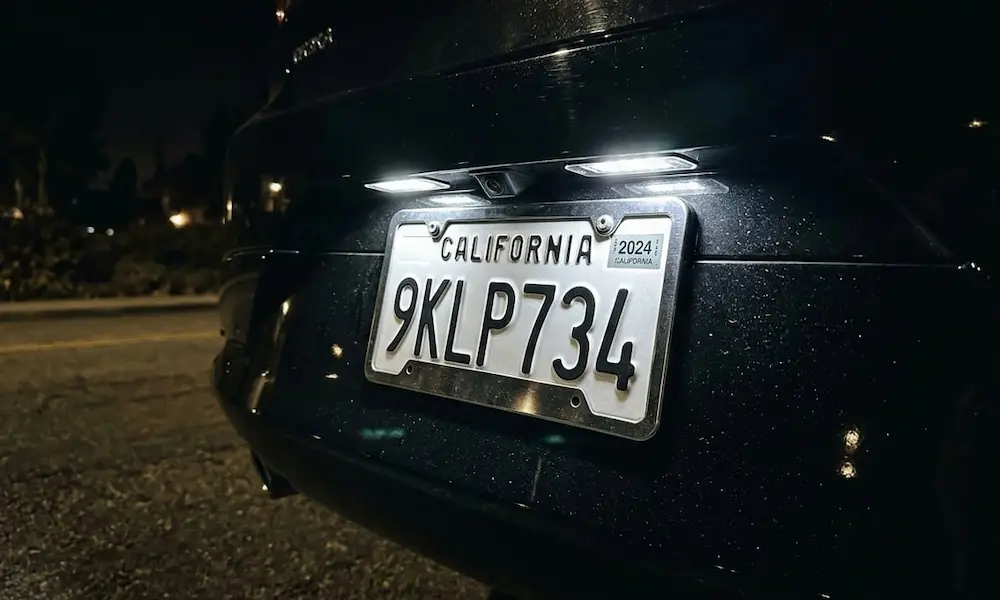
Here’s something many people don’t realize: you can’t order black plates immediately when buying a new vehicle. The California DMV requires that you first receive your standard white California license plates before applying for the legacy black plates. It’s a mandatory waiting period with no exceptions.
Step 2: Choose Between Sequential or Personalized Plates
You have two options for your black plates:
Sequential plates: Six-character standard configurations assigned by the DMV
- Lower cost
- Faster processing time
- Random plate numbers
Personalized plates: Two to seven characters of your choosing
- More expensive
- Much longer wait time
- You select the characters (subject to availability and DMV approval)
Step 3: Submit Your Application
You can apply for black California license plates through three convenient methods:
- Online through the official California DMV website
- By mail using the Special Interest License Plate Application (REG 17) form
- In person at any DMV office or AAA location (if you’re a AAA member)
When applying, make sure to have:
- A completed Special Interest License Plate Application (REG 17) form
- Your current registration card or documents to register the vehicle in your name
- Your current license plates (you’ll need to surrender these)
- Payment for all applicable fees
Costs: Initial and Ongoing Fees
One-Time Application Fee
The initial cost for black California license plates is $50 for both sequential and personalized plates. This is a one-time application fee.
Annual Renewal Fee
Here’s where many people get surprised – there’s an ongoing $40 annual renewal fee that gets added to your regular registration renewal each year. This fee continues for as long as you keep the black plates and supports the California Legacy License Plate Program.
So your total costs will be:
- $50 initial application fee
- $40 additional renewal fee every year
Current Wait Times for Black Plates
How long until those cool black plates arrive? It depends on which type you order:
Sequential (Standard) Plates
- Typical wait: 4-6 weeks
- Recent reports: Some drivers report receiving them within 1-2 months
Personalized Plates
- DMV estimate: 8-12 weeks
- Actual wait times: 6-10 months in most recent cases
- 2023-2024 experiences: Many drivers report waiting 8-9 months
The dramatically longer wait for personalized plates is due to high demand and occasional material shortages (particularly aluminum) affecting production capacity.
Things to Consider Before Ordering
The Annual Fee Impact
The $40 annual renewal fee is a significant consideration. Over 10 years of ownership, you’ll pay $400 in additional fees beyond your regular registration costs. For some drivers, this ongoing expense is a deterrent, while others feel the unique look is worth the premium.
Your Plate Number Will Change
When switching to black legacy plates, you’ll typically receive a new plate number different from your original white plates. This is important if you have:
- HOV stickers tied to your original plate number
- Parking permits linked to your current plates
- Toll accounts set up with your existing plate information
- License plate tracking for parking garages or communities
Be sure to update all your records when your new plates arrive.
Legal vs. Illegal Alternatives
While waiting for your official black plates, you might be tempted by alternatives. Be aware that California law prohibits altering license plates from their original DMV-issued appearance. This means:
✅ Legal: Official DMV-issued black legacy plates
❌ Illegal: Vinyl wraps over standard plates
❌ Illegal: Painting your existing plates black
❌ Illegal: Using reproduction vintage plates
Getting caught with modified plates can result in fines and traffic stops, so it’s best to wait for the real thing.
Plate Designs and Appearance
The black California legacy plates feature:
- Glossy black background
- Yellow characters and border
- “CALIFORNIA” printed across the top
- Month/year registration tags in the corners
They’re manufactured at the same facility as all California license plates and meet all current legal requirements for reflectivity and visibility.
| Feature | Description |
|---|---|
| Background | Glossy black |
| Text/Numbers | Reflective yellow |
| Border | Yellow outline |
| Dimensions | 12″ × 6″ (standard US plate) |
| Character Limit | Up to 7 characters (personalized) |
| Manufacturing | California Prison Industry Authority |
Why Black Plates Are So Popular
The black California license plates have become incredibly popular for several reasons:
- Visual appeal: They complement almost any vehicle color
- Vintage aesthetic: They add a classic touch to modern vehicles
- Exclusivity: They stand out from standard white plates
- California nostalgia: They recall the golden era of California car culture
- Versatility: They work equally well on classic cars and new vehicles
In fact, of all the legacy plate designs offered by California, the black plates were the only ones to meet the required minimum of 7,500 orders when the program initially launched.
How to Apply Online
Getting your black plates through the DMV website is straightforward:
- Visit the California DMV Special Interest License Plates page
- Click on “Apply for special interest license plates”
- Log in to your DMV account (or create one if needed)
- Select “1960s Legacy Plate” from the options
- Choose between sequential or personalized
- If personalized, enter your desired configuration
- Pay the $50 application fee
- Follow the instructions for surrendering your current plates
The system will guide you through providing all necessary information and payment details.
Tips for Faster Processing
While there’s no way to completely sidestep the wait, these tips might help speed things up:
- Apply online rather than by mail for faster processing
- Choose sequential plates instead of personalized ones
- Avoid complex personalized messages that might require additional review
- Make sure your registration is current before applying
- Complete all parts of the application correctly the first time
- Check your application status regularly through the DMV website
What to Do While Waiting for Your Plates
After applying for black California license plates, you’ll need to keep your current plates on your vehicle until the new ones arrive. The DMV will send your new plates directly to your registered address.
Once they arrive, you should:
- Remove your old plates
- Install the new black plates
- Update any accounts linked to your license plate number
- Keep your registration documents updated
- Securely dispose of or store your old plates (some people keep them as souvenirs)
Black Plates for Classic Cars vs. Modern Vehicles
The black California legacy plates work well on vehicles of any age:
For classic cars: They provide period-correct appearance, especially for California vehicles from the 1960s. Many classic car enthusiasts prefer these to the more expensive Year of Manufacture (YOM) plates that require original vintage plates.
For modern vehicles: They create a striking contrast, especially on white, silver, or brightly colored cars. The black plates have become particularly popular with owners of luxury and sports cars.
Caring for Your Black License Plates
To keep your black California license plates looking their best:
- Wash them periodically with your vehicle
- Avoid harsh chemicals that could fade the yellow paint
- Check screws regularly to ensure they’re secure
- Apply a light coat of automotive wax to protect the finish
- Replace any damaged registration stickers promptly
With proper care, your black plates should remain attractive for the life of your vehicle.
The History Behind Black California Plates
The black plates with yellow lettering were originally issued in California from 1963 to 1969. They represented a golden era in California automotive history that coincided with muscle cars, surf culture, and the height of American car design.
In 2015, California reintroduced these iconic plates through the Legacy License Plate Program after discovering the original molds still existed. Since then, they’ve become one of the most sought-after special plate designs in the state.
Getting Replacement Black Plates
If your black California license plates are lost, stolen, or damaged, you can request replacements through the DMV’s replacement license plate service. The process is similar to replacing standard plates, but you’ll need to specify that you’re replacing legacy black plates.
The replacement fee is typically less than the original application fee, but you’ll still maintain the annual $40 renewal fee moving forward.
Transferring Black Plates Between Vehicles
If you sell your vehicle or buy a new one, you can transfer your black California legacy plates to your new vehicle through a plate transfer application. There’s a small fee for this service, but it allows you to keep your plates (especially valuable if you have personalized plates).
Remember that the plates must remain registered in the same name, and the annual renewal fee follows the plates to the new vehicle.