Ever spotted a car deal that seems too good to be true? That suspiciously affordable vehicle might have one little catch: a salvage title. While the price tag might make your wallet smile, these vehicles come with their own set of challenges that could turn your bargain into a burden. Let’s dive into what you need to know before taking the plunge on a salvage title car.
What Is a Salvage Title Car?
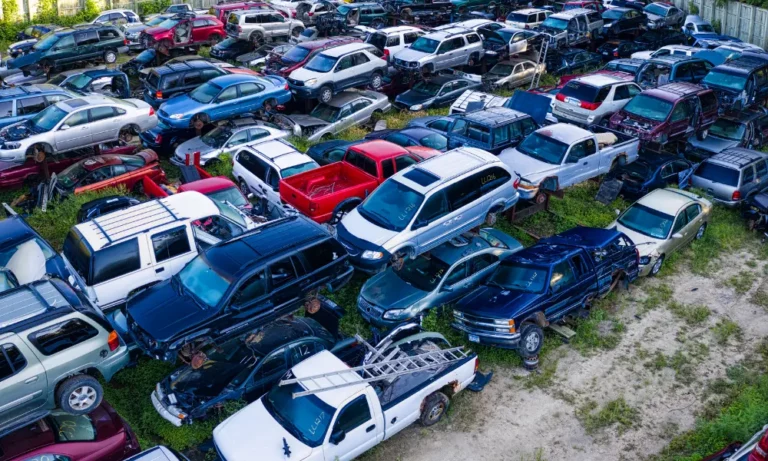
A salvage title car has been declared a total loss by an insurance company, typically after significant damage from an accident, flood, fire, or other incident. The insurance company determines that repairing the vehicle would cost more than its worth (usually 75-90% of its value, depending on the state).
The car gets branded with a “salvage” designation, which stays on its title permanently. Even after repairs, most states require these vehicles to carry a “rebuilt” or “reconstructed” title, signaling their history.
The Potential Benefits of Buying a Salvage Title Car
Significant Cost Savings
The most obvious draw of salvage title cars is their price. These vehicles typically sell for 20-50% less than comparable models with clean titles. If a standard used car might cost $15,000, you might find the same model with a salvage title for $7,500-$12,000.
Access to Higher-End Models
That luxury or sports car normally out of your price range? With a salvage title, it might suddenly become affordable. This gives budget-conscious buyers access to vehicles they otherwise couldn’t consider.
Project Car Potential
For mechanics or DIY enthusiasts, salvage cars can be excellent project vehicles. If you have the skills to assess and repair damage yourself, you might extract significant value from these vehicles.
The Serious Drawbacks to Consider
Hidden Damage and Safety Concerns
Perhaps the biggest risk with salvage vehicles is hidden damage that might not be immediately apparent. Structural weaknesses can reduce a car’s ability to protect you by 30-50% during accidents. Flood-damaged vehicles show 4x higher failure rates in critical systems like anti-lock brakes and airbag sensors.
Even after repairs, many salvage vehicles never fully regain their original integrity. A 2024 study found that 22% of rebuilt vehicles had safety-critical defects that inspections missed.
Repair Costs Can Erase Your Savings
Those upfront savings? They can vanish quickly once you start addressing issues:
| Repair Type | Typical Cost Range |
|---|---|
| Frame straightening | $1,500-$5,000 |
| Airbag replacement | $1,000-$3,000 per airbag |
| Electrical system repairs | $2,000+ |
| Inspection and titling fees | $100-$500 |
About 63% of salvage vehicle buyers spend more on repairs than they initially projected, eating up 70-90% of their upfront savings.
Insurance Headaches and Limitations
Getting insurance for a salvage title car is challenging. Most major insurers limit coverage to liability only, making comprehensive and collision coverage difficult or impossible to obtain.
When you do find coverage, expect to pay a premium. Insurance rates for salvage vehicles are typically 20-40% higher than for cars with clean titles. And if your car is damaged again, payouts are usually just 50-70% of what you’d get with a clean title vehicle.
Financing Complications
Traditional lenders reject about 89% of salvage title loan applications. Alternative financing options carry steep penalties:
| Financing Type | Interest Rate Increase | Down Payment Required |
|---|---|---|
| Credit unions | +3-5% APR | 25-35% |
| Private lenders | +8-12% APR | 40-50% |
| Peer-to-peer | +5-7% APR | 15-25% |
You’ll likely need substantial cash upfront or be prepared for much higher interest rates.
Resale Value: The Permanent Discount
That salvage title follows your car forever, affecting its resale value long after you’ve made repairs. Expect:
- 30-40% lower resale values compared to identical models with clean titles
- 3-5 times longer to sell when you’re ready to move on
- Limited potential buyer pool (many people avoid salvage titles altogether)
A 5-year-old rebuilt title SUV typically retains just 18-22% of its original MSRP, compared to 35-40% for clean-title equivalents. In practical terms, a $30,000 vehicle might be worth $10,500-$12,000 with a clean title after five years, but only $5,400-$6,600 with a rebuilt title.
State Regulations: A Confusing Patchwork
Each state handles salvage vehicles differently, creating a complex regulatory landscape:
| State | Total Loss Threshold | Notable Requirements |
|---|---|---|
| Texas | 100% | Two-stage inspection: structural + mechanical |
| Florida | 80% | Law enforcement theft verification |
| Michigan | 75-90% | Scrap title if >90% loss |
Before buying, check your state’s inspection requirements and what’s needed to get the car legally on the road. Some states make the process reasonably straightforward, while others have extensive hurdles to clear.
How to Minimize Risks When Buying Salvage
If you’re still considering a salvage title vehicle, here’s how to protect yourself:
Get a Pre-Purchase Inspection
Hire an ASE-certified mechanic for a thorough inspection before buying. This should include:
- Structural measurements to check for frame damage
- Electrical system testing
- Signs of water damage (musty odors, rust in unusual places, water lines)
- Airbag and safety system verification
This $100-300 investment could save you thousands in unexpected repairs.
Research the Car’s History
Get a comprehensive vehicle history report that specifically details:
- What caused the salvage title (collision, flood, theft recovery)
- The extent of the original damage
- How many times the title has changed hands
Calculate Total Ownership Costs
Before buying, estimate all potential costs:
- Purchase price
- Repair costs (get written estimates)
- Insurance premiums (get quotes beforehand)
- Inspection and registration fees
- Reduced future resale value
This gives you a clearer picture of the true cost compared to a clean-title alternative.
When Buying a Salvage Title Makes Sense
Despite the risks, certain scenarios might justify a salvage purchase:
For the Mechanically Inclined
If you’re an experienced mechanic or have extensive DIY repair skills, you can save substantially by doing repairs yourself. You’ll also better understand what you’re getting into before purchasing.
Parts Vehicles
Buying a salvage car to harvest parts for another vehicle you own can provide a 200-300% ROI on part resale. This works especially well with rare components like hybrid batteries or electronics modules.
Short-Term Transportation
If you need a vehicle for a limited time (1-2 years) and aren’t concerned about resale value, a carefully selected salvage car can provide economical transportation.
Classic Car Projects
Salvage titles on classic cars often result from theft recovery or minor damage that triggered a total loss due to the vehicle’s age. For restoration projects where you plan extensive work anyway, the salvage designation matters less.
The Bottom Line: Is It Worth It?
For most buyers, purchasing a salvage title car involves more risk than reward. The $1 you save upfront often translates to $2-3 in future expenses through higher repair costs, insurance premiums, and diminished resale value.
However, for buyers with mechanical expertise, specific needs like parts harvesting, or who fully understand and accept the risks, salvage vehicles can represent genuine opportunities.
If you decide to proceed:
- Reserve at least 30-50% of the purchase price for contingency repairs
- Prioritize vehicles with verifiable repair histories
- Focus on cars with cosmetic rather than structural damage
- Be prepared to own the vehicle longer than you might plan
The best salvage title purchases come from making informed decisions with eyes wide open to both the opportunities and the pitfalls.