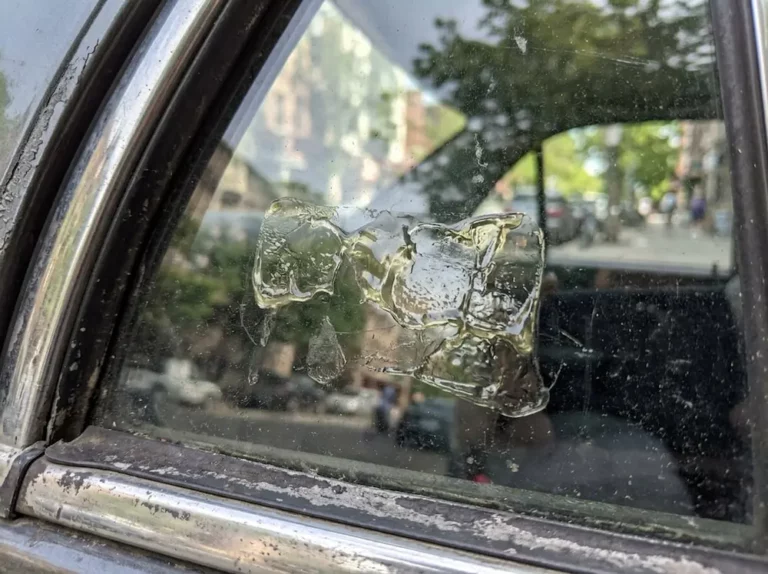
Got a stubborn sticky mess on your car and no idea where to start? You’re in the right place. This guide covers every type of glue residue — from old bumper stickers to tree sap — and exactly how to remove it safely. Stick around (pun intended) because the wrong move here can cost you a full repaint.
Why Glue Residue Gets So Stubborn
Fresh adhesive peels off easily. Old glue? Not so much.
Here’s the thing: adhesives on cars are viscoelastic polymers. Over time, UV rays and heat cause them to cross-link and harden into a rigid, brittle mess. That’s why a sticker you slapped on three years ago doesn’t peel off in one clean sheet — it shatters into a thousand tiny sticky flakes.
Understanding this helps you pick the right removal approach instead of scratching your paint trying to force it off.
The Golden Rule: Always Escalate Slowly
Before you reach for anything aggressive, follow this order:
- Heat first — softens the adhesive
- Mild solvent next — breaks down what’s left
- Mechanical tool last — removes the bulk safely
Jumping straight to industrial solvents or a metal scraper is how you end up at the body shop. Heat is always step one.
Step 1: Use Heat to Soften the Glue
A hair dryer works perfectly for most jobs. Hold it a few inches from the surface and keep it moving in a slow, sweeping motion for 30 to 60 seconds. You want the adhesive warm and pliable — not scorching hot.
Don’t use a heat gun on full blast. Too much direct heat will bubble, discolor, or separate your clear coat from the base coat entirely. That’s a very real risk that most DIYers ignore until it’s too late.
Once it’s warm, peel at a low angle — nearly parallel to the surface. Pulling straight up at 90 degrees tears the sticker and leaves most of the glue behind. A slow, flat peel reduces leftover residue by up to 42%, which means less chemical work afterward.
Step 2: Pick the Right Solvent for Your Surface
This is where most people go wrong. Not every solvent is safe on every surface. Here’s a quick breakdown:
| Solvent Type | Best For | Safe on Paint? | Safe on Interior Plastic? |
|---|---|---|---|
| Olive oil / Peanut butter | Light sticker residue | ✅ Yes | ✅ Yes |
| Isopropyl alcohol (70–99%) | Tape residue, fresh sap | ✅ Yes (modern clear coats) | ⚠️ Spot test first |
| WD-40 | Bumper stickers, road tar | ✅ Yes (wash after) | ✅ Low risk |
| Goo Gone / Citrus removers | Most adhesives, dealership badges | ✅ Yes | ⚠️ Moderate risk |
| Goof Off / Acetone | Super glue, heavy industrial glue | ❌ High risk | ❌ Will melt plastic |
| 3M Adhesive Cleaner | Professional use, foam tape | ⚠️ Use quickly | ❌ Moderate–high risk |
Natural Oils: Safer Than You Think
Olive oil, coconut oil, and even peanut butter break down basic adhesive without harsh chemicals. Apply directly, let it sit for 5–15 minutes, then wipe with a microfiber cloth. These natural lipid-based agents won’t touch your clear coat.
The catch? They leave a greasy film. Always follow up with automotive shampoo or dish soap to remove it.
Isopropyl Alcohol: The Detailer’s Workhorse
Isopropyl alcohol is a go-to in the professional detailing world for a reason. It evaporates fast, leaves no residue, and handles tape marks, fresh tree sap, and light adhesives with ease. It’s safe for modern clear coats and bare metal.
One warning: don’t use it on older single-stage paint or soft-touch dashboard coatings without spot testing first. It can lift specialized dyes on some interior surfaces.
WD-40: Better Than Its Reputation
WD-40 works differently than traditional solvents. Its petroleum-based oils sneak underneath the adhesive and break the bond at the surface level. Spray it on, give it a few minutes to penetrate, then wipe it away.
It’s widely considered safe on automotive paint and works well on bumper stickers, road tar, and double-sided tape. Just wash the panel with shampoo afterward to remove the oily layer.
Goo Gone vs. Goof Off: Know the Difference
These two products sound similar but they’re not.
Goo Gone uses d-Limonene, a citrus-based solvent. It’s safe for fully cured automotive paint, glass, and most hard plastics. It handles dealership badges, window decals, and oxidized tree sap. Apply, let it dwell for 1–5 minutes, wipe, then wash.
Goof Off Professional Strength is a different beast. It contains acetone, xylene, methanol, and ethylbenzene. It’ll dissolve almost anything — but it can also permanently etch or dull your clear coat, especially in direct sunlight. It will instantly melt interior plastics. Use it only on bare glass or in highly controlled situations.
Step 3: Use the Right Mechanical Tools
Solvents loosen the glue. Tools remove the bulk. Use the wrong tool and you’ll scratch your paint even after doing everything else right.
Plastic Scrapers — Not Metal
Metal scrapers on automotive paint cause deep gouges instantly. Use plastic razor blades or an old credit card instead. Hold at a 45-degree angle and use smooth, controlled passes. If you feel resistance, stop and reapply heat or solvent.
Fishing Line for Badges and Emblems
Car badges attach with thick acrylic foam mounting tape. Prying them off with a screwdriver dents the metal. Instead, use braided fishing line or waxed dental floss. Wrap it around your fingers, slide it behind the badge after heating, and saw back and forth in smooth strokes. The line cuts through the foam cleanly without touching the paint.
Rubber Eraser Wheels for Big Jobs
Removing full pinstripes or commercial vinyl wraps? A rubber eraser wheel mounted on a drill is the fastest option. It uses friction to erase the adhesive without scratching the clear coat.
Stay between 2,000–4,000 RPM. Keep the wheel moving constantly. Go too fast or stay in one spot too long and you’ll burn straight through the paint.
Never use this on plastic bumpers or fiberglass. The friction will melt them instantly.
Don’t Touch a Magic Eraser
Melamine foam (Magic Eraser) looks soft but functions like ultra-fine sandpaper. It will immediately dull and micro-mar your clear coat. Avoid it on any painted or glossy surface, full stop.
Surface-Specific Removal Guide
Painted Exterior Panels
Stick to isopropyl alcohol, WD-40, or citrus-based removers. Never use acetone or paint thinner on clear coat — it’ll cloud or strip the finish. Only use plastic tools for scraping. No exceptions.
Exterior Glass vs. Tinted Windows
Bare exterior glass is tough. You can use acetone, heavy solvents, and even a metal razor blade at a shallow angle without any damage. It’s the most forgiving surface on your car.
Tinted interior glass? Completely different story. Window tint films are extremely sensitive to ammonia, razor blades, and strong solvents. Use only warm soapy water, a hairdryer on low, and a soft microfiber cloth.
Interior Plastics and Dashboard
This is the highest-risk area. Most interior plastics will melt, pit, or permanently cloud when exposed to acetone or xylene-based products.
For dashboard adhesive from a phone or GPS mount, use a cotton swab with diluted isopropyl alcohol — never spray directly near vents or instrument clusters. Wipe immediately with a damp cloth to stop the chemical reaction.
An automotive steamer works brilliantly here for softening adhesive without any liquid pooling near electronics.
One more thing: if your dashboard feels permanently sticky and gummy, that’s chemical degradation of the soft-touch coating — not dirt. No cleaner will fix that. The component needs replacement or refinishing.
Fabric Seats and Carpet
Let wet glue dry completely before touching it. Wiping wet glue pushes it deeper into the fibers and spreads it further. Once it’s hard and brittle, pick off the bulk with tweezers or a stiff brush. Treat remaining residue with automotive upholstery cleaner or a careful spot application of isopropyl alcohol, then extract with hot water.
Tackling Specific Glue Types
Tree Sap
Tree sap bakes onto clear coat and the natural acids inside it will etch your paint if you ignore it. Start with a hot, soaking microfiber towel held on the spot for 5–10 minutes to rehydrate the hardened sap. If that doesn’t shift it, saturate a cotton ball in isopropyl alcohol, press it against the sap for 30–60 seconds, then wipe gently.
Don’t ever try to scrape hardened sap before softening it. You’ll chip the clear coat right along with it.
Super Glue
Cured cyanoacrylate ignores every mild solvent. Acetone is the only chemical that dissolves it. On bare glass, apply acetone via a soaked cloth, hold for several minutes, then scrape with a metal razor blade at a 45-degree angle.
On paint or plastic, the risks are severe. A precision cotton swab application by someone experienced is possible, followed immediately by washing with water. In many cases, professional wet-sanding with 2,000–3,000 grit paper and machine polishing afterward is the safer option.
After Removal: Don’t Skip This Part
Getting the glue off is only half the job. Solvents and heat strip existing wax and protection from your paint. Here’s what to do next.
Clay bar the area. A detailing clay bar removes microscopic adhesive and chemical residue still embedded in the clear coat’s pores. Lubricate it with detailing spray and work it back and forth until the surface feels glass-smooth.
Polish out ghosting and swirls. After removing a badge or old sticker, you’ll often see a clean “ghost” outline where the paint was protected, surrounded by faded paint. A mild abrasive polish — applied by hand or with a dual-action polisher — levels the clear coat, removes swirl marks from the removal process, and blends the finish seamlessly.
Re-seal the paint. Apply a quality carnauba wax, synthetic sealant, or ceramic coating to the cleaned area. Bare clear coat oxidizes fast when it’s unprotected. If you want maximum protection against future adhesive headaches, Paint Protection Film (PPF) creates a physical barrier that lets sap and stickers wipe off with almost no effort.
Safety: Don’t Overlook This
Heavy-duty solvents carry real risks beyond paint damage.
- Wear nitrile gloves when handling industrial solvents. Xylene, toluene, and acetone absorb through skin and cause systemic toxicity with prolonged exposure.
- Work in fresh air. Solvent vapors build up fast in enclosed garages and create explosion and fire hazards.
- Dispose of rags safely. Solvent-soaked microfiber towels left in a pile can spontaneously combust as the chemicals oxidize. Lay them flat outdoors to dry, then dispose of them in a sealed, fire-resistant metal container.
- Read the label. Products like Goof Off carry California Proposition 65 warnings for ethylbenzene and methanol — chemicals known to cause cancer and reproductive harm. Use safer options first and only escalate when genuinely needed.
A quick safety reference:
| Hazard | Cause | How to Handle It |
|---|---|---|
| Flying debris | Rubber eraser wheels | Safety goggles + dust mask |
| Chemical burns | Acetone, xylene, toluene | Nitrile gloves, long sleeves |
| Fire / explosion | Aerosol solvents, petroleum distillates | Ventilated area, no ignition sources |
| Spontaneous combustion | Solvent-soaked rags | Dry flat outdoors, dispose in metal container |
| Toxic exposure | Ethylbenzene, methanol | Maximize airflow, use milder alternatives first |