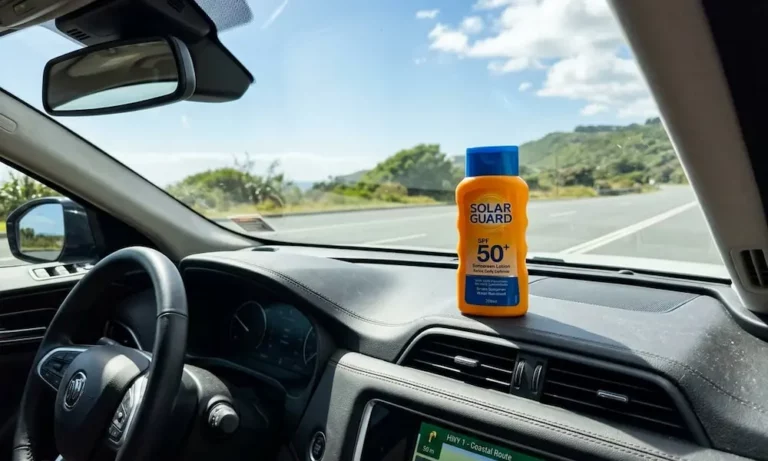
Sunscreen and car interiors don’t mix well. That greasy white smear on your leather seat or chalky fingerprint on your dashboard? It’s not just ugly — it can cause permanent damage if you ignore it. This guide walks you through exactly how to remove sunscreen from your car interior, surface by surface, without making things worse.
Why Sunscreen Is So Hard to Remove from Car Interiors
Sunscreen isn’t a simple stain. It’s a complex cocktail of oils, silicones, and UV-blocking chemicals designed to not come off easily. That stubbornness is great for your skin. It’s terrible for your seats.
There are two main types to know about:
- Mineral sunscreens (zinc oxide, titanium dioxide) leave chalky white smears on dark surfaces. Wiping them with a damp cloth often spreads the white film wider instead of removing it.
- Chemical sunscreens (avobenzone, oxybenzone) soak deep into leather pores and fabric fibers. Avobenzone is especially nasty — it reacts with iron in sweat or hard tap water to create rust-colored stains that won’t budge without specialized treatment.
On top of that, a parked car can reach extreme interior temperatures. That heat bakes sunscreen deep into your materials. The longer you wait, the harder it gets.
The Golden Rules Before You Start Cleaning
Follow these before touching anything:
Act fast. A fresh transfer is easy to lift. A baked-in, week-old stain? That’s a project. Time is the most critical variable in sunscreen removal.
Blot, don’t wipe. If the spill is fresh, press a dry microfiber cloth straight down and lift. Wiping spreads the oils and pushes them deeper into the material.
Move the car to shade first. Never clean a hot interior. Cleaning chemicals evaporate too fast on hot surfaces and leave residue that attracts more dirt.
Always do a spot test. Try your cleaner in a hidden area first — like the lower side of a seat bolster. This catches any surprise dye transfer or damage before it’s visible.
Use distilled water. Hard tap water contains iron and calcium that react with sunscreen chemicals and make rust stains worse.
How to Remove Sunscreen from Leather Car Seats
Leather is the most common victim. Here’s the step-by-step process that actually works.
Step 1: Vacuum First
Vacuum the seat before applying any liquid. If you introduce cleaner to a dusty seat, you create an abrasive slurry that scratches the polyurethane coating.
Step 2: Use a pH-Balanced Leather Cleaner
Skip harsh degreasers. Automotive leather sits at a natural pH of roughly 4.5 to 5.0. Alkaline cleaners strip the protective clear coat and dry out the hide underneath.
Step 3: Foam It Up With a Horsehair Brush
Here’s a pro trick: don’t spray cleaner directly on the leather. Spray it into a soft horsehair detailing brush, then work it into a thick lather in your palm. Foam uses less moisture, clings to the surface longer, and gives the surfactants more time to break down the oils.
Step 4: Scrub in Multiple Directions
Work the foam in circles first, then switch to an up-down, side-to-side crosshatch pattern. This multi-directional approach sweeps sunscreen particles out of every microscopic crease in the leather grain.
Step 5: Wipe While Still Wet
Wipe the foam away with a clean microfiber towel while it’s still wet. If you let it dry, the dissolved sunscreen re-bonds to the surface.
Step 6: Stubborn Film? Try 70% Isopropyl Alcohol
If a greasy film persists, isopropyl alcohol at 70% concentration cuts through silicones and heavy lipids. Important: don’t spray it directly on the seat. Dampen a small corner of a cloth and lightly wipe the specific stain in one direction only. Alcohol desiccates leather fast, so use it sparingly.
Step 7: Condition Immediately After
Cleaning strips moisture from leather. Always finish with a quality leather conditioner massaged into the treated area. It restores suppleness, enriches color, and adds a protective layer.
How to Remove Sunscreen from Vinyl and Hard Plastics
Dashboard panels, door trims, and center consoles get chalky white handprints constantly. The textured grain is the problem — a flat wipe just glides over the valleys where zinc oxide hides.
What you need: A mild interior all-purpose cleaner or a citrus-based degreaser containing d-limonene. Pair it with a synthetic detailing brush or a scrub ninja pad.
How to do it:
- Spray cleaner onto the brush (not the plastic directly)
- Scrub in circular motions with light-to-medium pressure
- Wipe completely dry with a microfiber towel
- Check under good lighting — white residue often reappears once the surface dries, so repeat if needed
Once it’s clean, apply a water-based interior protectant to restore the dark factory finish and add UV protection.
How to Remove Sunscreen from Cloth and Fabric Seats
Fabric seats absorb sunscreen like a sponge. Surface wiping does nothing — you need to pull the oils out from inside.
For Fresh, Oily Stains
Don’t reach for water first. Sprinkle baking soda or cornstarch generously over the stain and leave it for 15 to 30 minutes (overnight for heavy saturation). The powder draws oils up through the fibers by capillary action. Vacuum it all away, then follow up with a fabric cleaner.
For General Oily Sunscreen Stains
Lightly mist an enzymatic cleaner or a diluted mild detergent onto the fabric. Don’t oversaturate — too much liquid soaks into the seat foam and causes mildew. Scrub gently with a soft upholstery brush, then blot dry.
For Rust-Colored Avobenzone Stains
This one needs a different approach entirely. Alkaline soap won’t work here — avobenzone stains are a chemical oxidation issue that requires mild acid to reverse.
Try this:
- Squeeze fresh lemon juice onto the stain
- Massage it into the fibers with a soft toothbrush
- Generously cover the wet area with table salt
- Leave it overnight
- Brush away the salt and clean with a damp cloth
You can also use a commercial laundry rust remover — follow the manufacturer’s instructions carefully.
How to Clean Sunscreen from Child Car Seats
Child seats need special handling. Their fabrics contain chemical flame retardants, and the harness webbing is engineered for extreme forces. Using the wrong cleaner damages both.
Fabric covers: Remove them from the shell and machine wash with a mild detergent like Tide Ultra Stain Release. Skip bleach, harsh stain removers, and fabric softeners — they all degrade the flame retardants. Air dry out of direct sunlight.
Harness straps: Never submerge them in water or machine wash them. Spot-clean with warm water and a soft cloth only. Harsh chemicals degrade the structural webbing.
Buckles: Rinse with warm water to clear debris. Never apply soaps, degreasers, or penetrating oils to a buckle — lubricants can cause the locking mechanism to fail during a collision.
Steam Cleaning for Stubborn, Baked-In Sunscreen
When sunscreen has been baked deep into fabric or heavily textured trim for weeks, brushing and chemicals alone won’t cut it. This is where a vapor steam cleaner earns its keep.
Dry saturated steam melts hardened waxes and silicones while expanding the material’s pores to release trapped contaminants. It also kills odor-causing bacteria without harsh chemicals.
The towel-wrap technique:
- Vacuum thoroughly before you start — steam on loose dirt creates hot mud
- Wrap a microfiber towel tightly over the steam brush head
- Glide it across the surface in swift, continuous passes — never hold still in one spot
- The towel absorbs the liquefied oils as the steam melts them
Leave doors open or run the AC after steaming so fabric dries quickly and mold doesn’t form.
Best Products for Removing Sunscreen from Car Interiors
| Product | Best For | Key Advantage | Watch Out For |
|---|---|---|---|
| Chemical Guys Total Interior Cleaner | All surfaces including screens | Safe everywhere, matte finish, built-in UV protection | Strong scent; needs buffing on glossy trim |
| Griot’s Garage Interior Cleaner | Deep cleaning, sensitive materials | No dyes, no perfume, zero residue | No UV protection; follow with a protectant |
| P&S Xpress Interior Cleaner | Professional heavy cleaning | Foams well with a brush, wipes matte | Needs separate UV dressing for dash |
| SPF OFF by Blackwow | Severe bonded sunscreen stains | Engineered specifically for UV-blocking compounds including avobenzone and titanium dioxide | Online-only; not sold in stores |
| Meguiar’s Quik Interior Detailer | Light dust and touch-ups | Cheap and accessible | Too weak for baked-in stains |
| Goo Gone Automotive Spray Gel | Sticky residue on hard plastics | Clings to vertical surfaces | Keep away from leather, suede, and fabric entirely |
Cleaning Mistakes That Cause More Damage
Don’t Use a Magic Eraser
This one gets recommended constantly online. Don’t do it. Under a microscope, melamine foam acts exactly like ultra-fine sandpaper. It removes the white stain by physically abrading away the polyurethane coating on leather and the pebble grain on plastics. The surface looks temporarily better, then permanently worse.
Don’t Use Bleach or Industrial Solvents
Bleach causes immediate, irreversible discoloration on leather and degrades structural upholstery stitching. Acetone and heavy petroleum solvents can melt vinyl and strip dyes. Products like Goof Off are too aggressive for interior use and can leave permanent melt marks on plastics.
Don’t Mix Vinegar and Baking Soda
This combo looks dramatic and does almost nothing. Vinegar is an acid. Baking soda is a base. Combine them and they neutralize each other into salty water. Use them separately — baking soda as a dry absorbent, vinegar as a standalone acidic cleaner when appropriate.
Avoid Clorox and Lysol Wipes on Any Interior Surface
The harsh alcohol and bleach in disinfecting wipes rapidly dry out leather and strip interior plastics.
How to Prevent Sunscreen Stains in the First Place
The easiest stain to deal with is the one that never happens.
Apply sunscreen 15 to 30 minutes before you get in the car. That dwell time lets the emollients fully absorb into your skin, drastically cutting the greasy residue available to transfer onto your seat.
Use seat covers or a simple towel if you’re heading to the beach regularly. It’s an infallible barrier.
Keep detailing wipes in the glove box. Water-based, alcohol-free baby wipes work well for immediately blotting fresh transfers from the steering wheel or armrests before they bake in.
Treat your surfaces regularly. A quality UV protectant on plastics and a conditioning cream on leather fills the microscopic pores of the material, leaving less space for sunscreen oils to embed. It also makes future cleaning much faster and easier.