You’re shopping for a car, and there it is—ventilated seats. The dealer says they’re a game-changer. Your friend swears by them. But you’re staring at a $2,000 package price and wondering if it’s just fancy marketing. Let’s cut through the noise and figure out if ventilated seats are actually worth your money.
What Ventilated Seats Actually Do
Ventilated seats don’t just blow air at you—they solve a sweaty problem. When you sit, about 20-30% of your body surface area presses against the seat. Standard seats trap metabolic heat and moisture, creating what everyone politely calls “discomfort” and you probably call something much worse.
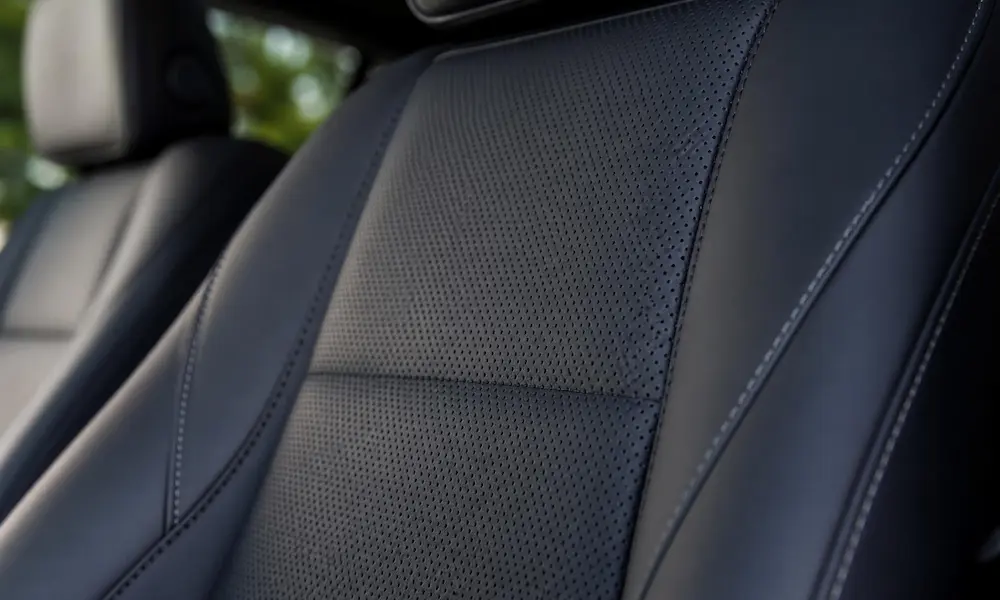
The system uses built-in fans to circulate air through perforated upholstery. This airflow accelerates moisture evaporation from your back and legs, cooling you down before the AC fully chills the cabin. It’s physics working in your favor.
Ventilated vs. Cooled: They’re Not the Same Thing
Here’s where car companies get sneaky with language. Ventilated and cooled seats are different technologies.
Ventilated seats circulate cabin air—whatever temperature it happens to be. If your car’s sitting in a Phoenix parking lot at 110 degrees, that’s what’s initially blowing through the seat. The cooling effect comes from evaporation, not cold air.
Cooled seats use refrigerated air from your AC system or thermoelectric modules. They actively lower the seat’s surface temperature below cabin temp. It’s the difference between a fan and an air conditioner.
| Feature | Ventilated Seats | Cooled Seats |
|---|---|---|
| Cooling Source | Ambient cabin air | Refrigerated or thermoelectric |
| How It Works | Evaporative moisture removal | Active heat transfer |
| Surface Temp | Matches cabin temperature | Below cabin temperature |
| Upholstery | Perforated leather or fabric | Perforated or liquid-channeled |
How the System Works: Blowing vs. Suction
Car manufacturers use two main approaches, and the difference affects how the seats feel.
The Blowing Method
American brands like Ford and Chevy typically push air outward through the seat perforations. You feel the airflow immediately, which makes the system feel “powerful.” The fans pull cooler air from near the floor vents, giving you a direct cooling sensation.
The downside? Your body weight can collapse the air channels in the foam, creating hot spots. The system can also be noisier since air’s being forced through resistance.
The Suction Method
European luxury brands like BMW and Porsche pull air away from your body into the seat structure. This creates a vacuum effect that removes warm, moist air from the skin-upholstery interface.
It’s more subtle—some people think it’s not working—but it maintains consistent comfort over longer drives. The suction method is also quieter and less drafty.
Where Ventilated Seats Make the Biggest Difference
Geography matters more than you’d think.
Hot and Humid Climates
If you live in Texas, Florida, or Southern California, ventilated seats are borderline essential. When your car sits in the sun, leather seats can hit 140 degrees. Your AC cools the air quickly, but the dense seat foam takes much longer. Ventilated seats give you immediate relief while you wait.
Stop-and-go traffic amplifies this. When you’re crawling through Los Angeles gridlock, ventilated seats keep you comfortable even when the AC’s struggling.
Electric Vehicle Owners
Here’s a benefit most people miss: efficiency. Heating and cooling the entire cabin drains EV batteries significantly. By using localized cooling through ventilated seats, you reduce the load on the main HVAC system. This can measurably increase your driving range, especially in extreme temperatures.
Temperate Climates
If you’re in Seattle or Vermont, the math changes. You might use ventilated seats for three months a year. Unless you have a long, sweaty commute, the feature won’t deliver enough value to justify the cost.
The Trade-offs Nobody Mentions
Ventilated seats aren’t all upside. There are real compromises you should know about.
Firmer Seat Padding
To accommodate fans, ducting, and airflow channels, manufacturers reduce foam density. The seat has to be “Swiss-cheesed” for air to move through, which often makes ventilated seats noticeably firmer than standard ones.
BMW owners have reported that ventilated “comfort” seats feel harder than non-ventilated versions. Some experienced actual discomfort on long drives because of reduced padding and shallower bolsters.
Maintenance Requirements
Perforated leather requires regular attention. The tiny holes collect dust, pet hair, skin oils, and debris. Over time, this accumulation can clog the perforations and restrict airflow.
You’ll need to vacuum the seats weekly with a brush attachment. Heavy application of leather conditioner can also plug the holes, so you’ll need to use products carefully.
Spills are worse too. Liquid can migrate through the perforations into the fan modules, causing electrical shorts or lingering odors.
Which Brands Do It Best
Not all ventilated seats are created equal. Performance varies wildly across manufacturers.
Budget Champions: Hyundai and Kia
Surprisingly, the most effective ventilated seats come from mid-range brands. Hyundai and Kia use high-output blowing systems that deliver noticeable cooling even in extreme humidity.
Owners of the Kia Telluride and Hyundai Palisade frequently report that their ventilation outperforms luxury competitors from BMW and Audi. You’re getting better performance at a fraction of the price.
| Mainstream Model | Ventilation Availability | Starting Price | Value Rating |
|---|---|---|---|
| Kia Forte GT | GT2 Package | ~$26,590 | Lowest entry price |
| Hyundai Kona Limited | Standard on top trim | ~$31,800 | High value |
| Mazda CX-5 | Standard on four trims | $36,500-$40,600 | Wide availability |
| Subaru Forester Touring | Standard on top trim | ~$39,810 | Improved 2025 design |
Luxury Refinement
Brands like Lexus, Mercedes-Benz, and Genesis focus on quiet operation and integration with automatic climate control. They invest heavily in silent fan motors, making the system nearly imperceptible.
That’s great for noise levels but frustrating for effectiveness. BMW’s newer models have faced criticism because the ventilation is so quiet that owners can’t tell if it’s working, even on high settings.
If you want maximum cooling power, look for “cooled” seats with active refrigeration. Lexus, Tesla, and Genesis offer thermoelectric or liquid-cooled systems that provide instant, powerful temperature changes.
What Ventilated Seats Cost You
Let’s talk real numbers.
Upfront Investment
Automakers rarely offer ventilated seats as a standalone option. They’re bundled into premium packages that can cost $1,500 to $3,000 on luxury vehicles. On mid-range cars, the effective premium is $800 to $1,800 when you isolate the ventilation feature from other package items.
Resale Value Impact
Here’s the good news: ventilated seats help your car sell. A 2025 survey found that 78% of car owners consider them a “must-have”, ranking higher than sunroofs or advanced safety features.
In Sun Belt states, a vehicle without ventilated seats may sit on the lot longer or command a lower price. Buyers increasingly view the feature as essential, not optional.
The flip side? As your vehicle ages, sophisticated seat electronics can become a liability. Second-hand buyers may see a malfunctioning ventilation system as an expensive repair rather than a desirable feature.
Repair Costs
When ventilated seats break, they’re expensive to fix. Common failures include fan motors, control switches, and wiring harnesses that get stressed during seat adjustments.
| Repair Type | Parts Cost | Labor Cost | Total Cost |
|---|---|---|---|
| Power Seat Motor | $489 | $139-$204 | $628-$693 |
| Luxury HVAC Blower Assembly | $895 | $200-$400 | $1,095-$1,295 |
| Fan Motor Replacement | $230 | $150-$250 | $380-$480 |
| Minor Electronics Repair | $50-$100 | $100-$250 | $150-$350 |
Replacing a fan motor requires removing the entire seat and partially stripping the upholstery. Since seats contain airbags and belt pretensioners, technicians need specialized training, which drives up labor rates.
Troubleshooting Common Problems
Many ventilated seat issues are fixable without a mechanic.
Weak Airflow
The most common problem is clogged perforations. Dust, skin cells, and spills accumulate in the tiny holes, restricting air movement.
The fix: Vacuum your seats weekly using a brush attachment. If airflow’s already weak, point your floor AC vents toward the seat bottoms to provide the fans with cooler source air.
Noise and Vibration
Grinding or humming sounds usually mean something’s in the fan housing or the fan assembly’s loose.
A documented DIY fix for the 2024 Toyota Tacoma involves unzipping the rear seat cover and slightly loosening the four screws holding the fan. Backing out a single screw by a few millimeters often eliminates the noise.
Complete System Failure
If the ventilation doesn’t work at all, check these before heading to the dealer:
- Blown fuse (check your owner’s manual for location)
- Faulty relay under the seat
- Broken wire in the harness caused by seat adjustments
These are the most common failure points and are often cheaper to fix than motor replacements.
Are Ventilated Seats Worth It for You?
Here’s the honest answer: it depends on where you live and how you drive.
You Should Absolutely Get Them If:
- You live where summer temps regularly exceed 80 degrees
- You deal with high humidity or intense sun exposure
- You have long commutes with heavy traffic
- You’re buying an electric vehicle and want to maximize range
- You plan to keep the car long-term in a hot climate
You Can Probably Skip Them If:
- You’re in a temperate climate with mild summers
- You prioritize plush, soft seat padding over features
- The premium package adds more than $2,000 to the price
- You rarely drive during peak heat hours
- You prefer spending upgrade money on mechanical features
Smart Buying Strategies
If you’ve decided ventilated seats are worth it, maximize your investment:
- Prioritize “cooled” over “ventilated” if you’re in extreme heat. Systems from Lexus, Tesla, and Genesis with active refrigeration outperform basic ventilation.
- Test drive extensively. Sit in the seats for at least 20 minutes with ventilation running. Check for firmness issues that might cause discomfort on long drives.
- Consider mainstream brands. Hyundai and Kia currently offer the most effective systems at the best price points. You’ll get more cooling power than some luxury competitors.
- Factor in maintenance. If you have kids, pets, or frequently eat in your car, perforated leather requires more upkeep. Make sure you’re willing to vacuum regularly.
The Bottom Line
Ventilated seats aren’t a gimmick, but they’re not universally essential either. In the right conditions—hot climate, long commutes, electric vehicle ownership—they’re genuinely valuable. They provide immediate comfort when your AC’s still catching up and can even improve your EV’s efficiency.
But if you’re in a mild climate or the feature adds significant cost, you won’t miss them. The key is matching the technology to your actual driving life, not the sales pitch.
Before you sign, think about your typical summer day. If you’re regularly dealing with leather seats that feel like a griddle, ventilated seats will transform your drive. If you’re mostly comfortable already, save your money for features you’ll use year-round.