Got a jug of dirty motor oil sitting in your garage after a DIY oil change? You need it gone — safely. The good news is that Advance Auto Parts makes this surprisingly easy and free. Keep reading to find out exactly what they accept, what they’ll turn away, and how to drop off without a hassle.
Does Advance Auto Parts Take Used Oil?
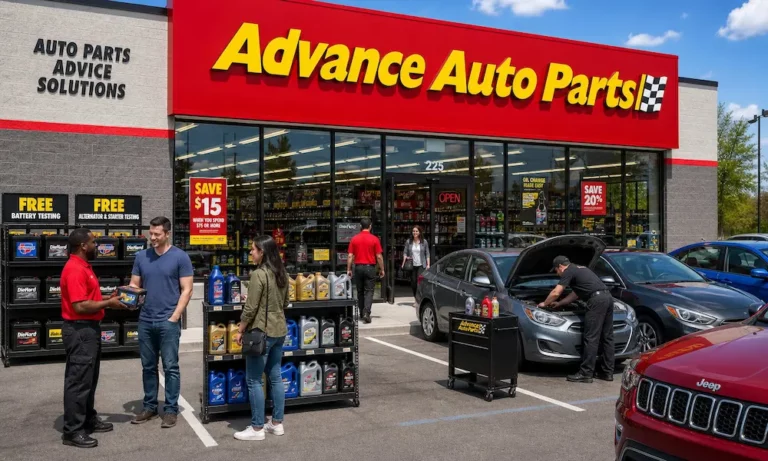
Yes. Advance Auto Parts accepts used motor oil at most of its U.S. retail locations completely free of charge. It’s part of their oil and fluid recycling program, which exists specifically to help DIYers dispose of spent automotive fluids responsibly.
That said, not every single store participates. Local environmental regulations vary by state, county, and city. Some municipalities restrict retail stores from accepting hazardous waste drop-offs. So before you load up your car, call your local store or check online to confirm they’re set up to take your used oil.
What Fluids Does Advance Auto Parts Actually Accept?
Not everything from under your hood qualifies. The program focuses on specific fluid types. Here’s a clear breakdown:
| Fluid Type | Accepted? | Daily Limit |
|---|---|---|
| Motor oil | ✅ Yes | 5 gallons |
| Transmission fluid | ✅ Yes | 5 gallons |
| Gear oil | ✅ Yes | 5 gallons |
| Power steering fluid | ✅ Yes | 5 gallons |
| Antifreeze/engine coolant | ⚠️ Select locations only | Varies |
| Brake fluid | ❌ No | — |
| Windshield washer fluid | ❌ No | — |
The five-gallon daily cap per customer keeps the program focused on home mechanics. Commercial shops can’t use this as a free dumping solution — it’s designed for residential DIY maintenance only.
Antifreeze is a special case. Some certified store locations do accept it, but you need to call ahead. It also must stay completely separated from your motor oil — more on that below.
The Contamination Rule You Can’t Ignore
This is the most important thing to understand before you show up. Advance Auto Parts will reject your used oil if it’s mixed with anything it shouldn’t be.
That means no brake fluid, no gasoline, no windshield washer solvent, no household cleaners — nothing foreign mixed in with your motor oil. When incompatible chemicals blend together, the entire batch becomes impossible to re-refine. The processing equipment simply can’t handle it. Store employees are required to turn away contaminated batches on the spot.
Keep each fluid type in its own separate, sealed container. That’s the rule.
Container Requirements: What You Can and Can’t Use
The container matters just as much as what’s inside it. Here’s what the program requires:
Approved containers:
- Heavy-duty polyethylene plastic jugs with tight-fitting, threaded caps
- The original plastic bottle your motor oil came in
Not allowed:
- Plastic milk cartons or food containers
Thin-walled food containers aren’t chemically compatible with heavy hydrocarbons. They degrade, crack, and leak — often during the drive over. Don’t risk it. Stick with the original oil jug or a proper sealed plastic container.
Before you leave home, make sure the cap is screwed on tight and the container sits upright in your vehicle.
Can You Recycle Used Oil Filters Too?
Yes, and you should. A standard spin-on oil filter holds up to ten ounces of residual oil even after the engine drains completely. Select Advance Auto Parts locations accept used filters for free recycling alongside your used oil.
Here’s how to prep a used filter correctly:
- Punch a small hole in the metal dome of the filter using a punch tool
- Flip the filter upside down over your oil collection pan
- Let it drip completely — this takes several hours
- Once fully drained, bring it to the store along with your used oil
At certified recycling facilities, the filters get shredded and separated. The steel goes to scrap metal recycling, the trapped oil goes into the re-refining stream, and the rubber and paper components get converted into clean industrial fuel. Nothing goes to waste.
How to Prep Your Used Oil Before Drop-Off
A smooth drop-off starts at home. Here’s a simple process:
Step 1: Lay down protection
Place a durable, waterproof tarp under your vehicle before you start draining. Soil contamination from a single oil spill is a real problem — and an avoidable one.
Step 2: Use the right catch pan
A plastic drip pan with a built-in pouring spout makes transferring oil clean and controlled. Pour the hot oil directly from the catch pan into your sealed polyethylene transport container.
Step 3: Keep fluids separate
If you’re also swapping transmission fluid or power steering fluid, use separate containers for each. Don’t combine them.
Step 4: Store it safely until drop-off
Keep the sealed container in a cool, dry spot, out of reach of kids and pets. Make sure it stays upright.
Step 5: Confirm your local store accepts oil
A quick call takes 30 seconds and saves a wasted trip. Store policies do vary.
What Happens to Your Used Oil After Drop-Off?
This part is genuinely impressive. About 90% of the used motor oil collected gets re-refined back into high-performance engine lubricants. It goes through five stages:
- Collection: Waste oil from retail drop-offs, mechanics, and dealerships gets aggregated into bulk storage
- Pre-treatment filtration: Large particles, water, and metal debris get filtered out
- Vacuum distillation: Heat under a vacuum separates the base oil from fuel dilutions and spent additives
- Hydrotreating: Hydrogen at extreme pressure removes sulfur, nitrogen, and unstable compounds
- Additive blending: The clean base oil gets blended with modern additive packages to meet API performance specs
The finished product is chemically identical to lubricants made from virgin crude oil.
And the resource math here is striking:
| Finished Output | Recycled Oil Input | Crude Oil Input |
|---|---|---|
| 2.5 quarts of lubricating oil | 1 gallon of used motor oil | 42 gallons of crude oil |
| One 5-quart jug of motor oil | 2 gallons of used motor oil | 84 gallons of crude oil |
Re-refining skips the energy-heavy stages of crude oil extraction and primary cracking entirely. That’s a massive efficiency gain.
For oil that can’t be re-refined into vehicle lubricants, it gets converted into industrial fuel or used as an asphalt binder for road construction. And recovered antifreeze gets processed to isolate ethylene glycol, which then goes into new coolant products — keeping that toxic substance out of groundwater.
Why Proper Disposal Actually Matters
Here’s the stat that should stick with you: one gallon of improperly dumped motor oil can contaminate one million gallons of fresh water. Motor oil carries heavy metals and toxic additives that don’t break down quickly in soil or water. Aquatic ecosystems take the hardest hit.
Pouring used oil down a storm drain, into the ground, or into household trash isn’t just bad for the environment — it’s illegal in most states. Free drop-off programs like Advance Auto Parts’ program exist specifically to make the responsible choice the easy one.
Other Free Services Worth Knowing About
While you’re dropping off your used oil, Advance Auto Parts offers a handful of other free services worth knowing about:
| Service | What It Does | Key Detail |
|---|---|---|
| Battery testing & installation | Checks your charging system | Free with new battery purchase |
| OBD-II code scanning | Reads engine warning codes | Works on most modern vehicles |
| Wiper blade installation | Swaps out worn blades | Free with in-store blade purchase |
| Loaner Tool Program | Access to specialty tools | Refundable deposit required |
| Battery recycling | Safe disposal of lead-acid batteries | Free, plus up to $10 store credit |
You can check out the full list of free store services on their site. If your vehicle isn’t driveable, many locations offer curbside pickup with orders ready in 30 minutes, and same-day home delivery at select stores — so you can keep a repair moving without driving a compromised vehicle anywhere.
Quick Recap Before You Go
- Yes, Advance Auto Parts does take used oil — free, at most locations
- Call ahead to confirm your local store participates
- The five-gallon daily limit applies per customer
- Keep fluids separated — contaminated oil gets rejected
- Use original oil jugs or sealed polyethylene containers only
- Drain your used oil filter before bringing it in
- Your used oil gets re-refined into new engine lubricant — not wasted