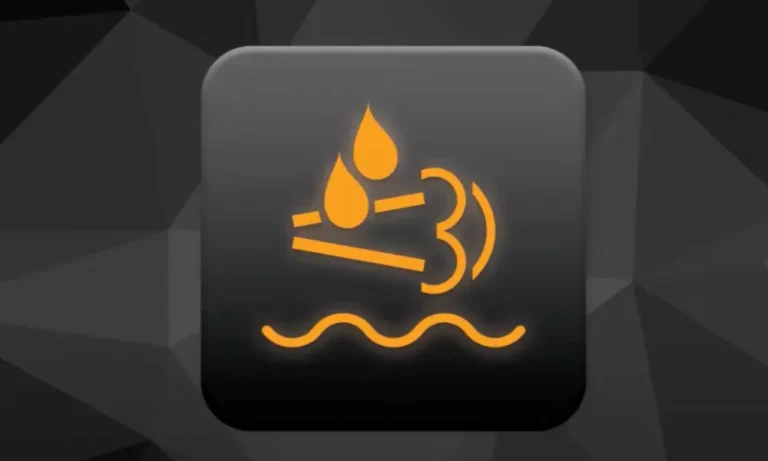
You’re cruising down the highway in your Freightliner when suddenly that annoying DEF light starts blinking on your dash. Your first instinct? Check the DEF tank. But here’s the frustrating part – you just filled it up last week, and a quick check confirms it’s still nearly full. So what gives?
This frustrating scenario happens to thousands of Freightliner owners every year. That blinking light isn’t always about low fluid levels – it’s often signaling a deeper issue within your emissions system. Let’s dive into why this happens and how you can fix it without destroying your schedule or your wallet.
Why Your Freightliner Shows a DEF Warning With a Full Tank
When your DEF light blinks despite having plenty of fluid, your truck is telling you there’s a system malfunction rather than an empty tank. The warning system doesn’t just monitor fluid level – it tracks the entire Selective Catalytic Reduction (SCR) system’s performance.
Here’s what’s likely happening:
- Sensor failures are misreporting your actual DEF level
- Component malfunctions are preventing proper DEF delivery
- Quality issues are being detected (even if the DEF is actually fine)
The worst part? Ignoring these warnings can lead to engine derate – where your truck automatically limits speed to as low as 5 mph. Not exactly convenient when you’re miles from the nearest service center.
The 4 Most Common Causes of DEF Light Issues
1. Faulty DEF Level Sensor
The most frequent culprit behind the “full tank but blinking light” problem is a malfunctioning DEF level sensor. This component lives in the DEF header (the sending unit mounted on top of your tank) and has three important jobs:
- Measuring fluid level
- Checking DEF quality
- Monitoring fluid temperature
When this sensor fails, your gauge might read empty despite having a full tank. This mismatch triggers the system to activate warning lights.
Many Freightliner owners on forums report this exact issue: “My DEF gauge says empty but the tank is full.” It’s so common that replacement DEF headers are among the most frequently ordered parts for these trucks.
2. Clogged DEF Injector
Another major culprit is a clogged DEF injector. These typically start having issues around the 180,000-mile mark. The problem? DEF’s nature works against you.
Diesel Exhaust Fluid is primarily water and urea. When small amounts dry around the injector tip, they crystallize into a white, chalky substance that gradually builds up and blocks proper flow. Even with a tank full of pristine DEF, if it can’t be properly injected into the exhaust stream, your system will trigger fault codes.
These clogs often result in “poor DEF quality” warnings, even though the actual fluid in your tank is perfectly fine. The system just can’t deliver it properly.
3. NOx Sensor Malfunction
Your Freightliner has two critical NOx sensors:
- Upstream sensor: Measures nitrogen oxide before treatment
- Downstream sensor: Confirms reduction after the SCR catalyst
When either sensor fails, it can’t properly measure emissions levels. Since the truck can’t confirm whether the DEF system is effectively reducing emissions, it triggers warning lights as a precaution.
Many truckers report seeing fault codes related to NOx sensors alongside DEF warnings. This isn’t coincidental – these systems work together, and a failure in one can trigger warnings in the other.
4. DEF Quality Issues
Even with a full tank, your DEF system might detect quality problems:
- Contaminated fluid (mixed with diesel or other chemicals)
- Incorrect concentration (should be exactly 32.5% urea)
- Expired or degraded DEF
Most quality issues stem from contamination during filling or using DEF that’s been stored improperly. Temperature extremes and long storage periods can degrade DEF’s effectiveness.
How to Diagnose Your Specific DEF Issue
Before throwing parts at the problem, take these diagnostic steps to pinpoint the exact cause.
Step 1: Check for Fault Codes
Connect a diagnostic scanner to pull any active fault codes. The specific codes will guide your troubleshooting:
| Common DEF-Related Fault Codes | What They Usually Mean |
|---|---|
| SPN 3364 | DEF quality issue |
| SPN 3868 | DEF dosing system malfunction |
| SPN 4677 | DEF tank level sensor issue |
| SPN 4572 | DEF heater malfunction |
| SPN 3714 | DEF tank level low |
| SPN 3712 | DEF level gauge malfunction |
These codes can be pulled using most commercial truck diagnostic tools or at any truck service center. The specific code narrows down whether you’re dealing with a sensor, injector, or quality issue.
Step 2: Verify Your DEF Level Physically
Don’t trust your gauge. Physically check your DEF tank level by:
- Locating the DEF tank (typically near the fuel tank, marked with a blue cap)
- Removing the cap and visually inspecting the level
- Using a clean dipstick if the level isn’t visible
If the tank is genuinely full but your gauge reads empty, you’re likely dealing with a DEF header/sending unit problem.
Step 3: Inspect the DEF Injector
If you suspect injector issues:
- Locate the DEF injector (typically mounted on the exhaust pipe)
- Remove it carefully (may require specialized tools)
- Check for white crystallization around the tip
- Look for damage to the electrical connector
A healthy injector should be relatively clean at the tip. Significant white buildup indicates crystallized DEF that’s restricting proper flow.
Step 4: Check DEF Quality
Use DEF test strips (available at most truck supply stores) to check:
- Urea concentration (should be 32.5% ± 1%)
- Contamination (presence of other chemicals)
Alternatively, check the DEF’s appearance – it should be clear, colorless, and smell slightly of ammonia. Cloudy, discolored, or oddly-scented DEF likely needs replacement.
How to Fix DEF System Problems
Once you’ve diagnosed the issue, here’s how to address each potential cause.
Replacing a Faulty DEF Header/Sending Unit
If your diagnostics point to sensor issues, you’ll need to replace the DEF header:
- Drain the DEF tank or prepare to catch spillage
- Disconnect the electrical connectors from the header
- Remove the mounting bolts securing the header to the tank
- Carefully lift out the old unit without damaging the sensors
- Install the new header, ensuring proper orientation
- Reconnect all electrical connections
- Refill with fresh DEF
This is one of the most common repairs for the “full tank but blinking light” problem. A new DEF header can cost between $800-2,000 depending on your Freightliner model. The installation process requires some technical knowledge, so many owners opt for professional service.
Cleaning or Replacing the DEF Injector
For clogged injectors:
- Remove the injector from the exhaust housing
- Soak in hot distilled water (not boiling) for 15-30 minutes
- Gently clean with a soft brush if necessary
- Allow to dry completely before reinstalling
- Replace if cleaning doesn’t resolve the issue
A replacement DEF injector typically costs $50-60, making it one of the more affordable fixes. Many truckers have success simply cleaning their existing injector, though severe cases require replacement.
Replacing NOx Sensors
If your diagnostics indicate NOx sensor issues:
- Identify which sensor is faulty (upstream or downstream)
- Locate the sensor on the exhaust system
- Disconnect the electrical connector
- Unscrew the sensor using the appropriate socket
- Install the new sensor with anti-seize compound
- Reconnect the electrical connector
NOx sensors are precision instruments and should be handled carefully. Most truckers find it worthwhile to replace both upstream and downstream sensors simultaneously since they typically fail within similar timeframes.
Resolving DEF Quality Issues
If your DEF has been contaminated or degraded:
- Drain the entire DEF tank
- Flush the system with distilled water
- Allow to dry completely
- Refill with fresh, high-quality DEF from a reliable source
- Run a forced regeneration to reset the system
Always purchase DEF from reputable sources and check the expiration date. The shelf life is typically 12-18 months when stored properly (below 86°F).
Preventing Future DEF System Problems
An ounce of prevention is worth a pound of cure – especially when that “cure” might involve being stranded on the roadside. Here’s how to avoid DEF system headaches:
Use Only High-Quality DEF
Not all DEF is created equal. Stick with these guidelines:
- Purchase from major truck stops or reputable suppliers
- Check for API certification on the packaging
- Avoid DEF that’s been stored in extreme temperatures
- Don’t use DEF past its expiration date
Using premium DEF might cost slightly more upfront but saves thousands in potential repairs.
Maintain Proper Fill Levels
Don’t let your DEF level get too low:
- Fill when the tank reaches 1/4 full
- Avoid running completely empty (can introduce air into the system)
- Don’t overfill (can damage the level sensor)
Many DEF system issues begin with running the tank too low, which can cause the pump to overheat or draw in sediment from the tank bottom.
Keep Your DEF System Clean
Contamination is a major cause of DEF system problems:
- Use only clean fill nozzles
- Wipe the fill area before removing the cap
- Replace the cap immediately after filling
- Consider using a funnel with filter when filling from containers
Even small amounts of dirt or debris can cause big problems in the precise DEF dosing system.
Regular System Checks
Be proactive about maintenance:
- Pull and check fault codes regularly, even without warning lights
- Visually inspect the DEF tank and connections for leaks
- Have the DEF quality tested during regular service intervals
- Check for early signs of crystallization around the DEF injector
Many serious DEF problems give early warning signs before triggering dashboard lights.
What to Do When You’re Already on the Road
If your DEF light starts blinking while you’re far from home, you have options:
Immediate Actions
- Don’t panic. You typically have some operating time before severe derate kicks in.
- Check your dash display for specific warnings and countdown timers.
- Pull and record any fault codes if you have diagnostic equipment.
- Verify your actual DEF level physically, not just by the gauge.
Can You Keep Driving?
In most cases, yes – but with limitations:
- Initial warnings typically allow normal operation
- Secondary warnings may limit speed to around 55 mph
- Final warnings can restrict speed to just 5 mph
The exact limitations depend on your specific Freightliner model and how long the problem has persisted.
Temporary Workarounds
Some drivers report limited success with these temporary measures:
- Maintaining highway speeds can sometimes temporarily clear the light
- Adding fresh DEF might temporarily reset the system
- Disconnecting the battery for 15+ minutes can reset some fault codes (though this isn’t recommended for emissions systems)
The most important rule: avoid unnecessary engine shutdowns once the DEF light is blinking. Each restart can trigger more severe derate modes.
Understanding the DEF System: Why It Matters
To fully grasp why these issues occur, it helps to understand what the DEF system actually does.
The DEF system is part of your truck’s emissions control, specifically targeting nitrogen oxides (NOx) – harmful pollutants produced during diesel combustion. Here’s how it works:
- DEF (a mixture of 32.5% urea and 67.5% deionized water) is stored in a dedicated tank
- When the engine runs, a precise amount of DEF is injected into the hot exhaust stream
- The heat converts DEF into ammonia
- The ammonia reacts with NOx in the catalyst, converting it to harmless nitrogen and water vapor
- Sensors monitor this process to ensure emissions compliance
This complex system has multiple components that must work together perfectly:
- DEF tank and heaters (prevents freezing)
- Level and quality sensors
- Supply pump and lines
- Dosing control module
- DEF injector
- NOx sensors (before and after treatment)
- Temperature sensors
A failure in any one component can trigger warning lights, even with a full DEF tank.
The Hidden Costs of Ignoring DEF Warnings
Some drivers are tempted to keep pushing when DEF warnings appear. Here’s why that’s a costly mistake:
Escalating Derate Protocols
Modern trucks have progressive derate protocols:
| Warning Stage | Typical Speed Limitation | Other Effects |
|---|---|---|
| Initial Warning | Full operation | Dashboard indicator only |
| Second Warning | 55 mph maximum | Cannot reset without repair |
| Final Warning | 5 mph “limp mode” | Activates after engine restart |
Once in 5 mph mode, you’re effectively stranded, often requiring expensive towing.
Potential Component Damage
Continuing to operate with DEF system faults can damage:
- DEF injector (from running without proper dosing)
- SCR catalyst (from excessive heat without DEF)
- Engine components (from operating outside design parameters)
These secondary failures often cost far more than addressing the initial DEF problem would have.
Emissions Compliance Issues
Operating with a malfunctioning DEF system potentially violates:
- EPA emissions regulations
- State and local air quality rules
- Fleet compliance requirements
These violations can result in hefty fines, especially for commercial operators.
The Bottom Line on Blinking DEF Lights
When your Freightliner’s DEF light starts blinking despite having a full tank, it’s telling you something important – there’s a system malfunction that needs attention. The most likely culprits are:
- A faulty DEF level sensor in the header unit
- A clogged DEF injector preventing proper dosing
- Malfunctioning NOx sensors giving false readings
- Contaminated or poor-quality DEF in the tank
While temporary workarounds might get you to your destination, the only real solution is proper diagnosis and repair. The good news is that with the right approach, most DEF system issues can be resolved quickly and effectively, getting you back on the road with minimal downtime.
Remember – that blinking light isn’t just an annoyance. It’s a crucial early warning that can help you avoid the much bigger headache of a completely disabled truck. Address it promptly, and you’ll save yourself time, money, and frustration in the long run.