Thinking about ceramic coating but wondering if it’s worth the investment? The lifespan varies wildly—from six months to a full decade. Let’s break down what affects durability, which options last longest, and how to squeeze every bit of life from your coating.
What Determines How Long Ceramic Coating Lasts?
Not all ceramic coatings are created equal. Your coating’s lifespan depends on five main factors that work together like ingredients in a recipe.
The Quality of Your Coating Product
Premium coatings pack higher concentrations of silicon dioxide (SiO₂) and titanium dioxide (TiO₂). These ingredients create tougher molecular bonds with your paint. Professional-grade formulations build denser protective networks that laugh at environmental damage.
Budget products? They swap premium ingredients for cheaper alternatives. The result is a weaker molecular structure that breaks down faster under stress. It’s like comparing a steel beam to a cardboard tube—both provide protection, but one crumbles way sooner.
How Well It’s Applied
Even the best ceramic coating fails if applied poorly. Professional installers spend hours on surface prep—decontaminating paint, correcting imperfections, and applying the coating in controlled environments. This meticulous process maximizes adhesion and creates uniform coverage.
DIY jobs often skip steps or rush the process. Inadequate surface prep means the coating doesn’t bond properly. Uneven coverage creates weak spots. And applying it in your dusty garage? You’re baking contaminants right into the coating.
Where You Live and Drive
Your environment plays a massive role in coating longevity. Harsh UV rays gradually break down molecular structures. Extreme temperatures—both scorching and freezing—mess with curing and long-term stability.
Coastal drivers deal with salt air exposure that corrodes protective layers faster. Industrial areas dump pollutants that wear down coatings. And if you’re in the Snow Belt dealing with road salt and de-icing chemicals? Expect accelerated deterioration.
Your Maintenance Routine
Here’s the truth: ceramic coatings aren’t “set it and forget it” solutions. Regular washing with pH-neutral soaps preserves coating integrity. Harsh chemicals strip away those protective layers you paid good money for.
The winning formula includes bi-weekly washes using the two-bucket method and quarterly ceramic boost sprays. Skip maintenance, and contaminants accumulate, blocking hydrophobic properties and accelerating breakdown. Annual professional inspections catch minor issues before they become major headaches.
How You Use Your Vehicle
Daily highway driving exposes coatings to constant wind, debris, and UV radiation. Off-roading or frequent construction zone drives introduce abrasive particles that damage coatings rapidly.
Garage-kept cars generally enjoy extended coating life compared to outdoor-parked vehicles. It makes sense—less exposure to the elements means slower degradation. Your driving habits matter just as much as the coating itself.
Professional vs. DIY: How Long Does Each Last?
The gap between professional and DIY ceramic coating lifespans is significant. Let’s compare what you’re really getting.
Professional-Grade Ceramic Coatings (5-10 Years)
Professional coatings sit at the top of the durability pyramid. We’re talking 5-10 years of protection with proper care. Certified technicians use advanced formulations unavailable to consumers.
System X Max offers lifetime warranties. Gtechniq Crystal Serum Ultra backs their product with 9-year guarantees when applied by specially trained pros. Gyeon Q2 Mohs+ delivers up to 5 years of protection with an impressive 10H hardness rating.
The higher cost makes sense when you consider the longevity. Professional installations include comprehensive warranties, controlled application environments, and expert surface preparation. You’re paying for expertise and equipment that home detailers simply don’t have access to.
Consumer DIY Ceramic Coatings (1-3 Years)
DIY ceramic coatings offer an accessible entry point, typically lasting 1-3 years depending on application quality. Products like Adams Graphene Ceramic Coating provide up to 1 year of protection. Higher-quality DIY options such as CarPro CQuartz UK 3.0 can stretch to 2 years with proper care.
The shorter lifespan stems from lower concentrations of active ingredients and less precise application techniques. But here’s the thing—for budget-conscious car owners, DIY coatings still crush traditional waxes while costing a fraction of professional installations.
Spray Ceramic Coatings (6 Months to 1 Year)
Spray ceramic coatings prioritize convenience over longevity. Expect 6 months to 1 year of protection. Turtle Wax Hybrid Solutions Ceramic Spray lasts 2-3 months. More advanced spray formulations might hit 12 months.
These products excel in ease of application—spray on, wipe off, done. But you’re sacrificing durability for that convenience. Think of spray coatings as the fast food of ceramic protection: quick, accessible, but you’ll be back soon for another serving.
How Long Does Ceramic Coating Last in Different Climates?
Geography isn’t destiny, but it definitely matters. Your local climate significantly impacts coating performance.
Hot and Sunny Climates
Desert environments with intense UV exposure and temperature extremes typically reduce coating life by 10-15% compared to moderate climates. The sun’s rays gradually degrade molecular structures through constant bombardment.
Summer heat accelerates initial curing, which sounds great. But prolonged UV exposure causes gradual degradation that compounds over time. If you’re in Phoenix or Las Vegas, adjust your expectations accordingly.
Coastal Regions
Living near the ocean introduces a unique challenge: salt air exposure. Salty air corrodes protective layers more rapidly than inland environments.
Coastal drivers need more frequent maintenance and may experience accelerated degradation. Regular washing becomes even more critical to remove salt deposits before they compromise coating effectiveness.
Winter Weather Zones
Road salt and de-icing chemicals pose serious threats to coating integrity. These corrosive substances attack protective layers aggressively during winter months.
The solution? Increase washing frequency during winter. Remove corrosive substances before they damage your coating. Yes, it’s annoying washing your car in freezing weather, but it’s cheaper than reapplying ceramic coating early.
Industrial and Urban Areas
High pollution levels introduce additional contaminants that compromise coating effectiveness over time. Industrial fallout, brake dust, and exhaust particles gradually build up and wear down protection.
Urban drivers should stick to strict maintenance schedules. The extra airborne crud means your coating works harder and needs more support to hit its projected lifespan.
What Are the Signs Your Ceramic Coating Is Dying?
Ceramic coatings don’t fail overnight. They give clear warning signs that protection is fading.
Water Doesn’t Bead Anymore
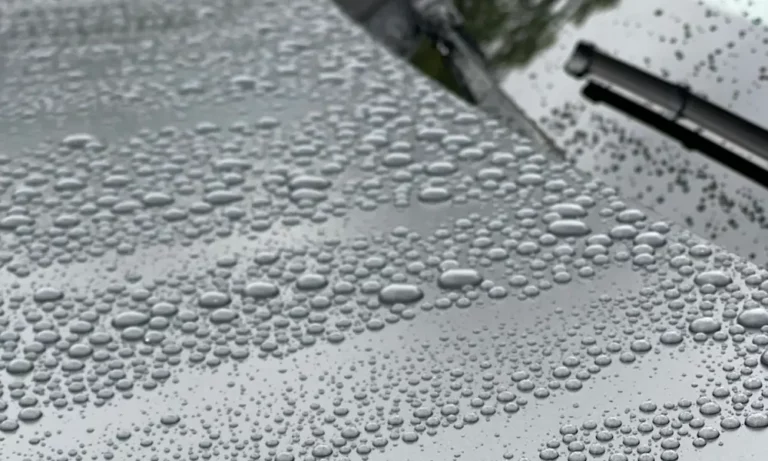
Fresh ceramic coatings create distinct water droplets that roll off effortlessly. It’s oddly satisfying watching water sheet off your hood during a rainstorm.
As coatings age, water begins to sheet rather than bead. Eventually, you’ll notice water spots forming and reduced self-cleaning properties. When polishing and maintenance don’t restore proper beading, your coating is on its last legs.
Your Paint Looks Dull
Ceramic coatings enhance paint depth and gloss through their optical properties. That deep, mirror-like shine is part of the appeal.
Fading luster, reduced reflection quality, and overall dullness indicate coating deterioration. If your paint looked like glass six months ago but now resembles plastic, the coating’s protective properties have diminished significantly.
Dirt Sticks Like Velcro
Healthy ceramic coatings resist dirt and grime adhesion. Washing becomes easier because contaminants don’t stick as readily.
When cleaning becomes more difficult and contaminants stick more readily, your coating isn’t doing its job anymore. You shouldn’t need aggressive scrubbing to remove everyday dirt from a properly coated vehicle.
Visible Physical Damage
Peeling, flaking, or worn-away areas mean immediate replacement. These defects expose underlying paint to environmental hazards and accelerate further deterioration.
Don’t ignore visible damage. Every day you wait is another day your expensive paint job sits vulnerable to environmental contaminants.
How to Make Your Ceramic Coating Last Longer
Getting maximum lifespan from ceramic coating requires consistent effort. Here’s your maintenance playbook.
Wash Smart and Often
Use the two-bucket wash method with grit guards to minimize scratching. One bucket holds soapy water, the other clean rinse water. This simple technique prevents you from rubbing dirt back into your paint.
Stick with pH-neutral car shampoos that preserve coating chemistry while effectively removing contaminants. Wash every 2-4 weeks under normal conditions. Spot clean bird droppings and tree sap immediately—these acidic substances eat through coatings if left sitting.
Apply Ceramic Boost Sprays
Ceramic boost sprays rejuvenate coating properties and extend lifespan. Apply them every 3-4 months to reinforce hydrophobic characteristics and add protective layers that compensate for natural wear.
Think of boost sprays as vitamins for your coating. They don’t replace the base layer, but they strengthen and refresh it. A $25 bottle of boost spray can add months to your coating’s effective life.
Schedule Professional Inspections
Many professional coatings require annual inspections to maintain warranty coverage. These aren’t just warranty box-checking exercises—they’re valuable diagnostic sessions.
Professional assessments using specialized lighting and paint thickness measurements detect early degradation signs before they become visible. These inspections often include maintenance treatments that preserve coating effectiveness throughout the warranty period.
Protect Against Environmental Damage
Store your vehicle in a garage whenever possible. Less exposure to UV rays, temperature extremes, and airborne contaminants means slower degradation.
Can’t garage park? Use a quality car cover. It’s not as convenient, but it shields your coating from the sun’s damaging rays and reduces environmental exposure significantly.
Avoid Automatic Car Washes
Those spinning brushes at automatic car washes are ceramic coating killers. They’re typically dirty, abrasive, and use harsh chemicals that strip protective layers.
Stick with hand washing or touchless car washes. Yes, it takes more time. But you didn’t invest in ceramic coating just to destroy it with convenience car washes.
What Do Ceramic Coating Warranties Actually Cover?
Warranty terms sound impressive in marketing materials. The reality requires closer examination.
Professional Coating Warranty Terms
Professional ceramic coatings typically include comprehensive warranties ranging from 1-10 years depending on the product. Ceramic Pro offers tiered warranties from 6 months for Sport grade up to lifetime coverage for premium packages.
Gtechniq provides 5-9 year warranties on professional installations. These warranties sound great, but here’s the catch: strict adherence to maintenance protocols is required.
The Fine Print Matters
Warranty coverage requires annual inspections and proper care practices. Miss an inspection? Void. Use the wrong car wash soap? Void. Failure to follow recommended maintenance can kill warranty protection even if the coating legitimately fails prematurely.
Read the warranty terms carefully before signing. Understand what’s required to maintain coverage. Some warranties are more realistic than others about maintenance expectations.
Setting Realistic Expectations
Despite marketing claims, realistic ceramic coating lifespans fall within established ranges. Professional coatings realistically last 3-7 years with excellent care. DIY applications provide 1-3 years of effective protection.
Understand that coating effectiveness gradually diminishes over time. Even the best coatings eventually require replacement as molecular structures break down through normal environmental exposure. A 10-year warranty doesn’t mean your coating performs like new in year nine.
Comparing Different Types of Ceramic Coating Durability
Understanding the performance differences helps you choose the right protection level for your needs and budget.
| Coating Type | Expected Lifespan | Application Method | Typical Cost | Best For |
|---|---|---|---|---|
| Professional Grade | 5-10 years | Certified installer | $1,000-$3,000 | Long-term protection, new vehicles, show cars |
| DIY Consumer Grade | 1-3 years | Self-application | $50-$200 | Budget-conscious owners, intermediate protection |
| Spray Ceramic | 6-12 months | Spray and wipe | $15-$50 | Maintenance boost, temporary protection |
| Graphene-Enhanced | 3-7 years | Professional or DIY | $300-$2,000 | Enhanced heat resistance, superior water behavior |
Which Type Makes Sense for You?
Professional coatings justify higher costs if you plan to keep your vehicle for 5+ years and want maximum protection. The upfront investment spreads across years of service.
DIY coatings make sense for leased vehicles, older cars, or tight budgets. You’re still getting protection that crushes traditional waxes, just with shorter longevity.
Spray coatings work best as maintenance boosters between major applications or for testing ceramic technology before committing to professional installation.
Does Ceramic Coating Type Affect How Long It Lasts?
Not all ceramic coatings use the same chemistry. Different formulations offer varying durability profiles.
SiO₂-Based Coatings
Traditional ceramic coatings rely primarily on silicon dioxide. These formulations have proven track records and well-understood performance characteristics. Quality SiO₂ coatings create strong covalent bonds with paint surfaces.
Professional-grade SiO₂ coatings easily hit 5-7 years with proper maintenance. The technology is mature, reliable, and well-tested across millions of vehicles.
Graphene-Enhanced Coatings
Newer graphene-enhanced formulations promise improved performance over traditional SiO₂ coatings. Graphene additions improve heat dissipation, reduce water spotting, and potentially extend durability.
The jury’s still out on whether graphene coatings truly last longer. They’re newer technology with less long-term data. Early results look promising, but time will tell if they consistently outperform traditional formulations.
Hybrid Formulations
Some manufacturers blend different technologies—combining SiO₂, graphene, and other additives to optimize specific performance characteristics. These hybrid formulations often target particular pain points like water spotting or UV resistance.
Hybrid coatings can perform exceptionally well, but research the specific product. Marketing hype doesn’t always match real-world performance.
How Seasonal Changes Impact Coating Longevity
Each season presents unique challenges that affect how long ceramic coating lasts.
Spring Challenges
Pollen season dumps sticky yellow dust all over your vehicle. This organic debris requires increased maintenance attention to prevent contamination buildup.
Spring also brings temperature fluctuations that stress coating molecular structures. Frequent washing becomes essential during pollen season to maintain coating effectiveness.
Summer Stress
Summer heat accelerates initial curing, which benefits fresh applications. But prolonged UV exposure gradually degrades molecular bonds through constant radiation bombardment.
Heat also makes coatings more susceptible to chemical contamination from bug splatter and tree sap. These organic acids etch into warm coatings faster than cold ones.
Fall Complications
Falling leaves and organic debris introduce new contaminants. Wet leaves sitting on your paint can stain and compromise coating effectiveness.
Temperature drops in fall also change coating flexibility. Coatings that performed well in summer may show different characteristics as temperatures decline.
Winter Warfare
Road salt and de-icing chemicals wage chemical warfare on your coating. These corrosive substances attack protective layers aggressively throughout winter months.
Cold temperatures also reduce coating flexibility, making them more susceptible to micro-scratching. Regular washing in winter isn’t optional—it’s essential for preserving coating integrity.
Is Professional Ceramic Coating Worth the Extra Years?
The price gap between professional and DIY ceramic coating is significant. Does the extra longevity justify the cost difference?
Cost Per Year Analysis
Professional ceramic coating costing $1,500 that lasts 5 years breaks down to $300 annually. DIY coating costing $100 that lasts 2 years equals $50 annually.
Wait—that math makes DIY look better, right? Not quite. Factor in your time for DIY application (8-12 hours including prep), potential mistakes, and the reality that professional applications perform better throughout their lifespan.
Performance Quality Over Time
Professional coatings maintain performance characteristics better over their lifespan. Year four of a professional coating often outperforms year one of a DIY coating.
DIY applications can start strong but often deteriorate faster due to application imperfections. Professional coatings maintain more consistent protection throughout their rated lifespan.
Warranty and Peace of Mind
Professional installations include warranty coverage and annual inspections. If something goes wrong, you’re protected. DIY coatings offer no such safety net.
That peace of mind has value, especially if you’re coating an expensive or cherished vehicle. Warranty coverage essentially provides insurance against premature coating failure.
Your Ceramic Coating Lifespan Depends on You
How long does ceramic coating last? Anywhere from 6 months to 10 years—but the real answer depends on the choices you make. Professional installations deliver maximum longevity at premium prices. DIY options balance cost and protection for budget-conscious owners. And spray coatings offer convenient maintenance boosts.
Whatever you choose, remember this: proper maintenance determines whether your coating hits its projected lifespan or fails early. Wash regularly with pH-neutral products. Apply boost sprays quarterly. Protect your vehicle from environmental extremes when possible. These simple habits transform a modest investment into years of superior paint protection.
The best ceramic coating isn’t necessarily the most expensive one—it’s the one you’ll actually maintain properly. Choose wisely, care for it consistently, and enjoy the benefits of modern paint protection technology.