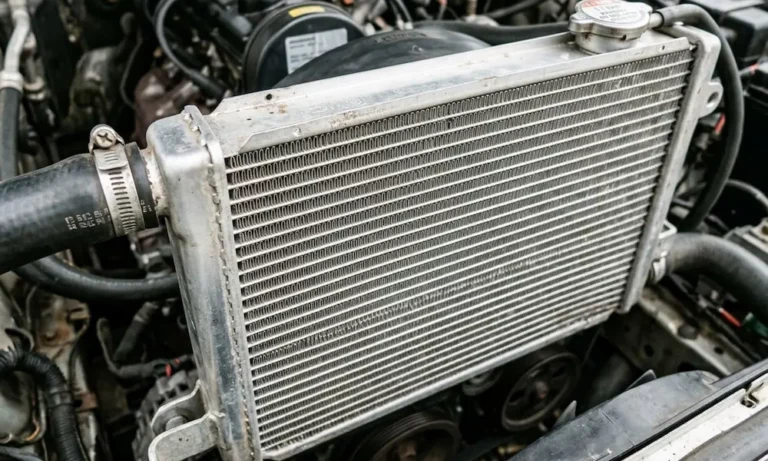
Your temperature gauge just crept into the red. There’s a sweet smell coming from the hood. Sound familiar? Figuring out how much to replace a radiator in a car doesn’t have to feel like guesswork. This guide breaks down real numbers, warning signs, and smart ways to cut costs — stick around, because the last section alone could save you hundreds.
What Does a Radiator Replacement Actually Cost?
Let’s get straight to the number you came here for.
A complete professional radiator replacement in the U.S. typically runs between $750 and $1,850. The national average lands around $1,245 to $1,471, with parts eating up 50–60% of that bill.
Here’s how the costs stack up depending on your situation:
| Repair Type | Parts Cost | Labor Cost | Total Estimate |
|---|---|---|---|
| Minor Hose Repair | $110 – $190 | $170 – $580 | $286 – $725 |
| General System Repair | $80 – $250 | $150 – $500 | $250 – $750 |
| Budget Radiator Replacement | $80 – $150 | $120 – $300 | $220 – $500 |
| Mid-Range Replacement | $150 – $300 | $300 – $500 | $500 – $920 |
| Premium Replacement | $300 – $600+ | $500 – $900+ | $920 – $1,750+ |
Not every leaking radiator needs a full swap. A localized hose repair or seam fix averages $250 to $750 and works well for minor damage. But if the core is cracked or the end tanks have split, you’re looking at a full replacement — no shortcuts.
How Your Car’s Radiator Type Affects the Price
Here’s something most people don’t realize: the material your radiator is made from directly affects whether you pay for a repair or a full replacement.
Older copper-brass radiators are actually the friendlier option for your wallet when damage strikes. A skilled technician can solder a crack shut and you’re back on the road. The downside? These units are heavier and more expensive to buy.
Modern plastic-aluminum radiators are light, cheap to manufacture, and resist rust well. That sounds great — until the plastic end tanks crack. Coolant heated to nearly 200°F hits those tanks every time your thermostat opens. Over time, the plastic warps and splits. And because the tanks crimp onto the aluminum core, un-crimping them weakens the tabs beyond repair. A tiny crack forces a full unit replacement every time.
| Material | Key Advantage | Key Weakness | Repairable? |
|---|---|---|---|
| Copper-Brass | Excellent heat transfer; solderable | Heavy; solder points fatigue over time | Yes — soldering works |
| Plastic-Aluminum | Lightweight; corrosion-resistant | Plastic tanks crack under heat cycles | No — full replacement needed |
Does Your Location Change the Cost?
Absolutely. Labor rates vary dramatically depending on where you live, and a radiator swap takes 1.5 to 3 hours of shop time.
| Shop Type | Location | Hourly Rate | Typical Labor Total |
|---|---|---|---|
| Independent Garage | Rural | $80 – $120 | $120 – $360 |
| Independent Garage | Urban | $120 – $150 | $180 – $450 |
| Dealership | Rural | $120 – $180 | $180 – $540 |
| Dealership | Urban | $150 – $200+ | $225 – $600+ |
Choosing an independent shop over a dealership can save you $150 to $400 on a single job. Dealerships default to OEM parts that cost 50–100% more than aftermarket options. An independent shop lets you pick your parts tier and still get solid warranty coverage.
How Much Does It Cost by Vehicle?
Your specific car matters a lot. Economy sedans with open engine bays cost far less to service than luxury imports with tightly packed components.
| Vehicle | Year | Parts | Labor | Total |
|---|---|---|---|---|
| Toyota Corolla | 2017 | $460 – $540 | $346 – $409 | $806 – $949 |
| Honda Civic | 2017 | $540 – $620 | $403 – $465 | $943 – $1,085 |
| Honda Accord | 2017 | $530 – $600 | $394 – $447 | $924 – $1,047 |
| Nissan Altima | 2018 | $690 – $780 | $528 – $601 | $1,218 – $1,381 |
| Ford F-150 | 2017 | $800 – $900 | $598 – $671 | $1,398 – $1,571 |
| Chevrolet Silverado 1500 | 2017 | $930 – $1,020 | $702 – $775 | $1,632 – $1,795 |
| BMW 740i | 2019 | $1,100 – $1,250 | $537 – $576 | $1,637 – $1,826 |
Trucks and large SUVs carry bigger cooling systems with more coolant capacity, which pushes parts and fluid costs up. German luxury vehicles are expensive for a different reason — technicians sometimes need to strip off the entire front bumper assembly, sensors, and structural cladding just to reach the radiator. In some cases, Volvo XC60 owners received estimates as high as $2,000 purely because of that access complexity.
What Are the Signs Your Radiator Is Failing?
Your car will tell you it’s struggling — you just need to know the language.
Sweet smell from the hood. Engine coolant contains ethylene glycol, which smells like maple syrup or butterscotch when it burns or leaks. If you catch that scent while driving, treat it as a red flag.
Colored puddles under the car. Bright green, orange, pink, blue, or yellow fluid on your driveway points to an active coolant leak. This one’s hard to miss.
White steam from the engine bay. Minor leaks evaporate before they hit the ground and exit as white vapor. Listen for a hissing sound alongside it.
Crusty residue around hose connections. A slow weeping leak leaves a chalky, colorful crust where hoses meet the radiator tanks. Check these spots during routine oil changes.
Temperature gauge creeping toward red. A low coolant warning light or a rising temp needle means your system can’t keep up with engine heat. Pull over sooner rather than later.
Spongy or swollen hoses. When oil drips onto rubber coolant hoses, the petroleum breaks down the rubber, leaving hoses soft and ready to burst.
Rust or debris in the coolant reservoir. Visible scale, flakes, or discoloration inside the reservoir signals internal corrosion. That gunk restricts flow and causes the engine to knock.
The Hidden Costs: What Else Might Need Replacing?
A failing radiator doesn’t always fail alone. When an engine overheats, the excess heat warps plastic components like intake manifolds, thermostat housings, and head gaskets. The pressure spike before failure also stresses hoses, clamps, and expansion tanks.
Smart mechanics inspect the whole cooling system during a radiator job. Here’s what they might flag — and what it costs:
| Component | Parts | Labor | Total Range |
|---|---|---|---|
| Thermostat | $40 – $120 | $110 – $400 | $150 – $520 |
| Radiator Hoses | $40 – $150 | $80 – $377 | $120 – $527 |
| Coolant Reservoir | $150 – $200 | $330 – $336 | $480 – $536 |
| Heater Hoses | $180 – $220 | $368 – $400 | $548 – $620 |
| Engine Oil Cooler | $250 – $300 | $406 – $483 | $656 – $783 |
| Transmission Cooler | $270 – $310 | $404 – $503 | $674 – $813 |
Replacing old hoses while the system is already drained costs far less than paying for a second labor visit a month later. If your hoses are oil-soaked or brittle, swap them now.
How to Pay Less for Radiator Replacement
Check your warranty first. Bumper-to-bumper and extended service contracts often cover radiator failures. One Maryland vehicle owner knocked a $1,600 repair bill down to $180.62 by using their warranty — paying only a $100 deductible plus a minor out-of-pocket charge.
Negotiate the estimate. Independent shops have more pricing flexibility than dealerships. Calculate 80% of the written estimate and ask the shop manager if they can hit that out-the-door number.
Skip the chemical stop-leaks. Sealants and leak additives might slow a drip temporarily. But they can clog the narrow passages of your heater core and engine block, turning a $900 radiator job into a $3,000 engine repair.
Flush your coolant regularly. A full cooling system flush every two years or 30,000 miles — or up to 70,000 miles depending on your manufacturer — clears out rust and scale before they cause real damage. It lubricates the water pump, prevents galvanic corrosion, and extends radiator life significantly. This $100 service can push your next radiator replacement years into the future.
Get three quotes. Prices between shops in the same city can swing by $300 or more on the same job. A quick round of calls takes 15 minutes and often reveals a better deal from a highly rated independent garage.