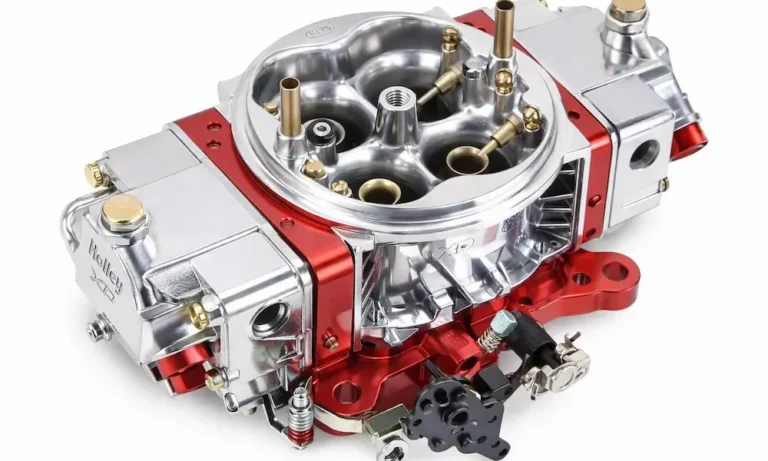
Got a Holley carb that’s running rough, flooding, or stumbling off idle? You’re dealing with something fixable. This guide walks you through every key adjustment — from float level to power valve — so you can dial it in yourself. Stick around to the end, because the order you do this in matters more than most people think.
Start Here: Identify Your Carb Before Touching Anything
Before you adjust a single screw, know what you’re working with.
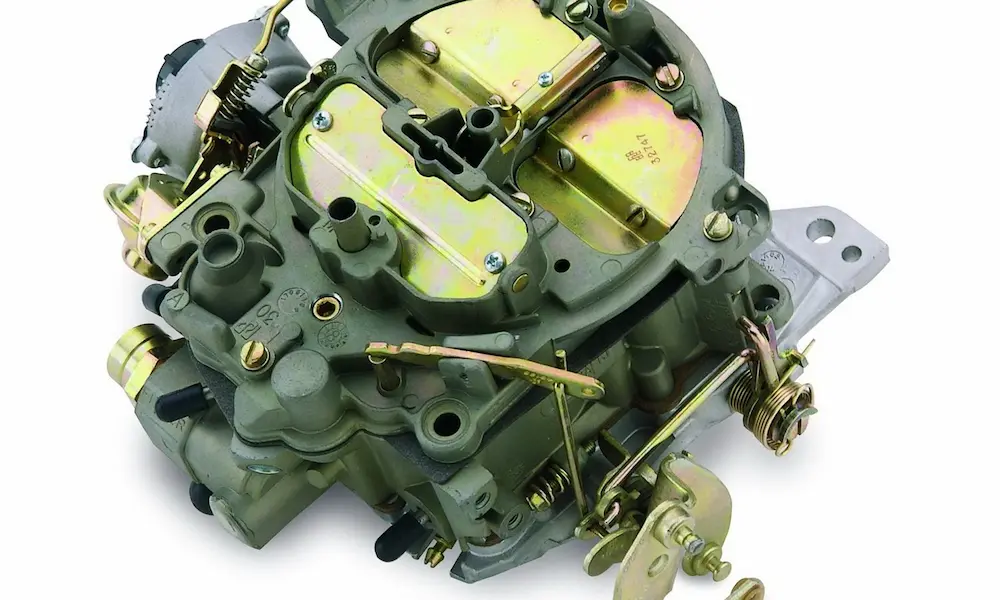
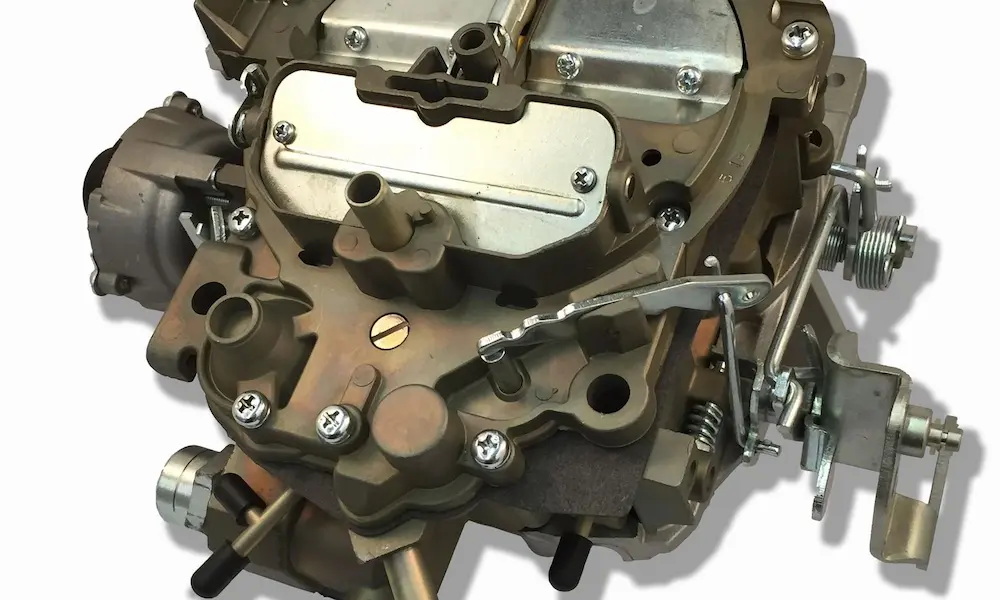
Find the List Number stamped on the front of the air horn. According to Holley’s carb hunter’s guide, this number tells you the CFM rating, factory jetting, and model series. It might start with “R,” “L,” or “0-” — that’s normal.
Then figure out if you have a 4150 or 4160:
| Model | Secondary System | Best For |
|---|---|---|
| 4150 (“Double Pumper”) | Metering block (replaceable jets) | Manual trans, high-stall autos |
| 4160 | Metering plate (fixed orifice) | Street driving, auto trans |
| 4500 Dominator | High-flow square bore | Racing only |
Per JEGS carburetor identification guide, knowing your model upfront saves you from chasing the wrong problem entirely.
Set Up the Basics Before You Touch the Carb
Here’s the truth: a carburetor can’t fix problems it didn’t cause.
Vacuum leaks, bad ignition timing, and low fuel pressure will make any tune feel off. Fix those first.
Fuel Pressure
Holley carbs need 6.0 to 6.5 PSI. Go above 7.5 PSI and the fuel pressure overpowers the float, flooding the bowls. Drop below 5.0 PSI and you’ll starve the engine at high RPM.
Always check pressure with the pump running — not static.
Mounting Torque
Torque the carb mounting nuts to 60–80 inch-pounds in a criss-cross pattern. According to Speedway Motors’ installation instructions, over-tightening cracks the baseplate or binds the throttle shaft. Neither is fun.
How to Adjust the Float Level on a Holley Carburetor
Float level is the foundation of your entire tune. Get this wrong and nothing else will work right.
Dry Float Setting (Bowl Removed)
Flip the bowl upside down and adjust the float tang until the float sits parallel to the bowl’s casting surface.
Different float materials need different settings:
| Float Type | Location | Dry Setting |
|---|---|---|
| Brass / Nitrophyl | Primary (side-hung) | 7/64″ gap at the toe |
| Brass / Nitrophyl | Secondary (side-hung) | 13/64″ gap at the heel |
| Duracon (plastic) | Primary (center-hung) | 5/16″ at the middle |
| Duracon (plastic) | Secondary (center-hung) | 3/8″ at the middle |
| Duracon (plastic) | Primary (side-hung) | 7/32″ at the toe |
Source: Holley’s carburetor adjustment guide
Wet Float Setting (Engine Running)
This is the real calibration. With the engine at operating temperature, remove the sight plug on the side of the bowl. Fuel should sit right at the bottom edge of that hole — a faint trickle when you rock the vehicle is perfect.
To adjust:
- Clockwise = lowers the float level
- Counter-clockwise = raises it
Loosen the lock screw first, turn the 5/8″ hex nut, then re-tighten. Don’t expect instant results at idle — rev the engine slightly to see the new level settle.
How to Set the Idle Correctly
Most people mess this up by only turning the mixture screws. The real starting point is the transfer slot.
Get the Transfer Slot “Square”
Look at the bottom of the carb. The throttle plates should expose exactly 0.020″ of the transfer slot at idle — a perfect little square shape. Holley’s aluminum carb manual confirms this is the correct baseline.
If you open the primaries too much to compensate for a lumpy cam, you pull fuel from the transition circuit prematurely. That causes a rich stumble the second you crack the throttle.
Use the Secondary Stop Screw for Extra Air
If your engine needs more air to idle but opening the primaries more would ruin the transfer slot square, use the secondary throttle stop screw instead. It’s on the underside near the secondary shaft.
Here’s the sequence:
- Set primaries to expose the 0.020″ transfer slot square
- Crack the secondary stop screw to hit your target idle RPM
- Now adjust the idle mixture screws — they’ll actually respond properly now
This method comes straight from OnAllCylinders’ idle setup guide.
Idle Mixture Screws: The Lean-Best Method
Connect a vacuum gauge to a full manifold vacuum port. Start with the screws 1.5 turns out from gently seated.
Turn each screw in (clockwise) 1/8 turn at a time. If vacuum rises, keep going. When vacuum peaks and starts dropping, back the screw out 1/8 turn. That’s your sweet spot.
On four-corner idle models, adjust all screws equally to keep fuel distribution balanced across the intake runners.
Power Valve: The Right Size Makes a Big Difference
The power valve adds extra fuel under load when vacuum drops. Pick the wrong size and you’ll run rich at cruise or lean under hard acceleration.
The Half-Vacuum Rule
Measure your idle vacuum with a gauge. Use half that number to select your power valve.
| Idle Vacuum (in. Hg) | Recommended Power Valve |
|---|---|
| 13.0″ | 6.5 |
| 12.0″ | 6.0 or 6.5 |
| 10.0″ | 5.0 or 4.5 |
| 8.0″ | 3.5 |
| 7.0″ | 3.5 |
For automatics, check vacuum in gear. For manuals, check it in neutral. Source: Holley’s power enrichment system tech document.
Check for a Blown Power Valve Diaphragm
Screw the idle mixture screws all the way in at idle. If the engine dies, the power valve is fine. If it keeps running, the diaphragm is blown and leaking fuel directly into the vacuum passage. Replace it.
Fixing Stumbles: The Accelerator Pump
A bog or stumble when you stab the throttle means the accelerator pump isn’t bridging the lean gap fast enough.
Check Pump Linkage Clearance
At idle, the pump arm must have zero lash — direct contact with the pump lever. Any gap means a delayed fuel shot. At wide open throttle, you should be able to depress the pump arm an extra 0.015″ before hitting the spring. This prevents diaphragm damage at full throttle.
Squirters and Pump Cams
If the linkage is right but you still have a hesitation, change the hardware:
| Symptom | Problem | Fix |
|---|---|---|
| Stumble at 0–10% throttle | Air gap in pump linkage | Adjust to zero lash |
| Stumble at 10–30% throttle | Insufficient shot duration | More aggressive pump cam |
| Immediate pop or bog | Fuel not arriving fast enough | Increase squirter size (+.002″) |
| Black smoke on hard acceleration | Too much fuel | Decrease squirter or cam |
Pump cams are color-coded and have multiple mounting holes. Position #1 gives an earlier shot — better for engines with low idle speeds. Holley’s high-performance tuning document covers all cam positions in detail.
Vacuum Secondaries: Tune for Your Engine
Vacuum secondaries open based on load, not RPM. The spring rate controls when they open.
A stiffer spring means later opening. A lighter spring opens earlier. The purple spring is the standard starting point for most street cars, per Holley’s vacuum secondary housing guide.
To check if your secondaries are actually opening: Put a paperclip on the diaphragm rod, pushed up against the housing. Do a WOT pull. If the clip moved down, the secondaries opened.
Choke Adjustment for Cold Starts
Only adjust the choke when the engine is cold.
Rotate the electric choke cap clockwise for a leaner (shorter) choke duration. Rotate it counter-clockwise for a richer (longer) one. Fast idle should land around 1,500–1,600 RPM on the highest step of the fast idle cam.
The unloader tang — which partially opens the choke plate when you hold the throttle wide open during a flood — should create about a 1/8″ gap between the choke plate and air horn wall. Bend the tang to adjust it. More detail at Blueprint Engines’ choke adjustment guide.
Read the Engine’s Feedback
After tuning, your spark plugs and exhaust tell you everything.
Pull the plugs after a clean, hard run:
- Light tan or gray = perfect air-fuel ratio
- Dry, sooty black = too rich — check float level, power valve, or jet size
- White or glazed = dangerously lean — look for vacuum leaks or fuel starvation
Running at altitude? Drop one jet size for every 2,000 feet above sea level. Moving from sea level to Denver (5,280 ft) means going down two to three jet sizes to keep your mixture right. Holley’s troubleshooting guide covers this and more exhaust-reading techniques.
The Right Adjustment Order Matters
Here’s the sequence that actually works. Don’t skip steps or jump ahead:
- Verify fuel pressure (6.0–6.5 PSI)
- Set dry float level before first startup
- Set wet float level with engine warm
- Set primary transfer slot square (0.020″ exposure)
- Adjust secondary stop screw for target idle RPM
- Tune idle mixture screws using lean-best method
- Size the power valve using half-vacuum rule
- Dial in the accelerator pump linkage, squirters, and cams
- Tune vacuum secondaries spring rate
- Adjust choke cold
Follow that order and you’ll spend a lot less time chasing your tail. Each system in a Holley carb feeds into the next — and the JEGS complete tuning guide backs up this systematic approach for good reason.