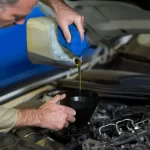
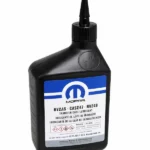
Your steering feels heavy, or you’re hearing a whine every time you turn the wheel. It might just be low power steering fluid — and checking it takes less than five minutes. This guide walks you through exactly how to check power steering fluid, what the fluid’s color tells you, and what to do if something looks off. Stick around — there’s a detail near the end most people miss.
First, Does Your Car Even Have Power Steering Fluid?
Before you pop the hood, confirm your car actually uses hydraulic power steering. Many newer vehicles — including Ford’s F-150 and Fusion models — run Electric Power Assist Steering (EPAS). These systems are completely dry. No reservoir. No fluid. Nothing to check.
If your car is older than 2012 or so, you almost certainly have a hydraulic system. When in doubt, check your owner’s manual.
Where to Find the Power Steering Reservoir
The reservoir location depends on your vehicle. Here’s a quick breakdown:
| Vehicle Type | Likely Location | What It Looks Like |
|---|---|---|
| Domestic SUVs & Trucks | Front of engine bay, near the pump | Large metal or opaque plastic tank |
| Japanese Sedans | Driver’s side, near the air filter | Translucent cylindrical plastic tank |
| European Cars (e.g., BMW) | Near the firewall or radiator | Black canister, often with a green sticker |
| Compact Cars | Behind other components | Tucked into tight spaces |
The cap is your best clue. Look for a steering wheel icon or the words “Power Steering” printed on it. Honda owners: yours has a distinctive red cap — that’s intentional, and important (more on that later).
What You Need Before You Start
Nothing fancy. Grab:
- A clean, lint-free rag
- A flashlight or your phone’s torch
- A turkey baster or syringe (if you need to top off)
- The correct fluid for your vehicle (check the owner’s manual)
How to Check Power Steering Fluid: Step-by-Step
Step 1: Park on a Level Surface and Engage the Parking Brake
This one matters more than people think. If your car’s on a slope, the fluid pools to one end and gives you a false reading. Level ground only.
Step 2: Warm Up the Engine (or Check Cold — Know the Difference)
Power steering fluid expands when it heats up. Many manufacturers recommend checking it warm — which means idling the engine until it reaches operating temperature, then turning the wheel slowly from full left to full right a few times. This also clears out any temporary air pockets in the rack.
Some reservoirs show both a “HOT” and “COLD” scale. Use the right scale for your situation.
Step 3: Clean the Reservoir Cap Before Opening It
Wipe the cap and the area around it with your lint-free rag. This step is easy to skip — don’t. Even a small amount of debris can score the pump’s internal surfaces or tear the rack-and-pinion seals. The tolerances inside a hydraulic pump are measured in microns.
Step 4: Check the Level
You’ve got two methods depending on your reservoir type:
Translucent Reservoir (Most Modern Cars)
Look at the outside of the tank. You’ll see MIN and MAX lines molded into the plastic. Shine a flashlight at it and check where the fluid sits. No need to open anything.
Opaque or Metal Reservoir (Older Vehicles)
These use a dipstick built into the cap. Here’s the correct process:
- Remove the cap
- Wipe the dipstick completely clean
- Reinsert and tighten the cap fully
- Remove it again and read the wet line
| Dipstick Reading | What It Means | What to Do |
|---|---|---|
| Above MAX (Hot) | Overfilled | Remove excess with a syringe |
| Between MIN and MAX | Good | Monitor fluid color |
| Below MIN (Cold) | Dangerously low | Top off immediately with the correct fluid |
What the Fluid Color Is Telling You
The color of power steering fluid is like a health report for your entire steering system. Don’t ignore it.
| Color | Condition | What’s Happening |
|---|---|---|
| Clear, Amber, or Light Pink | Healthy | Fluid is doing its job |
| Dark Brown or Murky | Oxidized | Fluid’s been overheated or is past its service life |
| Black or Charcoal | Severely contaminated | Rubber hose degradation or metal particles from pump wear |
| Milky, Foamy, or Tan | Air in the system | A loose return-line fitting or failing pump seal is pulling in air |
If it smells burnt — like scorched oil or an electrical fire — that’s a secondary red flag. The fluid’s temperature exceeded its chemical stability threshold, and it’s breaking down.
Sounds and Feelings That Mean Something’s Wrong
Your car will tell you when power steering fluid is low. You just need to know what to listen for.
Sounds:
- High-pitched whine that rises with RPM — Classic cavitation. The pump’s circulating aerated fluid, and the collapsing air bubbles create that turbine noise.
- Squealing during full lock — The drive belt may be slipping because the pump is struggling with contaminated fluid.
- Groaning or grinding on sharp turns — More serious. Internal pump bearings or gears are failing from lack of lubrication.
Steering Feel:
- Heavy steering at low speed — You’ve lost hydraulic assist. Parking maneuvers suddenly take real effort.
- Jerky or inconsistent steering — Air bubbles in the rotary valve of the rack cause a “notching” sensation.
- Vibration in the steering wheel on a straight road — Erratic pressure from a pump struggling with low fluid.
How to Top Off Power Steering Fluid
Found it low? Here’s how to top it off correctly:
- Use a clean funnel
- Add fluid in small increments — check the level between each pour
- Don’t go past the MAX or HOT line
- Overfilling creates pressure that can blow out the reservoir cap or damage the steering rack’s bellows
- Tighten the cap securely when you’re done
Use the right fluid. This is non-negotiable. Your owner’s manual lists the exact spec. Generic “universal” fluids cause real damage in brand-specific systems.
The Fluid Type Issue That Trips People Up
Not all power steering fluids are interchangeable. Here’s where people get it wrong:
BMW: Post-mid-1990s BMWs use Pentosin CHF 11S — a green synthetic fluid. BMW used the same reservoir cap for ATF and CHF systems, just covering the ATF embossing with a green sticker. If that sticker’s missing, check the VIN before adding anything.
Honda/Acura: Honda uses a proprietary fluid with a unique viscosity index. Pour generic fluid in here and you’ll likely hear a pump whine and see leaking seals within a few thousand miles. The red cap is a reminder — take it seriously.
Older Domestic Vehicles: Many older American trucks and cars actually use ATF in the power steering system. That doesn’t mean you can substitute freely in newer vehicles that specify PSF.
When to Flush the Fluid Entirely
Topping off buys time, but a full flush every 30,000 miles keeps the system healthy. You’ll also want a flush if the fluid looks black or smells burnt.
You’ve got two options:
| Method | How It Works | Best For |
|---|---|---|
| DIY “Poor Man’s” Flush | Use a turkey baster to pull out old fluid and replace with fresh fluid, repeatedly | Safe DIY approach, no disassembly |
| Dynamic Flush | Disconnect the return hose, let the pump discharge old fluid while you pour in fresh | Removes 100% of contaminants |
If you go the dynamic flush route, never let the reservoir run dry. Running dry introduces a massive air surge into the pump — that’s immediate cavitation damage.
If Air Got In: The Bleeding Procedure
Low fluid from a leak or a recent component swap can let air into the system. You’ll need to bleed it out. Here’s the standard procedure:
- Raise the front wheels off the ground to reduce friction
- With the engine off, turn the wheel from full left to full right 20–40 times — this pushes air up and into the reservoir
- Start the engine and idle for a few minutes, then cycle the wheel lock-to-lock again while someone watches the reservoir for bubbling
- You’re done when the fluid is clear, foam-free, and the pump runs quietly
Disposing of Old Power Steering Fluid the Right Way
Used power steering fluid contains heavy metals like lead and chromium — it’s a genuine environmental hazard.
- Collect it in a sealed, labeled container
- Never mix it with gasoline or antifreeze — this prevents recycling
- Drop it off at a participating auto parts store (AutoZone, O’Reilly, Advance Auto Parts all accept it)
- Pouring it down a storm drain is illegal and causes long-term groundwater contamination
How Often Should You Check Power Steering Fluid?
Monthly checks take under two minutes and catch problems before they become expensive. Replacing a power steering pump or rack-and-pinion assembly costs hundreds — sometimes over a thousand dollars. A $10 bottle of the correct fluid does not.
If you notice the level dropping consistently between checks, that’s a leak — not just normal consumption. Track it down before the pump runs dry.