Is your car sluggish, guzzling gas, or showing that dreaded check engine light? Your catalytic converter might be clogged. With replacement costs ranging from $900 to a jaw-dropping $4,400, it’s worth exploring cleaning options first. I’ll walk you through proven methods to potentially fix your converter without emptying your wallet. From simple fuel additives to more hands-on approaches, you’ll discover which solution matches your situation and skill level.
What Exactly Is a Clogged Catalytic Converter?
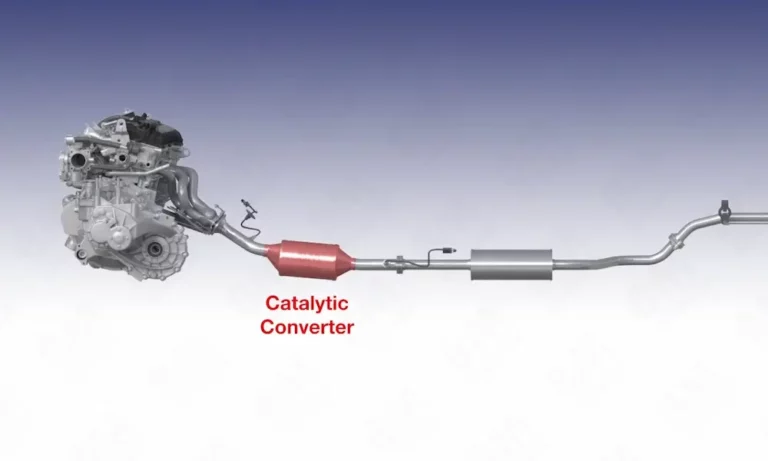
Your catalytic converter isn’t just another car part—it’s an environmental powerhouse. Inside its metal housing sits a honeycomb structure coated with precious metals like platinum, palladium, and rhodium. These metals transform harmful exhaust gases into less toxic substances.
Over time, carbon deposits, unburned fuel, and contaminants build up in those honeycomb channels. When they become clogged, exhaust can’t flow efficiently, causing numerous performance issues.
How to Tell If Your Catalytic Converter Needs Attention
Before attempting any repairs, confirm you’re dealing with a clogged converter. Look for these telltale signs:
- Check engine light illuminated (often with codes P0420 or P0430)
- Reduced acceleration and power loss (especially on hills)
- Poor fuel economy that’s gradually getting worse
- Sulfur or rotten egg smell from your exhaust
- Dark exhaust smoke when accelerating
- Failed emissions tests at your local testing station
If you’re experiencing two or more of these symptoms, it’s time to investigate further.
Essential Diagnostic Steps Before Attempting Repairs
Don’t just assume your converter is the culprit. Follow these steps to confirm:
Step 1: Scan for Trouble Codes
Use an OBD-II scanner to check for specific codes. P0420 (Bank 1) or P0430 (Bank 2) typically indicate “Catalyst System Efficiency Below Threshold.” But be careful—these codes can also appear when you have faulty oxygen sensors or other issues.
Step 2: Physical Inspection
Take a look at your converter. Check for:
- External damage or dents
- Rattling sounds when you tap it lightly
- Red-hot glowing during operation (extremely dangerous!)
- Signs of melted internal components
If you notice any of these physical issues, cleaning won’t help—you’ll need a replacement.
Step 3: Test Exhaust Backpressure
For a more definitive diagnosis, test the backpressure:
- Connect a low-pressure gauge to the oxygen sensor port before the converter
- Backpressure should be around 1.5 PSI at idle
- It shouldn’t exceed 3-4 PSI at higher RPMs
Excessive backpressure is a clear indicator of severe clogging.
DIY Cleaning Methods (From Simple to Advanced)
Let’s explore your cleaning options, starting with the easiest:
Method 1: Fuel Additive Cleaners ($15-30)
Best for: Preventive maintenance and mild carbon buildup
Products like Cataclean and Oxicat work by adding detergents and solvents to your fuel tank that burn off deposits as they pass through the exhaust system.
How to use fuel additives:
- Ensure your fuel tank is 1/4 to 1/2 full
- Pour the entire bottle into your tank
- Drive at highway speeds for at least 150 miles to reach proper operating temperature
- Reset error codes and test again
With a success rate of 40-60% for mild clogging, this method is worth trying first because of its simplicity.
Method 2: The Lacquer Thinner Method ($8-15)
Best for: Light clogging in older vehicles
This somewhat controversial method, popularized by mechanic Scotty Kilmer, involves adding lacquer thinner to gasoline to dissolve carbon deposits.
How to use the lacquer thinner method:
- Add 1 gallon of lacquer thinner to 9-10 gallons of gasoline (creating a 10% mixture)
- Drive 150-200 miles at sustained highway speeds
- Maintain 2,000-2,500 RPM for extended periods
Important safety notes:
- Use only pure lacquer thinner (no additives)
- Ensure proper ventilation during the process
- This method has mixed results (30-50% success rate)
- Not recommended for newer vehicles with sensitive emissions systems
Method 3: Physical Removal and Cleaning ($20-60)
Best for: Moderate clogging when the converter is accessible
This hands-on approach involves removing the catalytic converter for thorough cleaning.
Tools needed:
- Jack and jack stands
- Wrenches/socket set
- Safety glasses and gloves
- Cleaning materials
Cleaning option A: Soap and Water Soaking
- Remove the converter from your vehicle
- Soak overnight in a bucket with dish soap or degreaser solution
- Rinse thoroughly from both directions
- Allow to dry completely before reinstalling
Cleaning option B: Pressure Washing
- Remove converter and inspect for cracks
- Use a pressure washer on the lowest setting to avoid damage
- Spray from both inlet and outlet sides
- Ensure complete drying before reinstallation
This method boasts a 50-80% success rate for moderate clogging.
Method 4: Chemical Spray Through Oxygen Sensor Port ($40-80)
Best for: Targeted cleaning without full removal
This method involves spraying cleaner directly into the converter through the oxygen sensor opening.
How to perform this method:
- Remove the upstream oxygen sensor
- Spray catalytic converter cleaner into the opening
- Reinstall the sensor and run the engine to burn off deposits
- You may need multiple treatments for best results
How to Identify When Cleaning Won’t Work
Save your time and money by recognizing when cleaning isn’t the solution. Replacement is necessary if:
- The internal honeycomb substrate is melted or cracked
- Your converter has been contaminated with engine oil or coolant
- Multiple cleaning attempts have failed
- There’s physical damage from impact or overheating
Comparing Cleaning Costs vs. Replacement
| Solution | Cost Range | Effectiveness | Best For |
|---|---|---|---|
| Fuel Additives | $15-30 | 40-60% | Mild clogging, preventive care |
| Lacquer Thinner | $8-15 | 30-50% | Older vehicles with light clogging |
| Physical Cleaning | $20-60 | 50-80% | Moderate clogging, accessible converters |
| Chemical Spray | $40-80 | 40-70% | Targeted cleaning without removal |
| Professional Replacement | $900-4,400 | 100% | Severe damage, failed cleaning attempts |
Premium and luxury vehicles typically fall at the higher end of replacement costs, with Honda and Toyota vehicles often having the highest replacement costs due to their expensive OEM converters containing more precious metals.
Preventing Future Catalytic Converter Clogs
The best fix is prevention. Here’s how to keep your converter working properly:
- Replace spark plugs when fouled to prevent misfires
- Fix oil leaks and coolant leaks promptly
- Use top-tier gasoline with detergent additives
- Take regular highway drives to reach full operating temperature
- Address check engine lights immediately
- Use catalytic converter cleaner every 3-4 months as preventive maintenance
And avoid these damaging practices:
- Short trips that don’t allow full warmup
- Driving through deep water (causes thermal shock)
- Using leaded fuel or incompatible additives
- Ignoring engine misfires
What Results Can You Realistically Expect?
The effectiveness of cleaning methods depends heavily on the type and severity of clogging. Carbon deposits from rich-running conditions respond better to cleaning than melted substrate or contamination damage.
For best results, follow this escalation path:
- Start with fuel additives for preventive maintenance or early symptoms
- Try the lacquer thinner method if additives don’t work (for older vehicles only)
- Consider physical removal cleaning for moderate cases with accessible converters
- Seek professional diagnosis if multiple cleaning attempts fail
Remember that cleaning is often a temporary fix rather than a permanent solution. A properly maintained catalytic converter should last 100,000+ miles, so frequent clogging indicates underlying engine problems that need addressing.
The Bottom Line on Fixing a Clogged Converter
While cleaning methods can potentially save you hundreds or thousands compared to replacement, success isn’t guaranteed. If your vehicle is newer or valuable, professional diagnosis and quality replacement might be the most cost-effective long-term solution.
For older vehicles or those with mild symptoms, the cleaning methods outlined here offer a practical first step before committing to an expensive replacement. Just remember to address any underlying engine issues to prevent future clogs.
Have you tried any of these methods to fix a clogged catalytic converter? What were your results? Share your experience in the comments below!