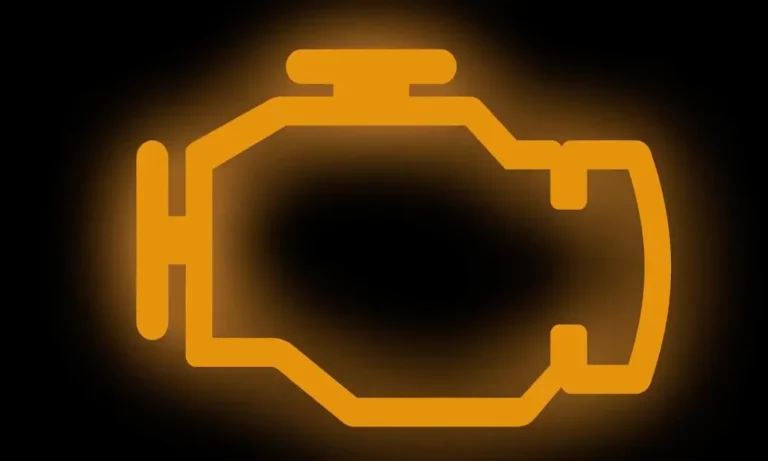
Is that pesky check engine light driving you crazy? You’re looking at your dashboard, wondering if there’s a way to make that annoying orange glow disappear for good. While the temptation to permanently disable your check engine light might be strong, there’s a lot more to consider before taking such a step.
Why Your Check Engine Light Comes On
Your check engine light isn’t just there to annoy you. It’s actually part of your vehicle’s onboard diagnostics (OBD-II) system that’s been mandatory in all cars manufactured since 1996. When something goes wrong with your engine or emissions systems, sensors trigger this light to alert you.
Common reasons your check engine light illuminates include:
- Loose or damaged gas cap
- Faulty oxygen sensor
- Catalytic converter problems
- Spark plug or ignition coil issues
- Mass airflow sensor malfunction
The light serves as an early warning system, potentially saving you from expensive repairs down the road. When it comes on, it’s generating specific trouble codes that mechanics can read to diagnose the problem.
Methods People Use to Disable Check Engine Lights
Some drivers look for ways to permanently turn off their check engine light rather than addressing the underlying issues. Here are methods some people attempt:
1. Software Modifications
Some car enthusiasts try ECU (Engine Control Unit) reconfiguration using specialized tuning tools. These modifications can reprogram your car’s computer to ignore certain fault codes.
Tools like ECUFlash allow users to modify the ECU’s settings to disable bits corresponding to particular diagnostic trouble codes (DTCs). For example, they might target the P0420 code (catalyst efficiency below threshold) by finding the relevant parameter and setting it to “0” to prevent the light from activating for that issue.
This approach requires technical expertise and specialized software, making it popular among car tuning enthusiasts but challenging for average car owners.
2. Physical Removal of the Light
The most direct approach involves physically removing the check engine light component:
- Disassembling the instrument cluster
- Removing the actual bulb or LED that illuminates the check engine warning
- In older vehicles, some even cut traces on the circuit board
For example, in certain Ford Mustang models, removing the cluster reveals a dedicated bulb for the CEL that can be extracted using needle-nose pliers.
3. Fuse Manipulation
Some vehicle owners locate and remove the fuse associated with the instrument panel or engine control module. Fuse boxes are typically located near the battery or in the engine compartment, with layouts varying by manufacturer.
While simpler than ECU modification, this method often disables other critical systems connected to the same circuit, such as the fuel pump or ignition system.
4. OBD-II Scanner Code Deletion
While not truly permanent, using an OBD-II scanner to clear codes temporarily turns off the CEL. However, the light will reappear once the vehicle’s diagnostics system detects the same issue during subsequent drive cycles.
Why Permanently Disabling Your Check Engine Light Is a Bad Idea
Legal Consequences
Tampering with your vehicle’s emissions systems, including the check engine light, is against federal law. The U.S. Clean Air Act prohibits modifying emissions control systems, and penalties can be severe.
All vehicles sold in the U.S. must maintain fully functional OBD-II systems, and disabling the check engine light constitutes a federal offense that can result in hefty fines.
Safety Risks
The check engine light often signals problems beyond just emissions issues:
- Engine misfires that could lead to engine damage
- Transmission problems that might leave you stranded
- Fuel system issues that could create fire hazards
Permanently disabling this warning system removes a crucial safety feature designed to protect both you and your vehicle.
Emissions Testing Failure
Even if you manage to disable the light, your car will likely fail emissions testing. Modern emissions tests check for “readiness monitors” that confirm all systems have completed self-diagnostic cycles.
A vehicle with disabled codes will fail these tests because its OBD-II system reports an “unready” status. Additionally, inspectors often manually verify the CEL’s functionality during testing.
Reduced Resale Value
Disabling your check engine light can significantly decrease your car’s resale value. Potential buyers or dealerships will typically run diagnostics before purchase, and evidence of tampering will be discovered. This not only lowers your car’s value but could also be considered fraud if not disclosed.
Better Alternatives to Disabling Your Check Engine Light
1. Properly Diagnose and Fix the Issue
The most legitimate approach is to address whatever’s causing the light to come on:
- Use an OBD-II scanner to read the error codes
- Research what those codes mean for your specific vehicle
- Determine if you can fix the issue yourself or need professional help
- Make the necessary repairs
- Clear the codes after fixing the problem
Many auto parts stores will scan your codes for free, saving you the cost of a diagnostic tool.
2. Address Common Causes First
Before diving into complex repairs, check these common and often simple issues:
- Tighten or replace your gas cap
- Check and replace dirty air filters
- Inspect for loose connections or damaged wires
- Look for vacuum leaks
These simple fixes often resolve check engine light issues without significant expense.
3. Regular Maintenance
Preventive maintenance is the best way to avoid check engine light problems altogether:
| Maintenance Task | Recommended Frequency | Helps Prevent |
|---|---|---|
| Oil changes | Every 3,000-7,500 miles | Engine damage, sensor failures |
| Air filter replacement | Every 15,000-30,000 miles | Poor fuel economy, engine performance |
| Spark plug replacement | Every 30,000-100,000 miles | Engine misfires, poor performance |
| Fuel system cleaning | Every 30,000 miles | Fuel injector issues, poor combustion |
Following your vehicle’s recommended maintenance schedule can prevent many of the issues that trigger the check engine light.
Understanding Check Engine Light Codes
When your check engine light comes on, it’s storing specific diagnostic trouble codes (DTCs) in the car’s computer system. Each code corresponds to a particular problem:
- P0xxx codes: Generic powertrain codes
- P1xxx codes: Manufacturer-specific powertrain codes
- B0xxx codes: Body system codes
- C0xxx codes: Chassis system codes
- U0xxx codes: Network communication codes
The most common codes include:
| Code | Description | Typical Symptoms |
|---|---|---|
| P0300 | Random/Multiple Cylinder Misfire | Rough idle, hesitation, reduced power |
| P0420 | Catalyst System Efficiency Below Threshold | No noticeable symptoms, possible reduced fuel economy |
| P0171 | System Too Lean (Bank 1) | Rough idle, hesitation, stalling |
| P0455 | Evaporative Emission System Leak | No noticeable symptoms, gas smell |
| P0302 | Cylinder 2 Misfire | Engine vibration, reduced power |
Understanding these codes helps you or your mechanic address the specific problem causing your check engine light to illuminate.
The Cost of Ignoring Your Check Engine Light
Continuing to drive with an illuminated check engine light can lead to more expensive problems:
- A $20 oxygen sensor replacement ignored could lead to a $2,000 catalytic converter replacement
- A simple vacuum leak could cause your engine to run rich, damaging expensive components
- A minor misfire could eventually damage your engine’s valves and pistons
The National Highway Traffic Safety Administration notes that emissions-related issues can significantly impact fuel economy, costing you more at the pump even before repair costs come into play.
When the Light Comes Back On After Resetting
If your check engine light returns shortly after being reset, it means:
- The problem wasn’t actually fixed
- The issue is intermittent but still present
- There might be multiple problems, and you only addressed one
In these cases, a more thorough diagnosis is needed, possibly using a professional-grade scanner that can monitor live data streams from your vehicle’s sensors.
The Difference Between Solid and Flashing Check Engine Lights
Not all check engine lights are created equal:
- Solid light: Indicates a non-emergency problem that should be checked soon
- Flashing light: Signals a severe problem that requires immediate attention
If your check engine light is flashing, pull over when safe and have your vehicle towed to a mechanic. Continuing to drive could cause serious damage to expensive components like your catalytic converter.
Tools You’ll Need to Properly Address Check Engine Lights
Instead of disabling your check engine light, consider investing in tools to help you address the actual issues:
- Basic OBD-II scanner ($25-$100)
- Digital multimeter for testing electrical components ($20-$50)
- Set of screwdrivers and socket wrenches ($50-$100)
- Service manual specific to your vehicle ($20-$50)
With these tools and some research, you can address many common check engine light issues yourself, saving money while keeping your vehicle running properly.
Making Peace with Your Check Engine Light
Rather than pursuing permanent ways to disable your check engine light, consider changing your relationship with it:
- See it as a helpful diagnostic tool rather than an annoyance
- Address issues when they’re small and inexpensive
- Learn basic car maintenance to prevent problems
- Find a trustworthy mechanic for issues beyond your skill level
Your check engine light exists to help maintain your vehicle’s performance, longevity, and compliance with environmental regulations. Embracing its purpose rather than trying to defeat it will serve you better in the long run.
Remember, a properly functioning vehicle without a check engine light is the ultimate goal—achieved not by disabling the light, but by maintaining your car properly.