You’ve seen those Instagram videos—water beading off a car like magic. Your buddy swears his ceramic coating was the best money he ever spent. But you’re staring at a $2,000 quote and wondering if it’s actually worth it. Let’s cut through the marketing fluff and figure out if ceramic coating makes sense for your car and your wallet.
What Ceramic Coating Actually Does
Here’s the deal: ceramic coating is a liquid polymer that bonds with your paint at the molecular level. It’s not sitting on top like wax—it’s creating a chemical bond that turns your car’s surface into a harder, slicker barrier.
The main ingredient is silicon dioxide (SiO2), sometimes mixed with silicon carbide for extra toughness. Professional-grade stuff packs 80% or higher concentrations of SiO2, while DIY kits typically contain 50-60%. That difference matters more than you’d think.
Unlike wax that just sits there looking pretty for a few weeks, ceramic coatings form a semi-permanent protective layer that actually bonds with your factory paint. It creates a hydrophobic surface that makes water run off, keeps dirt from sticking, and blocks UV rays from turning your paint into a faded mess.
But let’s be clear—it’s not permanent. Nothing is. You’ll eventually need to reapply it, though not nearly as often as wax.
The Real Cost of Ceramic Coating
What You’ll Pay a Professional
Professional ceramic coating runs anywhere from $500 to $5,000, and yeah, that range is wild. Here’s why the price jumps around so much.
Your compact sedan? Probably $500-$1,000 for a decent entry-level coating. That massive SUV you just bought? Try $2,500-$5,000 for premium protection. Vehicle size plays a huge role since bigger surfaces need more product and labor time.
Paint condition matters big time. If your car’s paint looks like it survived a sandstorm, you’re paying extra for paint correction before any coating touches your vehicle. We’re talking buffing out scratches, removing swirl marks, and making the surface perfect. That prep work can add hundreds or even thousands to your bill.
The coating brand and quality also drive prices. Professional-grade products cost installers $100-$500 per bottle, while consumer versions run $50-$150. You’re not just paying for the product—you’re paying for expertise, controlled application environments, and warranties that actually mean something.
| Cost Factor | Impact on Price | Why It Matters |
|---|---|---|
| Vehicle Size | $500-$2,500+ difference | More surface area = more product and time |
| Paint Condition | $200-$1,000+ extra | Bad paint needs correction first |
| Coating Quality | $300-$2,000 range | Professional vs. consumer-grade products |
| Warranty Length | Adds $200-$500 | Longer coverage = higher upfront cost |
The DIY Route: Cheaper but Trickier
DIY ceramic coating kits cost $50-$150, which sounds like a screaming deal compared to professional work. Hold up though—that’s just the coating itself.
Add in proper prep supplies, applicators, polishing compounds, and the tools you’ll need, and you’re looking at around $600 total. More importantly, you’re investing 15-20 hours of your life into this project. That’s a full weekend plus change.
Professional applications include expert surface prep, precise application techniques, and warranties ranging from 2-7 years. Pros have specialized equipment, climate-controlled bays for perfect curing, and enough experience to avoid the rookie mistakes that’ll have you stripping everything off and starting over.
How Long Does This Stuff Actually Last?
Professional ceramic coatings last 2-7 years with proper care, and premium applications can push toward a decade. That’s not marketing hype—it’s real-world performance that blows away traditional wax.
Compare that to wax, which needs reapplication every 4-8 weeks. Or paint sealants that last 4-8 months if you’re lucky. Ceramic coating’s longevity is where the value proposition starts making sense.
Real talk though: your coating’s lifespan depends heavily on where you live and how you treat your car. Park outside in a Minnesota winter with road salt everywhere? Your coating’s working overtime. Garage-kept in Southern California? It’ll last longer than the manufacturer’s estimate.
But even under harsh conditions, properly applied ceramic coatings outlast traditional protection by years, not months.
Breaking Down Long-Term Value
Let’s talk money over time, because that initial sticker shock fades when you do the math.
Over five years, traditional wax costs $450-$3,000 when you factor in products and labor (whether you’re doing it yourself or paying someone). A single professional ceramic coating application? That same $500-$3,000 range—but you’re done. One and done for years.
The ceramic coating eliminates those monthly or quarterly wax sessions. No more buying product every few months. No more spending Saturday afternoons applying wax that’ll be gone after a few car washes.
For DIY enthusiasts, the math gets even better. Sure, DIY wax runs $15-50 per application, but multiply that by 60+ applications over five years. Add your time investment—maybe 2 hours per waxing session—and you’re looking at 120+ hours of work versus one 20-hour ceramic coating session.
| Protection Method | Upfront Cost | 5-Year Total Cost | Time Investment |
|---|---|---|---|
| DIY Wax (monthly) | $15-50 | $900-$3,000 | 120+ hours |
| Professional Wax (quarterly) | $75-150 | $1,500-$3,000 | Minimal |
| DIY Ceramic Coating | $600 | $600-$800 | 20 hours |
| Professional Ceramic Coating | $500-$3,000 | $500-$3,000 | None |
What Ceramic Coating Actually Protects Against
Ceramic coatings excel at UV protection, chemical resistance, and making your car stupidly easy to clean. That’s where the value really shows up.
UV rays are paint’s worst enemy. They oxidize and fade your finish permanently over time. Ceramic coating’s hard surface blocks UV damage way better than wax ever could, keeping your paint looking fresh years longer.
Chemical resistance is another win. Bird droppings, tree sap, road salt, and acidic rain? They bead up and slide off instead of etching into your paint. If you’ve ever dealt with bird poop that sat on your car overnight, you know how valuable this is.
The hydrophobic properties create those Instagram-worthy water-beading effects, but they’re not just for show. Water and dirt don’t stick around, which means your car stays cleaner between washes. Less washing means less chance of introducing scratches during cleaning.
The Limitations Nobody Talks About
Ceramic coatings aren’t force fields. Marketing materials love to oversell scratch resistance, but let’s set realistic expectations.
Yes, ceramic coatings resist light scratches and swirl marks better than bare paint. No, they won’t stop a shopping cart, rock chips, or your neighbor’s kid dragging his bike along your door. Physics still applies.
Water spotting can still happen, especially if you live somewhere with hard water. The coating repels water great, but if you let mineral-rich water evaporate on your paint, those minerals stay behind. You’ll still see spots.
The coating’s effectiveness fades over time too. That insane water beading you see in month one? It’ll gradually diminish over the years. Proper maintenance slows this degradation, but it’s inevitable.
Maintenance: Not Zero, But Less
Ceramic-coated cars still need washing every 2-4 weeks. Anyone telling you otherwise is selling something.
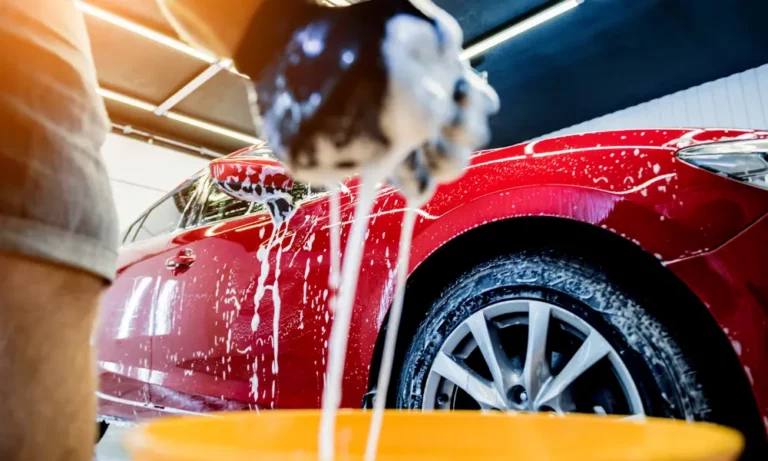
The difference is in the effort required. Dirt slides off easier, so washing takes less time and elbow grease. But you need to use the right techniques—pH-neutral shampoos and proper two-bucket washing methods. Harsh chemicals or automatic car washes with stiff brushes can damage the coating prematurely.
Seasonal maintenance every 3-4 months helps extend coating life. This usually means applying ceramic boosters or maintenance sprays that rejuvenate the hydrophobic properties. Think of it like conditioning leather—you’re maintaining your investment.
Annual professional inspections aren’t mandatory, but they help catch wear spots before they become problems.
The Curing Period Matters
Most coatings need 1-7 days to fully cure, and you can’t mess around during this time. Keep your car dry, away from trees, and definitely don’t wash it.
Some professional applications require up to two weeks for complete curing. That means no rain, no parking under trees where sap might fall, and no touching the surface more than necessary. It’s annoying but crucial for proper bonding.
Who Should Actually Get Ceramic Coating?
Daily drivers in harsh climates get the most bang for their buck. If you’re dealing with intense sun, road salt, or urban pollution, ceramic coating’s protection pays off quickly.
Owners keeping their cars long-term can spread that initial cost over many years. Buy a new car you plan to drive for a decade? Ceramic coating makes financial sense. Trade your car every two years? Probably not worth it.
Car enthusiasts who enjoy detailing but want to reduce maintenance frequency love ceramic coatings. You still get to work on your car during maintenance sessions, but you’re doing it quarterly instead of monthly. The enhanced gloss and water beading effects provide that satisfaction factor that’s hard to quantify but totally real.
People who garage their cars and baby them see excellent results because the coating’s not constantly fighting environmental damage.
When Ceramic Coating Doesn’t Make Sense
Short-term ownership kills the value proposition. Planning to trade your car in 18 months? You won’t recoup the ceramic coating cost, and dealerships don’t care about it enough to boost trade-in values significantly.
Fleet vehicles or work trucks that take daily beatings won’t benefit enough to justify the cost. If your truck’s paint is getting scratched by tools and equipment weekly, ceramic coating can’t prevent that damage.
Owners who won’t maintain proper washing routines should skip it. The coating’s performance depends on regular, correct care. Neglect it, and you’ve wasted money on protection that underperforms.
Budget-conscious owners might find better value in regular waxing if they enjoy the process and have the time. There’s no shame in choosing the traditional route—it works, it’s just more frequent.
Making Your Decision
Ceramic coating’s worth depends on aligning its benefits with your specific situation. It’s not a universal yes or no answer.
For long-term owners seeking reduced maintenance with superior protection, ceramic coatings often justify their cost through years of reliable performance. The technology genuinely preserves paint integrity better than alternatives, which can translate to better resale value down the line.
Set realistic expectations though. Ceramic coatings enhance paint protection significantly but don’t eliminate car care or prevent all damage. They’re a premium protection method, not a magic shield.
Factor in your vehicle’s usage, local weather, maintenance preferences, and budget. Daily driver in harsh conditions that you’re keeping 5+ years? Ceramic coating probably makes sense. Weekend car that lives in a garage? Maybe, if you value aesthetics and reduced detailing effort.
The investment pays dividends in protection, appearance, and reduced maintenance effort—but only if it matches your needs and you’re willing to maintain it properly. Do the math for your situation, be honest about your maintenance habits, and make the call that fits your car ownership style.