You’re staring at your maintenance schedule, wondering if that coolant exchange is just another way for mechanics to drain your wallet. Here’s the deal: skipping this service could cost you thousands in engine repairs. Let’s cut through the confusion and figure out what your car actually needs.
What Coolant Actually Does (It’s More Than You Think)
Your engine coolant isn’t just fancy colored water. It’s a sophisticated fluid that keeps your engine from turning into an expensive paperweight.
Here’s what it does every time you drive. Coolant maintains optimal engine temperature by absorbing heat from combustion and moving it to the radiator. Without it, your engine would overheat faster than you can pull over safely.
The stuff you pour into your radiator is typically a 50/50 mix of ethylene glycol or propylene glycol and water. This combination prevents freezing in winter and boiling in summer. Pretty clever, right?
But there’s more. Modern coolants contain additives that prevent corrosion, lubricate your water pump, and protect metal components from rust and scale buildup. These additives work hard, but they don’t last forever.
Think of coolant additives like vitamins in your system. They include corrosion inhibitors, anti-foaming agents, and pH stabilizers. Over time, heat cycling and combustion byproducts deplete these protective elements. When they’re gone, your cooling system becomes vulnerable.
Why Coolant Goes Bad (And What Happens When It Does)
Fresh coolant looks bright and clean. Old coolant? It’s a different story.
As coolant ages, its chemistry changes. The pH levels shift, making the fluid acidic instead of protective. This acidic coolant starts attacking the very parts it’s supposed to protect—radiator tubes, engine blocks, and water pump seals.
Chemical breakdown happens through normal operation. Every time your engine heats up and cools down, the coolant degrades a little more. Add exposure to combustion gases (from tiny internal leaks), and you’ve got a recipe for trouble.
Contamination builds up too. Rust particles, scale deposits, and debris accumulate in your cooling system’s maze of hoses and passages. These contaminants don’t just sit there—they block coolant flow and reduce heat transfer efficiency.
When coolant turns dark, rusty, or milky, it’s waving a red flag. That discoloration means the protective properties are shot, and you’re running on borrowed time.
Different Coolants, Different Schedules
Not all coolants are created equal. Your replacement schedule depends entirely on which type you’re using.
Traditional Green Coolant (IAT)
This old-school formula was standard for decades. It’s typically green or yellow and uses Inorganic Acid Technology. The catch? You need to replace it every 2-3 years or 30,000 miles.
IAT coolants use sacrificial additives that get consumed during operation. They’re cheaper upfront but require more frequent maintenance. If you’ve got an older vehicle, this is probably what’s in there.
Extended Life Coolant (OAT)
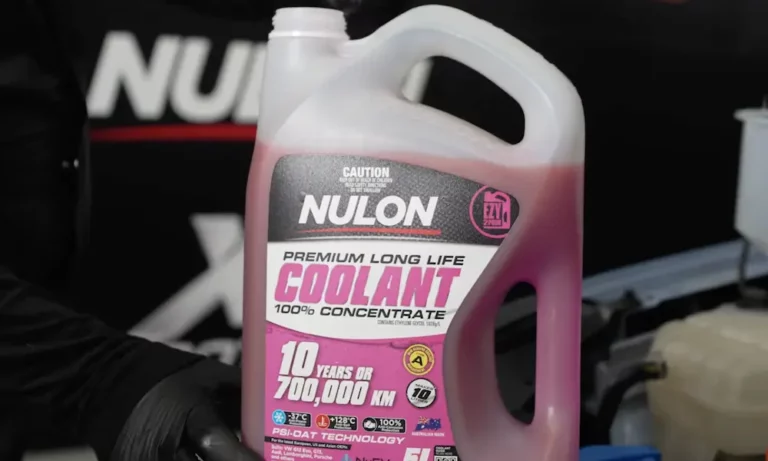
Orange, red, or pink coolant usually means you’ve got Organic Acid Technology. This stuff lasts significantly longer—typically 5-10 years or 100,000-150,000 miles.
OAT coolants use organic acids as corrosion inhibitors and work great with modern aluminum engines. The extended service life makes them popular with manufacturers who want longer maintenance intervals.
Hybrid Coolant (HOAT)
Blue, pink, or yellow coolant might be a Hybrid Organic Acid Technology formula. These combine benefits from both IAT and OAT, usually lasting 5 years or 100,000 miles.
HOAT formulations provide excellent protection for mixed-metal cooling systems. They’re a sweet spot between traditional and extended-life coolants.
What Your Car Manufacturer Actually Recommends
Here’s where it gets specific. Your owner’s manual contains the exact coolant type and replacement interval your engine needs.
Honda recommends their Type 2 blue coolant with replacement intervals extending to 100,000 miles. Toyota uses pink or red super long-life coolant with 100,000-mile intervals for the first change, then 50,000-mile intervals after that.
Mercedes-Benz intervals vary wildly by model—anywhere from 30,000 miles to 150,000 miles depending on your specific engine and coolant technology.
These aren’t random numbers. Manufacturers test extensively to determine what works with their specific engine metallurgy, operating temperatures, and design characteristics. Using the wrong coolant type or ignoring recommended intervals can void your warranty.
Warning Signs You Can’t Ignore
Your car talks to you. You just need to know what to listen for.
Temperature Gauge Running Hot
If your temperature gauge consistently reads higher than normal, degraded coolant is often the culprit. Engine overheating happens when coolant loses its heat transfer efficiency.
Don’t wait until you’re stranded on the highway. That higher-than-normal reading is an early warning.
Coolant Color Changes
Fresh coolant maintains its original color. When it turns dark, rusty, or milky, you’ve got contamination. This discoloration means the protective properties are compromised.
Pop your hood when the engine’s cold and check the overflow reservoir. If it looks like muddy water instead of bright coolant, schedule that exchange.
Sweet Smell from the Engine
Ethylene glycol produces a distinctive sweet smell when heated—kind of like maple syrup. While it might seem pleasant, this odor warns of cooling system problems that need immediate attention.
Heater Acting Weird
Your heater relies on hot coolant circulation. When coolant becomes contaminated or levels drop, you’ll notice inconsistent temperatures or weak airflow. These symptoms often appear before serious overheating problems develop.
Strange Noises
Gurgling, hissing, or bubbling sounds from your cooling system indicate air pockets or restricted flow. These noises suggest blockages or scale buildup from contaminated coolant.
What Happens If You Skip It (Spoiler: It’s Expensive)
Let’s talk about the real cost of neglecting coolant maintenance.
Engine Overheating and Damage
Temperatures beyond normal operating ranges cause metal components to expand excessively. This thermal expansion can warp cylinder heads, blow head gaskets, or crack engine blocks.
Repairs often cost more than routine maintenance—sometimes more than the vehicle’s worth. We’re talking $4,000 to $7,000 or more for complete engine replacement.
Water Pump Failure
Your water pump relies on coolant for lubrication and cooling. When these properties degrade, the pump experiences accelerated wear. Replacing a failed water pump costs significantly more than routine coolant service.
Corrosion Eating Your System
As coolant pH becomes acidic, it attacks metal surfaces throughout your cooling system. This creates rust, scale, and pinhole leaks in radiators, heater cores, and engine blocks.
The damage progresses gradually but inevitably. You might not notice until you’re dealing with leaks, overheating, or complete component failure.
Clogged Radiator and Heater Core
Contaminated coolant deposits scale and debris in the narrow passages of your radiator and heater core. These components rely on unrestricted flow through small tubes for effective heat exchange.
When passages clog, heat transfer efficiency drops dramatically. Component replacement becomes necessary, and neither radiators nor heater cores are cheap to replace.
Professional Service vs. DIY: What Makes Sense?
You’ve got options here. Let’s break down what each approach involves.
What You Get with Professional Service
Professional coolant flush services typically cost between $132-$265, depending on your location and vehicle type. This includes complete system flushing with specialized equipment, proper coolant disposal, and manufacturer-specified coolant.
The advantage? Complete coolant replacement and system cleaning. Unlike simple drain-and-fill procedures that leave up to 50% of old coolant in the system, professional flushing machines remove virtually everything.
Technicians can also perform pressure testing to identify leaks and ensure proper system bleeding to prevent air pockets. These extras matter more than you’d think.
DIY Considerations
DIY coolant exchange offers cost savings but comes with challenges. You’re handling toxic fluids that require proper disposal at certified facilities. Mistakes can introduce air pockets, use incorrect coolant types, or result in incomplete contamination removal.
Coolant spillage can contaminate soil and groundwater. Ethylene glycol is seriously toxic to humans and animals. If you’re not confident handling these safety and disposal requirements, professional service is worth the cost.
The Numbers Don’t Lie: Maintenance vs. Repair Costs
Let’s look at the actual dollars involved.
| Service/Repair | Cost Range |
|---|---|
| Professional Coolant Flush | $132-$265 |
| Head Gasket Replacement | $1,000-$2,000 |
| Radiator Replacement | $300-$900 |
| Water Pump Replacement | $300-$750 |
| Complete Engine Replacement | $4,000-$7,000+ |
The financial justification for regular coolant exchange becomes crystal clear when you compare these numbers. Spending a couple hundred bucks on maintenance beats dropping thousands on repairs.
Component Life Extension
Clean coolant with active protective additives prevents premature wear of water pumps, radiators, and other cooling system components. Vehicles with properly maintained cooling systems routinely achieve over 200,000 miles without major cooling system repairs.
That’s not luck—it’s maintenance paying off.
Resale Value Protection
Regular coolant maintenance helps preserve your vehicle’s value. Buyers view cooling system problems as red flags indicating poor maintenance, potentially slashing resale value significantly.
Maintaining service records for coolant exchange demonstrates proper care and can enhance vehicle value. It’s a small investment that pays dividends when you sell.
What’s New in Coolant Technology
The coolant in modern cars is way more sophisticated than what your dad used.
Nano-Fluid Coolants
Recent innovations incorporate nanoparticles to enhance thermal conductivity by up to 30%. These advanced formulations provide superior heat transfer in high-performance applications with more uniform temperature distribution.
They’re particularly useful in turbocharged engines and high-performance vehicles that generate intense heat.
Smart Cooling Systems
Modern vehicles increasingly integrate sensors and electronic controls for dynamic temperature management. These systems monitor coolant temperature, pressure, and flow rates continuously.
IoT connectivity enables predictive maintenance and early detection of cooling system issues. Your car can literally tell you when service is needed.
Environmental Improvements
Modern coolant development emphasizes environmental compatibility and extended service intervals. Phosphate-free formulations reduce environmental impact while maintaining excellent corrosion protection.
The trend continues toward longer service intervals, with some modern coolants approved for up to 300,000 miles or 10 years under optimal conditions. However, these extended intervals require strict adherence to manufacturer specifications.
Your Action Plan: What to Do Right Now
Don’t just close this tab and forget about it. Here’s what you should do.
First, check your owner’s manual for specific coolant type requirements and replacement intervals. These vary significantly between manufacturers and models.
Second, pop your hood when the engine’s cold and inspect your coolant. Look at the color in the overflow reservoir. If it’s dark, rusty, or milky instead of bright and clean, schedule service.
Third, check your maintenance records. When was the last coolant exchange? If you can’t remember or it’s been more than the recommended interval, it’s time.
Fourth, watch for warning signs: temperature gauge running hot, heater problems, sweet smells, or unusual noises from the engine compartment.
If you notice any of these issues, don’t wait. A professional assessment can determine coolant condition and recommend appropriate service based on your individual driving conditions.
Is coolant exchange necessary? Absolutely. The evidence overwhelmingly supports regular coolant replacement based on manufacturer recommendations. Modern engines operate at higher temperatures and pressures than previous generations, making effective cooling system maintenance more critical than ever.
The investment in proper coolant maintenance pays dividends through extended engine life, improved reliability, and prevention of expensive repairs. It’s not just necessary—it’s one of the smartest maintenance decisions you can make for your vehicle.