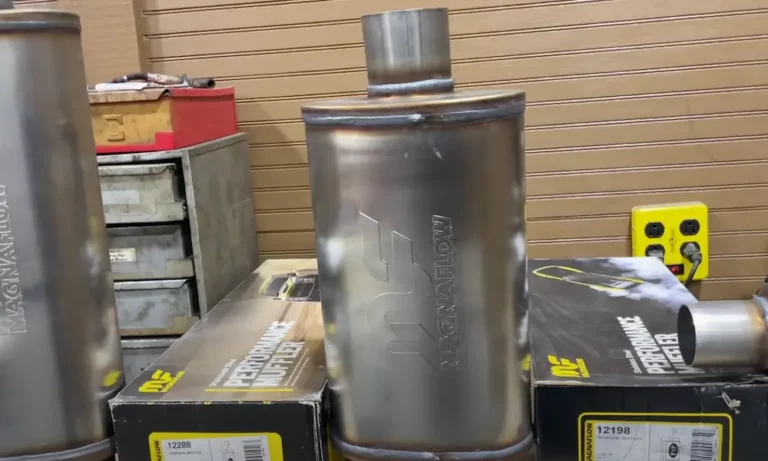
Picking between Magnaflow and Flowmaster exhausts can feel overwhelming. These two top brands offer different benefits that might work better for your specific vehicle and needs.
The main difference lies in their design – Magnaflow uses a straight-through design with perforated cores, while Flowmaster uses a chambered design, giving each a unique sound and performance profile.
You’ll discover which system matches your goals, whether you’re looking for pure performance, the perfect sound, or the best value for your money. Let’s explore what makes each brand special and help you make the right choice for your ride.
Magnaflow vs. Flowmaster: An Overview
Both Magnaflow and Flowmaster make top-quality exhaust systems with distinct sound profiles and performance benefits. Your choice between these two brands will depend on your preferred exhaust tone and driving style.
Brand History and Reputation
Magnaflow started in 1981 in California, building a strong name with their straight-through muffler designs. The brand focuses on smooth, deep exhaust tones that won’t disturb your daily drives.
Flowmaster began their journey in 1983, also in California. They created the chamber-style muffler design that gives their products a unique, aggressive sound.
Both companies have earned trust from car enthusiasts and racers. You’ll find their products on everything from daily drivers to high-performance racing vehicles.
Key Product Offerings
Magnaflow specializes in straight-through muffler designs with stainless steel construction. Their mufflers use a perforated core wrapped in acoustic material for deep, consistent sound.
Flowmaster’s main products feature their patented chamber design. You can choose from different series that offer varying sound levels:
- 40 Series: Bold, aggressive tone
- 50 Series: Moderate sound
- 80 Series: Quieter option for luxury vehicles
Both brands offer complete exhaust systems, including:
- Headers
- Catalytic converters
- Pipes
- Tips
Exhaust System Fundamentals
Your car’s exhaust system needs both proper flow and scavenging to work at its best. These two factors make a huge difference in how well your engine performs and how much power it makes.
Understanding Exhaust Flow
Your exhaust system moves hot gases away from the engine through the exhaust pipes. Good exhaust flow helps your engine breathe better and make more power.
The size of your exhaust pipes plays a big role. Pipes that are too small create unwanted backpressure that robs power. Pipes that are too big can slow down the exhaust gases too much.
Think of exhaust flow like breathing through a straw. A very thin straw makes it hard to breathe, while one that’s too wide doesn’t create enough suction.
Importance of Exhaust Scavenging
Exhaust scavenging helps pull spent gases out of your engine’s cylinders. When one cylinder’s exhaust pulse exits, it creates a vacuum effect that helps empty the next cylinder.
Modern exhaust systems use special pipe lengths and diameters to improve scavenging. Good scavenging lets your engine:
- Pull in more fresh air
- Burn fuel more efficiently
- Make more power
- Run cooler
The right pipe design helps create this scavenging effect. Headers and collectors work together to time these pulses perfectly.
Comparative Analysis
When choosing between Magnaflow and Flowmaster, key differences in design, sound, and build quality affect how each system will perform on your vehicle.
Performance and Horsepower
Magnaflow’s straight-through design allows for better exhaust flow, which can give you slightly more horsepower gains. The unrestricted path helps reduce back pressure.
Flowmaster uses a chambered design that creates more resistance. While this might slightly reduce peak horsepower, it helps create their signature aggressive sound.
Both brands will give you noticeable torque improvements in the mid-range RPMs. Your actual performance gains will depend on your specific vehicle and other modifications.
Sound Level Comparisons
Flowmaster produces a deeper, more aggressive growl that you’ll definitely notice when accelerating. The chambered design creates a distinct muscle car rumble.
Magnaflow gives you a smoother, more refined tone. The straight-through design with acoustic packing material helps reduce drone during highway cruising.
Your sound preference is personal – Flowmaster if you want loud and bold, Magnaflow if you prefer mellower tones.
Material and Construction
Both brands use high-grade stainless steel for excellent durability. The main difference is in their internal design:
Magnaflow:
- Straight-through perforated core
- Stainless steel wool packing
- Continuous welded seams
Flowmaster:
- Multi-chamber design
- Internal steel baffles
- No packing material needed
The welded construction on both ensures no leaks or rattles. You’ll get a lifetime warranty with either brand.
Design Differences
The main design difference between these two brands comes down to how they handle exhaust flow – each using a distinct approach that creates unique performance characteristics and sound profiles.
Magnaflow’s Straight-Through Design
Magnaflow mufflers use a straight-through design with a perforated core wrapped in stainless steel wool. This simple layout lets exhaust gases flow directly through the muffler.
The straight path creates less restriction, which can help your engine breathe better. Your exhaust gases move more freely, potentially giving you better performance gains.
The perforated core has thousands of tiny holes that work with the steel wool packing to filter out harsh noise frequencies. This creates a deep, consistent tone that many drivers love.
Flowmaster’s Chambered Mufflers
Flowmaster uses a chambered design that directs exhaust through multiple chambers. Each chamber is carefully engineered to tune the sound.
The chambers create a controlled path for exhaust gases. This design uses the principle of scavenging – where pressure waves help pull exhaust gases out more efficiently.
Your exhaust flows through different sized chambers that work together to cancel out unwanted frequencies. This gives you that distinctive aggressive muscle car sound that Flowmaster is famous for.
The chambered design helps manage heat better by spreading it across multiple surfaces. You’ll get good thermal protection, which is especially important for high-performance applications.
Installation & Maintenance
Both exhaust brands offer great long-term value with proper installation and care. You’ll want to consider a few key factors before making your choice.
Ease of Installation
Magnaflow products come with clear instructions and bolt-on designs that make DIY installation possible for many vehicle owners. The parts typically align well with factory mounting points.
Flowmaster mufflers also feature bolt-on designs, but some models may need additional modifications depending on your vehicle. You might need professional installation for complex setups.
Installation Tips:
- Always use new gaskets and hardware
- Check for proper clearance before final mounting
- Consider having a lift or jack stands ready
- Take photos of your stock system before removal
Warranty and Durability Considerations
Both brands protect your investment with solid warranty coverage. Magnaflow offers a lifetime warranty on many of their products, covering manufacturing defects and material issues.
Flowmaster provides similar warranty protection for their mufflers and complete systems. The exact coverage varies by product line.
Key Durability Features:
- Stainless steel construction
- Welded seams for leak prevention
- Corrosion-resistant coatings
- Heavy-duty mounting brackets
Regular inspections help spot potential issues early. Check for loose clamps, rust spots, or unusual noises every few months.
Performance Enhancements
Both exhaust systems can boost your vehicle’s power output and efficiency through improved airflow design. The real differences show up in independent testing and daily driving results.
Dyno Test Results
Independent dyno testing shows MagnaFlow systems typically add 8-12 horsepower, while Flowmaster systems add 6-10 horsepower on average.
MagnaFlow’s straight-through design allows for smoother exhaust flow, which helps achieve slightly higher peak power numbers.
Flowmaster’s chambered design creates more backpressure but still delivers solid performance gains, especially in the mid-range RPMs where you need it most for daily driving.
Fuel Efficiency and Torque
Your engine can breathe easier with either system, leading to better fuel economy. MagnaFlow systems tend to provide more consistent torque gains across the power band.
You’ll see around 1-2 mpg improvement in fuel efficiency with both brands when properly installed.
Flowmaster’s design excels at low-end torque, giving you better acceleration from a stop. The trade-off is slightly less top-end power compared to MagnaFlow.
The chambered design helps maintain good low-RPM performance without sacrificing too much fuel economy.
Sound Characteristics
The sound from your exhaust system makes a big difference in how your car feels and performs. Each brand creates different tones that match different driving styles and preferences.
Performance Sound Profiles
Flowmaster systems produce an aggressive, deep growl that you’ll notice right away. Your car will have that classic muscle car rumble that turns heads at stoplights.
Magnaflow delivers a smoother, more refined sound that won’t overwhelm your daily drive. You’ll enjoy a rich tone without the loud drone during highway cruising.
The volume difference is noticeable. Flowmaster tends to be louder and more intense, while Magnaflow keeps things more controlled and balanced.
Creating a Signature Exhaust Note
Flowmaster uses chamber designs with metal plates to shape the sound waves. Your exhaust note stays consistent from day one.
Magnaflow relies on perforated stainless steel tubing packed with sound-dampening material. The tone takes about 400 miles to fully develop as the packing material settles in.
You can fine-tune your sound by choosing different series within each brand. Both companies offer various models ranging from mild to wild to match your preferred volume and tone.
Think about where you drive most often. A louder Flowmaster might be perfect for weekend cruising, while a mellower Magnaflow could better suit your daily commute.
Conclusion
Both MagnaFlow and Flowmaster make great exhaust systems with some key differences to consider. Your choice depends on what matters most to you.
Pick MagnaFlow if you want straight-through airflow design with a deeper, consistent sound. These work really well if you’re looking to boost your truck’s horsepower.
Choose Flowmaster if you prefer a chambered design with an aggressive, muscle car growl. These are perfect if you want that classic hot rod sound.
Your driving style and vehicle type play a big role too. If you spend lots of time on highways, MagnaFlow’s smoother tone might be more comfortable. For city driving or showing off your ride, Flowmaster’s bold sound could be just what you want.
Remember, there’s no wrong choice between these two trusted brands. Both will give you better performance and an improved sound – it just comes down to your personal taste and needs.