Got a 3126 CAT under your hood and something feels off? You’re in the right place. This engine has a split reputation — rock solid for some, a money pit for others. The difference usually comes down to a handful of known issues that are totally manageable if you know what to look for. Read to the end and you’ll know exactly what to watch.
What Makes the 3126 CAT Engine Tick (and What Makes It Fail)
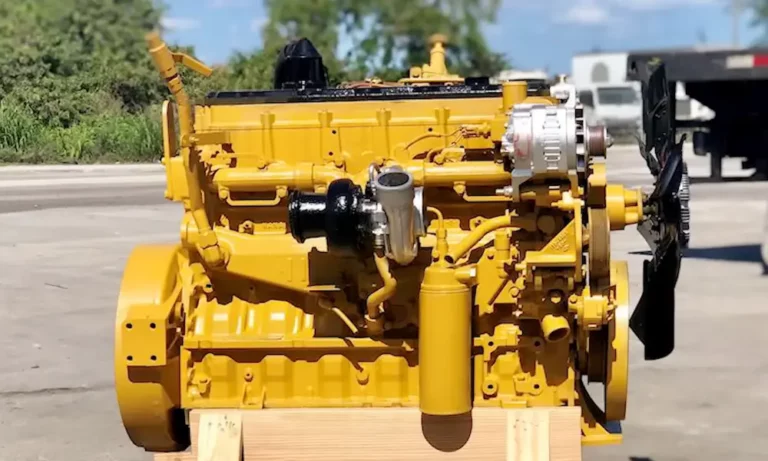
The Caterpillar 3126 hit the market in 1995. It replaced the 3116 and brought a 7.2-liter inline-six engine to medium-duty trucks, school buses, RVs, and marine vessels. CAT built three versions: the base 3126, the 3126B (1998), and the 3126E (2002).
| Variant | Fuel System | ECM Type | Power Range |
|---|---|---|---|
| 3126 | Mechanical/HEUI | ADEM 2 (40-pin) | 170–300 HP |
| 3126B | HEUI | ADEM 3 (70-pin) | 175–330 HP |
| 3126E | HEUI | ADEM 3 (70-pin) | Up to 330 HP |
The 3126B brought a three-valve cross-flow cylinder head and better electronics. The 3126E refined the emissions strategy. But across all three, the same weak points keep showing up.
The Biggest 3126 CAT Engine Problems You’ll Face
1. HEUI System Failures: The Core Issue
This is the one that catches most owners off guard. The 3126 uses a Hydraulic Electronic Unit Injection (HEUI) system — it uses pressurized engine oil (500–4,000 psi) to fire the fuel injectors instead of a traditional mechanical cam.
That’s clever engineering. It also means your fuel system and lubrication system are deeply connected. Dirty oil doesn’t just wear out bearings — it destroys your injectors.
Here’s the ugly part: When the High-Pressure Oil Pump (HPOP) starts wearing out internally, it releases metal particles into the high-pressure oil rail. That rail feeds all six injectors simultaneously. One failing HPOP can wipe out all six injectors at once.
Signs your HEUI system is struggling:
- Hard starts, especially when the engine is warm
- Rough idle or misfires under load
- Black or white smoke from the exhaust
- Low power with no obvious mechanical cause
- ECM fault code 164-11 (injection actuation pressure fault)
Common HEUI fault codes to know:
| Code | What It Means | Likely Cause |
|---|---|---|
| 164-00 | Injection pressure too high | Stuck IAPCV or faulty regulator |
| 164-02 | Erratic injection pressure | Air in oil system or bad sensor |
| 164-11 | Injection actuation pressure fault | HPOP failure or high-pressure leak |
| 100-01 | Low oil pressure | Worn oil pump or bearing failure |
| 110-00 | High coolant temperature | Cooling system restriction |
The fix starts with clean oil. Use high-quality oil, change it every 6,000–8,000 miles, and don’t skip the filter. Some techs also install a secondary filter on the high-pressure oil line as extra protection — CAT never made it standard, but it’s a smart upgrade.
2. Valve Train Neglect: The Silent Engine Killer
The 3126 needs manual valve lash adjustments. This isn’t optional — it’s critical. Here’s why it matters more on this engine than most.
As the engine runs, valves gradually recede into the head. The clearance (lash) tightens. When lash gets too small, valves won’t seal fully during combustion. Hot gases burn past the valve seat, destroying it. That’s a burnt valve.
But the 3126 takes this a step further. Skip the valve adjustment long enough, and the camshaft lobes start shredding. Once the hard surface of a cam lobe breaks down, metal fragments pour into the engine oil. Those fragments hit the HPOP and the main bearings. At that point, you’re not fixing a valve — you’re replacing an engine.
CAT’s required adjustment schedule:
- First adjustment: At your first oil change (~30,000 miles for trucks, 250–1,000 hours for marine)
- After that: Every 100,000 miles or 3,000 hours
Don’t skip this. It’s a straightforward job that costs a few hundred dollars. Ignoring it can cost you the engine.
3. The Parent Bore Problem: Why Rebuilds Are So Expensive
Unlike heavy-duty CAT engines (like the 3406), the 3126 uses a parent bore block. There are no removable cylinder liners. The pistons run directly against the machined cast-iron block walls.
What that means in practice:
- If a cylinder wall gets scored or damaged, the engine must come out of the vehicle for machine shop work
- You can’t do an in-frame rebuild like you can with a 3406
- A dropped valve — where a valve breaks and falls into the cylinder — usually means a total engine replacement
Many in the industry call the 3126 a “throwaway” engine for this reason. That’s a bit harsh, but the point stands: major internal damage is expensive to repair.
What causes cylinder damage:
- Running dirty or low oil
- Overheating events
- Improper break-in period
- Dropped valves from missed valve adjustments
4. The “French Block” Foundry Defect
Early 3116 and some early 3126 engines came from a French foundry (FAPS — Foundry and Aciéries of Paris-Seine) with known casting defects. Blocks from this batch were too soft or prone to cracking. Failures typically showed up within the first 300 hours of operation.
Symptoms included:
- External coolant leaks
- Internal cracks between oil and coolant passages
- Premature cylinder bore wear
CAT handled most of these through recalls. If you’re buying a used 3126, check the serial number prefix. Prefixes like 1ZJ, 7AS, and 8YL identify specific production runs. A good diesel technician can tell you if your engine falls within a suspect build window.
The practical risk today is low — most defective blocks failed years ago. But it’s worth knowing when you’re evaluating a used engine.
5. Cooling System Failures and Overheating
The 3126 runs hot by design, and its parent bore block is unforgiving when temperatures spike. A single severe overheating event can warp the cylinder head or blow the head gasket.
What to watch for:
| Temperature Range | What Happens |
|---|---|
| 195°F–210°F | Normal operating range |
| 200°F–215°F | Engine fan engages |
| 220°F+ | ECM begins power derate |
| Severe overheat | Head gasket failure, cracked head |
| Critical overheat | Spun bearings, seized piston |
Common cooling system culprits:
- Failing water pump: Belt-driven, loses efficiency as the impeller wears. Seal leaks are an early warning sign
- Stuck thermostat: Even partially stuck closed causes overheating under load
- Missing fan shroud: Directs airflow around the radiator instead of through it — a surprisingly common mistake
- Marine aftercoolers: Salt buildup and failed zincs let seawater into the combustion chamber
Signs of a blown head gasket include white exhaust smoke, bubbling in the radiator overflow, and a milky appearance in your oil.
6. Sensor and ECM Issues
The 3126B and 3126E use the ADEM 3 ECM with a 70-pin connector. The original 3126 used a 40-pin ADEM 2 unit. They’re not interchangeable without an adapter harness.
The ECM depends on several sensors to manage injection timing, fuel delivery, and engine protection. When these fail, the results range from annoying to engine-damaging.
Key sensors that cause the most trouble:
- Crankshaft and camshaft position sensors — If one fails, you get intermittent stalls. If both fail, the engine won’t start. Symptoms include random misfires and stalling
- Injection Actuation Pressure (IAP) sensor — Feeds the ECM data on oil rail pressure. A bad reading throws the HEUI system into chaos and often triggers code 164-11
- Coolant temperature sensor — A faulty reading here causes the ECM to derate power unnecessarily or fail to protect the engine when it actually overheats
- Boost pressure sensor — Bad data from this sensor causes significant power loss. The ECM limits fuel to match the (incorrectly) low air readings it’s seeing
Sensors on this engine are exposed to heat, oil contamination, and vibration. Corroded connectors create “phantom” faults that are hard to diagnose without a CAT ET (Electronic Technician) scan tool.
7. Oil/Fuel Cross-Contamination
This one is closely related to HEUI system health. When the internal injector seals fail, fuel leaks into the engine oil. Thin, fuel-diluted oil wears out crankshaft and camshaft bearings fast.
The reverse also happens: oil leaks into the fuel side, clogs fuel filters, and damages injector tips.
In marine applications, failed copper injector cups (sleeves) add another failure mode. These sleeves separate fuel from engine coolant inside the head. When they fail, you can end up with coolant in the combustion chamber or fuel in the coolant.
A simple check: Pull your oil dipstick. If it smells like diesel or looks unusually thin, you’ve likely got fuel dilution. Milky or frothy oil points to coolant contamination. Both need immediate attention.
8. Fan Hub and Accessory Failures
This one gets overlooked until it isn’t. The fan hub bearing supports a heavy engine fan under constant heat and vibration. Skip the grease intervals and it can seize, flinging the fan into the radiator.
Idler pulleys typically start failing around 300,000–400,000 miles. A broken serpentine belt from a seized pulley means an immediate loss of the water pump and alternator. The engine overheats fast.
Basic accessory maintenance intervals:
| Component | Action | Interval |
|---|---|---|
| Valve lash | Inspect/adjust | 30k miles, then every 100k |
| Fan hub bearing | Grease | Every PM interval |
| Idler pulleys | Inspect/replace | 300k–400k miles |
| Water pump | Check for leaks | Every 2,000–3,000 hours |
| Belts | Tension/wear check | Every oil change |
How Much Does It Cost to Fix a 3126 CAT Engine?
A full remanufactured 3126 long block typically runs $10,500–$15,000 depending on HP rating and whether the turbo and HEUI system are included. For older vehicles, that cost can approach or exceed the vehicle’s value.
That’s why prevention matters so much with this engine. HPOP replacement, injector sets, and machine shop work on a damaged parent bore block add up quickly.
Some owners in the expediting world — where trucks can top 125,000 miles per year — run oil changes every 6,000 miles and use block heaters to minimize cold-start wear. That level of maintenance keeps the HEUI system healthy and avoids the catastrophic repair bills.
Keep Your 3126 Running: The Short List
Here’s what actually separates owners who get 500,000+ miles from those who don’t:
- Change oil every 6,000–8,000 miles. Use quality filters. The HEUI system depends on it.
- Do valve lash adjustments on schedule. First one at 30,000 miles, then every 100,000 miles.
- Keep the cooling system in top shape. Check the thermostat, inspect the water pump, and don’t run without the fan shroud.
- Use a scan tool regularly. Catching a 164-11 or sensor fault early is cheap. Ignoring it isn’t.
- Check your oil for contamination. Milky or thin oil is a red flag that needs action immediately.
- Verify the serial number before buying used. Know your production run and watch for the suspect French block vintages.
The 3126 CAT engine isn’t a bad engine — it’s a demanding one. Treat it right, and it’ll work hard for a long time. Let maintenance slide, and the repair bills will find you fast.