Got a Chevy that’s ticking, burning oil, or throwing mystery codes? You’re probably dealing with one of several well-documented Chevrolet engine problems that affect thousands of owners. This guide breaks down exactly what’s going wrong, why it happens, and what you can do about it — engine by engine.
The AFM Lifter Problem: Chevy’s Most Common Engine Failure
If you own a Chevy V8 truck or SUV built after 2007, this is the issue most likely to cost you serious money.
Active Fuel Management (AFM) shuts down four cylinders during light driving to save fuel. Sounds smart. The problem? The specialized collapsible lifters that make it work are notoriously fragile.
Here’s what happens step by step:
- The lifter’s internal locking pin gets stuck or collapses permanently
- That cylinder stops firing — you get a misfire
- The dead lifter grinds against the camshaft lobe
- Metal shavings circulate through your entire oiling system
- You’re now looking at a full engine replacement, not a simple repair
How to Spot a Failing AFM Lifter Early
The early warning signs follow a predictable pattern:
- A metallic ticking sound at cold starts that fades once the engine warms up
- Check engine light with codes P0300, P0301, P0304, P0306, or P0307
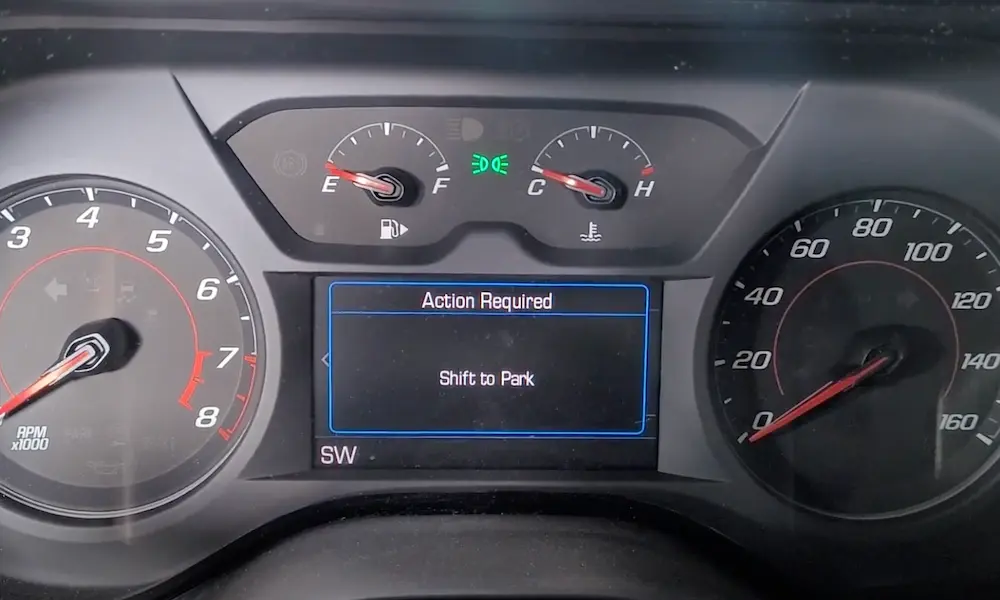
- “Service StabiliTrak” or traction control warnings on your dashboard
- Engine entering limp mode — power drops dramatically while driving
That StabiliTrak warning isn’t random. When a lifter fails, torque delivery becomes uneven, and the stability system can’t predict vehicle behavior anymore. It panics — and so should you.
AFM vs. DFM: Did the Newer System Fix Anything?
In 2019, GM replaced AFM with Dynamic Fuel Management (DFM). Instead of toggling between 4 and 8 cylinders, DFM uses 17 different firing patterns and can run on as few as two cylinders.
The result? More failure points, not fewer.
| System | Cylinders Deactivated | Collapsible Lifters | Reported Failures |
|---|---|---|---|
| AFM (pre-2019) | 4 of 8 | 8 lifters | Widespread across 2007–2018 V8s |
| DFM (2019+) | Up to 6 of 8 | All 16 lifters | Failures reported under 20,000 miles |
DFM vehicles — including 2021 through 2024 models — have seen catastrophic lifter failures at shockingly low mileage. The fundamental problem, the collapsible lifter design, didn’t change. GM just added more of them.
The Fix: Disabler or Full Delete?
You’ve got two real options here:
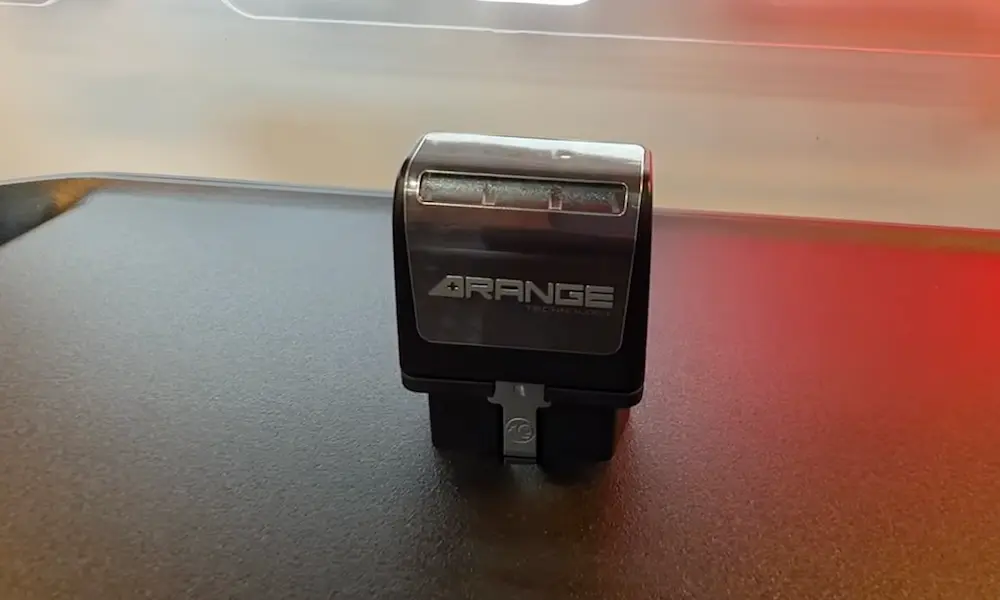
Electronic AFM/DFM Disabler — Plugs into your OBD-II port and tells the ECU to stop deactivating cylinders. It’s fully reversible, no teardown needed, and costs around $50–$150.
Mechanical Delete Kit — Technicians swap out all the collapsible lifters for standard hydraulic lifters, install a new camshaft and valley cover, then flash a tune to remove AFM from the software. This is the permanent fix. It’s expensive — typically $2,000–$4,000 in labor and parts — but it eliminates the problem entirely.
The 6.2L V8 L87 Manufacturing Defect: A Different Kind of Disaster
This one isn’t a design flaw. It’s a manufacturing defect — and it’s arguably more dangerous.
The 6.2L V8 (L87) found in 2021–2024 Silverados, Tahoes, Suburbans, and Cadillac Escalades contains connecting rod and crankshaft components produced out of specification. When tolerances are wrong, bearings don’t get the oil film they need. Metal meets metal. Engines seize — sometimes violently.
Owners describe hearing a loud boom followed by complete power loss. In some cases, a connecting rod punches straight through the engine block.
| Affected Model | Engine | Reported Incidents | Primary Risk |
|---|---|---|---|
| Chevrolet Silverado 1500 | 6.2L V8 L87 | 28,102 failures | Loss of propulsion at highway speed |
| Chevrolet Tahoe/Suburban | 6.2L V8 L87 | 14,332 cases | Failure while towing |
| GMC Sierra 1500 | 6.2L V8 L87 | 42 fire incidents | Block penetration and oil leaks |
| Cadillac Escalade | 6.2L V8 L87 | 12 alleged crashes | Stalling in traffic |
GM’s Recall Fix — And Why It’s Controversial
GM launched Recall Campaign N252494001 in April 2025. The fix? Switch from 0W-20 oil to thicker 0W-40 full synthetic.
The idea is that thicker oil creates a bigger protective barrier to compensate for the out-of-spec components. Critics — including legal plaintiffs and NHTSA investigators — argue this doesn’t fix the defective metal. It just masks it temporarily.
As of early 2026, NHTSA opened a secondary inquiry after owners reported engine failures even after receiving the updated oil. A consolidated class-action lawsuit now claims the replacement engines GM provided contain the same defects as the originals.
If you own one of these trucks and haven’t taken it in for the recall, do it now. And document everything.
2.4L Ecotec: The Oil Burner That Destroys Its Own Timing Chain
The 2.4L Ecotec engine in 2010–2017 Chevrolet Equinox and Malibu models has two problems that feed each other. Fix neither one, and you’ll eventually destroy the engine.
Why It Burns So Much Oil
The piston rings in the 2.4L are undersized and under-tensioned. GM used low-tension rings to reduce friction and improve fuel economy. Unfortunately, those rings can’t scrape oil off the cylinder walls effectively as they age. Oil slips past them and burns in the combustion chamber.
The engine also uses piston cooling jets that spray oil on the underside of each piston. Because the rings are already failing to seal, this extra oil just adds to the problem.
The Berman v. General Motors lawsuit revealed something particularly troubling: GM reportedly reprogrammed the oil life monitoring system to shorten oil change intervals. The alleged goal was to reduce warranty claims by ensuring more frequent service, which would hide how fast these engines were actually burning through oil.
How Oil Consumption Kills the Timing Chain
Here’s the chain reaction:
| Failure Phase | Mechanical Cause | Symptom You’ll Notice |
|---|---|---|
| Phase 1 | Defective piston rings allow oil burn | Blue exhaust smoke, low dipstick reading |
| Phase 2 | Oil volume drops, pressure decreases | Ticking from top end, oil pressure warnings |
| Phase 3 | Hydraulic tensioner loses pressure | Chain rattle at idle and under load |
| Phase 4 | Chain elongates, tensioner collapses | Rough idle, stalling, no-start condition |
The timing chain tensioner runs on oil pressure. When the engine burns oil, pressure drops. The chain starts slapping around. Left alone, the chain slips or snaps — and the pistons collide with the valves. Total engine destruction follows.
Check your oil every 1,000 miles if you own one of these. Not every 5,000. Every 1,000.
1.4L Ecotec Turbo: Plastic Parts and a PCV System That Self-Destructs
The 1.4L turbo in the Chevrolet Cruze and Sonic is a compact engine packed into a tight space with a heavy reliance on plastic components in places they really shouldn’t be.
The Plastic Cooling System Problem
The thermostat housing and water outlet are made from plastic that cracks along its seams as it ages. You’ll notice an antifreeze smell inside the cabin first, then intermittent overheating. If you catch it early, an aftermarket aluminum replacement costs around $30–$80 and solves the problem permanently.
Don’t ignore it. A small coolant leak becomes a warped cylinder head faster than you’d expect.
The PCV Valve That Wrecks Your Engine From the Inside
The 1.4L uses a PCV check valve built into the intake manifold. When it fails — and it does — boost pressure from the turbo enters the crankcase. That overpressure blows out the valve cover diaphragm and forces oil past seals, especially at the front crankshaft.
Here’s a quick diagnostic trick: if you hear a high-pitched chirping at idle and it disappears when you pull out the oil dipstick, you’ve got a PCV failure. Air is being sucked into the crankcase because of the vacuum leak the failed valve created.
2.7L Turbo (Silverado Turbomax): Carbon Buildup and Fuel System Failures
The 2.7L turbo four-cylinder is GM’s attempt to deliver V8 torque with better fuel economy. It’s generally more durable than the smaller Ecotecs, but it’s not without issues.
Direct Injection = Carbon Buildup on Valves
Because fuel sprays directly into the combustion chamber — not over the intake valves — oil vapors bake onto those valves unchecked. Over time, hard carbon deposits restrict airflow, reduce power, and can cause misfires when chunks break off and prevent valves from sealing.
The solution most professionals recommend is installing an oil catch can in the PCV line. It traps oil vapors before they reach the intake. Walnut blasting can clean existing deposits, but a catch can prevents them from coming back.
High-Pressure Fuel Pump and Turbo Wastegate Failures
Some 2.7L owners have dealt with high-pressure fuel pump failures that cause stalling at idle or refusal to start. Others report turbocharger wastegate sticking — you’ll hear erratic whistling from the engine bay and notice inconsistent power delivery, especially under load.
If your Silverado 2.7 is running rough, these two components are worth inspecting early.
The $150 Million Settlement You Should Know About
In late 2025, a landmark $150 million settlement was finalized in Siqueiros et al. v. General Motors. It covered excessive oil consumption in 5.3L V8 engines from 2011–2014 Silverados, Tahoes, Suburbans, and Avalanches.
If your vehicle qualifies, payouts range from $2,149 to over $3,300 depending on your state. Check gmenginelitigation.com to see if you’re eligible.
The case went to trial — and evidence suggested GM knew about the piston defect and didn’t disclose it to buyers.
Maintenance Habits That Actually Help
You can’t always prevent Chevrolet engine problems, but you can slow them down significantly.
- Change your oil every 5,000 miles — don’t trust the oil life monitor on AFM/DFM engines. Dirty oil is the primary accelerant for lifter failure and timing chain wear.
- Install an oil catch can on any direct-injection or turbocharged engine to protect intake valves from carbon buildup.
- Use an AFM/DFM disabler on V8 trucks if you’re not ready for a full mechanical delete. It’s cheap insurance against a $5,000+ repair.
- Replace plastic cooling components with aluminum on the 1.4L Ecotec before they crack, not after.
- Check your oil level regularly on the 2.4L Ecotec — low oil in that engine starts a failure chain that ends with timing system damage.
If you own a 2021–2024 Silverado, Tahoe, Suburban, or Escalade with the 6.2L V8, confirm your recall status through NHTSA’s vehicle lookup tool and document every service visit. That paper trail matters if your engine fails after the recall repair.