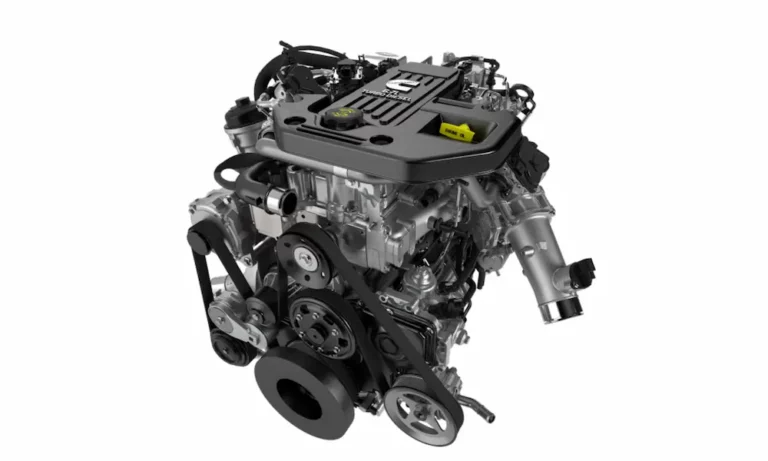
Your 6.7 Cummins deserves the best protection, and choosing the right oil isn’t just about what’s on sale. Get this wrong, and you’re looking at costly repairs, clogged filters, and shortened engine life. This guide cuts through the confusion and tells you exactly what your diesel powerhouse needs.
What Oil Does a 6.7 Cummins Take?
The correct 6.7 Cummins oil type depends on your model year and climate. For 2007-2018 models, you’ll want 15W-40 for temperatures above 0°F. If you’re in colder climates, switch to 5W-40 synthetic.
Newer trucks (2019+) need different specs. The recommendation shifts to 10W-30 for warmer weather and 5W-40 synthetic when the thermometer drops below zero.
But here’s what really matters: your oil must meet API CJ-4 or CK-4 standards. These aren’t just letters and numbers—they’re the difference between proper protection and premature wear. The CK-4 spec (introduced in 2016) offers better oxidation resistance and shear stability than the older CJ-4 standard.
Cummins also requires oils meeting their CES 20081 specification, which limits sulfated ash content to protect your diesel particulate filter from clogging.
How Much Oil Does a 6.7 Cummins Hold?
You’ll need 12 quarts for a complete oil change with filter replacement. This applies to most model years from 2007.5 through current production.
Don’t just dump in 12 quarts and call it done. Check your dipstick after filling. Overfilling causes foaming, which ruins the oil’s ability to protect your engine. It can also force oil past seals and gaskets, creating leaks and potential damage.
Some cab and chassis configurations or aftermarket oil pans might hold slightly more, so always verify with your dipstick rather than trusting capacity numbers alone.
Best Oil for 6.7 Cummins: Top Recommendations
Shell Rotella T6 5W-40 Full Synthetic
This one’s the crowd favorite for good reason. Shell Rotella T6 delivers fuel economy improvements up to 1.5% through reduced friction. That’s about $115 in annual savings for the average truck.
The triple protection technology provides enhanced wear protection, and real-world testing shows 38% lower iron wear compared to earlier formulations. Over 50 million miles of testing prove this oil can handle whatever you throw at it.
Valvoline Premium Blue Extreme 5W-40
Here’s the interesting part: Valvoline Premium Blue Extreme is the only oil exclusively endorsed by Cummins for 6.7 diesel applications. That’s not marketing fluff—it’s engineered specifically for extreme conditions and harsh environments.
This full synthetic formulation handles temperature extremes better than most competitors while fighting deposits and sludge buildup that can choke your engine.
AMSOIL Max Duty Signature Series
If you’re willing to spend a bit more, AMSOIL delivers. Available in 15W-40 for older models and 10W-30 for newer trucks, this oil excels in oil analysis reports.
Some users extend drain intervals to 18,000 miles with minimal wear indicators showing up in their used oil analysis. That’s impressive protection.
Mobil 1 Turbo Diesel Truck 5W-40
Mobil 1’s turbo diesel formulation targets turbocharged engines specifically. The synthetic base stock minimizes friction losses while providing exceptional wear protection where it matters most—in your turbo bearings and high-pressure injection system.
Oil Change Intervals: How Often Should You Change It?
Factory specs vary by year. For 2007.5-2012 models, change every 7,500 miles or 6 months. Newer trucks (2013+) can go 15,000 miles, 6 months, or 500 engine hours.
But here’s the catch: those intervals assume normal driving. If you’re towing heavy, idling frequently, or operating in dusty conditions, you need to change more often.
Diesel experts recommend a more conservative approach. For typical driving without excessive idling, change at 7,000 miles. That might seem overly cautious, but diesel engines accumulate sludge and fuel dilution during city driving with frequent stops.
If your truck idles a lot (construction work, utility applications), switch to monitoring engine hours instead of miles. Change every 250-300 hours regardless of mileage. An hour meter doesn’t lie about actual engine wear.
Want to extend intervals safely? Use oil analysis. Send samples to Blackstone Laboratories every other change. They’ll tell you exactly when your oil’s protection starts degrading. Some owners running full synthetic with bypass filtration safely extend to 40,000 kilometers between changes with analysis confirming everything’s fine.
Low-Ash Oil and Your DPF: Why It Matters
Your diesel particulate filter traps soot and ash from combustion. Use the wrong oil, and you’ll clog that filter fast.
Ultra-low-ash oils reduce sulfate ash content by up to 60%. That directly translates to reduced DPF clogging and 2.5 times longer filter life.
For engines with EGR and aftertreatment systems, low-ash oils meeting API CJ/CK-4 standards aren’t optional—they’re mandatory. Using high-ash oil forces your DPF to regenerate more frequently, killing your fuel economy and shortening filter life.
The Cummins CES 20081 specification requires sulfated ash content not exceeding 1.85% by mass, with 0.8-1.5% being ideal. This keeps your emissions system happy for the long haul.
Understanding Oil Specifications: API and Cummins Standards
API CJ-4 came out in 2006 for diesel engines with exhaust aftertreatment. It provides better wear protection and deposit control than older specs.
API CK-4 (2016) improves on CJ-4 with greater oxidation resistance and shear stability. These oils are backward compatible, so CK-4 works in engines requiring CJ-4.
For 2013-2019 models, API CJ-4 is typically specified. 2019+ models generally require API CK-4 for optimal performance with newer emission controls.
Beyond API specs, Cummins developed the CES 20081 specification specifically for engines with EGR and aftertreatment systems. This ensures longest maintenance intervals for your DPF by controlling ash and particulate matter.
The US Material Standard MS-10902 is the formal requirement for all 6.7 Cummins engines. Look for this on your oil bottle along with the API rating.
Viscosity Grades Explained: What Those Numbers Mean
The “W” stands for winter. The first number (5W, 10W, 15W) describes how the oil flows at cold temperatures. Lower numbers flow better when cold, making winter starts easier.
The second number (30, 40) indicates viscosity at operating temperature. Higher numbers provide thicker protection under heat and load.
For 2007-2018 trucks, 15W-40 is your primary choice above 0°F. The 15W rating gives good cold-start flow while the 40-weight provides robust high-temp protection. Drop below 0°F regularly? Switch to 5W-40 synthetic for better cold performance.
For 2019+ models, recommendations shift to 10W-30 above freezing and 5W-40 when it’s cold. This change reflects improvements in fuel injection, turbocharger efficiency, and emission controls that work better with lighter oils.
Multigrade oils (like 15W-40) reduce deposits, improve cold cranking, and show about 30% lower oil consumption compared to single-grade formulations.
Oil Filters: Don’t Skimp on This Critical Component
You need a quality filter every single change. No exceptions.
Mopar Oil Filter MO285 is the OEM choice used by dealerships. It meets all factory specs and guarantees compatibility with your engine’s oil passages and pressure characteristics.
Wix 57620 offers proven durability for 5.9L and 6.7L Cummins engines from 1989 through 2021. It’s a solid aftermarket alternative that won’t let you down.
When reinstalling your drain plug, torque it to 37 ft-lbs. Over-tightening strips threads. Under-tightening causes leaks. Use a torque wrench and get it right.
DIY Oil Change: Step-by-Step Process
Warm your engine 5-10 minutes to thin the oil for faster draining. Locate the drain plug under the engine and remove it (you’ll need to torque it back to 37 ft-lbs).
Let oil drain completely—give it 5-10 minutes. Don’t rush this step.
The oil filter’s the tricky part on 6.7 Cummins trucks. It’s accessed through a tight frame opening, so you’ll need either a flexible filter wrench or a specialized tool like the Lisle 57180 Oil Filter Plug Tool to avoid spilling oil everywhere.
After draining and filtering, reinstall your drain plug with a new crush washer. Refill with the correct amount (12 quarts for most years, added in roughly 3-gallon increments). Check the level with your dipstick before starting.
Start the engine and idle 2-3 minutes while checking for leaks. Reset your oil life monitor on the instrument cluster.
Cost Breakdown: What You’ll Actually Spend
Professional changes run $150-$200 at independent shops, or $250-$350+ at dealerships using OEM components.
DIY costs typically hit $100-$150 in parts (3 gallons of full synthetic at $30-$40 per gallon, plus a $15-$25 filter). That’s substantial savings if you’re comfortable doing the work.
Over time, synthetic oil despite higher per-change costs often saves money through extended intervals. A truck running 40,000 annual miles needs 3 conventional changes ($80 × 3 = $240) versus 2-3 synthetic changes ($150 × 2.67 = $400). The modest extra expense pays off through extended engine life and fewer repairs.
Oil Capacity and Specifications by Model Year
| Model Years | Oil Capacity | Recommended Viscosity (Above 0°F) | Cold Weather Viscosity | API Standard |
|---|---|---|---|---|
| 2007-2012 | 12 quarts | 15W-40 | 5W-40 synthetic | CJ-4 |
| 2013-2018 | 12 quarts | 15W-40 | 5W-40 synthetic | CJ-4 |
| 2019+ | 12 quarts | 10W-30 | 5W-40 synthetic | CK-4 |
Recommended Change Intervals by Usage
| Driving Condition | Recommended Interval | Notes |
|---|---|---|
| Normal driving (2007-2012) | 7,500 miles / 6 months | Conservative approach |
| Normal driving (2013+) | 15,000 miles / 6 months / 500 hours | Factory specification |
| Severe service (towing, idling) | 7,000 miles or 250-300 engine hours | Monitor engine hours |
| Extended interval with analysis | 15,000-18,000 miles | Requires oil analysis confirmation |
Your 6.7 Cummins Oil Game Plan
Getting the right 6.7 Cummins oil type isn’t complicated once you know the rules. Match your viscosity to your model year and climate. Use full synthetic meeting API CK-4 or CJ-4 standards along with Cummins CES 20081 specs.
Change at appropriate intervals based on how you actually use your truck—not just what sounds convenient. If you idle a lot or tow heavy, you need more frequent changes than someone who highway cruises.
Don’t cheap out on filters, and always verify your oil level with the dipstick rather than assuming capacity numbers are gospel. Consider oil analysis if you want to extend intervals safely.
Whether you choose Shell Rotella T6, Valvoline Premium Blue Extreme, AMSOIL, or another quality CK-4 product, consistency matters more than brand loyalty. Pick a good oil that meets the specs and stick with it.
Your 6.7 Cummins is built to last hundreds of thousands of miles. Give it the protection it deserves, and it’ll return the favor with reliable performance for years to come.