You’re standing in the auto parts aisle, staring at spark plugs, and wondering if Autolite will keep your engine happy or leave you stranded. Here’s the truth: Autolite plugs work fine for some situations, but there’s more to the story than their budget-friendly price tag suggests.
What Makes Autolite Different From Other Brands
Autolite sits in an awkward middle ground. They’re not the worst plugs you can buy, but they’re not the best either. Industry rankings consistently place Autolite fifth among major manufacturers—behind NGK, Champion, and Denso.
The company started in Ohio back in 1936, but things have changed. Most production now happens in China and Mexico, and that’s where the quality issues start popping up.
The Manufacturing Story Nobody Talks About
Here’s something most people don’t realize: where your Autolite plugs come from matters. Users report noticeable differences between Mexican-made and Chinese-made plugs, with Chinese variants showing more problems.
Common issues include:
- Ground electrodes that don’t align properly over center electrodes
- Loose ceramic insulators right out of the box
- Premature electrode wear that doesn’t match the plug’s age
Professional mechanics have noticed something interesting: Autolite plugs show more internal wear than you’d expect based on how they look externally. That’s a red flag for long-term reliability.
Breaking Down Autolite’s Product Line
Autolite offers three main types of spark plugs, each with different performance levels and price points.
Copper Core: The Budget Option
These run about $2-4 per plug and handle basic jobs adequately. They’re fine for older engines that aren’t picky, but you’ll replace them every 30,000 miles or so.
The copper design dissipates heat well, which keeps your engine happy in normal conditions. But don’t expect precision ignition or long service life—that’s not what you’re paying for.
Platinum Series: The Middle Child
At $3-6 per plug, the platinum lineup targets everyday drivers who want something better than copper. The double platinum versions put platinum on both electrodes, making them necessary for distributorless ignition systems.
Autolite claims these last 100,000 miles and backs them with a 5-year limited warranty. That sounds great on paper, but real-world performance doesn’t always match the marketing.
Iridium XP and Ultra: Premium With Asterisks
The top-tier iridium plugs cost $6-10 each and come with lifetime limited warranties. That’s actually impressive for the price point.
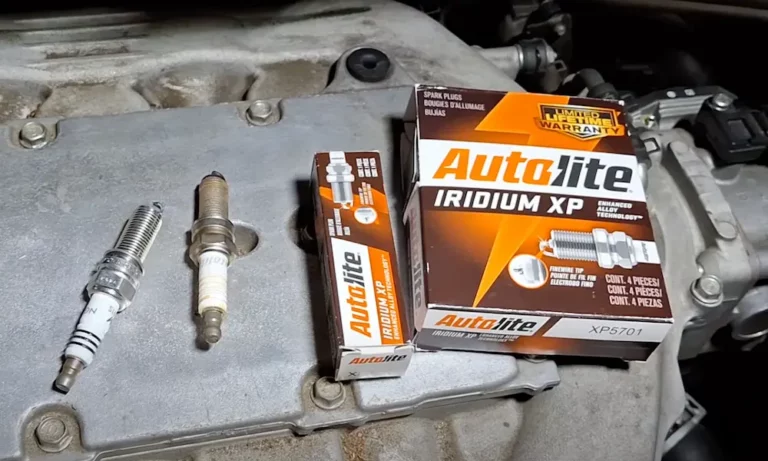
The Iridium XP uses an iridium center electrode with a platinum ground electrode. The Ultra version adds laser-welded construction for better durability. If you’re buying Autolite, these represent your best bet—especially with that lifetime warranty backing them up.
How Autolite Performs in Real Testing
Independent tests reveal mixed results that match what you’d expect from a mid-tier brand.
Fuel Efficiency Tests
When tested against NGK racing plugs, Autolite delivered 44 minutes and 7 seconds of runtime compared to NGK’s 45 minutes and 16 seconds. That’s roughly 2.5% less efficient—not terrible, but not winning any awards either.
Power Output Results
Here’s where things get interesting. When testing different spark plug gaps, Autolite plugs responded well to larger settings. They produced 89.7 horsepower at a 0.065″ gap versus 87.7 horsepower at standard gap.
Visual combustion analysis showed relatively quick and complete combustion, though consistency varied more than premium brands. For regular driving, that’s adequate. For performance applications, you’ll want something better.
The Durability Question: Do They Actually Last?
This is where Autolite struggles most. Field reports consistently point to accelerated electrode erosion compared to NGK and Denso alternatives.
Electrode Design Issues
Autolite uses a shorter and thicker ground electrode design than NGK equivalents. This affects both wear patterns and how easy it is to read plugs for diagnostic purposes.
Combined with manufacturing inconsistencies, this design contributes to reduced service life in demanding applications. You might get the claimed mileage in perfect conditions, but real-world use often tells a different story.
Quality Control Problems
Users have documented premature ceramic insulator failures, including cracked porcelain and loose center electrode assemblies. These failures sometimes happen within the first few hundred miles.
That’s not normal wear—that’s manufacturing defects making it past quality control. The move to overseas production appears linked to increased failure rates based on consumer reports.
Warranty Coverage: Autolite’s Saving Grace
Here’s where Autolite actually shines. Their warranty terms are genuinely competitive, especially on premium products.
Autolite Warranty Breakdown:
| Product Line | Warranty Coverage | Replacement Interval |
|---|---|---|
| Copper | Standard limited | ~30,000 miles |
| Platinum | 4-year limited | ~100,000 miles |
| Double Platinum | 5-year limited | ~100,000 miles |
| Iridium XP | Lifetime limited | Extended service |
| Iridium Ultra | Lifetime limited | Extended service |
The lifetime warranties on iridium products represent exceptional value in the spark plug market. If you get a bad set, you can get replacements. That potentially offsets quality concerns—if you’re willing to deal with warranty claim processes.
Where Autolite Works Best
Not all applications demand premium plugs. Here’s where Autolite makes sense.
Ford Vehicles
Autolite maintains strong compatibility with Ford vehicles due to historical OEM supply relationships. Their High Thread Pro series specifically targets Ford 3V engines with OE patented design, delivering reliable performance in these applications.
If you’re driving a Ford, particularly an older model, Autolite plugs will work fine. They understand Ford’s requirements and design accordingly.
Standard Daily Drivers
For basic transportation in normal conditions, Autolite handles the job adequately. Your 2008 sedan with 150,000 miles that you use for commuting? These plugs will work.
You’re not pushing performance limits, you’re not in extreme conditions, and you replace parts on schedule. That’s Autolite’s sweet spot.
Budget-Conscious Situations
Sometimes you need plugs right now, and premium brands stretch your budget too far. Autolite provides functional performance at accessible prices, especially through major parts chains where they’re widely available.
Just don’t expect the same longevity or consistency you’d get from spending a few extra dollars per plug.
Where Autolite Falls Short
Being honest about limitations matters just as much as highlighting strengths.
Import Vehicles
Performance in import vehicles, particularly Honda and Toyota applications, shows disappointing results. Users frequently report better performance when switching to NGK or Denso plugs designed as OEM equipment for these manufacturers.
These vehicles were engineered with specific plug characteristics in mind. Using Autolite creates a mismatch that affects performance, fuel economy, and engine smoothness.
High-Performance Applications
For modified or high-performance engines, Autolite plugs generally underperform compared to premium alternatives. The electrode design and material composition prove less suitable for extreme conditions.
Documented failures in boosted applications and racing environments make this clear: if you’re making serious power, skip Autolite entirely.
Critical Reliability Situations
When plug failure creates serious problems—think remote work trucks, emergency vehicles, or your only transportation—the quality inconsistencies become unacceptable risks.
Multiple users document receiving defective plugs in the same package, indicating systemic quality control problems rather than isolated incidents. That’s not acceptable when reliability matters most.
How Autolite Compares to Competitors
Understanding where Autolite sits in the market helps you make informed decisions.
NGK: The Gold Standard
NGK maintains clear superiority in electrode precision, material quality, and consistency. With over 1,000 different plug types and superior engineering standards, NGK justifies premium pricing through reliable performance and longevity.
The cost difference between Autolite and NGK is usually $2-4 per plug. Over the life of the plugs, that’s minimal—especially when NGK plugs last longer and perform better.
Champion: Similar Price, Better Consistency
Champion offers similar pricing to Autolite with potentially better quality control. Their consistent manufacturing locations provide advantages over Autolite’s recent production changes.
Historical reputation and reliability give Champion an edge in the budget category, though they don’t match premium brands either.
Denso: Import Vehicle Excellence
For import vehicles, particularly Japanese makes, Denso represents OEM-level quality at reasonable prices. They design plugs specifically for the engines they’ll actually run in.
Professional mechanics consistently recommend NGK or Denso over Autolite for critical applications. That professional consensus carries weight.
What Real Users Actually Say
Professional opinions matter, but everyday user experiences reveal practical realities.
Positive Feedback
Customers report satisfactory performance in standard applications, with particular praise for warranty coverage and value pricing. Users emphasize adequate cold starting performance and smooth idle characteristics in appropriate applications.
When Autolite plugs work as intended, they deliver acceptable performance for the money. That happens often enough to keep the brand viable.
Common Complaints
Frequent issues paint a concerning picture:
- Premature electrode wear appearing earlier than expected
- Ceramic cracking that shouldn’t happen in normal use
- Manufacturing defects visible right out of the package
- Inconsistent quality between different production batches
The pattern suggests these aren’t isolated problems—they’re predictable risks when choosing Autolite.
The Professional Perspective
Mechanics who install hundreds of plugs annually notice patterns. They consistently recommend NGK or Denso over Autolite for anything beyond basic applications.
The consensus suggests using Autolite only when budget constraints prevent premium plug purchases or for temporary repairs. That’s telling.
Making the Right Choice for Your Vehicle
So are Autolite spark plugs good? The answer depends entirely on your situation.
Choose Autolite When:
- You’re maintaining an older Ford vehicle in standard condition
- Budget constraints genuinely limit your options
- You’re doing a temporary repair before proper service
- Your vehicle has basic requirements without performance demands
- You’re willing to pursue warranty claims if problems arise
Avoid Autolite When:
- You’re driving an import vehicle designed for specific OEM plugs
- Your engine is modified or operates in demanding conditions
- Reliability is critical and plug failure creates serious problems
- You want maximum service life and consistent performance
- You can afford spending a few extra dollars per plug
The lifetime warranties on iridium models provide excellent value for users willing to manage potential warranty claims. That’s the strongest argument for choosing Autolite premium products.
The Bottom Line Truth
Autolite spark plugs represent adequate budget alternatives with notable quality inconsistencies. They rank fifth among major manufacturers for good reason—they’re functional but unexceptional.
Manufacturing changes and quality control issues prevent recommendation over established premium brands for anything beyond basic applications. The move from Ohio to overseas production correlates with increased quality complaints and reliability concerns.
For non-critical applications where cost is the primary concern, Autolite provides functional performance. But you should expect potential quality issues and plan accordingly. Keep receipts, know your warranty rights, and don’t be surprised if you need to use them.
If your budget allows spending an extra $10-20 for a complete set, investing in NGK, Denso, or Champion alternatives typically pays off through better reliability and longer service life. The upfront savings with Autolite sometimes disappear when you factor in earlier replacement cycles and potential failures.
Your vehicle deserves plugs that match its needs and your expectations. Sometimes that’s Autolite. Often, it’s not. Make your choice based on honest assessment rather than just looking at the price tag.