Wondering if Denso spark plugs live up to the hype? You’re making a smart move by doing your homework. With countless brands competing for your cash, it’s tough to know which spark plugs actually deliver. Let’s cut through the marketing fluff and give you the real story on Denso’s performance, quality, and whether they’re worth your money.
What Makes Denso Spark Plugs Stand Out
Denso isn’t just another aftermarket brand slapping their name on generic parts. They’re an OEM supplier to Toyota, Honda, Nissan, and other major automakers. That means the same plugs going into brand-new cars at the factory are what you’ll get as replacements.
The company started developing spark plug technology in 1957 as a Toyota subsidiary. They’ve spent decades perfecting their craft, operating manufacturing facilities in Japan, Indonesia, China, and the USA. This global presence ensures consistent quality across all their products.
Here’s what sets them apart: Denso manufactures their aftermarket plugs on the same production lines as OEM components. You’re not getting a “budget version” when you buy Denso at your local parts store. The quality control standards remain identical whether the plug goes to an automaker or sits on a shelf at AutoZone.
The U-Groove Technology That Actually Works
Denso’s patented U-Groove design isn’t just marketing nonsense. This channeled ground electrode creates extra space for the flame kernel to expand during combustion. The result? A larger, hotter spark that ignites leaner fuel mixtures more efficiently than conventional flat electrode designs.
Think of it like this: traditional spark plugs create a small flame that struggles to spread. The U-Groove design gives that flame room to grow immediately, producing more complete combustion. This translates to better fuel economy, smoother starts, and fewer misfires from poor fuel mixtures.
The U-shaped channel develops a bigger flash front that virtually eliminates excessive fouling. If you’ve dealt with erratic starts or rough idling from fouled plugs, this design addresses that problem directly.
Breaking Down Denso’s Spark Plug Lineup
Denso offers several product lines, each engineered for specific applications. Let’s break down what you’ll actually notice with each type.
Iridium TT (Twin Tip)
This flagship model features a 0.4mm iridium center electrode paired with a platinum ground tip. That ultra-fine center electrode requires less voltage to fire, reducing stress on your ignition system. The twin-tip design allows 360-degree flame expansion, which means more complete combustion in every cylinder.
You’ll get up to 100,000+ kilometers from these plugs under normal driving conditions. That’s about 62,000 miles for those of us still using imperial measurements. Testing shows a 4% power increase and 3% torque improvement compared to standard nickel plugs.
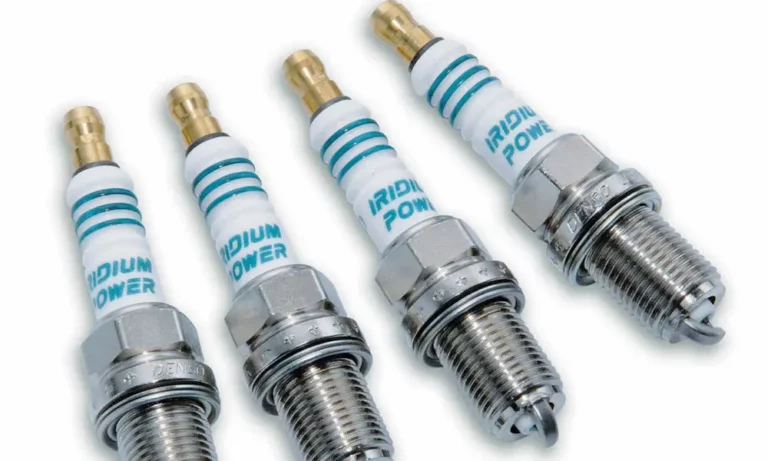
Iridium Power
Built for performance applications, these plugs sport the world’s smallest 0.4mm iridium center electrode. They’re engineered to handle modified or turbocharged engines where standard plugs struggle. You’ll notice enhanced throttle response and fewer misfires under boost conditions.
These aren’t necessary for stock engines, but if you’re running aftermarket tuning or forced induction, they’re worth the investment. Expect about 60,000 km of reliable service in demanding applications.
Iridium Long Life
These feature thicker 0.7mm iridium electrodes designed to last 120,000+ kilometers. They’re perfect for vehicles where spark plug access is a nightmare (looking at you, Subaru owners) or if you simply want maximum service intervals.
The thicker electrode sacrifices some performance benefits for extended durability. They’re still excellent plugs, just optimized for longevity over peak performance.
Nickel TT
Don’t overlook these if you’re on a budget. The 1.5mm nickel electrodes reduce spark wear by up to 40% compared to standard nickel plugs. You won’t get the extended life of iridium, but they’ll outperform basic copper plugs at a fraction of iridium pricing.
Expect about 20,000 km of service life, making them suitable for older vehicles or applications where you’re replacing plugs frequently anyway.
Real-World Performance: Does It Actually Matter?
Let’s talk numbers that matter to your wallet. Independent testing by Denso shows that upgrading from standard nickel to Iridium TT plugs produces measurable improvements. Under full-load conditions, they reduce fuel consumption and CO2 emissions by up to 3.4%.
That 1-3% fuel efficiency improvement might sound small, but it adds up. On a vehicle averaging 25 mpg driving 12,000 miles annually, a 2% improvement saves you about 10 gallons of fuel per year. At $3.50 per gallon, that’s $35 annually. Over 100,000 miles, you’re looking at nearly $300 in savings.
The enhanced ignitability from finer electrodes reduces misfire frequency. You’ll notice smoother idle quality and better cold-start performance, especially in older vehicles where ignition systems have degraded slightly.
How Denso Stacks Up Against NGK
This comparison comes up constantly because both brands dominate the premium spark plug market. Here’s the honest breakdown based on real-world professional experience.
Application Strengths: NGK excels in high-performance and racing applications. Professional mechanics consistently report that NGK plugs typically outlast Denso counterparts under harsh driving conditions, particularly in racing or heavy-duty situations.
Denso focuses on everyday driving efficiency and fuel economy optimization. Their U-Groove technology emphasizes complete combustion for better mileage and lower emissions.
OEM Compatibility: Both serve as original equipment suppliers. NGK commonly appears in Honda applications, while Denso supplies Toyota, Nissan, and other manufacturers. Sticking with your vehicle’s OEM brand often provides optimal performance since the engine calibration was developed with that specific plug.
That said, cross-brand compatibility exists when specifications match. Many professionals successfully substitute NGK or Denso plugs based on heat range, thread pitch, and electrode configuration rather than brand loyalty.
| Feature | Denso | NGK |
|---|---|---|
| Fuel Economy Focus | Excellent | Good |
| Racing/Performance Durability | Good | Excellent |
| OEM Compatibility | Toyota, Nissan, others | Honda, Subaru, others |
| Technology Emphasis | U-Groove combustion efficiency | V-Power flame propagation |
| Price Point | Competitive | Competitive |
The Counterfeit Problem You Need to Know About
Here’s something that doesn’t get discussed enough: counterfeit Denso spark plugs flood the market. These fakes can damage your engine and leave you stranded.
Genuine Denso plugs have specific characteristics you should verify before installation:
Visual Identification: Authentic plugs feature uniform white ceramic insulators with precise, legible markings fused into the ceramic glaze. Counterfeits often use laser-engraved text that looks different. The ground electrode should be consistently positioned with proper welding quality.
Gap Specifications: Genuine plugs maintain exact gap specifications with ±0.1mm tolerance. Counterfeit plugs often exhibit gap variations of 0.1-0.2mm outside specifications. That might not sound significant, but it affects ignition timing and can cause misfires.
Manufacturing Codes: Plugs from the same multi-pack should have identical production batch codes. Counterfeits often mix different production markings because they’re assembled from various sources.
Buy from reputable suppliers. That sketchy eBay seller offering Denso plugs at 40% off retail? Yeah, those are probably fake. Stick with known retailers like AutoZone, Advance Auto Parts, or your local dealership parts department.
Installation Details That Actually Matter
You can buy the best spark plugs money can buy, but improper installation kills performance. Denso specifies precise torque requirements to ensure proper gasket compression and heat transfer without damaging the ceramic insulator.
Over-torquing crushes the gasket and can crack the ceramic. Under-torquing allows combustion gases to leak and prevents proper heat transfer from the plug to the cylinder head. Both scenarios lead to premature failure.
Use a proper spark plug socket that remains parallel during installation. Those universal swivel sockets might seem convenient, but they can cock the plug sideways and cross-thread aluminum cylinder heads.
Apply anti-seize compound sparingly to the threads (unless you’re installing plugs in aluminum heads where the manufacturer specifically prohibits it). A tiny amount prevents seizing during the next replacement cycle.
Service Interval Reality Check
Don’t blindly follow maximum service intervals. Denso provides specific recommendations based on operating conditions:
Severe Conditions (frequent short trips, extreme temperatures, towing): Replace at 75% of rated interval. If your plugs are rated for 100,000 km, swap them at 75,000 km.
Normal Driving: Follow manufacturer recommendations, typically 80,000-100,000 km for iridium types.
Performance Applications: Monitor gap specifications every 30,000 km regardless of rated life. High-performance engines stress plugs beyond normal parameters.
Short trips are particularly brutal on spark plugs. The engine never reaches full operating temperature, allowing fuel deposits to build up on electrodes. If your daily commute is five miles in stop-and-go traffic, you’re in the severe service category even if you drive gently.
The Economics: Are Premium Plugs Worth It?
Let’s address the elephant in the room. Denso iridium plugs cost significantly more than basic copper plugs. A set of four copper plugs might run $12, while Iridium TT plugs cost $60-80 for the same quantity.
Here’s where the math gets interesting. Those copper plugs last about 20,000 miles. Iridium plugs last 100,000+ miles. Over the life of your vehicle (let’s say 150,000 miles), you’ll replace copper plugs 7-8 times. That’s $84-96 plus labor costs for 7-8 replacement jobs.
With iridium plugs, you’re replacing them once, maybe twice. That’s $60-160 total, plus labor for 1-2 replacement jobs. You’re saving money over the vehicle’s lifetime.
Add the 1-3% fuel efficiency improvement, and premium plugs pay for themselves within 12,000-15,000 miles of driving, depending on fuel prices and driving patterns.
Engine Protection Value: Superior performance characteristics reduce stress on ignition coils, wires, and other components. They also prevent catalytic converter damage from misfires. A new catalytic converter costs $500-2,000. Spending an extra $50 on quality spark plugs suddenly seems like cheap insurance.
What Plugs Should You Actually Buy?
Your application determines the best choice. Here’s practical guidance based on real-world experience:
Daily Drivers (Stock Engines): Iridium TT plugs offer the best balance of performance, fuel economy, and service life. They’re the sweet spot for conventional passenger vehicles driven normally.
High-Performance or Modified Engines: Iridium Power plugs provide optimal ignition characteristics for turbocharged applications or engines with aftermarket tuning. The finer electrode and enhanced design handle demanding conditions better.
Fleet Applications or Hard-to-Access Plugs: Long Life variants maximize service intervals and reduce maintenance costs. If you’re running commercial vehicles or own something where changing plugs requires removing the intake manifold, these justify their premium pricing.
Classic or Carbureted Engines: Standard U-Groove plugs provide reliable performance for older ignition systems. Modern iridium technology isn’t necessary for points-based ignition or carbureted fuel delivery.
Budget-Conscious Owners: Nickel TT plugs deliver improved performance over basic copper at economical pricing. They’re perfect for older vehicles where 100,000-mile service intervals don’t make sense.
OEM Compatibility Matters More Than You Think
If your vehicle came from the factory with Denso spark plugs, there’s a reason. The engine calibration, ignition timing maps, and fuel mixture calculations were all developed using those specific plugs.
Toyota and Lexus applications specifically benefit from Denso’s engineering characteristics developed in conjunction with these manufacturers. The heat range, electrode design, and spark characteristics match what the engine computer expects.
Can you substitute NGK plugs with matching specifications? Absolutely. Many professionals do it successfully. But you’re introducing a variable that might affect performance, especially in newer vehicles with sophisticated engine management systems.
When in doubt, stick with what the manufacturer installed. They spent millions in development testing to optimize that combination.
The Bottom Line on Denso Quality
So, are Denso spark plugs good? Yeah, they’re excellent. The combination of advanced materials, patented design features, and rigorous manufacturing standards positions them among the top manufacturers globally.
You’re getting legitimate OEM-quality performance with measurable benefits: improved fuel efficiency, enhanced ignition reliability, and extended service intervals. The premium pricing reflects advanced technology and materials, but the long-term value proposition justifies the investment.
The key to maximizing performance lies in proper application selection based on your engine requirements, driving conditions, and maintenance preferences. Buy from authorized distributors to avoid counterfeits, install them correctly with proper torque specifications, and they’ll deliver consistent performance throughout their service life.
Denso’s reputation as a premium automotive component manufacturer wasn’t built on marketing hype. It’s built on decades of engineering excellence and proven real-world results. Whether you’re maintaining a daily driver or building a performance engine, Denso offers a solution that’ll meet your needs without breaking the bank.